Status Update: Was Diddy Sentenced Already in 2025?
As of early 2026, Sean "Diddy" Combs has not been sentenced, as his criminal trial remains pending in the federal court system. While the high-profile legal proceedings against the music mogul dominated headlines throughout 2025, no fi...
As of early 2026, Sean "Diddy" Combs has not been sentenced, as his criminal trial remains pending in the federal court system. While the high-profile legal proceedings against the music mogul dominated headlines throughout 2025, no final judgment or sentencing hearing occurred during that calendar year. The case remains in the pre-trial and procedural phase, governed by the federal rules of criminal procedure within the Southern District of New York.
Contents
Understanding the Legal Timeline of the Combs Case
The legal challenges facing Sean Combs involve complex federal charges that require extensive preparation, evidence discovery, and motion practice before a trial can commence. In the United States federal justice system, the path from indictment to sentencing is rarely a linear or rapid process, particularly in cases involving multiple counts or extensive investigations.
During 2025, the legal team representing the government and the defense engaged in the "discovery" process. This phase is critical, as it involves the exchange of evidence, witness statements, and documentation. Because federal prosecutors must ensure that their case is airtight to withstand defense scrutiny, the timeline for such trials often stretches well beyond a single year. Consequently, observers looking for a sentencing outcome in 2025 were looking for a resolution that was procedurally impossible given the standard pace of federal litigation.
The Distinction Between Indictment and Sentencing
To understand why there was no sentencing in 2025, it is essential to distinguish between the stages of a criminal prosecution. Sentencing is the final stage of a criminal case, occurring only after one of two events: the defendant enters a guilty plea and the court accepts it, or a jury returns a guilty verdict after a full trial.
Throughout 2025, Sean Combs maintained a plea of not guilty. In the American legal system, a defendant is presumed innocent until proven guilty or until they choose to change their plea. Because the case proceeded toward a trial rather than a plea agreement, the court was not authorized to impose a sentence during the 2025 calendar year. The judiciary is bound by the Sixth Amendment, which guarantees the right to a speedy trial, but "speedy" in federal court terms can still span several months or even years depending on the complexity of the evidence and the volume of motions filed by both sides.
Procedural Hurdles and Delays
Several factors contribute to the timeline of federal criminal cases. In cases of this magnitude, the following elements frequently lead to shifts in the schedule:
- Evidence Volume: When federal investigators collect massive amounts of digital, financial, and testimonial evidence, the defense requires significant time to review these materials to build a rebuttal.
- Pre-Trial Motions: Defense attorneys often file motions to suppress evidence or dismiss specific charges based on procedural grounds. These motions require hearings, briefing schedules, and written opinions from the presiding judge, all of which consume time.
- Scheduling Conflicts: Coordinating the availability of a federal judge, high-profile legal teams, and witnesses often necessitates adjustments to the trial calendar.
- Bail and Detention Hearings: Throughout 2025, procedural hearings regarding detention status were prioritized, which effectively paused the progress toward a trial date.
Comparison of Case Milestones
The following table outlines the standard trajectory of a federal criminal case to help clarify why sentencing could not have occurred in 2025.
| Legal Stage | Description | Status of Combs Case |
|---|---|---|
| Indictment | Grand jury issues formal charges. | Completed |
| Arraignment | Defendant enters a plea. | Completed |
| Discovery | Exchange of evidence between parties. | Ongoing during 2025 |
| Pre-Trial Motions | Legal arguments on evidence admissibility. | Ongoing |
| Trial | Presentation of case to judge or jury. | Pending |
| Sentencing | Imposition of penalty if convicted. | Not Applicable |
The Role of the Presiding Judge
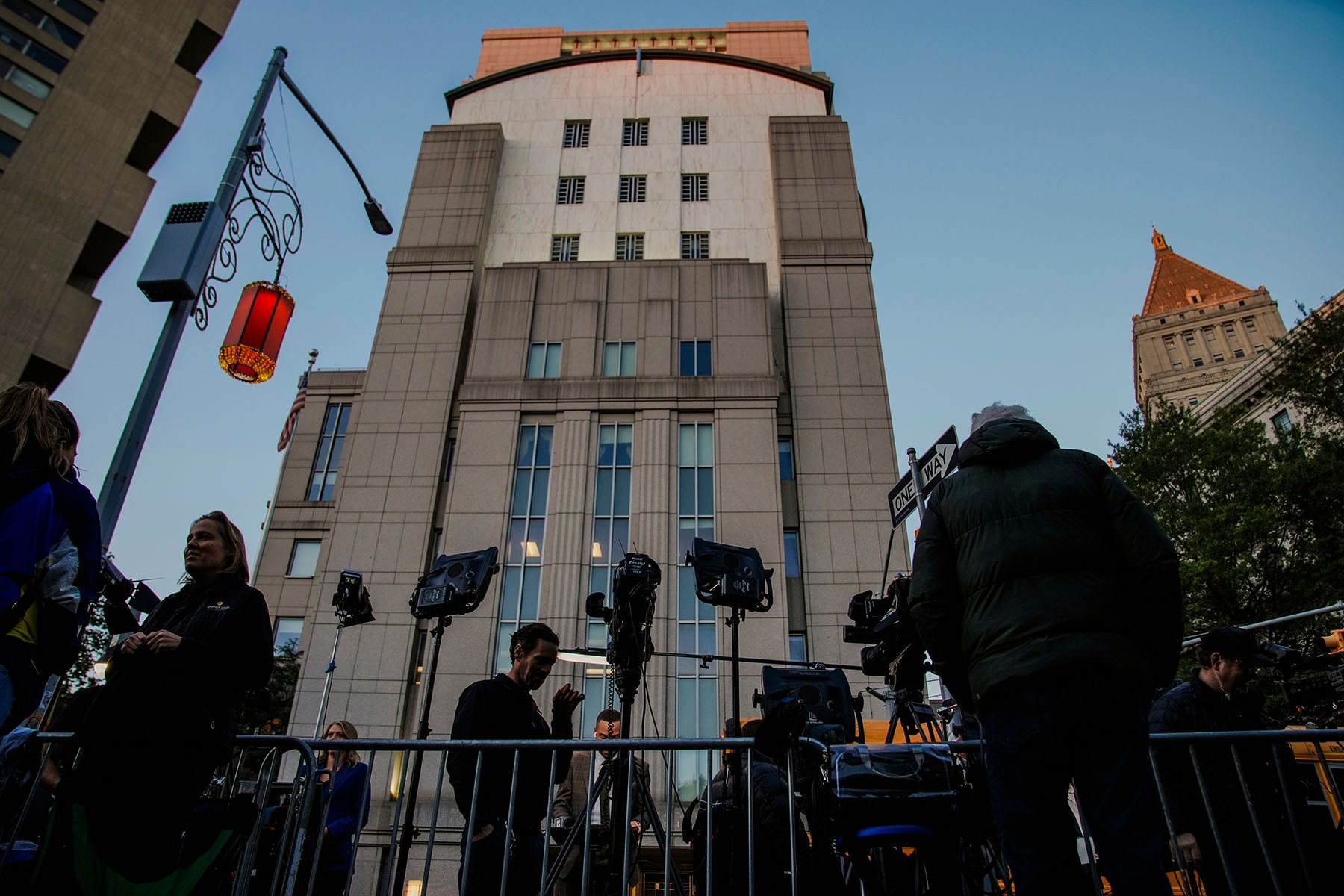
In the United States District Court for the Southern District of New York, the presiding judge holds the authority to set the pace of the trial. The judge’s role is to ensure that the constitutional rights of the defendant are upheld while maintaining the integrity of the judicial process. By the end of 2025, the court had focused on managing the logistics of the case rather than final adjudication. Any claim suggesting that a sentence was handed down in 2025 is factually incorrect and ignores the procedural realities of the case as documented in public court dockets.
Impact of Public Perception vs. Judicial Reality
There is often a significant disconnect between public expectations fueled by media cycles and the actual mechanics of the law. During 2025, social media speculation frequently outpaced the reality of court filings. It is important for those monitoring the case to rely on official dockets or updates from the U.S. Attorney’s Office for the Southern District of New York. The court does not operate on a timeline dictated by public interest or media pressure; it operates on a schedule defined by the Federal Rules of Criminal Procedure.
Next Steps in the Litigation
As we move through 2026, the case is entering a more advanced stage. The focus remains on moving toward trial, where the government will attempt to prove the charges beyond a reasonable doubt, and the defense will have the opportunity to challenge the prosecution’s evidence and present their own version of events.
For those interested in the outcome, the next logical steps involve the setting of a definitive trial date and the subsequent jury selection process. Sentencing will only become a topic of discussion if a conviction is secured. Until that time, the status of the defendant remains in the pre-trial detention phase, with no final judicial penalty having been issued.
Frequently Asked Questions
1. Was Diddy found guilty in 2025? No. Sean Combs was not found guilty in 2025. The criminal proceedings remained in the pre-trial phase throughout the year, meaning no trial was concluded and no verdict was rendered.
2. Why did people think he was sentenced in 2025? High-intensity media coverage and social media misinformation often misinterpret pre-trial hearings, bail denials, or routine procedural updates as final case resolutions. These reports are often speculative and not based on judicial outcomes.
3. When is the trial expected to begin? Federal trial dates are determined by the presiding judge in consultation with both the prosecution and the defense. You should monitor official U.S. District Court filings or reputable legal reporting for updates on scheduling.
4. Can a defendant be sentenced without a trial? Yes, a defendant can be sentenced if they reach a plea agreement with the government and the court accepts that plea. However, as of the end of 2025, no such agreement had been finalized or accepted by the court in this case.
5. Where can I find verified updates on the case? The most reliable source for information is the public docket provided by the U.S. District Court for the Southern District of New York. You can also monitor statements released by the U.S. Attorney’s Office.
Practical Recommendation
For the most accurate information regarding the status of the legal proceedings against Sean Combs, ignore social media rumors and speculative commentary. Regularly check the official PACER (Public Access to Court Electronic Records) system if you require access to court filings, or follow reports from major, accredited news organizations that provide direct coverage of the Southern District of New York’s court proceedings. Legal matters of this complexity are subject to change based on judge-ordered continuances and motion rulings, so relying on official documentation is the only way to avoid misinformation.
Image Gallery