The Most Comfortable Flip Flops for Everyday Wear
The most comfortable flip flops for everyday wear prioritize anatomical arch support, impact-absorbing midsoles, and friction-free straps to prevent foot fatigue. Leading options in 2026, such as those from OOFOS, Vionic, and Hoka, uti...
The most comfortable flip flops for everyday wear prioritize anatomical arch support, impact-absorbing midsoles, and friction-free straps to prevent foot fatigue. Leading options in 2026, such as those from OOFOS, Vionic, and Hoka, utilize proprietary foam technologies and podiatrist-designed footbeds that stabilize the heel and support the natural alignment of the lower body.
Contents
The Biomechanics of Everyday Comfort
Finding the most comfortable flip flops for everyday wear requires moving beyond the flat, rubber slabs often found at convenience stores. True comfort is rooted in biomechanics—the study of how the muscles, bones, and tendons of the foot work together during the gait cycle. Standard flip flops often force the toes to "scrunch" to keep the shoe on, which can lead to tendonitis and plantar fasciitis over long durations.
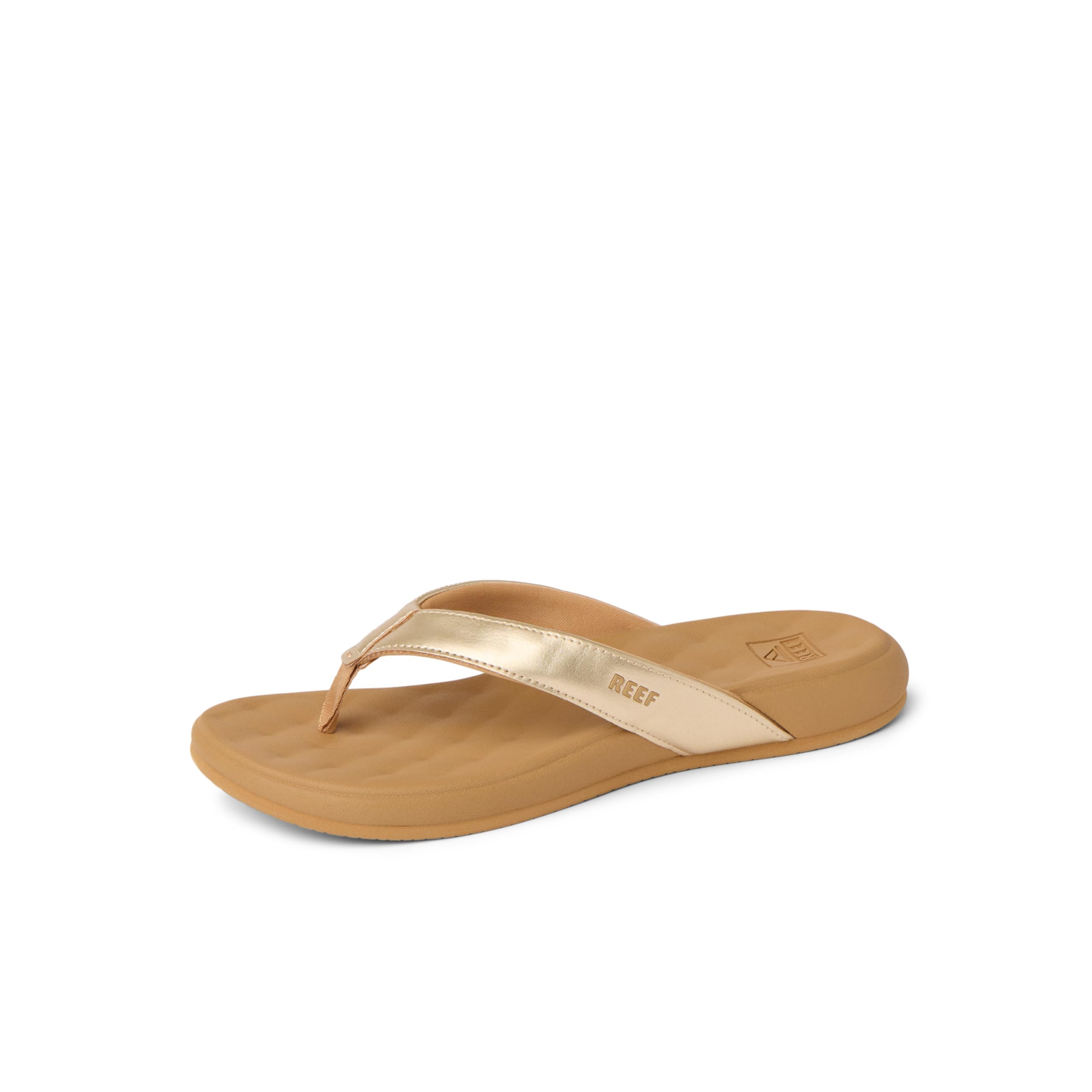
In 2026, the gold standard for daily footwear involves a contoured footbed. A well-designed flip flop should feature a deep heel cup, which centers the fatty pad of the heel to provide natural shock absorption. Furthermore, medial longitudinal arch support is essential. This support prevents overpronation (the inward rolling of the foot), which is a primary cause of knee and hip pain in frequent flip flop wearers. When the arch is supported, the pressure is distributed evenly across the plantar surface, rather than being concentrated on the ball of the foot or the heel.
Material Innovations in 2026 Footwear
The materials used in modern flip flops have evolved significantly to provide better energy return and durability. Understanding these materials helps in selecting a pair that won't lose its "squish" after a month of heavy use.
Closed-Cell Foam and Recovery Tech
Brands like OOFOS have popularized closed-cell foam, specifically their proprietary OOfoam. This material is designed to absorb 37% more impact than traditional EVA (Ethylene-vinyl acetate) foam. For everyday wear, this reduces the load on your ankles and joints. Because the foam is closed-cell, it does not absorb moisture or bacteria, making these flip flops easy to clean and resistant to the odors typically associated with summer footwear.
Compression-Molded EVA
Many high-performance flip flops, such as those from Hoka and Olukai, utilize compression-molded EVA. This process creates a denser, more resilient midsole that provides a balance between "pillowy" softness and firm support. Unlike standard injected EVA, compression-molded versions maintain their structural integrity for hundreds of miles, ensuring that the "most comfortable" feeling persists throughout the lifespan of the shoe.
Sustainable and Natural Materials
Bio-based foams and recycled rubber outsoles have become standard in 2026. For those who prefer natural materials, cork remains a top contender. Found prominently in Birkenstock models, cork footbeds provide a firm, orthotic-grade support system that eventually molds to the unique shape of the wearer's foot. While they require a "break-in" period, they offer unparalleled long-term comfort for those with high arches.
Top Performers for Daily Use: A Comparative Analysis
When evaluating the most comfortable flip flops for everyday wear, several brands consistently outperform the competition by addressing specific orthopedic needs.
| Brand & Model | Primary Comfort Feature | Best For | Material Construction |
|---|---|---|---|
| OOFOS OOriginal | OOfoam Impact Absorption | Recovery & Joint Relief | Proprietary Closed-Cell Foam |
| Vionic Tide II | Orthaheel Technology | Plantar Fasciitis & Alignment | EVA Midsole / Rubber Outsole |
| Hoka Ora Recovery | Meta-Rocker Geometry | All-Day Walking | Oversized Compression EVA |
| Olukai Ohana | Anatomical Drop-In Footbed | Beach-to-Street Versatility | Synthetic Leather / EVA |
| Birkenstock Gizeh | Contoured Cork Footbed | Long-term Arch Support | Natural Cork & Latex |
OOFOS OOriginal: The Standard for Impact Reduction
The OOFOS OOriginal is frequently cited as the most comfortable option for those recovering from workouts or dealing with chronic foot pain. The geometry of the footbed is designed to allow for a natural motion, while the foam itself reduces the energy required to walk. In 2026, these remain a staple for users who spend long hours on hard surfaces like tile or concrete.
Vionic Tide II: Podiatrist-Designed Stability
Vionic has long held the American Podiatric Medical Association (APMA) Seal of Acceptance. The Tide II features a built-in orthotic that is specifically designed to treat overpronation. For everyday wear, this means your feet stay in their neutral position, reducing the strain on the lower back. The straps are lined with foam and soft fabric to eliminate the "between-the-toe" irritation common in cheaper models.
Hoka Ora Recovery Flip: Maximum Cushioning
Hoka transitioned its famous "maximalist" running shoe philosophy into the Ora Recovery Flip. The standout feature is the Meta-Rocker, which is a slightly curved sole that helps "roll" the foot forward through the gait cycle. This reduces the work the midfoot has to do, making it an excellent choice for those who take long walks in their flip flops.
Essential Features for All-Day Wearability
To ensure a flip flop is suitable for "everyday" use rather than just a quick trip to the mailbox, several secondary features must be present.
- Outsole Traction: Everyday wear often involves varied surfaces, from wet poolside tiles to dusty trails. Look for outsoles with "siping" (small grooves that channel water away) or multi-directional lug patterns. A slip-resistant rubber outsole is a safety requirement for any daily-use sandal.
- Strap Construction: The most comfortable flip flops use wide, padded straps that distribute pressure across the top of the foot. Narrow plastic straps are prone to digging in and causing blisters. In 2026, many premium brands use neoprene-lined synthetic leather, which dries quickly and feels soft against the skin.
- Heel-to-Toe Drop: Most flip flops are "zero-drop," meaning the heel and toe are at the same height. However, some orthopedic models include a slight lift in the heel. This can be beneficial for individuals with tight calves or Achilles tendonitis, as it reduces the stretch required during each step.
Sizing and Fit Maintenance
A common mistake that compromises comfort is wearing the wrong size. In a flip flop, your heel should sit securely within the heel cup, and your toes should not hang over the front edge. There should be approximately 1/4 inch of space around the entire perimeter of your foot. If the flip flop is too large, you will subconsciously "grip" with your toes to keep it on, leading to foot cramps.
Maintenance also plays a role in long-term comfort. Over time, the footbed can accumulate oils and dead skin cells, which can make the surface slippery or lead to odors. Most EVA and foam-based flip flops can be washed with mild soap and water. For leather or cork models, specialized cleaners are recommended to prevent the material from drying out and cracking. According to the Mayo Clinic's guidelines on foot health, replacing footwear once the tread is worn or the support has compressed is vital for preventing injury.
Frequently Asked Questions
Can flip flops actually be good for your feet?
Yes, provided they are engineered with orthotic support. While traditional flat flip flops are often criticized by podiatrists, modern versions with arch support and heel cups can provide the necessary stability to be worn safely for daily activities.
How do I know if my flip flops have enough arch support?
You should feel the footbed making contact with the entire underside of your foot, including the arch. If there is a visible gap between your arch and the shoe while standing, the support is likely insufficient for everyday wear.
Why do some flip flops cause blisters between the toes?
Blisters are usually caused by friction from rough materials like stiff plastic or rubber. The most comfortable flip flops use soft webbing, fabric, or rounded toe posts (often called "tanga" style) to minimize irritation in the sensitive interdigital space.
Are expensive flip flops worth the investment?
Generally, yes. Higher-priced models (typically $50–$100) use superior materials like compression-molded EVA or specialized recovery foams that do not flatten out as quickly as the $10 versions. They also offer more complex anatomical shaping which directly contributes to long-term foot health.
How long should a pair of everyday flip flops last?
With daily wear, a high-quality pair of flip flops should last between 6 and 12 months. Signs that they need replacement include visible smoothing of the outsole tread, a noticeable loss of "bounce" in the midsole, or if your feet begin to feel sore after a few hours of use.
Final Recommendation for 2026
When choosing the most comfortable flip flops for everyday wear, prioritize arch support and material density over aesthetic trends. If you struggle with joint pain or are on your feet all day, the OOFOS OOriginal or Hoka Ora Recovery Flip provide the best impact protection. For those requiring structural alignment to combat conditions like plantar fasciitis, the Vionic Tide series remains the industry leader. Always ensure the fit allows your foot to sit entirely within the footbed to maximize the benefits of the anatomical design.
Image Gallery