Cardinale Moving and Storage Overview: A Comprehensive Guide to Professional Relocation Services
Cardinale Moving and Storage serves as a prominent provider of logistics and relocation services, primarily operating within the Monterey Peninsula and the broader Northern California region. As a long-standing organization, the compan...
Cardinale Moving and Storage serves as a prominent provider of logistics and relocation services, primarily operating within the Monterey Peninsula and the broader Northern California region. As a long-standing organization, the company specializes in residential moving, corporate relocations, and secure storage solutions. Understanding their service scope, operational standards, and customer requirements is essential for individuals and businesses planning a transition within or out of their service territory in 2026.
Contents
Understanding the Scope of Cardinale Moving and Storage
Cardinale Moving and Storage functions as a full-service moving entity, meaning they handle the logistics of relocating household goods or office assets from origin to destination. In the professional moving industry, such services are distinct from "self-move" alternatives where the customer bears the burden of labor and logistics. By leveraging professional crews and specialized equipment, the company aims to mitigate the physical risks associated with moving large furniture, sensitive electronics, and high-value fragile items.
The organization operates under the umbrella of professional moving standards, which includes maintaining proper licensing, insurance coverage, and compliance with state and federal transportation regulations. For residents or business owners in California, this implies that the company is subject to the oversight of the California Bureau of Household Goods and Services (BHGS), which regulates intrastate moves to ensure fair pricing and consumer protection.
Core Service Offerings
Cardinale Moving and Storage offers a structured suite of services tailored to different relocation needs. These services are generally divided into local, long-distance, and storage-related categories.
Residential Moving
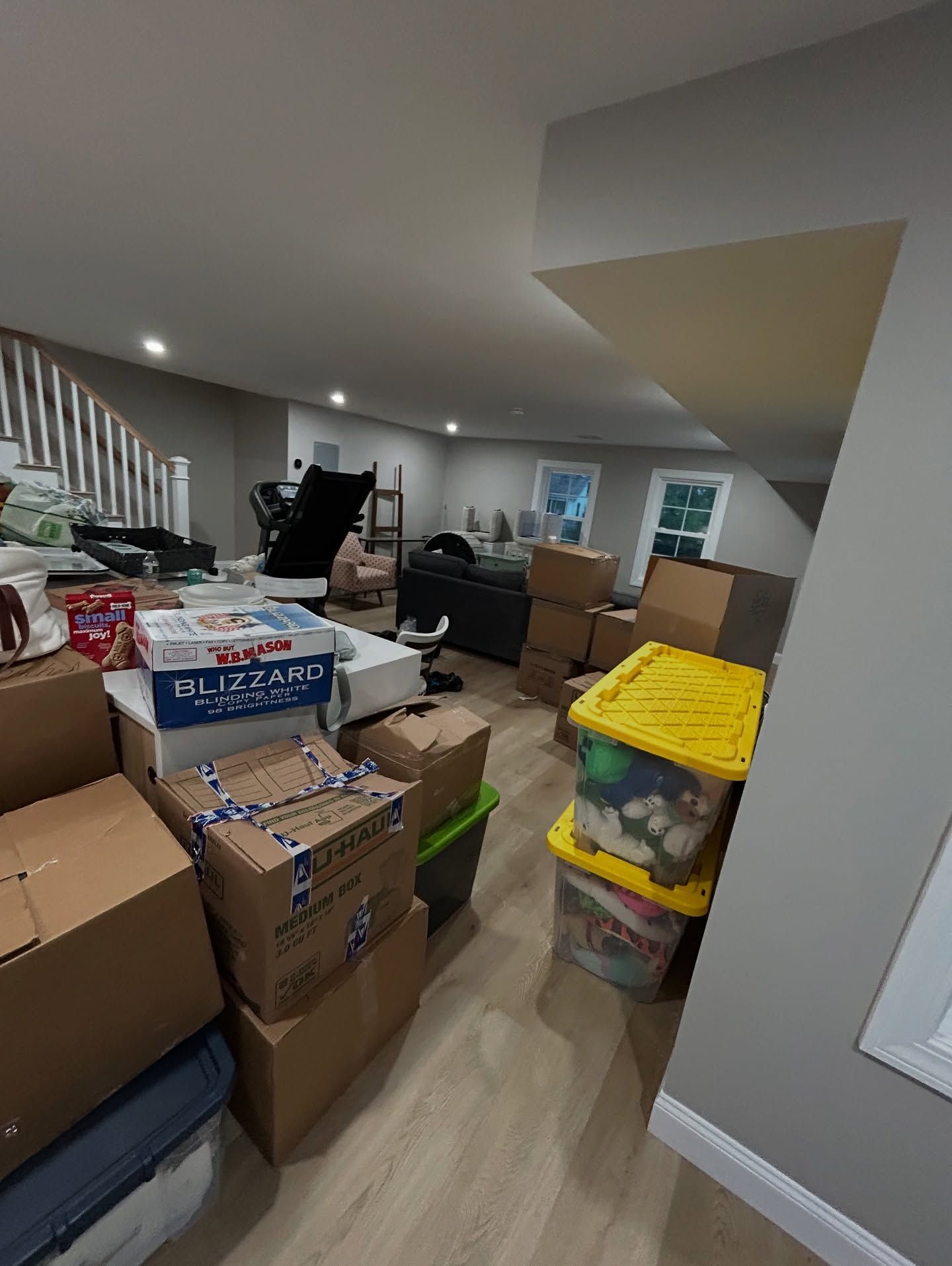
Residential services encompass everything from packing and loading to transportation and unloading. The "full-service" model allows clients to opt for professional packing, where trained staff manage the boxing and cushioning of household goods. This is a critical service for high-value items, such as artwork, antique furniture, or glassware, which require specific crating techniques to prevent damage during transit.
Corporate and Office Relocation
Commercial moving involves more complex logistics than residential relocation. This includes the management of office furniture, server equipment, and business archives. For a business, downtime is a significant cost; therefore, the overview of these services emphasizes efficient, scheduled moves designed to minimize operational disruption.
Warehouse and Storage Solutions
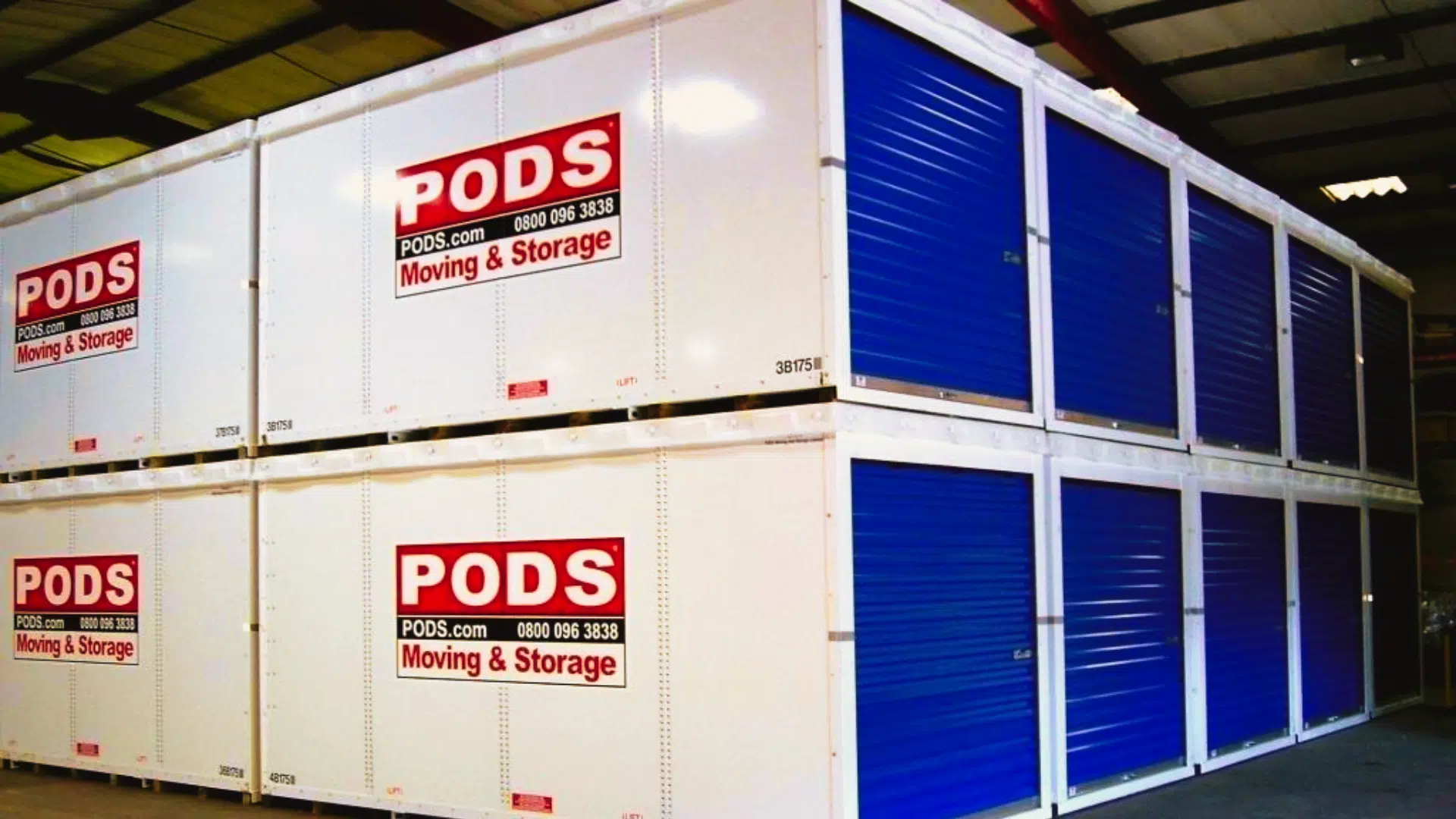
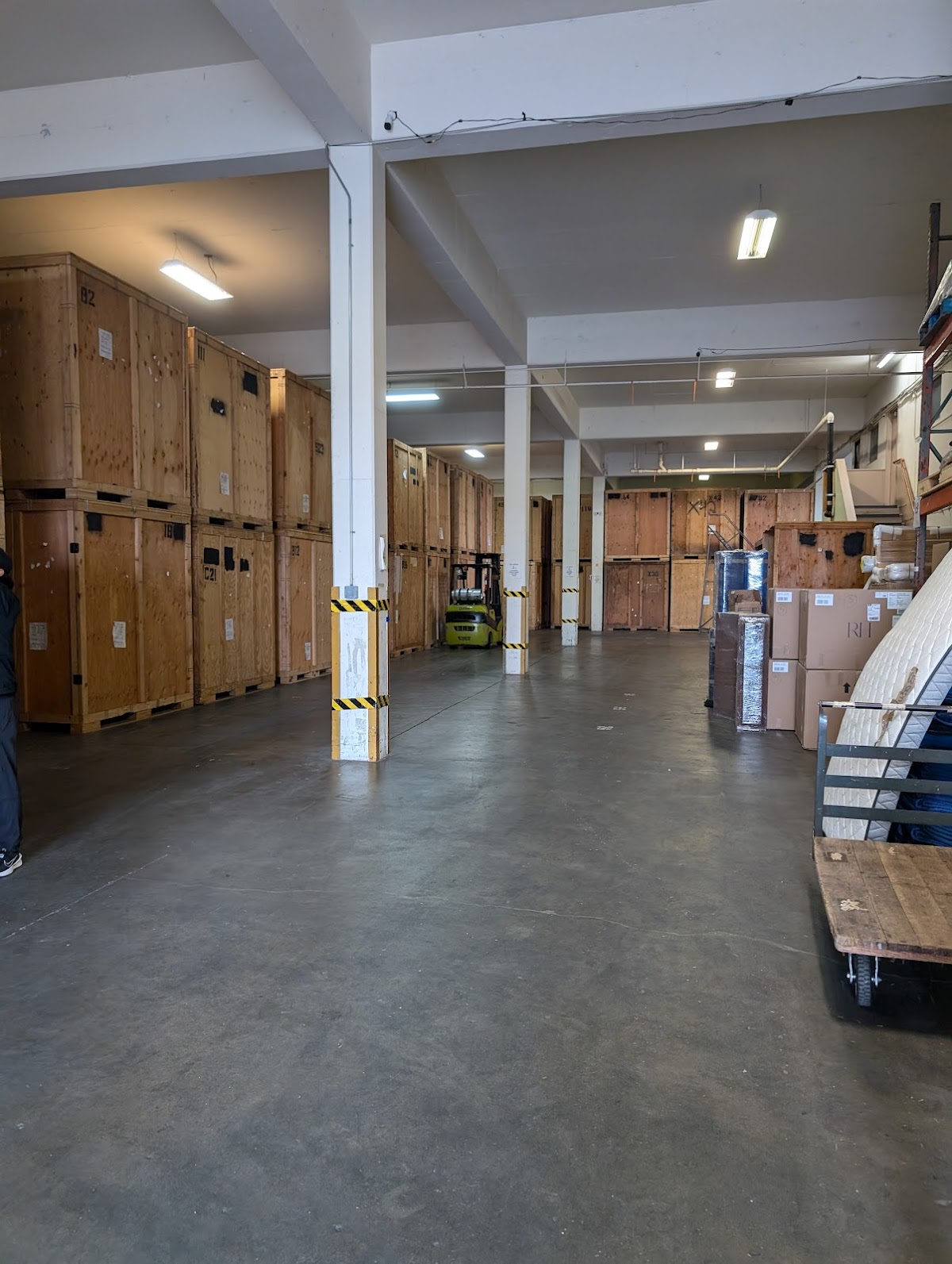
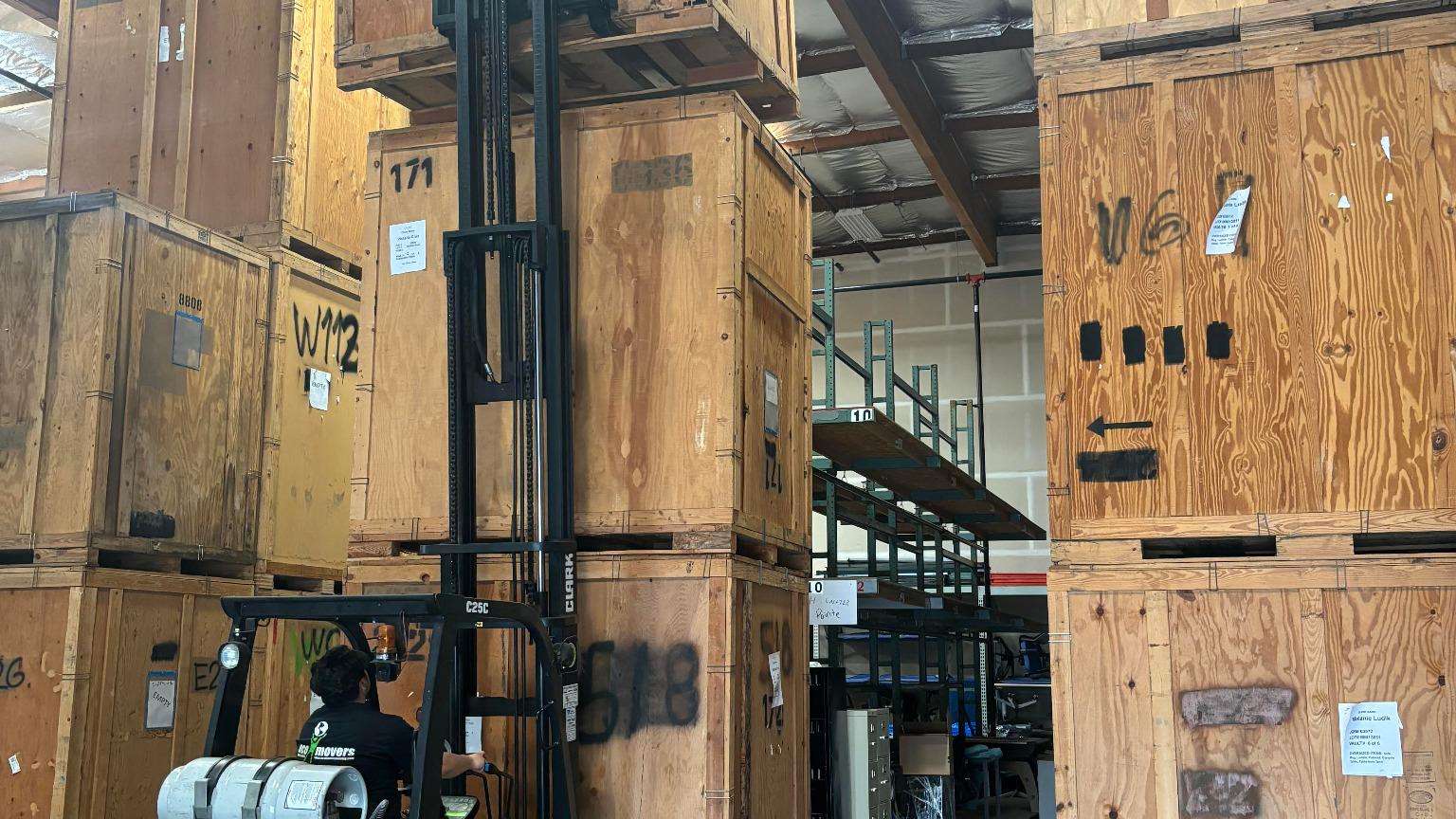
Many relocation projects do not follow a linear path. If a move-out date and a move-in date do not perfectly align, or if a renovation project requires items to be held off-site, professional storage is necessary. Cardinale provides warehouse storage facilities that are typically climate-controlled and monitored, offering a secure environment for temporary or long-term storage of household or business assets.
The Operational Workflow: What to Expect
A successful relocation with a professional service provider follows a standardized process. Knowing these steps allows clients to prepare their documentation and inventory effectively.
- Consultation and Assessment: The process typically begins with a physical or virtual walkthrough. An estimator reviews the volume of items, accessibility of the property (such as stairs, narrow driveways, or elevator restrictions), and the distance of the move.
- Quotations and Budgeting: Following the assessment, the company provides a cost estimate. In the moving industry, estimates are either binding (fixed price) or non-binding (based on actual weight or time). It is critical for the client to confirm which structure applies to their contract.
- Logistical Planning: Once a contract is signed, the company schedules the crew and the fleet. During this time, they provide guidance on prohibited items—materials that cannot be legally or safely transported, such as hazardous chemicals, explosives, or certain types of perishable goods.
- Execution: On moving day, the crew arrives with the necessary equipment (dollies, moving blankets, ramps). The items are inventoried, wrapped, and loaded into the transit vehicle.
- Transit and Delivery: Upon arrival at the new location, the items are unloaded and placed according to the client’s request.
Service Comparison and Considerations
Choosing the right provider requires evaluating the specific requirements of the move against the strengths of the organization.
| Service Feature | Residential Standard | Corporate Standard | Storage Requirement |
|---|---|---|---|
| Packing | Optional (Full/Partial) | Highly Recommended | Specialized Crating |
| Inventory | Basic/Itemized | Asset Tagging | Periodic Audit |
| Timeline | 1–3 Days Typically | Minimized Downtime | Indefinite/Flexible |
| Insurance | Liability Coverage | Business Liability | Warehouse Liability |
Managing Risks and Insurance Coverage
A significant aspect of any moving overview is understanding the protection of property. Under federal law, moving companies are required to offer two levels of liability: Released Value Protection (minimal coverage) and Full Value Protection (comprehensive coverage).
Released Value Protection is often included in the base price but typically provides only a nominal amount per pound per item, which is often insufficient for high-value electronics or furniture. Full Value Protection makes the mover liable for the replacement value of lost or damaged items. Before finalizing a contract with Cardinale Moving and Storage, clients should clarify the specific coverage terms and determine if supplemental third-party moving insurance is required for high-value assets.
Frequently Asked Questions (FAQ)
1. What areas does Cardinale Moving and Storage primarily serve? The company focuses heavily on the Monterey Peninsula and surrounding California coastal regions. Their ability to handle long-distance moves depends on their specific network of agents and transit capability at the time of your request.
2. How should I prepare for a move with Cardinale? Preparation involves decluttering items before the move to reduce costs, organizing smaller loose items into sturdy boxes, and identifying items that are fragile or prohibited from transport. You should also ensure clear access for the moving truck at both the origin and destination properties.
3. Are moving quotes from Cardinale binding? Quotes may be binding or non-binding depending on the scope of the move and the assessment type. You must ask for a written, itemized quote and confirm the nature of the pricing structure before signing any service agreement.
4. How is the cost of my move calculated? Costs are generally calculated based on the weight of the items, the distance traveled, the level of packing services requested, and any special logistical requirements (such as long carries or elevator usage).
5. Can they move items that are considered hazardous? No. Moving companies are strictly prohibited by law from transporting hazardous materials such as gasoline, paint, propane tanks, bleach, or corrosive chemicals. These items must be disposed of or transported separately by the owner.
Practical Next Steps for Your Move
When coordinating with Cardinale Moving and Storage, the most effective next step is to request a formal on-site assessment. This interaction provides an opportunity to verify the company's registration and current insurance standing. Ensure that the estimator provides a written, detailed inventory of the items to be moved and a clear explanation of any potential surcharges for difficult access or specialized equipment. By initiating a professional, transparent dialogue early in your planning phase, you minimize the risk of scheduling conflicts or unexpected costs during the relocation process.
Image Gallery