Understanding Heating Oil Prices in Waterbury, CT: A 2026 Guide for Residents
Heating oil prices in Waterbury, Connecticut, fluctuate based on regional distribution costs, global crude oil market trends, and seasonal demand patterns. Residents generally navigate these costs by comparing local dealer rates, utili...
Heating oil prices in Waterbury, Connecticut, fluctuate based on regional distribution costs, global crude oil market trends, and seasonal demand patterns. Residents generally navigate these costs by comparing local dealer rates, utilizing state-sponsored energy assistance programs, and implementing efficiency measures to manage consumption during the peak winter months.
Contents
The Dynamics of Heating Oil Markets in Connecticut
Heating oil, technically categorized as No. 2 distillate fuel oil, serves as a primary heat source for a significant portion of Connecticut households. In Waterbury, the price you pay at the pump or through scheduled delivery is rarely set by a single entity. Instead, it is the result of a complex supply chain involving global commodity markets and local operational overhead.
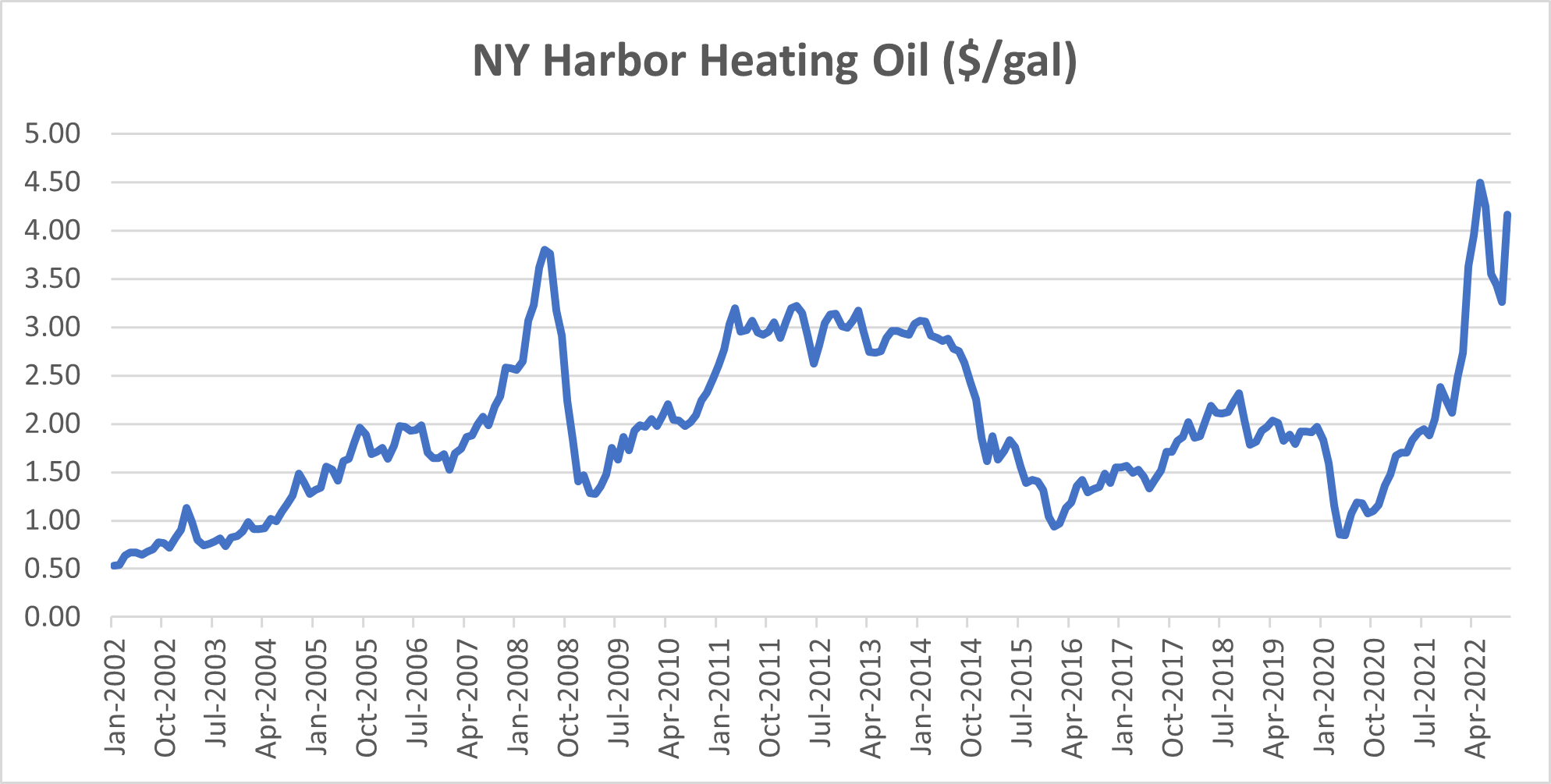
The price per gallon is primarily driven by the cost of crude oil, which is traded internationally. When geopolitical events or shifts in OPEC production occur, these impacts propagate down to the consumer level within weeks. However, local factors also play a substantial role. Waterbury’s proximity to major coastal distribution hubs and terminals along the Connecticut River and the Long Island Sound influences transportation costs. Dealers must factor in the expense of trucking fuel from these regional terminals to their storage facilities and eventually to residential tanks.
Factors Influencing Your Local Cost
Several variables determine the final price a consumer sees on their invoice in Waterbury. Understanding these can help you anticipate price shifts:
- Market Volatility: As a commodity, heating oil is subject to daily price fluctuations. Dealers often adjust their daily retail prices based on the "rack price"—the cost they pay to purchase fuel from a terminal.
- Delivery Fees and Service Contracts: Some dealers offer "full-service" contracts that include annual burner cleanings and emergency repair coverage, which may carry a premium per gallon compared to "cash-on-delivery" (COD) providers.
- Geographic Competition: Waterbury benefits from having multiple heating oil providers competing for market share. Comparing prices across different vendors in the 06702, 06704, 06705, 06706, and 06708 zip codes is essential, as localized competition can keep margins tighter than in more isolated rural areas.
- Seasonal Demand: Demand for heating oil peaks during the Connecticut winter, roughly from November through March. Prices often rise during extreme cold snaps due to supply constraints and the increased frequency of emergency deliveries.
Comparison of Heating Oil Delivery Models
| Delivery Model | Pros | Cons | Best For |
|---|---|---|---|
| Automatic Delivery | Peace of mind; avoids tank depletion. | Usually higher price per gallon. | Households that prioritize convenience. |
| COD / Will-Call | Lowest price per gallon. | Requires constant monitoring of tank levels. | Cost-conscious households. |
| Pre-Buy Programs | Protects against mid-winter price spikes. | Requires upfront capital; risk of market drops. | Households with consistent budgets. |
Monitoring Current Market Trends
For residents of Waterbury, staying informed about current trends is straightforward if you know where to look. The Connecticut Department of Energy and Environmental Protection (DEEP) maintains a database of heating oil prices, providing weekly state-level averages. While this data does not account for the specific dealer markup in Waterbury, it serves as a critical baseline to ensure the quotes you receive from local vendors are aligned with regional market conditions.
When contacting dealers, always ask for the "current cash price." Many vendors maintain different pricing structures for credit card payments versus cash or check. Additionally, inquire about the "minimum delivery amount," as some companies add surcharges for small deliveries (e.g., less than 100 gallons), which can effectively raise your cost per gallon.
Navigating Energy Assistance Programs
For many families in Waterbury, the volatility of heating oil prices can pose a financial burden. Fortunately, there are established safety nets. The Connecticut Energy Assistance Program (CEAP) is the primary resource for income-eligible households. Managed at the state level, this program provides financial subsidies to help cover the cost of heating, regardless of whether you rent or own your home.
Residents should begin the application process in early autumn. Waiting until the first deep freeze often results in longer processing times and potential delays in receiving assistance. Beyond state programs, local community action agencies in the Waterbury area often provide supplemental support or information on weatherization services, which can significantly reduce the amount of oil needed to keep a home comfortable.
Strategies for Reducing Heating Consumption
While you cannot control the global market price of oil, you can exert significant control over your total expenditure by reducing your gallon usage. In an older city like Waterbury, where much of the housing stock consists of historic or mid-century structures, energy efficiency is often the most effective tool for cost management.
- Tank Monitoring: If you use a will-call delivery model, ensure your tank gauge is accurate. Modern ultrasonic tank monitors are available and can send alerts to your smartphone when levels reach a certain percentage, preventing emergency "out-of-oil" service fees.
- Professional Maintenance: An inefficient burner consumes more fuel to produce the same amount of heat. An annual tune-up ensures that your furnace is operating at peak efficiency, which can lead to measurable savings over the course of the winter.
- Insulation and Weatherization: Check for air leaks around windows and doors. Simple weather stripping and door sweeps can prevent heat loss, reducing the load on your heating system.
- Programmable Thermostats: Lowering the indoor temperature by even a few degrees while you are sleeping or away from home can cumulatively save a significant amount of oil over the season.
Troubleshooting and Common Pitfalls
One common mistake for Waterbury residents is failing to account for the "emergency delivery" fee. If a tank runs dry, it often requires a technician to prime the pump and bleed the lines to remove air bubbles—a service that is rarely free and often requires an after-hours surcharge. Always maintain at least a quarter-tank of oil during the winter months to avoid these preventable costs.
Another consideration involves the integration of bioheat. Many Connecticut dealers now blend traditional heating oil with biodiesel. While this is often a regulatory requirement or an environmental initiative, some high-percentage blends may require specific burner adjustments in older systems. Verify with your oil provider if their current fuel blend requires any technical changes to your furnace.
Professional Advice and Legal Limits
The heating oil industry in Connecticut is subject to consumer protection laws enforced by the Department of Consumer Protection. Dealers are required to clearly state their pricing, fees, and contract terms. If you encounter a price discrepancy that violates a signed agreement, you have the right to file a complaint with the state.
Disclaimer: This information is for educational purposes and does not constitute financial or professional energy advice. Pricing, regulations, and assistance program eligibility are subject to change based on 2026 state guidelines. Always consult with your specific fuel provider for the most accurate current rates and contract conditions.
Frequently Asked Questions
How can I find the best heating oil price in Waterbury today? Start by checking the weekly average published by the Connecticut DEEP. Then, use an online comparison site or call three local, reputable dealers. Ask specifically for their current cash price for a 150-gallon delivery to see how they compare to the state average.
Is it better to lock in a price or pay as I go? This depends on your risk tolerance. A pre-buy contract locks in a set price for the season, protecting you if prices skyrocket, but you may end up paying more if the market price drops significantly. Paying as you go offers the flexibility to take advantage of price dips but leaves you vulnerable to sudden spikes.
What should I do if I can't afford my next oil delivery? Contact your local Community Action Agency immediately to inquire about CEAP eligibility. Many dealers also offer "budget plans" that spread the total annual cost of oil over 10 or 12 monthly payments, which helps stabilize your household budget.
How much oil does the average Waterbury home use? Usage varies wildly based on the size of the home, the age of the furnace, and the quality of insulation. However, a typical single-family home in the region might use between 600 and 1,000 gallons per winter.
Do I need a special contract for home heating oil? No, you are not required to have a long-term contract. You can opt for "will-call" delivery, where you purchase oil on an as-needed basis. However, automatic delivery customers often receive priority status during periods of high demand.
Final Recommendation
To manage your heating costs in Waterbury effectively, perform a cost-benefit analysis of your current delivery method. If you are comfortable monitoring your tank, switching to a high-rated, local COD provider often yields the lowest cost per gallon. Regardless of your choice, ensure you have scheduled your annual burner maintenance before the heating season begins to guarantee your system is running as efficiently as possible.
Image Gallery