Comprehensive Guide to Monitoring the Ingham County Police Scanner in 2026
Accessing the police scanner for Ingham County requires understanding Michigan public safety radio systems, utilizing reliable streaming platforms, and complying with state monitoring laws. This comprehensive guide outlines the operati...
Accessing the police scanner for Ingham County requires understanding Michigan public safety radio systems, utilizing reliable streaming platforms, and complying with state monitoring laws. This comprehensive guide outlines the operational frequencies, hardware requirements, software applications, and legal frameworks governing public safety radio traffic monitoring across Lansing, East Lansing, and surrounding areas.
Contents
Understanding the Ingham County Public Safety Radio Infrastructure
Public safety communications in Ingham County rely heavily on advanced trunked radio systems. Emergency services, including the Ingham County Sheriff's Office, Lansing Police Department, East Lansing Police Department, and local fire and emergency medical services (EMS), coordinate their operations using multi-site trunked networks.
Most primary dispatch and tactical operations transmit over the Michigan Public Safety Communications System (MPSCS). The MPSCS utilizes an 800 MHz trunked radio network, which provides statewide interoperability for police, fire, and highway patrol units.
- Statewide Interoperability: MPSCS allows seamless cross-jurisdictional communication between local municipal departments, county sheriff units, and Michigan State Police posts.
- Digital Encryption Status: While many standard dispatch talkgroups remain unencrypted to maintain public transparency, select tactical, narcotics, and specialized investigative channels utilize advanced digital encryption for operational security.
- Simulcast Architecture: The Lansing and Ingham County region utilizes multi-cast tower sites to ensure robust in-building and mobile radio coverage, broadcasting signals across multiple frequencies simultaneously.
Methods for Listening to Ingham County Police Scanners
Listeners can track public safety radio traffic through two primary methods: dedicated hardware scanners or software-based streaming platforms. Selecting the appropriate method depends on technical expertise, budget, and desired portability.
Physical Hardware Scanners
Traditional tabletop and handheld radio scanners offer the most reliable, real-time access without reliance on cellular data connections or internet service providers.
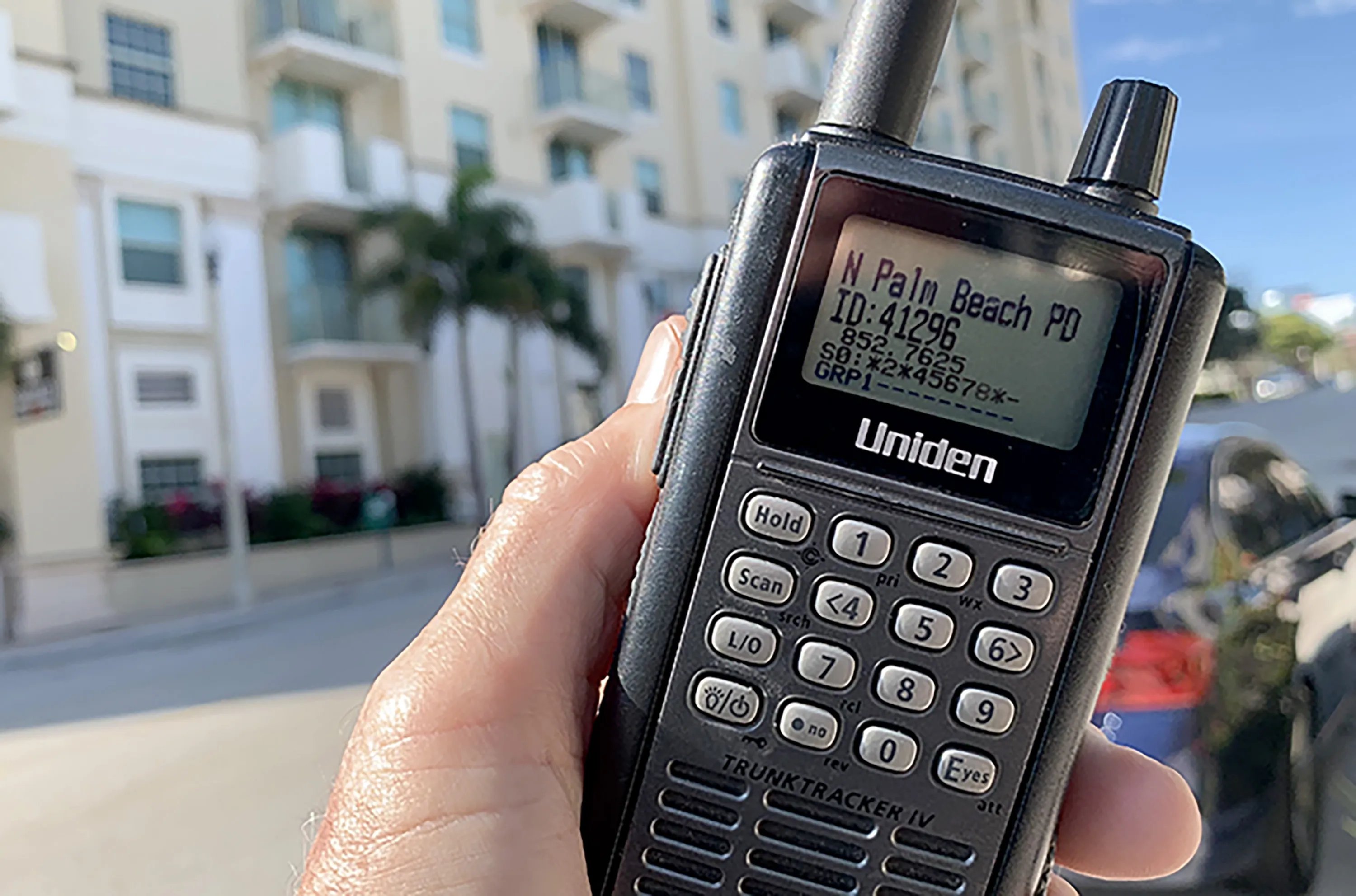
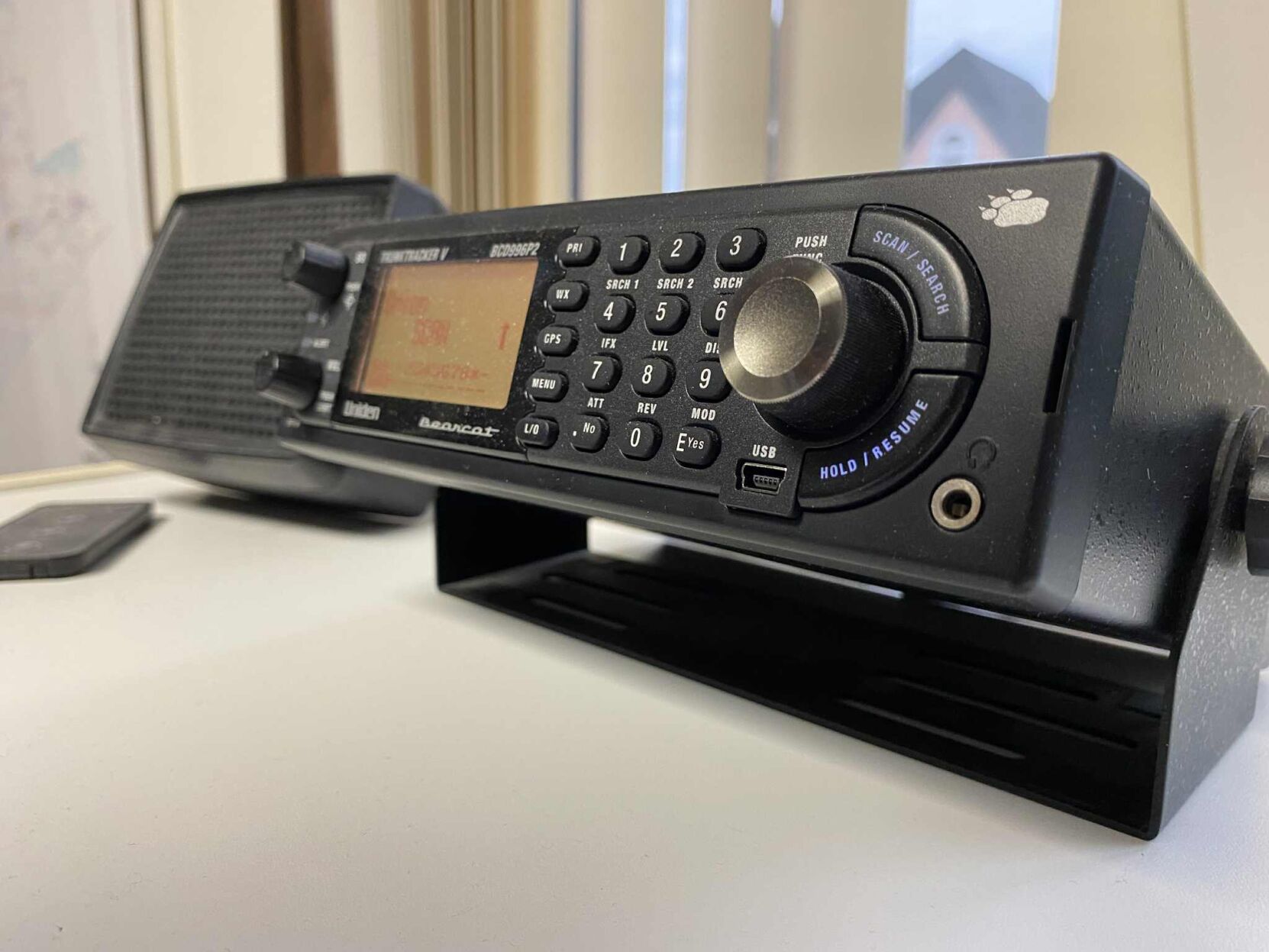
- Trunking Capability Required: Because Ingham County operates on a trunked system, basic analog scanners will not work. Buyers must invest in digital trunking scanners capable of decoding APCO Project 25 (P25) Phase I and Phase II digital transmissions.
- Programming Software: Modern digital scanners require programming via software utilities such as ARC536 or Sentinel (depending on the Uniden or Whistler model) to download current MPSCS frequencies and talkgroups directly from the RadioReference database.
Streaming Applications and Web Feeds
For casual listeners, online audio streaming platforms offer convenient access via smartphones, tablets, and desktop computers. Several volunteer-run feeds broadcast Ingham County public safety traffic online.
- Broadcastify: The primary platform hosting live feeds for Ingham County Sheriff, Lansing Police, and Michigan State Police District 1 dispatch channels.
- Mobile Apps: Applications built on top of public audio directories allow users to set alerts, listen to archived audio, and monitor multiple talkgroups simultaneously.
Technical Comparison of Monitoring Options
Choosing between dedicated hardware and internet-based streaming involves weighing cost, reliability, latency, and access constraints.
| Monitoring Method | Primary Equipment Needed | Audio Latency | Internet Dependency | Encryption Decoding |
|---|---|---|---|---|
| Digital Hardware Scanner | P25 Phase II Trunking Scanner, External Antenna | Zero (Real-Time) | None | None (Cannot decode encrypted talkgroups) |
| Online Streaming Feeds | Smartphone, Computer, or Smart Speaker | 15 to 45 Seconds | High (Requires steady connection) | None (Feeds only broadcast unencrypted channels) |
| SDR (Software Defined Radio) | RTL-SDR USB Dongle, PC, Software (OP25/DSDPlus) | Low (1 to 3 Seconds) | Optional (Required only for updates) | None (Decodes unencoded digital talkgroups) |
Legal Framework and Regulations for Scanner Use in Michigan
Before operating a police scanner, users must understand the relevant federal and state legal frameworks. While listening to public safety radio broadcasts is generally protected, using intercepted information for unlawful purposes or operating mobile units in specific contexts carries legal penalties.
- Federal Communications Commission (FCC): Under the Communications Act of 1934 (as amended), individuals are legally permitted to listen to public radio broadcasts, marine, aviation, and public safety bands. However, divulging or publishing intercepted private communications is strictly prohibited.
- Michigan Vehicle Laws: Michigan law regulates the installation and operation of mobile radio equipment in motor vehicles. Citizens generally cannot operate a scanner tuned to police frequencies in a vehicle unless they possess a valid amateur radio license issued by the FCC or specific professional authorization, such as being an active law enforcement officer or licensed private investigator.
Step-by-Step Guide to Setting Up an SDR (Software Defined Radio) Receiver
For technology enthusiasts seeking an affordable alternative to expensive digital scanners, building a Software Defined Radio (SDR) setup provides a deep level of control and visualization over the Ingham County RF spectrum.
- Acquire Hardware: Purchase an RTL-SDR USB dongle (such as an RTL-SDR Blog V4 kit) featuring an R820T2 tuner and an appropriate VHF/UHF/800MHz antenna tuned for MPSCS frequencies.
- Install Drivers: Connect the dongle to a Windows, macOS, or Linux computer and install the necessary zadig USB drivers to enable raw I/Q data streaming.
- Download Decoding Software: Install specialized decoding software capable of handling P25 trunked systems, such as SDR# (SDRSharp) combined with DSDPlus (Digital Speech Decoder Plus) or OP25 running on a Linux or Raspberry Pi environment.
- Configure Control Channels: Input the active control channel frequencies for the Ingham County MPSCS tower sites into the software configuration files.
- Calibrate and Monitor: Adjust the PPM (parts per million) frequency correction to lock onto the digital signal cleanly, map out the local talkgroups, and begin monitoring local dispatch operations.
Frequently Asked Questions About Ingham County Police Scanners
Can I listen to Lansing Police and Ingham County Sheriff on a standard analog scanner?
No, standard analog scanners cannot decode the digital trunked signals used by Ingham County agencies. You must use a digital scanner that supports APCO P25 Phase I and Phase II modulation or rely on an online streaming service.
Why do certain police channels suddenly go silent on scanner feeds?
Agencies frequently switch tactical operations, sensitive investigations, or high-profile incidents to encrypted digital talkgroups. Once encrypted, standard scanners and public audio feeds cannot decode or broadcast the transmissions.
Are mobile police scanner apps legal to use while driving in Michigan?
Using a standalone smartphone application to listen to public safety broadcasts while driving can intersect with Michigan's distracted driving laws. Furthermore, operating a physical radio receiver tuned to police bands inside a motor vehicle without an FCC amateur radio license or professional exemption violates state statute.
How can I find the exact talkgroup numbers for Ingham County departments?
The most reliable and frequently updated repository for Ingham County talkgroup IDs, tower site frequencies, and system updates is the RadioReference database for Michigan.
Do online scanner feeds offer real-time audio?
Online feeds experience a natural latency ranging from 15 to 45 seconds due to audio buffering, encoding processes, and server transmission delays. For absolute real-time monitoring without delay, a physical digital scanner or local SDR setup is required.
Conclusion and Operational Recommendations
Monitoring public safety communications in Ingham County requires an understanding of the MPSCS digital trunked network, adherence to Michigan mobile radio laws, and the selection of proper hardware or software tools. Whether utilizing a digital tabletop scanner for zero-latency monitoring or exploring Software Defined Radio for advanced signal analysis, always verify local regulatory compliance before operating mobile monitoring equipment within the county.
Image Gallery