How to Write a Press Release for a Book Launch
A professional book launch press release is a strategic one-page document designed to provide journalists, editors, and influencers with the essential facts about your publication. It must clearly state the book’s value proposition, pr...
A professional book launch press release is a strategic one-page document designed to provide journalists, editors, and influencers with the essential facts about your publication. It must clearly state the book’s value proposition, provide logistical details for the launch, and offer direct access to the author or review copies, all while maintaining a concise, objective, and journalistic tone.
Contents
Understanding the Goal of a Book Press Release
The primary objective of a press release is not to sell the book directly to consumers, but to pique the interest of media gatekeepers. In 2026, media landscapes remain saturated; editors and bloggers receive hundreds of pitches daily. Your press release acts as a professional bridge. It tells an editor why your book matters to their specific readership right now. If your release is written well, it provides them with the "who, what, where, when, and why" in under 60 seconds, lowering the barrier for them to request a review copy or schedule an interview.
Essential Components of the Press Release
To be effective, your document must adhere to standard industry formatting. Failure to follow these conventions can signal an amateur approach, causing journalists to overlook your material.
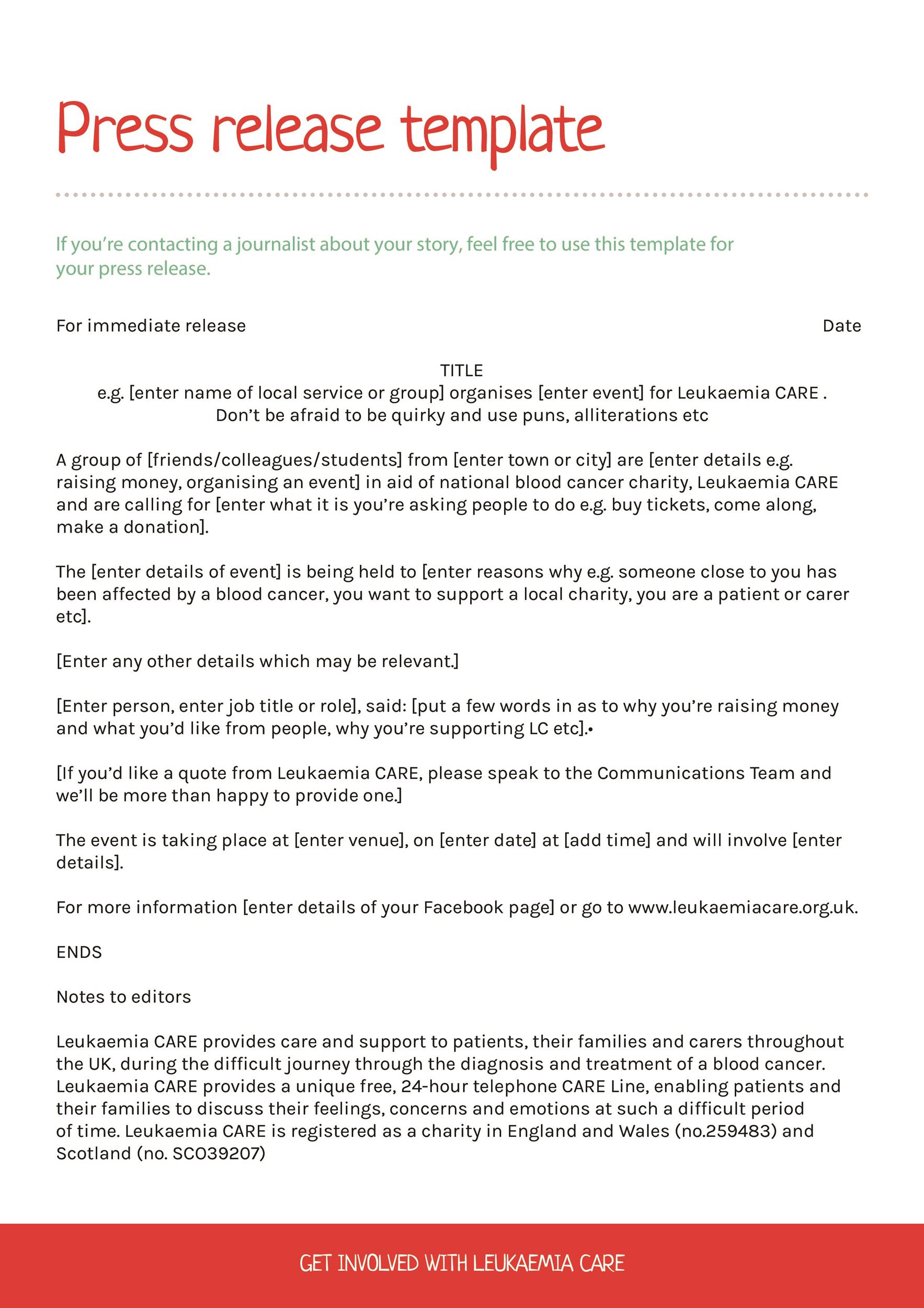
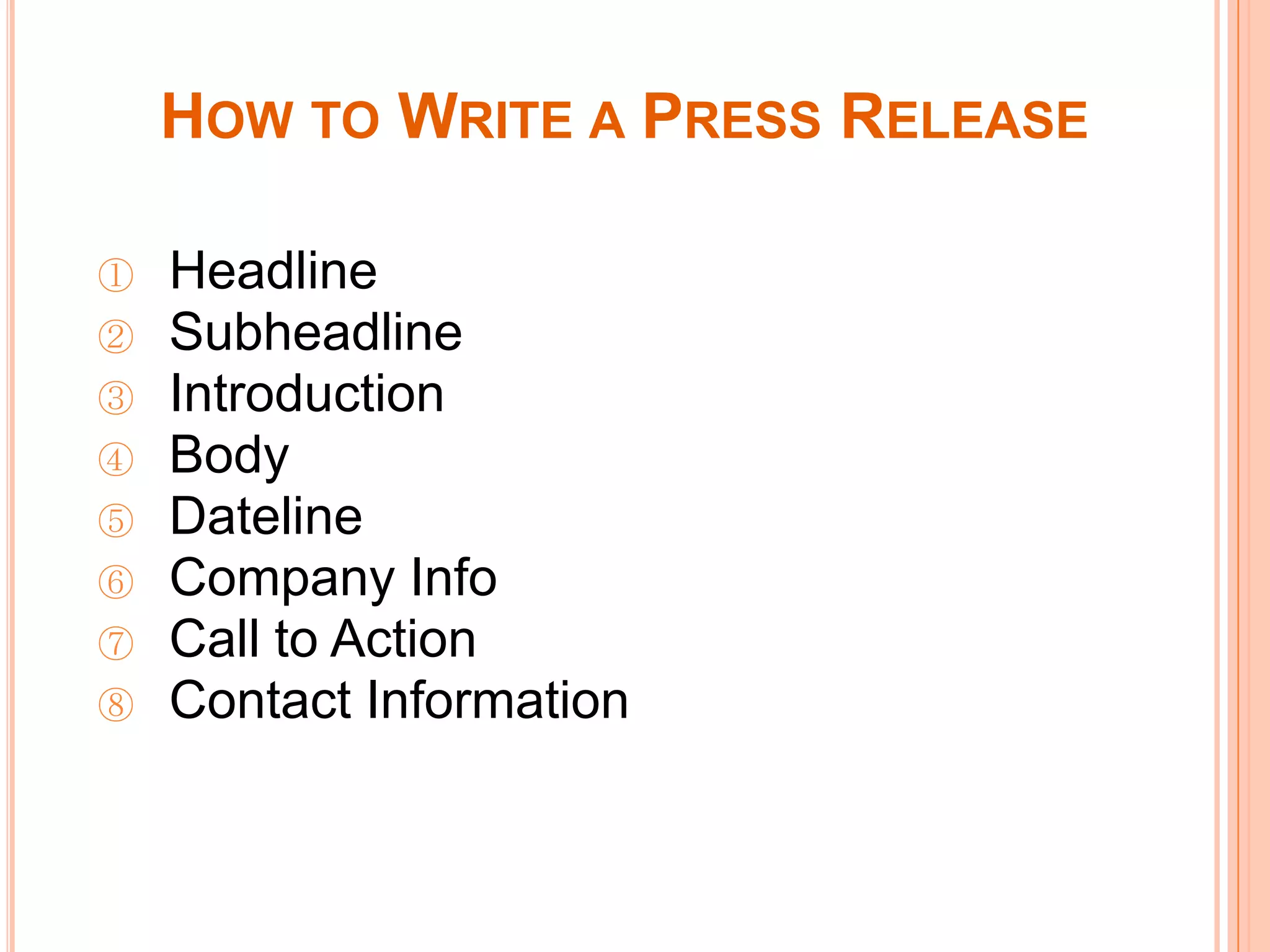
- FOR IMMEDIATE RELEASE: Always place this in the top left corner.
- Contact Information: Include the name, email address, and phone number of the primary media contact.
- Headline: This must be punchy and informative. It should convey the core conflict or value of the book.
- Dateline: Include the city, state, and date of issuance.
- The Lead Paragraph: This summarizes the most important information. If the reader stops here, they should know exactly what the book is and why it was written.
- The Body: Expand on the themes, the author's credentials, and the significance of the publication.
- Boilerplate: A brief "About the Author" or "About the Publisher" section at the end.
- ### or -30-: These symbols signify the end of the press release.
Drafting the Content: Step-by-Step
Writing for the media requires a shift in perspective. You are not writing marketing copy filled with adjectives; you are writing a news report.
- Crafting the Hook: Your headline is your only chance to stop a scroll. Instead of "New Book Released," try something specific to the content, such as: "Historical Researcher Uncovers Lost Diaries of 19th Century Trade Route."
- The Lead (The 5 Ws): Within the first two sentences, address who wrote the book, what the title is, when it hits the market, where it can be purchased, and why it is a significant contribution to its genre.
- The Narrative Arc: Use the body paragraphs to explain the motivation behind the book. If it is non-fiction, what problem does it solve? If it is fiction, what unique perspective or cultural conversation does it advance?
- Quotes: Include one compelling quote from the author that adds personality or context. This gives the journalist pre-packaged material they can drop into an article.
- Availability: Clearly state the publication date, ISBN, price, and primary distribution channels.
Strategic Differences by Genre
The angle of your press release must align with your book’s genre. A cookbook requires a different narrative focus than a political thriller.
| Genre Category | Primary Focus | Media Target |
|---|---|---|
| Non-Fiction | Problem/Solution or Data | Industry trade journals, podcasts |
| Memoir | Unique human interest story | Lifestyle blogs, local newspapers |
| Fiction/Novel | Plot hook and genre appeal | Literary reviewers, book influencers |
| Academic | Research contribution | Scholarly journals, university news |
Distribution and Best Practices
Once your press release is polished, the distribution phase begins. Do not blast your release to every contact in a massive database. Targeted pitching yields significantly higher conversion rates.
- Personalization: Address the recipient by name. Research their recent work to ensure your book aligns with their interests.
- Multimedia Integration: While the document should be text-based, provide a link to a digital media kit. This kit should contain a high-resolution cover image, an author headshot, and a sample chapter in PDF format.
- Timing: For most books, the release should go out 2–4 weeks before the official publication date. This allows time for reviewers to read the book and prepare their own coverage.
- Follow-up: It is acceptable to follow up once via email about a week after the initial pitch. If you do not hear back, move on to the next prospect.
Common Mistakes to Avoid
- Overloading with Adjectives: Avoid words like "breathtaking," "masterpiece," or "unmissable." These are subjective and undermine your credibility. Let the facts and testimonials speak for themselves.
- Formatting Errors: Sending a press release as a Word document or a file that requires special permissions to open is a major friction point. Send it as plain text in the body of an email or as a standard PDF attachment.
- Ignoring Local Ties: If you are a local author, lead with that. Local media is often much more receptive to covering stories about people in their community than national outlets are to unknown authors.
- Lack of Clear Call to Action: Always make it easy to find how to get a review copy. Do not make the journalist search your website for a contact form.
Frequently Asked Questions
Does a press release guarantee media coverage? No. A press release is simply a professional tool to request coverage. The quality of your book, the timeliness of the topic, and the relevance to the target outlet's audience will determine if your story is picked up.
Should I use a paid wire service? For most independent authors, paid wire services offer limited value. These services push your release to databases, but they rarely generate high-quality editorial coverage. Investing your time in identifying 20–30 highly relevant journalists is usually more effective.
Is it okay to include book reviews in the release? Yes, but only if they are from reputable sources. Including a "blurb" from a recognized expert or a positive early review from a trade publication can significantly increase the credibility of your pitch.
What is the ideal length of a press release? A press release should never exceed one page. If you have more information, put it in your media kit or on your book's landing page. Brevity is a sign of respect for the editor's time.
How do I handle the "Why" in my press release? The "Why" is the news hook. If your book is a mystery set in a changing city, the "why" is the urban development that frames your narrative. Connect the book to a broader, current conversation to make it feel urgent.
Final Recommendation
Start by drafting your press release as a simple news summary. Once you have the facts, refine the headline until it sounds like something you would see on a news site. Create your media kit on a dedicated page on your website, ensuring that cover images and author bios are easily accessible. When you are ready to send, reach out to specific journalists who have recently covered books similar to yours. Keep your pitch brief, professional, and focused on why their specific audience would find your book valuable.
Image Gallery