Graham Elwood: The Podcast Pioneer and the Evolution of Independent Media
Graham Elwood is a professional comedian, filmmaker, and podcaster widely recognized as a pioneer in the independent podcasting movement. He was among the early wave of performers who utilized the medium to build a direct, sustainable...
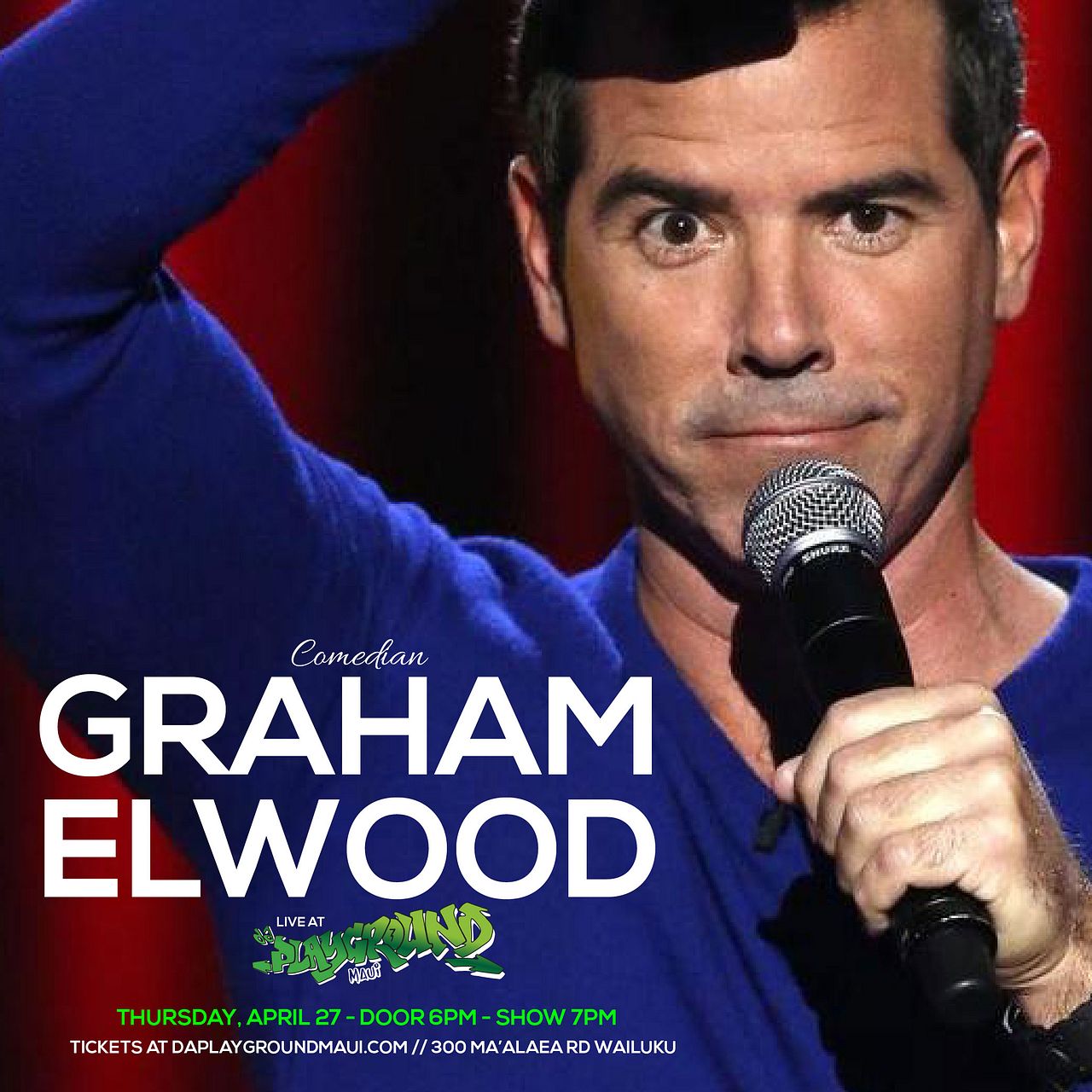
Graham Elwood is a professional comedian, filmmaker, and podcaster widely recognized as a pioneer in the independent podcasting movement. He was among the early wave of performers who utilized the medium to build a direct, sustainable relationship with their audience, famously fostering a robust community of listener-supporters and demonstrating the viability of independent production long before the industry became dominated by large media conglomerates.
Contents
The Foundations of Independent Podcasting
The emergence of podcasting in the mid-2000s offered a unique, albeit unproven, frontier for content creators. While traditional media relied on gatekeepers to distribute content, podcasting allowed for direct delivery via RSS (Really Simple Syndication). Graham Elwood recognized this shift early, viewing the medium not merely as a promotional tool for his stand-up comedy, but as a long-form canvas for intellectual exploration, candid conversation, and audience interaction.
Unlike many of his peers who transitioned from terrestrial radio to podcasting, Elwood approached the medium from the ground up as a digital-first performer. His early experiments focused on bridging the gap between his live comedy career and the nascent digital audio landscape. By treating the podcast as a primary destination rather than a secondary outlet, he helped establish the blueprint for "niche casting"—the idea that a creator could thrive by serving a dedicated, specific audience rather than seeking mass-market approval.
Impact on Audience Engagement and Monetization
Elwood’s contribution to the medium extends beyond content creation into the mechanics of audience sustainability. Long before subscription platforms and massive ad networks became the standard, Elwood cultivated a model centered on direct listener support. By leveraging his background as a touring stand-up, he mastered the art of community management, treating listeners as active participants in the program’s success.
This strategy was instrumental in proving that a medium-sized, highly engaged audience is often more valuable than a massive, passive one. His approach emphasized:
- Transparency: Providing an unvarnished look at the realities of being an independent creator.
- Accessibility: Removing paywalls for the core product while offering value-added tiers for community members.
- Consistency: Maintaining a reliable production schedule that fostered habituation among his listener base.
Bridging the Gap: Comedy and Documentary
The work of Graham Elwood is often categorized by his transition from pure comedy to a blend of investigative storytelling and social commentary. This evolution is perhaps best reflected in his documentary work, such as Ear Buds: The Podcasting Documentary (2016). This film serves as a critical document of the early "Golden Age" of podcasting, capturing the spirit, challenges, and successes of creators who built the industry from their living rooms.
By documenting the experiences of other podcasters, Elwood helped institutionalize the history of the medium. The film remains a primary source for understanding how early independent creators navigated the transition from hobbyist experimentation to professional career paths. It highlights the struggles with server costs, technical setups, and the constant battle for discoverability in an increasingly crowded feed.
Comparative Landscape of Podcast Evolution
To understand Elwood’s role as a pioneer, it is useful to view the industry through a historical lens. The shift from decentralized amateur efforts to the corporate-backed models of 2026 was largely shaped by the pioneers who proved the economics were worth pursuing.
| Era | Focus | Primary Revenue Model | Creator Autonomy |
|---|---|---|---|
| Pioneer (2005–2012) | Discovery, Community | Direct Support / DIY | Total |
| Growth (2013–2019) | Expansion, Branding | Early Sponsorships | Mixed |
| Institutional (2020–2026) | Data, Consolidation | Ads, Network Exclusive | Limited |
As the table above suggests, the "Pioneer" era was defined by high autonomy but significant financial instability. Elwood’s persistence in this space helped bridge the gap, proving that independent creators could maintain their voice while finding sustainable ways to fund their projects.
Technical Execution and Production Standards
While the content remained the priority, the technical requirements for early podcasters were significant barriers to entry. Elwood’s career trajectory mirrors the technological advancement of the medium. In the early days, high-quality audio recording required dedicated hardware, specialized software, and physical storage.
For modern creators, the hurdles are lower, but the requirement for professional production standards is higher. Elwood’s approach has consistently emphasized the importance of high-fidelity audio as a prerequisite for listener retention. His methodologies included:
- Hardware Selection: Investing in dynamic microphones that minimized room interference, essential for creators recording in non-studio environments.
- Workflow Optimization: Developing efficient post-production processes to maintain a high frequency of output without compromising quality.
- Distribution Strategy: Understanding the importance of RSS compliance and ensuring presence across all major aggregators to maximize reach.
Common Challenges for Independent Creators
For those looking to follow in the footsteps of pioneers like Elwood, the path remains challenging. Many aspiring creators fall into the trap of prioritizing rapid audience growth over long-term community building.
- The Discoverability Paradox: In 2026, there are millions of active podcasts. Relying on "organic growth" via platform algorithms is rarely sufficient. Pioneers often succeed by building external "siloed" communities on social platforms, Discord servers, or private mailing lists.
- Burnout: Sustaining a weekly show for over a decade is a significant cognitive load. The most successful podcasters, including Elwood, have historically managed this by diversifying their content—mixing solo episodes, interviews, and live event recordings to maintain creative momentum.
- Monetization Complexity: While direct support remains the most reliable path, it requires constant maintenance and value-delivery to patrons. Creators must be willing to engage in the business side of their production as much as the creative side.
Frequently Asked Questions
What differentiates Graham Elwood from modern mainstream podcasters?
Elwood is a "pure" independent. Unlike hosts who are brought in by established media networks to host corporate-funded shows, Elwood retains full creative control over his output, which is supported directly by his audience rather than third-party advertisers.
Why is Ear Buds considered a definitive work on podcasting?
The film captures the grassroots origin of the medium at a time when the industry was transitioning from an obscure hobby to a viable career. It features interviews with creators who defined the early sound and culture of podcasting before it became a commercialized commodity.
How did Graham Elwood navigate the transition to paid subscription models?
He utilized a mix of tiered support systems. By offering exclusive content and direct access, he converted casual listeners into "patrons," providing a consistent monthly revenue stream that buffered his production against the volatility of the traditional advertising market.
Can an independent creator still succeed in 2026?
Yes, but the definition of success has evolved. While achieving "top 10" status is nearly impossible without corporate backing, building a sustainable, profitable, and creative career via a niche audience remains a viable path for those who treat their podcast as a business.
What are the essential technical requirements for a professional-grade podcast?
A professional setup requires a high-quality XLR microphone, an audio interface for signal conversion, and a quiet, acoustically treated space. Beyond hardware, consistency in editing and audio leveling is what separates amateur attempts from high-quality professional podcasts.
Next Steps for Aspiring Creators
If you are inspired by the legacy of podcast pioneers, the most effective next step is to audit your own commitment to the medium. Start by defining your niche—not what you think people want to hear, but what you can talk about with authority and passion for five consecutive years.
Once the topic is set, prioritize the quality of your audio chain and your distribution mechanism. Secure your RSS feed, establish a community hub outside of social media, and focus on one listener at a time. The path laid by individuals like Graham Elwood demonstrates that the most enduring podcasts are built on the foundation of authentic, long-term relationships with an audience, not by chasing trends or relying on external promotion.
Image Gallery