How to Convert a Prudential Term Life Insurance Policy
Converting a Prudential term life insurance policy allows you to transition your existing coverage into a permanent life insurance policy, such as universal or whole life, without undergoing a new medical exam. This process relies on t...
Converting a Prudential term life insurance policy allows you to transition your existing coverage into a permanent life insurance policy, such as universal or whole life, without undergoing a new medical exam. This process relies on the conversion privilege clause within your original policy contract, enabling you to maintain protection while building potential cash value.
Contents
Understanding the Conversion Privilege
Most term life insurance policies issued by Prudential contain a contractual feature known as the "conversion privilege." This provision is designed to provide policyholders with flexibility. It acknowledges that your financial needs may evolve over time—shifting from a need for simple, low-cost death benefit protection to a desire for long-term estate planning or cash value accumulation.
The most significant advantage of exercising this conversion is the bypass of the medical underwriting process. When you apply for a new life insurance policy, you typically must prove your insurability through a medical exam, blood tests, and an extensive review of your health history. By utilizing the conversion privilege, you convert your existing term coverage into a permanent policy based on the health status you held when you originally purchased your term policy, or under specific criteria dictated by your current contract.
Eligibility Requirements and Deadlines
Before initiating the conversion, you must verify that your policy is still eligible. The conversion privilege is not an indefinite right; it is bound by specific constraints defined in your policy documents.
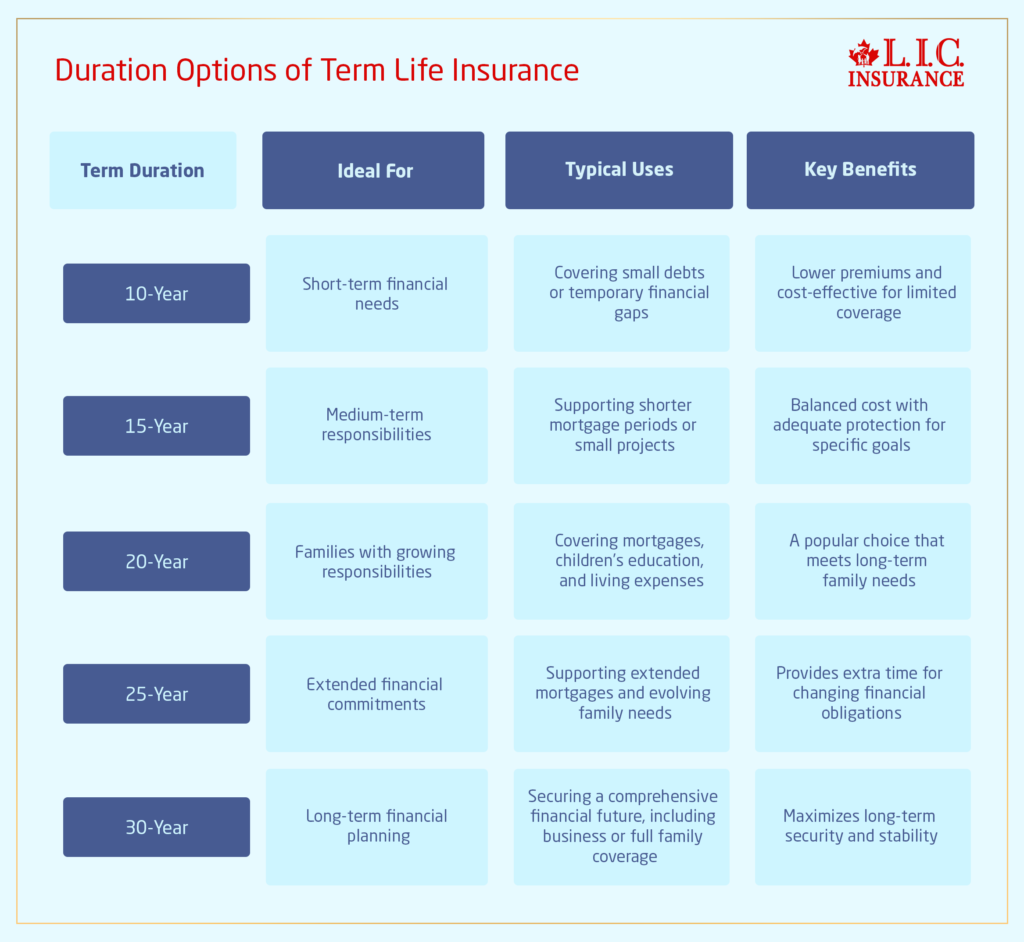
- The Conversion Period: Most term policies have a limited window during which you can convert. This is often tied to the duration of your term (e.g., if you have a 20-year term, you might only be able to convert within the first 10 or 15 years, or before a certain age like 65 or 70).
- Policy Status: Your current term policy must be active and in good standing. If the policy has lapsed due to non-payment of premiums, you generally cannot exercise the conversion privilege.
- Available Products: Prudential typically offers a specific subset of their permanent life insurance portfolio for conversions. You cannot simply choose any policy they sell; you must select from the options currently approved for conversion within your policy’s administrative rules.
Steps to Initiate the Conversion
If you have confirmed that your policy is eligible, follow these steps to manage the transition effectively:
- Review Your Policy Documents: Locate your original policy contract. Look specifically for the section labeled "Conversion Privilege" or "Right to Convert." This section will outline the exact timeframes, age limits, and eligible product types.
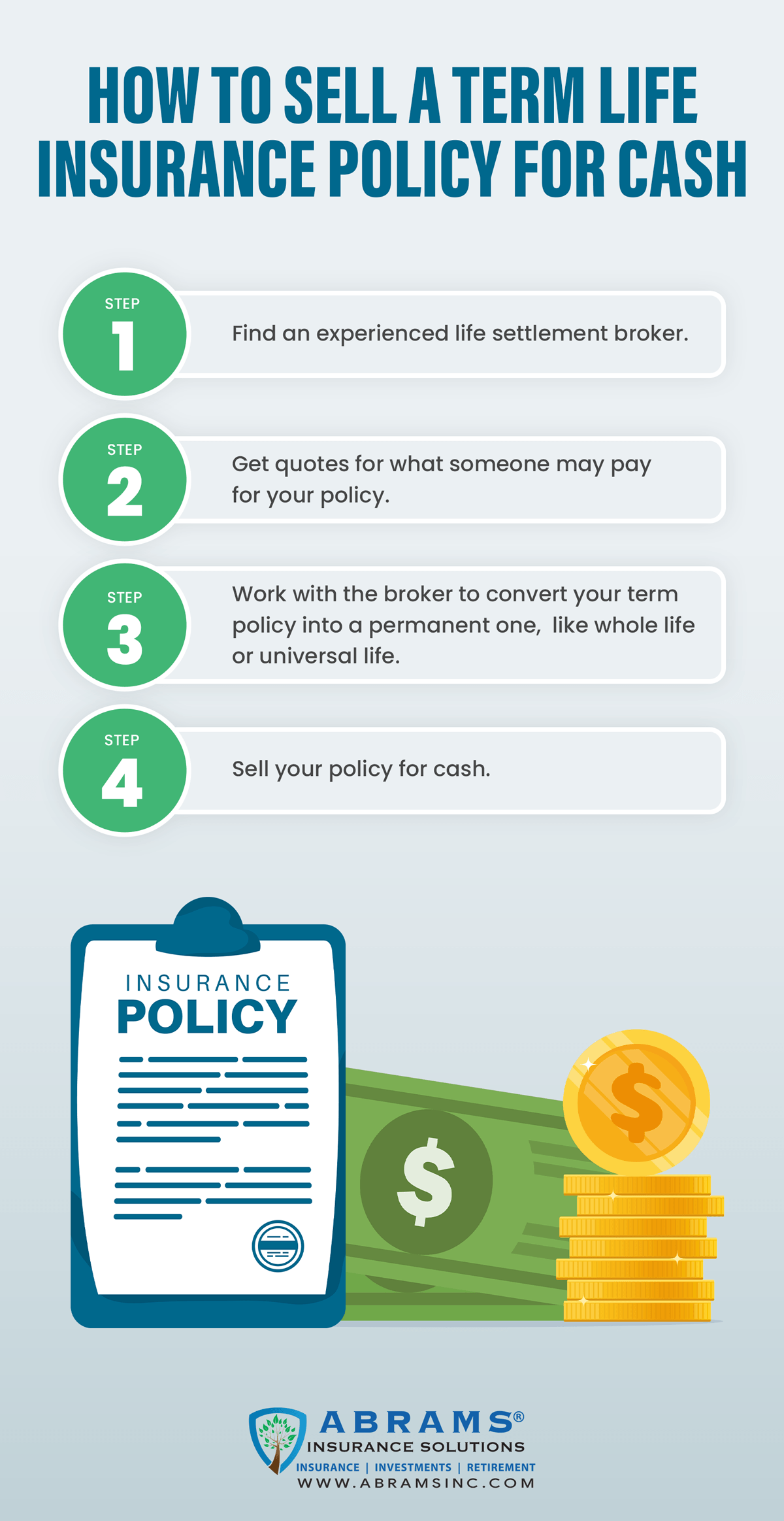
- Contact a Licensed Representative: While you can contact Prudential’s customer service department directly, working with the financial professional who manages your account or a licensed insurance agent can be beneficial. They can run illustrations showing how your new premiums will be calculated.
- Request an Illustration: Ask for an "in-force illustration" for the conversion. This document will show you exactly what your new permanent premiums will be, how the cash value is projected to grow, and how the death benefit will be structured.
- Submit the Request: Once you have selected your new policy and reviewed the figures, you will need to complete the official conversion application forms provided by Prudential. These forms formally surrender the term coverage in exchange for the issuance of the new permanent policy.
Financial Considerations
Converting your policy is not merely an administrative change; it is a financial recalculation. Because permanent insurance provides coverage for your entire life and offers cash value growth, the premiums are significantly higher than those of a term policy.
- Premium Increases: Be prepared for a substantial jump in your premium payments. Permanent insurance covers you for life, which removes the "risk" for the insurer that you might outlive the policy.
- Cost Basis: In some instances, your new premium may be "re-aged" based on your original age when you bought the term policy, or it may be set at your attained age (your current age in 2026). You should ask your representative to clarify which method your specific contract uses.
- Loss of Term Benefits: Once the conversion is finalized, your term policy ceases to exist. Ensure that the new policy’s death benefit and terms meet your long-term objectives before signing the transfer documents.
Comparison of Coverage Options
The following table outlines the fundamental differences between staying with your term policy versus converting to a permanent plan.
| Feature | Term Life Insurance | Permanent Life Insurance |
|---|---|---|
| Duration | Fixed period (e.g., 10, 20, 30 years) | Lifelong coverage |
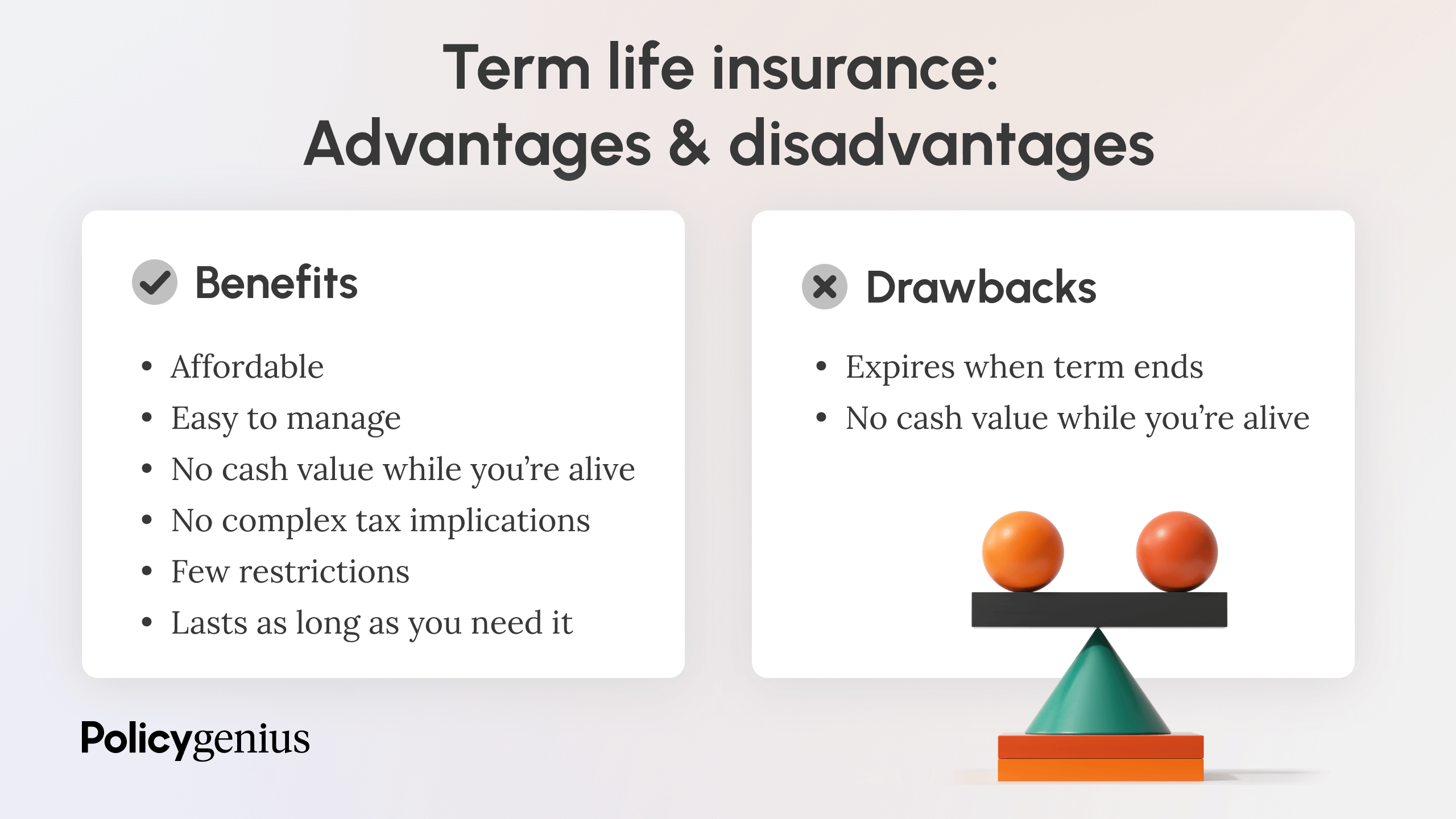
| Cash Value | None | Potential to accumulate cash value |
| Premiums | Lower, level payments | Higher, often level payments |
| Medical Exam | Required at initial purchase | Usually waived for conversion |
| End of Term | Coverage terminates | Remains active (with paid premiums) |
Common Mistakes to Avoid
- Waiting Until the Last Minute: If your conversion privilege expires at age 65, do not wait until your 64th year to begin the process. Administrative delays or issues with documentation could cause you to miss the deadline, effectively forfeiting your right to convert without a new medical exam.
- Failing to Review the Illustration: Never sign the conversion paperwork without seeing a formal illustration. Understand the difference between a "guaranteed" premium and a "non-guaranteed" premium, especially regarding universal life products.
- Ignoring Tax Implications: While death benefits are generally income-tax-free, specific withdrawals or loans against the cash value of a permanent policy can have tax consequences. Discuss the tax treatment of the new policy with a qualified tax professional.
Frequently Asked Questions
Can I convert only part of my term policy? Yes, partial conversions are often permitted. If you have a $500,000 term policy, you may be able to convert $250,000 into a permanent policy while keeping the remaining $250,000 as term insurance. Check your contract for "partial conversion" eligibility.
Will my health status affect the conversion premiums? Generally, no. The primary benefit of the conversion privilege is that you are not medically underwritten for the new policy. You are usually moved into a premium class based on the original underwriting or a standardized rate set by the company, regardless of whether your health has declined since you purchased the term policy.
What happens if I cannot afford the new permanent premiums? If the permanent premiums are too high, look into lower-cost permanent options like "term-to-universal life" conversions, which may offer more flexible payment structures. If you truly cannot afford the premium, you may choose to keep your term policy until it expires, but you will lose the opportunity to gain permanent protection without medical evidence.
Can I convert a term policy that was already renewed? This depends on your specific policy language. Some policies allow conversion during the "renewal" period (the time after the initial term expires but while the policy remains active at a much higher annual rate), while others restrict conversion to the initial term period.
Next Steps for Policyholders
If you are considering this transition, your first action should be to request your policy’s "Conversion Disclosure Statement." This document provides a clear, official summary of your rights and the specific permanent products available to you. Once you have this, compare the costs against your current budget and long-term financial goals. If you decide to proceed, submit your request to the Prudential administrative office well before your deadline to ensure a smooth transition of your coverage.
Disclaimer: This article is for informational purposes only and does not constitute financial, legal, or tax advice. Life insurance contracts are subject to specific terms, conditions, and jurisdictional regulations. Always consult with your insurance carrier or a licensed financial professional regarding your specific policy.
Image Gallery