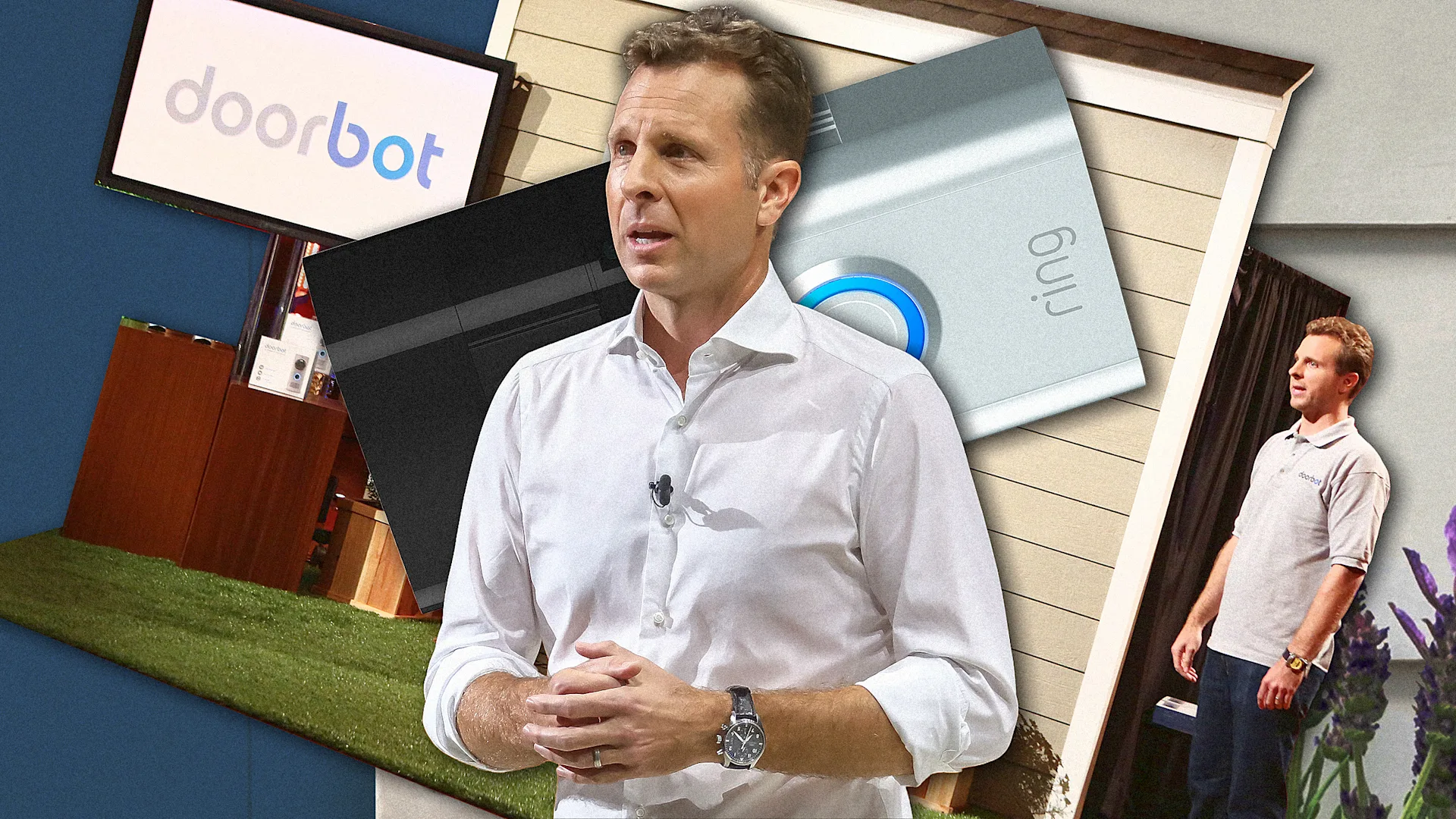
Jamie Siminoff Family in Home Design: Intersection of Innovation, Architecture, and Domestic Life
Jamie Siminoff, widely recognized as the entrepreneurial force behind Ring and subsequent ventures like Latch, represents a fascinating intersection of modern home design, home security technology, and family-oriented domestic planning...
Jamie Siminoff, widely recognized as the entrepreneurial force behind Ring and subsequent ventures like Latch, represents a fascinating intersection of modern home design, home security technology, and family-oriented domestic planning. While Siminoff is primarily celebrated in the business and tech sectors for inventing the Wi-Fi video doorbell and revolutionizing residential security, his personal life, family dynamics, and approach to residential spaces offer a distinct lens into how contemporary households conceptualize safety, aesthetics, and functionality. Examining the relationship between Jamie Siminoff, his family, and home design reveals how the demands of modern parenting, high-profile entrepreneurship, and physical architecture merge to shape livable, secure environments.
Contents
The Intersection of Smart Technology and Residential Architecture
Modern home design has evolved far beyond traditional aesthetics, floor plans, and material selections. Today, the integration of technology dictates how architects and interior designers approach contemporary living spaces. As a pioneer in smart home ecosystems, Jamie Siminoff’s professional innovations have directly influenced how residential architecture accommodates connectivity, surveillance, and automated convenience.
When designing or modifying living spaces for a modern family, safety and visibility are paramount. The traditional concept of the front porch—once merely a transitional threshold between the public street and private interior—has been completely transformed by connected hardware. Siminoff’s development of the video doorbell changed sightlines, entry sequencing, and how families interact with visitors before even opening the front door. In architectural terms, this shifts the perimeter of the home outward, turning digital interfaces into structural components of domestic defense and convenience.
Furthermore, modern home design must balance open-concept living with the need for privacy and digital management. Families require spaces that facilitate communal gathering while also accommodating remote work, personal sanctuary, and technological infrastructure. Siminoff’s background provides a practical perspective on how hardware, wiring, and network access must be anticipated during the blueprint phase rather than treated as retrofitted additions.
Family Life, Privacy, and the Suburban-to-Urban Design Shift
Understanding Jamie Siminoff’s approach to domestic spaces requires examining the needs of his own family. As a prominent entrepreneur who has operated out of both traditional residential setups and high-profile properties, Siminoff’s lifestyle underscores the delicate balance between public visibility and private domestic refuge.
Family-centric home design typically prioritizes several core functional zones:
- Secure Perimeters: Integrating automated gates, smart locks, and surveillance cameras seamlessly into landscaping and exterior architecture without making the property resemble a fortress.
- Multi-Functional Family Hubs: Kitchens and great rooms designed for high-traffic daily use, accommodating children, pets, and informal entertaining.
- Acoustic and Digital Zoning: Separating high-noise entertainment zones from quiet study or work-from-home areas, ensuring that smart devices and connectivity do not disrupt domestic tranquility.
- Outdoor Living Integration: Blending interior spaces with secure backyards, pools, and play areas to maximize usable square footage while maintaining child safety oversight.
The evolution of these spaces reflects a broader cultural shift. Families no longer view home security as an intrusive mechanical afterthought; instead, they demand that safety infrastructure harmonize with high-end interior design, sustainable building materials, and minimalist architectural lines.
Architectural Choices: Form Follows Function in Connected Homes
Integrating high-tech hardware into luxury or mid-century modern residential design presents unique aesthetic challenges. Exposed wiring, bulky plastic sensors, and poorly placed control panels can disrupt the carefully curated vision of an interior designer or architect.
Siminoff’s philosophy, born from the invention of products designed to blend into everyday environments, mirrors modern architectural sensibilities where form and function intersect. When outfitting a family home, choices regarding materials and finishes directly impact the reliability of smart infrastructure:
| Design Element | Traditional Approach | Modern Connected Approach | Impact on Family Life |
|---|---|---|---|
| Entryways | Deadbolts, peepholes, physical doorbells | Integrated smart locks, video intercoms, facial recognition | Enhanced remote access for children and service providers |
| Perimeter Security | High brick walls, basic motion floodlights | Discreet multi-angle cameras, automated lighting zones | Balanced deterrence with neighborhood-friendly aesthetics |
| Interior Control | Standalone switches, physical thermostats | Centralized touchscreens, smartphone automation apps | Simplified environmental management for busy households |
| Acoustic Design | Standard drywall, hollow-core doors | Sound-dampened partitions, strategic smart speaker placement | Minimized conflict between simultaneous work and play |
By analyzing these design tiers, homeowners can structure their properties to withstand the rigors of family life while leveraging technological advancements.
The Economic and Practical Realities of Designing for Entrepreneurs
Designing a home for a high-profile technology founder or busy executive involves distinct logistical considerations. Security is not merely a matter of comfort; it is a fundamental requirement. However, achieving enterprise-grade security within a residential setting without sacrificing warmth and familial comfort requires careful planning.
Families navigating similar design challenges must evaluate the total cost of ownership for comprehensive home automation and security suites. This includes initial hardware installation, structural modifications for concealed cabling, robust Wi-Fi mesh network infrastructure to eliminate dead zones, and ongoing software subscriptions or maintenance.
Moreover, sustainable home design has taken center stage. Modern family homes must integrate energy-efficient climate control with automated security systems, ensuring that power draws from constant surveillance and smart monitoring do not inflate household utility costs.
Common Misconceptions Regarding Smart Homes and Family Architecture
A frequent error in modern home design is the over-complication of domestic technology. Homeowners often install disparate smart devices—such as standalone cameras, disconnected thermostats, and incompatible locks—that fail to communicate smoothly, creating friction in daily family routines.
Another misconception is that high security requires sacrificing interior aesthetics. Modern architectural hardware manufacturers now offer finishes ranging from brushed bronze to matte black, ensuring that security integration complements bespoke millwork, custom cabinetry, and artisanal lighting fixtures. Siminoff’s contributions to the product design space highlighted the necessity of user-friendly consumer electronics, a principle that applies equally to architectural hardware selection.
Frequently Asked Questions
How does smart home technology influence modern family floor plans?
Smart home technology shifts architectural focus toward integrated entry points, centralized utility closets for networking hardware, and multi-zone acoustic privacy. Floor plans now routinely feature dedicated drop zones near entryways for charging devices and managing home automation hubs.
What are the primary security considerations when designing a home for a family?
Key considerations include eliminating blind spots around exterior property lines, ensuring secure yet accessible entry methods for children, and utilizing discreet surveillance that respects neighbor privacy while protecting the household perimeter.
How can homeowners integrate security hardware without ruining interior aesthetics?
Homeowners can select architectural-grade smart devices that match existing door hardware, conceal wiring within walls during construction or remodeling phases, and utilize software-based control panels rather than bulky physical keypads.
What role do network infrastructure and Wi-Fi play in modern home design?
Robust Wi-Fi infrastructure is now as critical to a home’s structural integrity as plumbing or electrical wiring. High-density building materials like concrete and brick can block signals, requiring structured cabling and strategic access point placement throughout the blueprint stage.
Practical Next Actions for Homeowners
For families looking to blend high-tech security, functional architecture, and aesthetic interior design, the process begins long before construction or remodeling commences. Consult with architects who specialize in smart-home integration rather than treating technology as a post-construction add-on. Audit your household's daily traffic patterns, prioritize perimeter visibility at primary entry points, and invest in scalable networking infrastructure that can adapt as domestic needs and consumer technologies evolve.
Image Gallery