Understanding the Hidden Risk of Flesh-Eating Disease from the Ocean
While the vast majority of ocean encounters are safe, the marine environment harbors naturally occurring bacteria that can occasionally cause necrotizing fasciitis—a severe, rapidly progressing infection commonly known as flesh-eating...
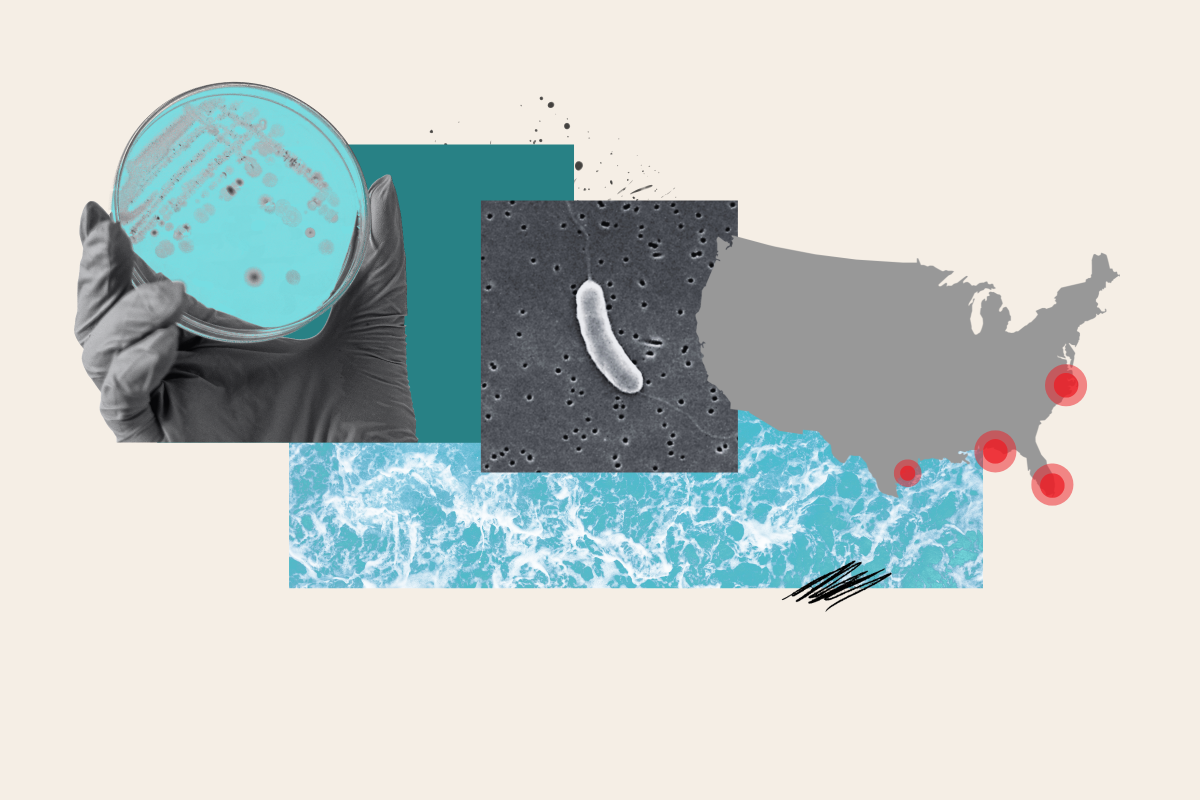
While the vast majority of ocean encounters are safe, the marine environment harbors naturally occurring bacteria that can occasionally cause necrotizing fasciitis—a severe, rapidly progressing infection commonly known as flesh-eating disease. Exposure typically occurs when pathogenic bacteria, most notably Vibrio vulnificus, enter the body through open wounds, leading to aggressive tissue destruction that requires immediate medical intervention.
Contents
The Biological Mechanism of Marine Infections
Necrotizing fasciitis associated with the ocean is not caused by a single organism, but rather by specific bacterial strains that thrive in saltwater and brackish environments. The most notorious of these is Vibrio vulnificus, a Gram-negative, halophilic (salt-loving) bacterium. Unlike many other waterborne pathogens that cause gastrointestinal distress, Vibrio vulnificus is uniquely capable of causing primary wound infections that escalate into life-threatening systemic illness.
When these bacteria encounter a break in the skin—even a minor abrasion or a pre-existing surgical site—they can colonize the subcutaneous tissue. Once inside, they produce enzymes and toxins that destroy the fascia (the connective tissue surrounding muscles) and the skin, causing the surrounding tissues to die. This process is alarmingly rapid, sometimes advancing across the body in a matter of hours. The "hidden" nature of this risk stems from the fact that the ocean appears pristine, yet these bacteria are indigenous to warm coastal waters, meaning they are a natural part of the ecosystem rather than a sign of pollution.
Environmental Conditions and Risk Factors
The prevalence of Vibrio bacteria is heavily dictated by water temperature. These organisms multiply significantly when ocean temperatures rise, which is why infections are historically reported more frequently during summer months or in tropical regions. As of 2026, coastal monitoring remains critical for public health, as the bacteria are most active in waters ranging from 68°F to 95°F (20°C to 35°C).
However, temperature is not the only variable. Salinity levels also influence bacterial growth, with brackish water—where salt and fresh water mix, such as estuaries and salt marshes—often providing an optimal environment. Understanding the following risk factors is essential for anyone spending time near the coast:
- Compromised Immune Systems: Individuals with chronic liver disease, diabetes, cancer, or iron-overload conditions (hemochromatosis) are at a disproportionately higher risk of severe infection.
- Open Wounds: Any break in the skin barrier—including recent piercings, tattoos, or surgical incisions—acts as a direct entry point for pathogens.
- Immune-Suppressing Medications: People undergoing chemotherapy or taking medication for autoimmune disorders may not mount an effective immune response if exposed.
Recognizing Symptoms and Seeking Immediate Help
The speed at which necrotizing fasciitis progresses means that early identification is the single most important factor in survival. Because these infections can mirror minor skin irritations or cellulitis in the early stages, patients often wait too long to seek help.
Look for signs of rapid escalation, which indicate a medical emergency:
- Disproportionate Pain: Pain that feels significantly worse than the appearance of the wound would suggest.
- Rapid Skin Changes: The skin may turn red, purple, or black, or develop large, fluid-filled blisters (bullae).
- Systemic Distress: Fever, chills, dizziness, and low blood pressure (hypotension) are signs that the bacteria have moved from the local tissue into the bloodstream.
If these symptoms appear after ocean exposure, you must inform medical providers immediately that you have been in saltwater. This specific detail is vital, as clinicians may not consider Vibrio infections without this context, and standard antibiotics used for common skin infections may not be effective against these specific marine pathogens.
Comparative Risk Management for Ocean Users
Managing the risk of marine infections involves common-sense barriers and informed decision-making. The following table compares standard marine-related skin risks to provide perspective on when to exercise extreme caution.
| Risk Factor | Common Consequence | Severity Level | Prevention Strategy |
|---|---|---|---|
| Minor Scrape | Surface infection | Low | Clean with soap and fresh water |
| Puncture (Coral/Shell) | Localized infection | Moderate | Ensure tetanus vaccination is current |
| Open Wound in Warm Water | Vibrio infection | Critical | Avoid water; use waterproof bandages |
| Suppressed Immune System | Systemic Vibrio | Fatal Risk | Avoid high-salinity/warm water zones |
Practical Guidance for Safety
To mitigate the risk of infection, follow a proactive safety protocol during and after coastal activities. Prevention is significantly more effective than treatment once a necrotizing infection has taken hold.
- Cover All Wounds: If you have any open skin, including minor cuts or recent medical procedures, cover the area with a completely waterproof bandage before entering the water.
- Proper Post-Exposure Care: If you sustain a cut while in the ocean, leave the water immediately. Wash the area thoroughly with soap and fresh water. Do not assume salt water "cleans" a wound; it is often a host to the very bacteria you are trying to avoid.
- Assess Environmental Warnings: Many coastal jurisdictions provide real-time water quality and safety alerts. Pay attention to warnings regarding high bacterial counts or seasonal spikes in marine pathogens.
- Monitor Vulnerable Individuals: If you are traveling with family members or friends who have compromised immune systems, prioritize their safety by opting for swimming pools or inland water sources where Vibrio is not present.
Managing Medical Complications
If an infection is suspected, medical treatment generally involves a multi-pronged approach. Because the bacteria can be resistant to standard treatments, physicians often use combination antibiotic therapy. Furthermore, surgery is frequently required to remove the dead or dying tissue (debridement) to prevent the infection from spreading further. In severe cases, the damage to tissue may be so extensive that amputation or multiple reconstructive surgeries are necessary.
While the "flesh-eating" label is terrifying, it is important to remember that these cases remain statistically rare, even among those who swim in warm coastal waters regularly. Most people with healthy immune systems will not develop severe illness even if exposed. The danger is concentrated among those whose bodies cannot adequately fight the initial bacterial colonization.
Frequently Asked Questions (FAQ)
Can I get flesh-eating disease from just walking on the beach? The risk of infection from walking on the sand is extremely low unless you have an open wound that comes into direct contact with contaminated water or wet sand. The bacteria thrive in the water column, not necessarily in dry beach sand.
Are there specific geographic areas that are more dangerous? The bacteria are found worldwide in warm coastal waters. Regions with consistently warm temperatures, such as the Gulf Coast of the United States, are frequently cited in literature due to both the water climate and the prevalence of brackish estuaries. However, they can exist in any temperate or tropical marine environment.
Is it safer to swim in deep ocean water versus near the shore? While dilution factors in the deep ocean are higher, Vibrio bacteria are naturally occurring and can be present in any saline environment. The highest risk is associated with near-shore, shallow, or brackish waters where temperatures are typically higher.
Does a tetanus shot protect against this? A tetanus vaccination protects against Clostridium tetani, not Vibrio species. While a current tetanus shot is essential for anyone who sustains an injury in nature, it offers no protection against flesh-eating marine bacteria.
Should I stop swimming in the ocean entirely? For the vast majority of people, the ocean is safe. The key is risk stratification: if you have a compromised immune system or an unhealed wound, you should practice heightened caution or avoid the water until your immune health improves or the wound is fully closed.
Next Actions for Coastal Visitors
If you are planning a trip to a coastal area, check your local health department website for any ongoing water advisories. Before heading to the beach, perform a quick check of your skin for any open wounds or recent injuries. If you find any, use a high-quality waterproof dressing or choose an alternative activity for the day. By acknowledging the presence of these naturally occurring bacteria and taking standard, evidence-based precautions, you can continue to enjoy the ocean while minimizing your personal health risk.
Image Gallery