The Meaning of Midlife Crisis: Understanding the Transition, Signs, and Recovery Paths
The meaning of a midlife crisis refers to a period of psychological distress and deep self-reflection that occurs as individuals transition into the middle years of life, typically between ages 40 and 60. It involves a confrontation wi...
The meaning of a midlife crisis refers to a period of psychological distress and deep self-reflection that occurs as individuals transition into the middle years of life, typically between ages 40 and 60. It involves a confrontation with mortality, a re-evaluation of personal identity, and a desire to rectify perceived failures or unfulfilled dreams.
Contents
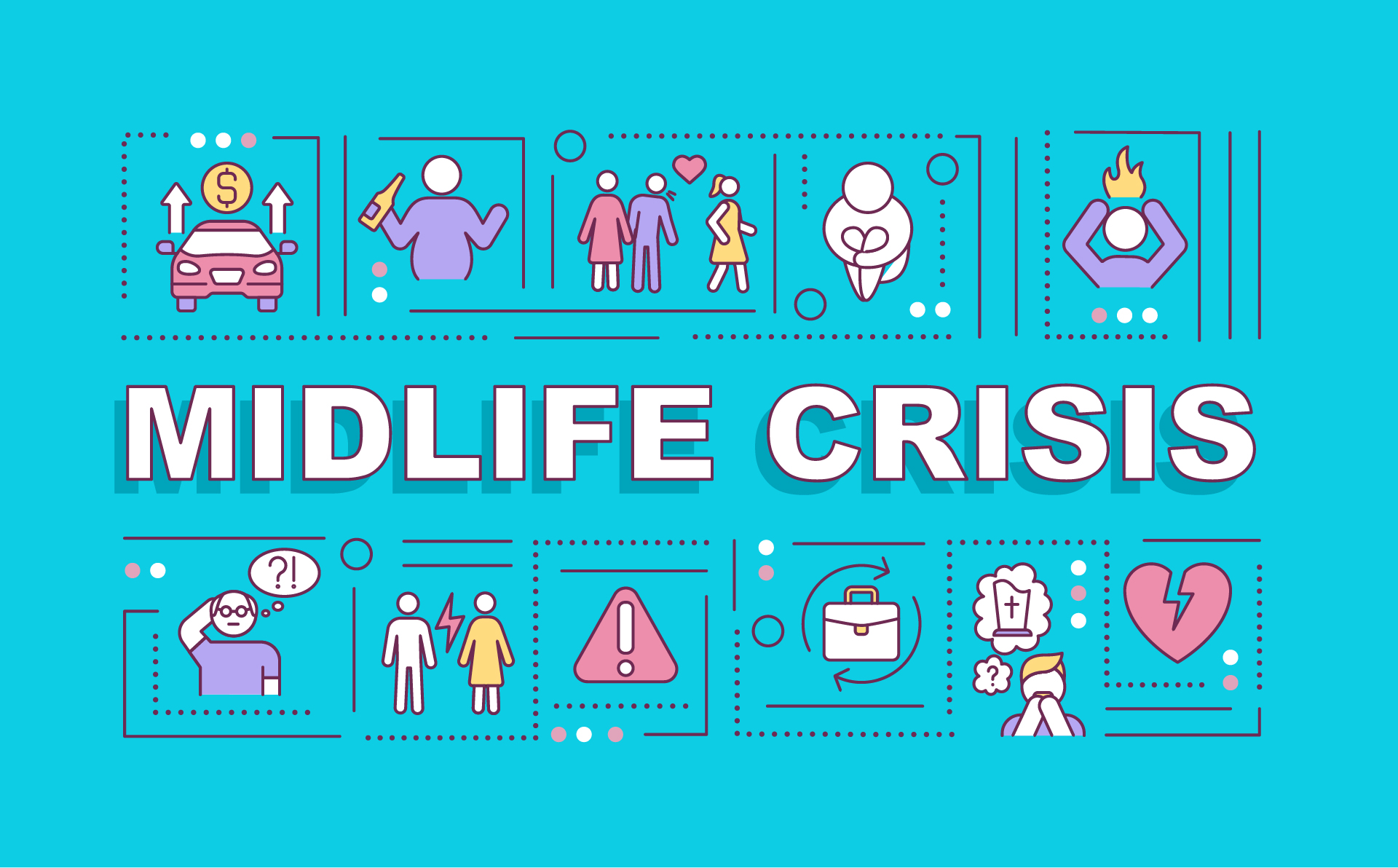
Historically, the concept of the midlife crisis has been caricatured in popular media as a sudden, impulsive purchase of a sports car or an abrupt career abandonment. However, in 2026, psychologists and sociologists recognize it as a complex developmental phase rather than a singular event. It is characterized by a "U-shaped" curve of happiness, where life satisfaction often dips during the middle years before rebounding in later life. This article explores the origins, symptoms, and constructive management strategies for navigating this significant life transition.
The Psychological Origins of the Midlife Terminology
The term "midlife crisis" was first coined in 1965 by Canadian psychoanalyst Elliott Jaques. In his seminal paper, "Death and the Mid-life Crisis," Jaques observed that many individuals in their late 30s and early 40s experienced a sudden awareness of their own mortality. He noted that this realization often led to a shift in creative productivity and a re-examination of one’s legacy.
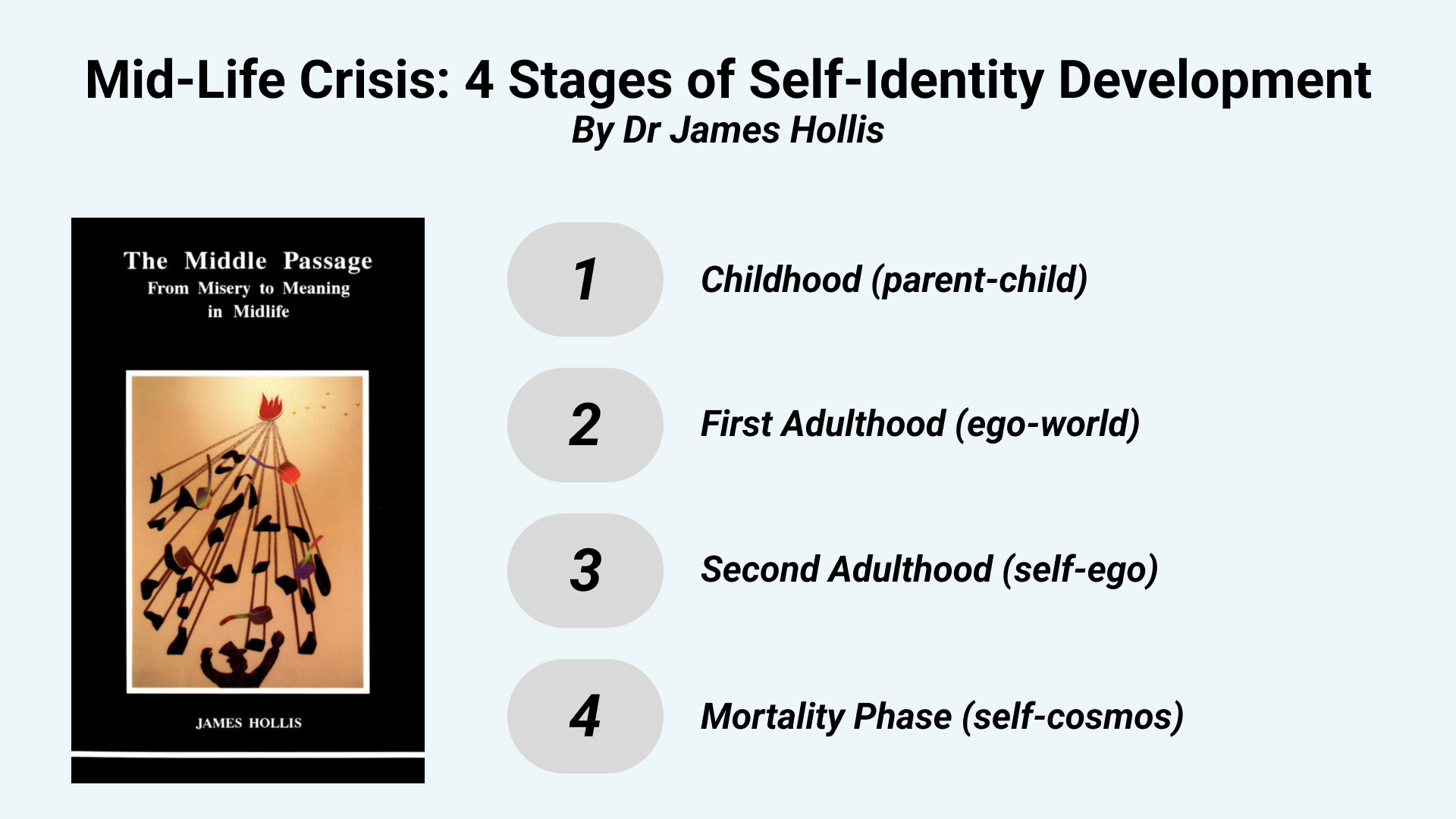
From a developmental standpoint, the midlife crisis aligns with Erik Erikson’s stages of psychosocial development. Erikson identified the middle adulthood stage (ages 40 to 65) as a conflict between Generativity and Stagnation.
- Generativity involves the need to create or nurture things that will outlast the individual, such as raising children, mentoring others, or contributing to society.
- Stagnation occurs when an individual feels they have failed to find a way to contribute, leading to feelings of being disconnected or uninvolved with their community and society as a whole.
The "crisis" occurs when the weight of stagnation becomes unbearable, forcing the individual to seek radical change to restore a sense of meaning.
Recognizing the Signs: Common Symptoms and Manifestations
Identifying a midlife crisis requires distinguishing between temporary stress and a deep-seated identity shift. While symptoms vary by individual, they generally manifest across emotional, behavioral, and cognitive domains.
Emotional Indicators
Individuals may experience a persistent sense of "ennui" or boredom with life roles that were once fulfilling. This often accompanies a heightened sense of nostalgia for youth and a profound grief for "the life not lived." Anxiety regarding physical health and the aging process is also common, leading to a hyper-fixation on mortality.
Behavioral Shifts
Behavioral changes are the most visible markers. These may include impulsive decision-making regarding finances, career, or relationships. Some individuals may withdraw from social circles, while others may seek out new, high-intensity hobbies or social groups to reclaim a sense of vitality. Changes in sleep patterns, appetite, and libido are also frequently reported during this period.
Cognitive Dissonance
A core component of the midlife transition is the gap between one's current reality and their youthful expectations. This cognitive dissonance creates a narrative that "time is running out," which fuels the urgency for drastic change. In 2026, this is often exacerbated by "upward social comparison" on digital platforms, where seeing the curated successes of peers can trigger feelings of inadequacy.
The Biological and Social Catalysts of Midlife
A midlife crisis is rarely triggered by a single factor. Instead, it is usually a "perfect storm" of biological changes and social pressures.
The Impact of Hormonal Changes
While "midlife crisis" is a psychological term, it is often underpinned by physiological shifts. For women, perimenopause and menopause involve significant hormonal fluctuations that can impact mood, cognitive function, and energy levels. For men, a gradual decline in testosterone (sometimes referred to as andropause) can lead to changes in mood, muscle mass, and motivation. These biological shifts can mirror or exacerbate the psychological symptoms of a crisis.
The Sandwich Generation Phenomenon
Middle-aged adults often find themselves in the "Sandwich Generation," simultaneously caring for aging parents and supporting dependent children. The immense financial and emotional burden of these dual responsibilities can lead to burnout. When individuals feel they have no space for their own needs, they may experience a "rebellion" against their responsibilities, which manifests as a crisis.
Career Plateaus and Professional Stagnation
By the age of 45 or 50, many professionals reach the peak of their career trajectory. The realization that there are no further "rungs" to climb, or that the career path chosen decades ago no longer aligns with their values, can be jarring. This often leads to "quiet quitting" or a desire for a radical career pivot.
Distinguishing Between Crisis and Clinical Depression
It is vital to differentiate a midlife crisis from clinical depression or Generalized Anxiety Disorder (GAD). While they share overlapping symptoms, the treatment and trajectory differ.
| Feature | Midlife Crisis | Clinical Depression |
|---|---|---|
| Primary Driver | Search for meaning and identity. | Chemical imbalance or persistent low mood. |
| Focus | Future-oriented (what should I do next?). | Past/Present-oriented (hopelessness). |
| Activity Level | Often involves frantic activity/change. | Often involves lethargy and withdrawal. |
| Duration | Usually transitional (1–3 years). | Can be chronic without intervention. |
| Resolution | Achieved through lifestyle/perspective shifts. | Often requires medication and targeted therapy. |
Note: If feelings of hopelessness include thoughts of self-harm or prevent daily functioning, professional medical intervention is required immediately.
Constructive Management: Turning Crisis into Transition
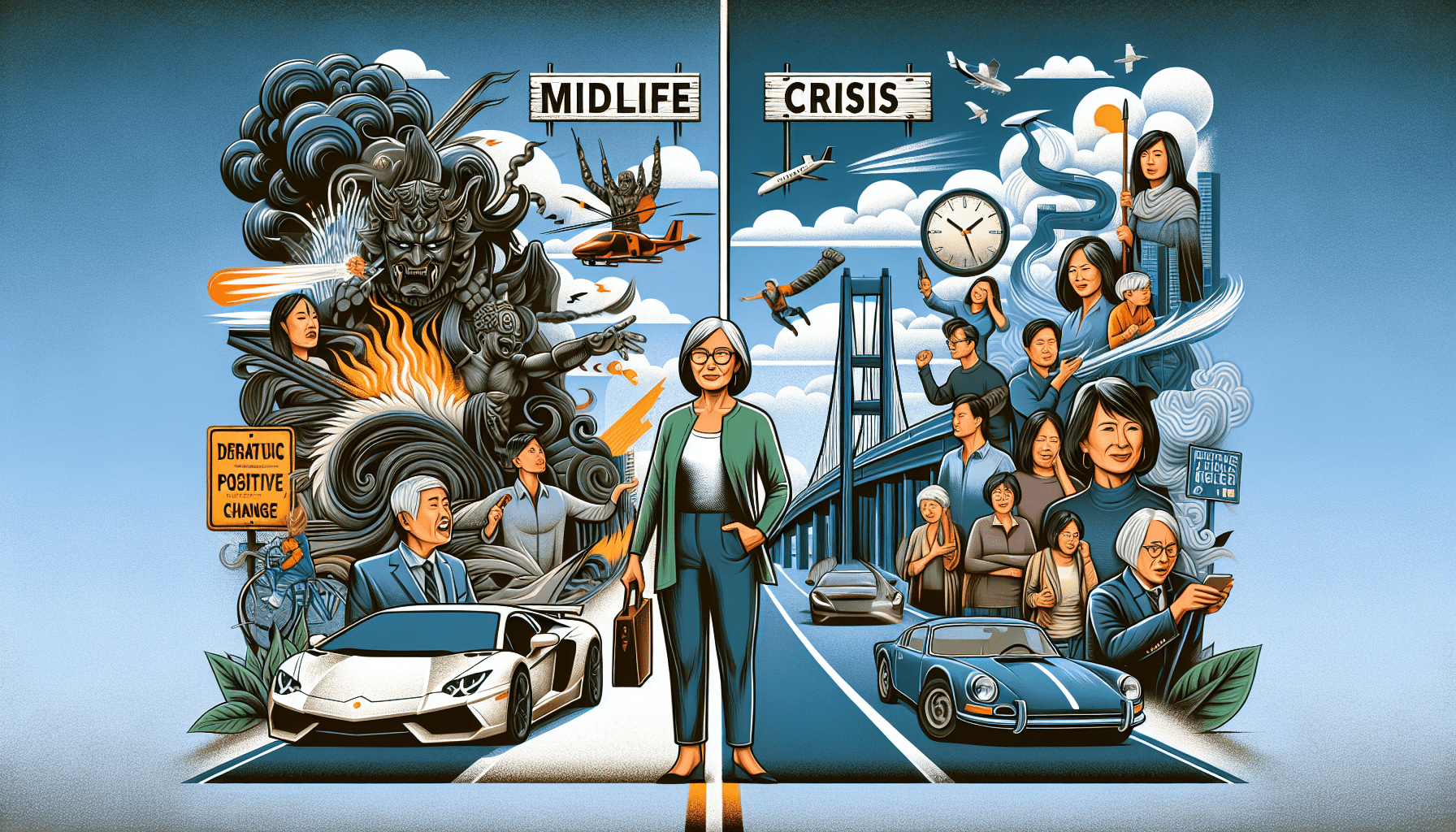
The meaning of a midlife crisis does not have to be negative. Many psychologists now prefer the term "midlife transition," viewing it as an opportunity for growth and "re-potting" oneself into a more suitable environment.
1. Radical Self-Reflection and Inventory
Instead of making impulsive changes, individuals should conduct a "life audit." This involves identifying which areas of life provide genuine satisfaction and which are driven by external expectations. Journaling and structured self-assessment tools can help clarify values.
2. The Power of Micro-Changes
The urge to blow up one’s life is a common feature of a crisis. However, sustainable satisfaction often comes from micro-adjustments. This might include:
- Enrolling in a course to learn a new skill without quitting your job.
- Renegotiating household chores to create personal time.
- Revitalizing existing relationships through new shared experiences.
3. Seeking Professional Guidance
Therapy is an essential tool for navigating the midlife transition. Modalities such as Cognitive Behavioral Therapy (CBT) can help manage anxiety, while Depth Psychology or Jungian analysis can help individuals explore the symbolic meaning behind their unrest. In 2026, specialized "midlife coaching" has also become a popular resource for those seeking tactical career and lifestyle shifts.
4. Physical Wellness as a Foundation
Maintaining physical health is a prerequisite for psychological resilience. Prioritizing strength training, cardiovascular health, and a nutrient-dense diet can mitigate the biological symptoms of aging. Regular exercise also releases endorphins, which act as a natural buffer against the "midlife dip" in happiness.
How to Support a Partner Experiencing a Midlife Crisis
If your spouse or partner is undergoing a midlife transition, your reaction can significantly influence the outcome.
- Practice Non-Judgmental Listening: Allow them to express their feelings of restlessness without immediately offering solutions or expressing fear.
- Encourage Healthy Exploration: If they want to try a new hobby or change their fitness routine, support these healthy outlets.
- Set Firm Boundaries: While you should be supportive, you do not have to accept destructive behavior, such as financial recklessness or infidelity. Clear communication about expectations is essential.
- Avoid Over-Pathologizing: Labeling every mood swing as a "crisis" can make your partner feel defensive. Instead, frame the period as a natural phase of growth.
Frequently Asked Questions
Is a midlife crisis a scientifically proven medical diagnosis?
No, a midlife crisis is not a clinical diagnosis listed in the DSM-5 (Diagnostic and Statistical Manual of Mental Disorders). It is considered a psychological phenomenon and a cultural concept that describes a developmental transition period. While it is not a "disease," the symptoms associated with it—such as anxiety and depression—are clinically recognized and treatable.
At what age does a midlife crisis typically start?
While the range is broad, most research indicates that midlife transitions begin between the ages of 37 and 50. For women, it often coincides with the onset of perimenopause (mid-to-late 40s). For men, it frequently occurs in the late 40s or early 50s, often triggered by career plateaus or the realization of physical decline.
How long does a midlife crisis usually last?
The duration varies significantly based on individual circumstances and the level of support received. On average, the transition lasts between two and five years. Those who engage in active self-reflection and seek professional help often move through the phase more quickly than those who attempt to suppress their feelings or engage in avoidant behaviors.
Can a midlife crisis have a positive outcome?
Yes, many people view their midlife crisis as a "wake-up call" that led to a more authentic and fulfilling life. By addressing the source of their unhappiness, individuals often emerge with stronger relationships, a more meaningful career, and a deeper sense of self-awareness. It can be the catalyst for "Second Act" successes.
Do men and women experience midlife crises differently?
Yes, though there is significant overlap. Men are traditionally more likely to focus on external markers of success, such as career status and physical prowess. Women’s transitions are often tied to shifting family dynamics (such as children leaving home) and the physiological changes of menopause. However, in 2026, as gender roles continue to evolve, these distinctions are becoming less rigid.
Final Recommendations for Navigating Midlife
If you find yourself questioning your life choices and feeling a sense of urgency to change, the most important action is to slow down. Avoid making permanent decisions based on temporary emotional turbulence. Instead, use this period as a laboratory for self-discovery. Seek out mentors who have successfully navigated their middle years, prioritize your physical health, and consider professional counseling to help decode the underlying messages of your unrest. By treating the midlife crisis as a transition rather than a catastrophe, you can harness its energy to build a more purposeful future.
Image Gallery