Who Voiced Each Ninja Turtle? A Complete History of TMNT Voice Actors
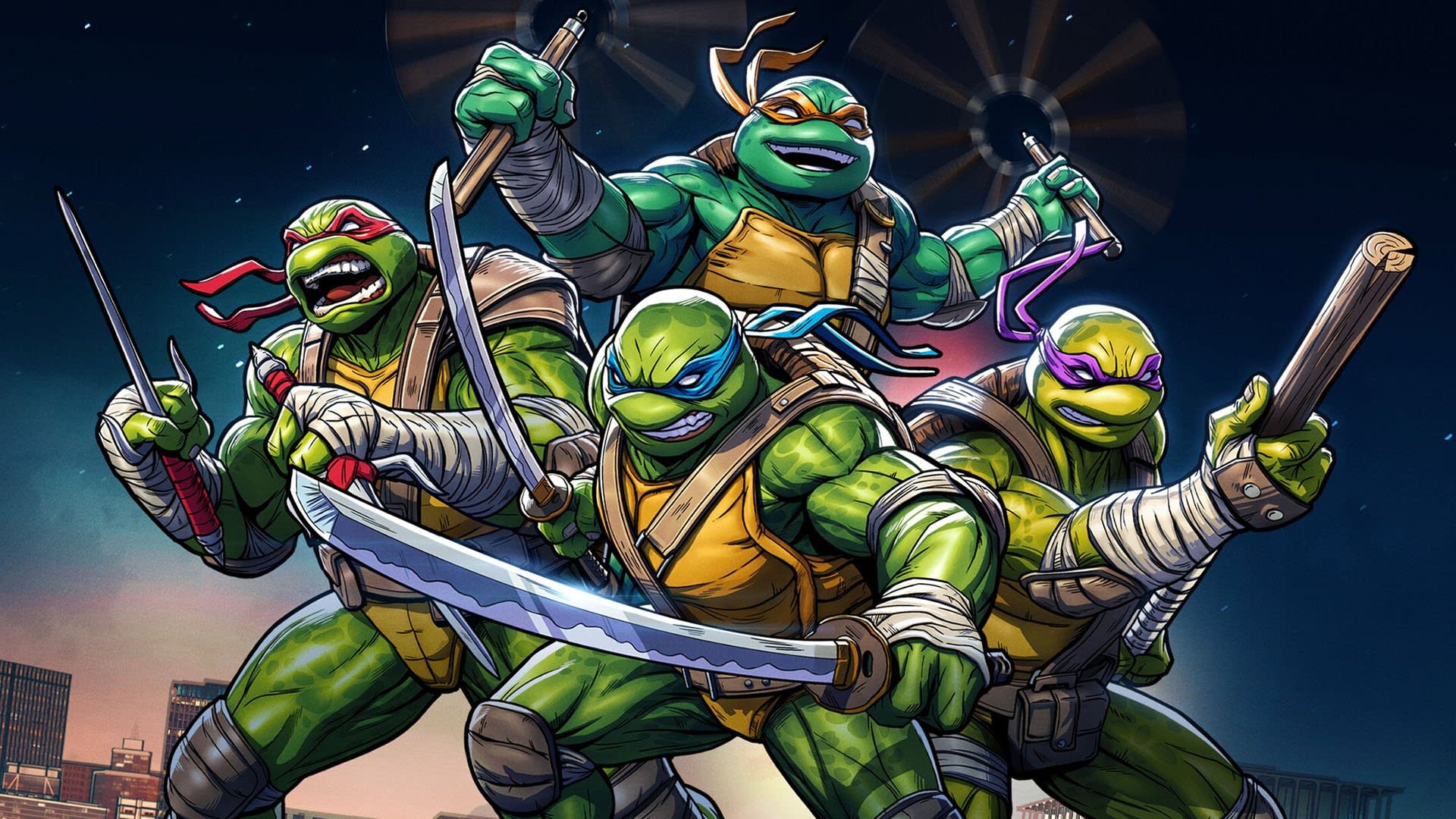
Across four decades of media, the Teenage Mutant Ninja Turtles have been voiced by a diverse range of talent, from industry legends like Rob Paulsen and Cam Clarke to Hollywood stars like Seth Green and John Cena. Since 1987, each majo...
Across four decades of media, the Teenage Mutant Ninja Turtles have been voiced by a diverse range of talent, from industry legends like Rob Paulsen and Cam Clarke to Hollywood stars like Seth Green and John Cena. Since 1987, each major iteration—from the classic cartoons to the 2023 Mutant Mayhem film—has featured a unique quartet of voices tailored to the tone of that generation.
Contents
The Foundation: The 1987 Animated Series
The 1987 Teenage Mutant Ninja Turtles animated series is responsible for cementing the personalities of the four brothers in the collective consciousness of the public. Before this show, the Turtles were largely indistinguishable in the original Mirage Studios comic books, all wearing red masks and sharing a gritty, stoic demeanor. The voice cast of the "Fred Wolf" era gave them the distinct archetypes they carry today.
Leonardo (Cam Clarke): Cam Clarke provided the voice for the stoic leader in blue. Clarke’s portrayal emphasized the "boy scout" nature of Leonardo, giving him a voice that was authoritative yet perpetually youthful. Clarke remained a staple of the franchise, even returning for various cameos and crossovers in later years.
Donatello (Barry Gordon): Barry Gordon voiced the tech-savvy Donatello. Gordon’s performance leaned into the intellectual side of the character, providing a slightly higher-pitched, inquisitive tone that separated Donnie from his more aggressive brothers. Gordon also famously voiced Bebop in the same series.
Michelangelo (Townsend Coleman): The "surfer dude" persona of Michelangelo was brought to life by Townsend Coleman. Coleman’s delivery of catchphrases like "Cowabunga!" and "Tubular!" defined the character's carefree, pizza-loving attitude.
Raphael (Rob Paulsen): Rob Paulsen voiced the 1987 version of Raphael. Interestingly, this version of Raphael was less "angry" and more "sarcastic and fourth-wall breaking." Paulsen’s sharp wit and comedic timing made Raphael a fan favorite, despite the character being significantly different from his darker comic book origins.
The 1990s Live-Action Film Trilogy
When the Turtles transitioned to the big screen in 1990, the production faced a unique challenge: the characters were physically portrayed by actors in complex animatronic suits, but their voices were often dubbed by different performers to ensure the "cartoon" energy translated to live action.
Teenage Mutant Ninja Turtles (1990)
In the original film, which took a darker, more grounded tone, the casting reflected a mix of character actors and emerging talent:
- Leonardo: Brian Tochi
- Donatello: Corey Feldman
- Michelangelo: Robbie Rist
- Raphael: Josh Pais (Pais was the only actor to both perform inside the suit and provide the voice for his character.)
The Secret of the Ooze (1991) and Turtles in Time (1993)
While Brian Tochi and Robbie Rist remained consistent throughout the trilogy, other roles shifted. Corey Feldman was replaced by Adam Carl in the second film due to personal issues, though Feldman returned for the third installment. For Raphael, Laurie Faso took over in the second film, and Tim Kelleher voiced the character in the third.
The 2003 4Kids Era: A Return to the Roots
In 2003, a new animated series debuted on the Fox Box (later 4Kids TV). This version aimed to be much closer to the original Mirage Comics, featuring longer story arcs and a significantly more serious tone. The voice acting followed suit, moving away from the "surfer" tropes of the 80s toward more dramatic performances.
- Leonardo (Michael Sinterniklaas): Sinterniklaas gave Leonardo a more mature, often burdened voice, reflecting the heavy responsibility of leadership and the trauma the character faces during the "City at War" arcs.
- Donatello (Sam Riegel): Sam Riegel, now widely known for his work with Critical Role, provided a grounded, empathetic voice for Donatello. This version of Donnie was less of a "gadget guy" and more of a genuine scientist and peacekeeper.
- Michelangelo (Wayne Grayson): Grayson maintained Mikey’s status as the comic relief but added layers of hidden competence. His Michelangelo was a skilled fighter who used humor as a defense mechanism rather than just being "the party guy."
- Raphael (Greg Abbott / Frank Frankson): Credited under various names, the voice for Raphael in this era was deep, gravelly, and genuinely aggressive. This was the first time mainstream audiences saw the "angry" Raphael from the comics fully realized in animation.
The 2012 Nickelodeon Series: A Modern Masterpiece
When Nickelodeon acquired the TMNT brand, they launched a CGI series in 2012 that blended the humor of the 87 series with the action of the 2003 series. The casting for this iteration was particularly star-studded and featured significant voice-actor legacy nods.
Leonardo: This role saw the most change during the series' run. Jason Biggs voiced Leonardo for the first two seasons, providing a "teenager trying to be a leader" vibe. Following Biggs' departure, Dominic Catrambone filled in briefly before Seth Green took over the role for the remainder of the series, bringing a more seasoned, heroic quality to the character.
Donatello: In a brilliant bit of legacy casting, Rob Paulsen (the original 1987 Raphael) returned to the franchise to voice Donatello. Paulsen’s Donnie was nervous, brilliant, and hopelessly in love with April O'Neil, making him one of the most expressive versions of the character to date.
Michelangelo: Greg Cipes, famous for voicing Beast Boy in Teen Titans, brought his unique "zen-like" energy to Mikey. Cipes’ performance focused on the character's innocence and creative brilliance.
Raphael: Sean Astin (The Lord of the Rings, Stranger Things) provided the voice for Raphael. Astin managed to balance Raphael’s explosive temper with a deep, albeit hidden, sense of loyalty and love for his brothers.
The Michael Bay-Produced Films (2014–2016)
The live-action reboots used motion-capture technology, meaning the actors on set were also providing the primary performances. However, for the first film, some voices were replaced in post-production.
| Character | 2014 Film Voice/Mo-Cap | 2016 Out of the Shadows |
|---|---|---|
| Leonardo | Johnny Knoxville (Voice) / Pete Ploszek (Mo-Cap) | Pete Ploszek (Voice & Mo-Cap) |
| Donatello | Jeremy Howard | Jeremy Howard |
| Michelangelo | Noel Fisher | Noel Fisher |
| Raphael | Alan Ritchson | Alan Ritchson |
In the 2014 film, the decision to have Johnny Knoxville voice Leonardo was controversial among fans, as Pete Ploszek had performed the role on set. By the 2016 sequel, Out of the Shadows, Ploszek was permitted to provide the voice as well, leading to a more cohesive performance.
Rise of the Teenage Mutant Ninja Turtles (2018)
Rise of the TMNT reimagined the brothers' dynamic entirely. In this version, Raphael was the eldest and the leader (initially), and the art style was heavily influenced by anime. The voice cast reflected this high-energy, stylistic shift.
- Leonardo (Ben Schwartz): Schwartz portrayed Leo not as the disciplined leader, but as the "cool," somewhat arrogant brother. This version was more focused on quips and style than strategy.
- Donatello (Josh Brener): Brener’s Donnie was a tech-wizard with a dry, sarcastic wit and a penchant for building "soft-shells" to protect his physical vulnerability.
- Michelangelo (Brandon Mychal Smith): Smith’s Mikey was an artist and the "wild card" of the group, bringing an infectious, high-pitched energy to the role.
- Raphael (Omar Benson Miller): As the largest turtle and the initial leader, Miller gave Raph a booming, protective, yet gentle-giant personality.
Mutant Mayhem and the 2026 Landscape
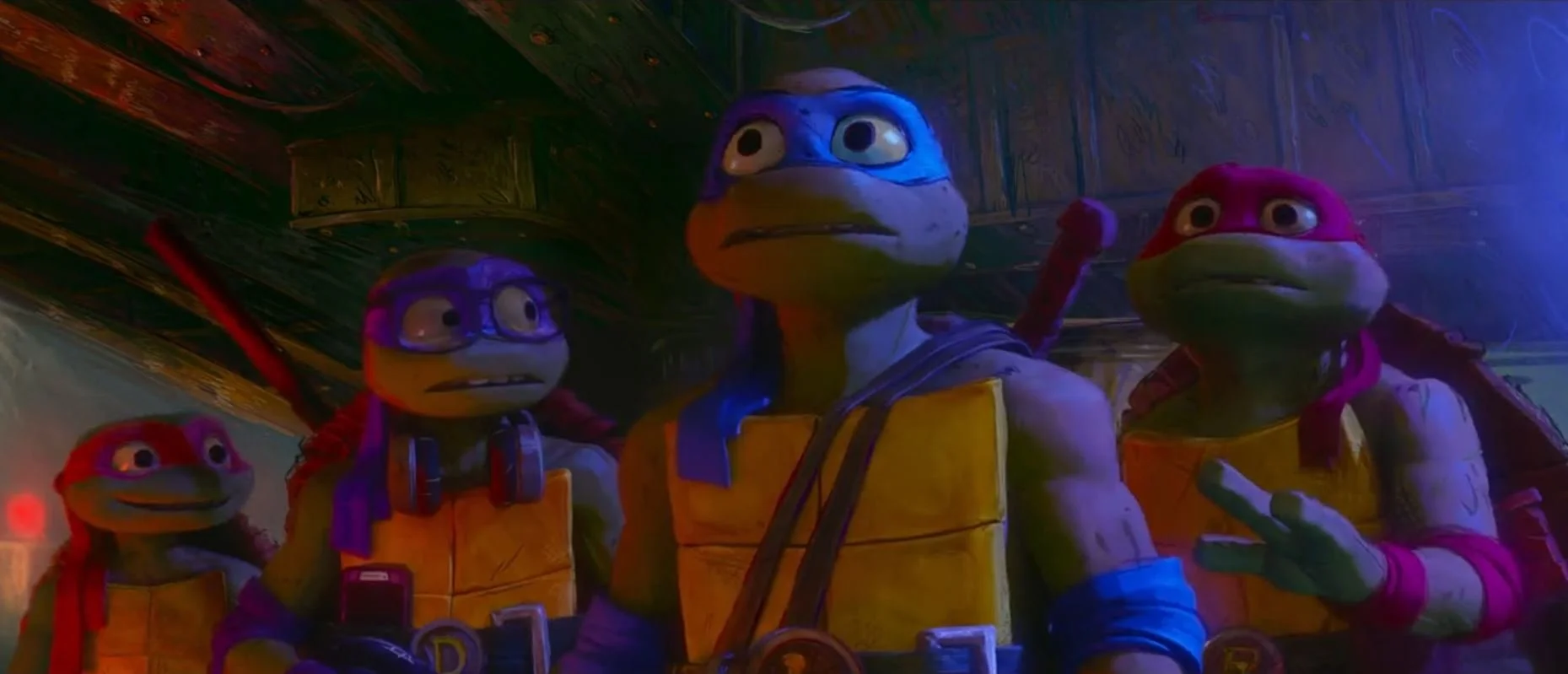
The 2023 film Teenage Mutant Ninja Turtles: Mutant Mayhem marked a significant departure in casting philosophy. Director Jeff Rowe insisted on casting actual teenagers to voice the Turtles to capture authentic chemistry and overlapping dialogue.
- Leonardo: Nicolas Cantu
- Donatello: Micah Abbey
- Michelangelo: Shamon Brown Jr.
- Raphael: Brady Noon
This cast has continued their roles into the 2026 era, appearing in the follow-up series Tales of the Teenage Mutant Ninja Turtles. Their performances are characterized by genuine teenage awkwardness, stuttering, and authentic camaraderie that sets them apart from the more "polished" voice acting of previous decades.
Comparative Summary of Key Voice Actors
The following table summarizes the primary voice actors for the four brothers across the most influential iterations of the franchise.
| Project / Era | Leonardo | Donatello | Michelangelo | Raphael |
|---|---|---|---|---|
| 1987 Series | Cam Clarke | Barry Gordon | Townsend Coleman | Rob Paulsen |
| 1990 Movie | Brian Tochi | Corey Feldman | Robbie Rist | Josh Pais |
| 2003 Series | Michael Sinterniklaas | Sam Riegel | Wayne Grayson | Frank Frankson |
| 2007 Film (TMNT) | James Arnold Taylor | Mitchell Whitfield | Mikey Kelley | Nolan North |
| 2012 Series | Seth Green | Rob Paulsen | Greg Cipes | Sean Astin |
| 2018 Rise | Ben Schwartz | Josh Brener | Brandon Mychal Smith | Omar Benson Miller |
| 2023 Mutant Mayhem | Nicolas Cantu | Micah Abbey | Shamon Brown Jr. | Brady Noon |
Frequently Asked Questions
Who has voiced more than one Ninja Turtle?
Rob Paulsen is the most prominent actor to have voiced multiple brothers in major series. He voiced Raphael in the 1987 series and Donatello in the 2012 series. Additionally, Seth Green voiced Leonardo in the 2012 series, while his Robot Chicken collaborators have often voiced various characters across TMNT specials.
Which actor voiced the Turtles for the longest period?
In terms of episode count, the 1987 cast (Cam Clarke, Barry Gordon, Townsend Coleman, and Rob Paulsen) holds the record, having voiced the characters for 10 seasons and 193 episodes. In the modern era, the 2012 cast remained consistent for five seasons, totaling 124 episodes.
Why was Johnny Knoxville replaced as Leonardo?
Johnny Knoxville was only hired to provide the voice for Leonardo in the 2014 live-action film, while Pete Ploszek performed the motion capture. The decision was a marketing move by the studio to include a "big name" on the poster. However, for the 2016 sequel, the production moved toward a more traditional performance-capture model, allowing Ploszek to voice the character he physically portrayed.
Who voiced the Turtles in the crossover "Turtles Forever"?
The 2009 film Turtles Forever featured a crossover between the 1987 Turtles and the 2003 Turtles. Due to union recording rules in New York (where 4Kids was based) versus Los Angeles (where the original cast was based), the 1987 characters were voiced by sound-alike actors rather than the original 1987 cast. Dan Green, for example, voiced the 1987 Leonardo.
Are the Mutant Mayhem actors voicing the characters in the video games?
As of 2026, there has been a push for "voice consistency" across the franchise. The actors from Mutant Mayhem (Cantu, Abbey, Brown Jr., and Noon) have reprised their roles in recent console releases and DLC for various fighting games to maintain brand synergy with the ongoing Nickelodeon universe.
Legacy and Future of TMNT Voice Acting
The evolution of TMNT voice acting reflects the broader trends in the animation industry. In the 1980s, the focus was on high-concept, distinct voices that could be easily identified for toy marketing. By the 2000s, the industry moved toward dramatic storytelling, requiring actors with significant range. Today, in 2026, the emphasis has shifted toward authenticity, with younger actors and naturalistic delivery taking center stage.
For fans looking to explore the depth of these performances, the best next step is to compare the "Crossover" episodes found in the 2012 series (specifically "Trans-Dimensional Turtles"), where the 2012 cast meets the 1987 cast. This provides a direct look at how voice acting styles have shifted while keeping the spirit of these "heroes in a half-shell" alive across generations.
Image Gallery