Guy Fieri Looking Normal: The Truth Behind the Viral Images and Celebrity Branding
Photos of celebrity chef Guy Fieri looking "normal"—without his signature bleached-blond spiky hair, backward sunglasses, and flame-covered shirts—have fascinated internet users for years. While the most famous image showing him with n...
Photos of celebrity chef Guy Fieri looking "normal"—without his signature bleached-blond spiky hair, backward sunglasses, and flame-covered shirts—have fascinated internet users for years. While the most famous image showing him with natural brown hair is a digital edit, genuine pre-fame photographs reveal how the Food Network star looked before developing his iconic television persona.
Contents
The Viral Photo That Shocked the Internet: Real vs. Photoshop
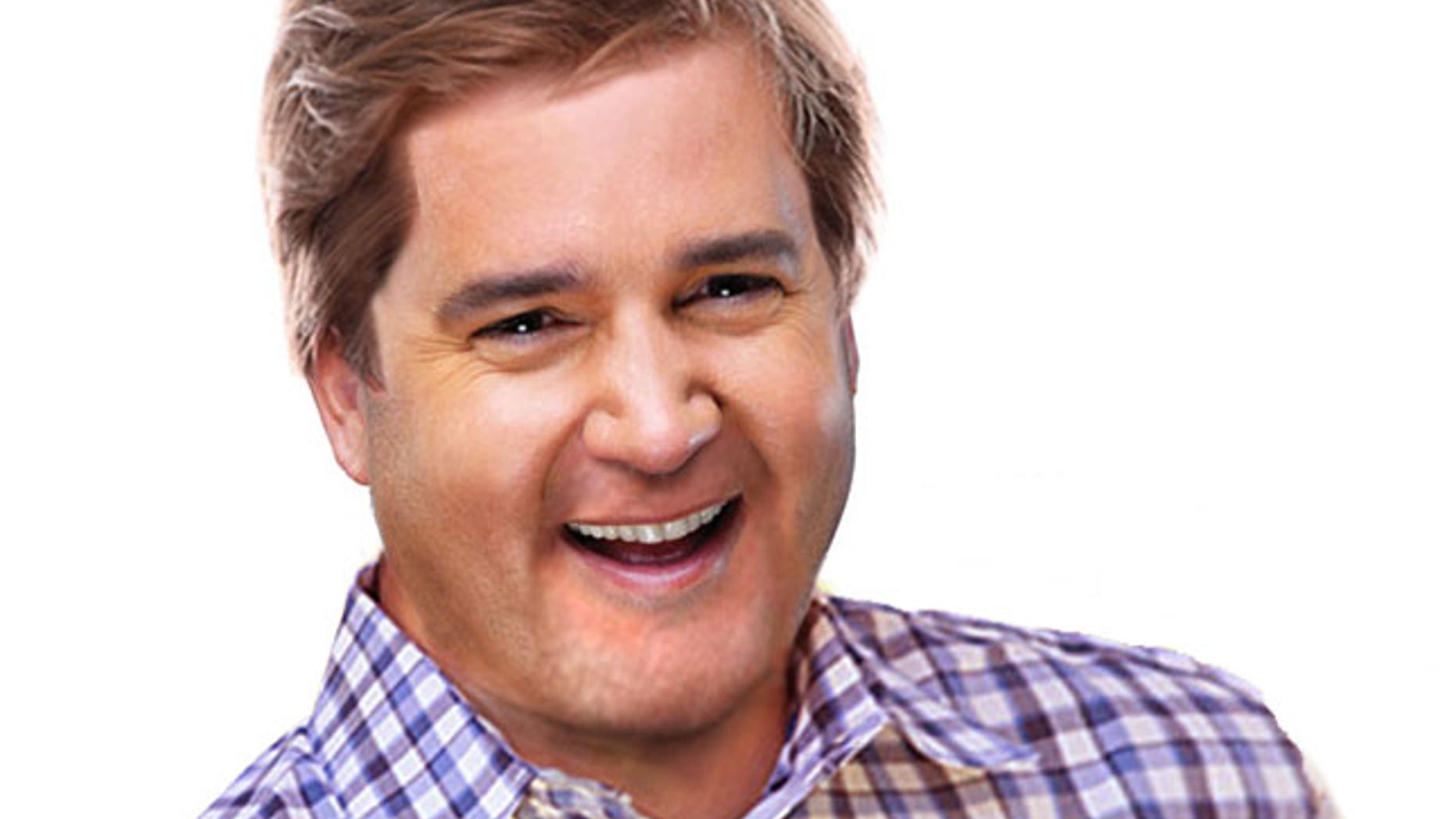
The online fascination with "Guy Fieri looking normal" reached peak momentum due to a specific image that began circulating across social media platforms in 2013. The photo depicts Fieri with short, natural brown hair, a clean haircut, a standard button-down dress shirt, and a noticeably tone-downed appearance that resembles a corporate manager or IT specialist rather than the energetic host of Diners, Drive-Ins and Dives.
This widely shared photograph is not authentic. It was digitally altered by graphic designer Dmitry Grozoubinski, who removed Fieri's bleached spikes, adjusted his goatee, and swapped his signature casual attire for a conventional wardrobe. Grozoubinski created the image as a visual experiment to show how heavily a celebrity's public identity relies on stylized grooming and wardrobe choices.
When the image went viral on X (formerly Twitter) and Reddit, thousands of commentators expressed disbelief at how dramatically Fieri’s physical presence changed without his trademark hair and accessories. The image demonstrated the power of visual branding: by simply altering hair color and clothing, one of the most recognizable faces on American television became virtually unidentifiable to the casual viewer.
Despite the artificial nature of the 2013 meme, the viral edit sparked genuine curiosity regarding what Fieri actually looked like before achieving international stardom on the Food Network.
Guy Fieri Before the Spikes: Archival Photos and Early Career
Before becoming the self-proclaimed "Mayor of Flavortown," Guy Fieri (born Guy Ramsay Ferry in 1968) lived a relatively quiet life as a Northern California restaurateur. Historical photographs from the late 1980s and 1990s showcase his true physical transformation over time.
| Era / Timeline | Style Evolution |
|---|---|
| 1980s - Early 1990s | Natural dark brown hair, traditional chef coats |
| 1996 | Opens Johnny Garlic's; classic 90s haircut |
| Early 2000s | Experimental bleaching; rock-and-roll aesthetic |
| 2006 | Wins Next Food Network Star; locks in TV look |
| 2013 - Present | Global icon status; trademark visual identity |
During his high school years in Ferndale, California, and his college years studying hospitality management at the University of Nevada, Las Vegas (UNLV), Fieri maintained a standard appearance. Archival images from his early culinary career reveal:
- Natural Hair Color: Fieri possesses naturally dark brown, slightly wavy hair.
- Traditional Chef Attire: In his early twenties, while working at restaurants in France and California, Fieri wore standard white double-breasted chef jackets rather than bowling shirts or graphic tees.
- Early Restaurant Ownership: When Fieri opened his first major restaurant, Johnny Garlic’s, in Santa Rosa, California, in 1996 alongside business partner Steve Gruber, he sported short dark hair and traditional late-1990s casual menswear.
These historical images prove that Fieri’s hyper-stylized look was not something he maintained continuously throughout his youth, but rather a deliberate style evolution that coincided with his expanding business presence in Northern California.
The Origin Story of the "Mayor of Flavortown" Aesthetic
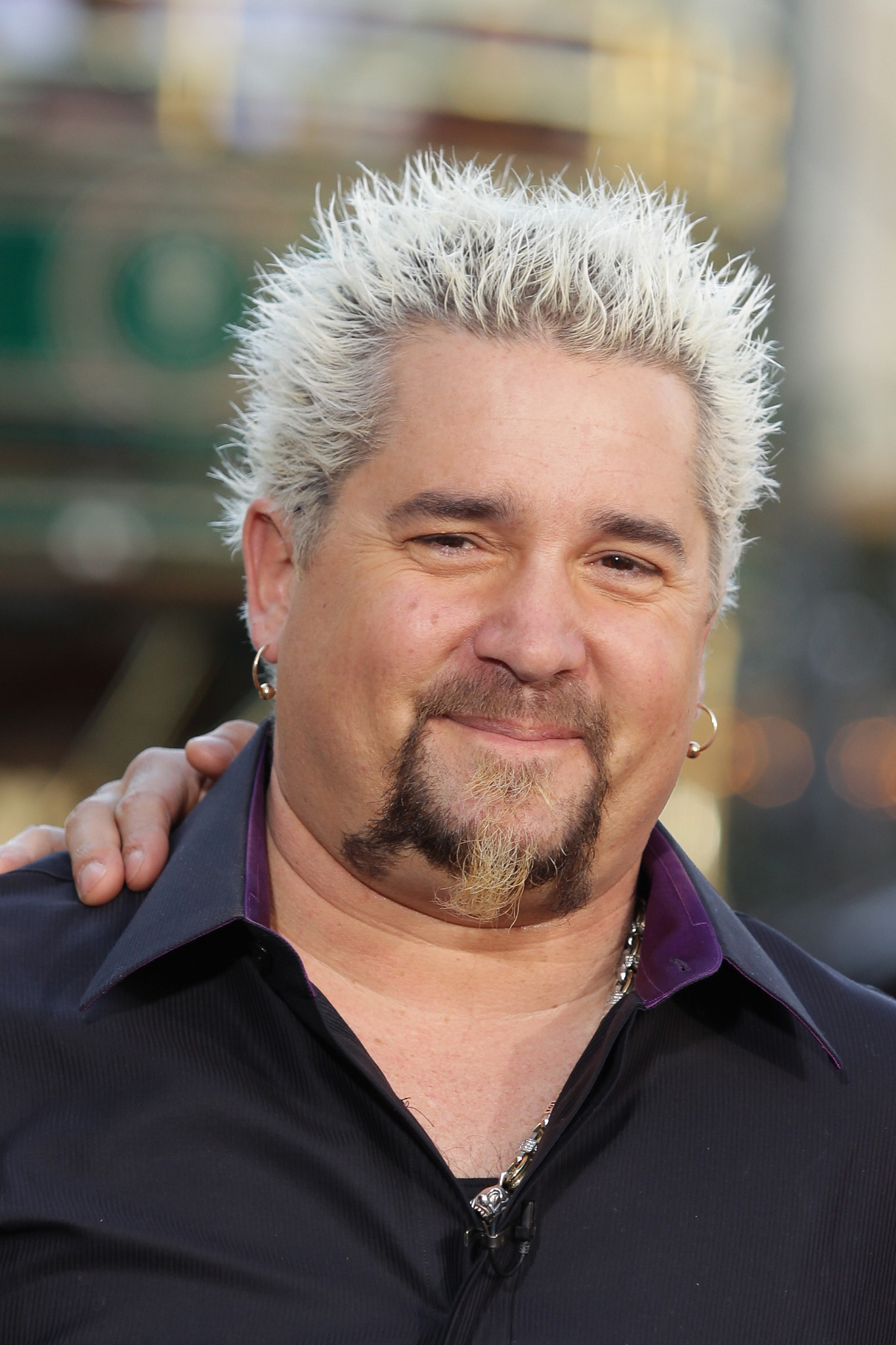
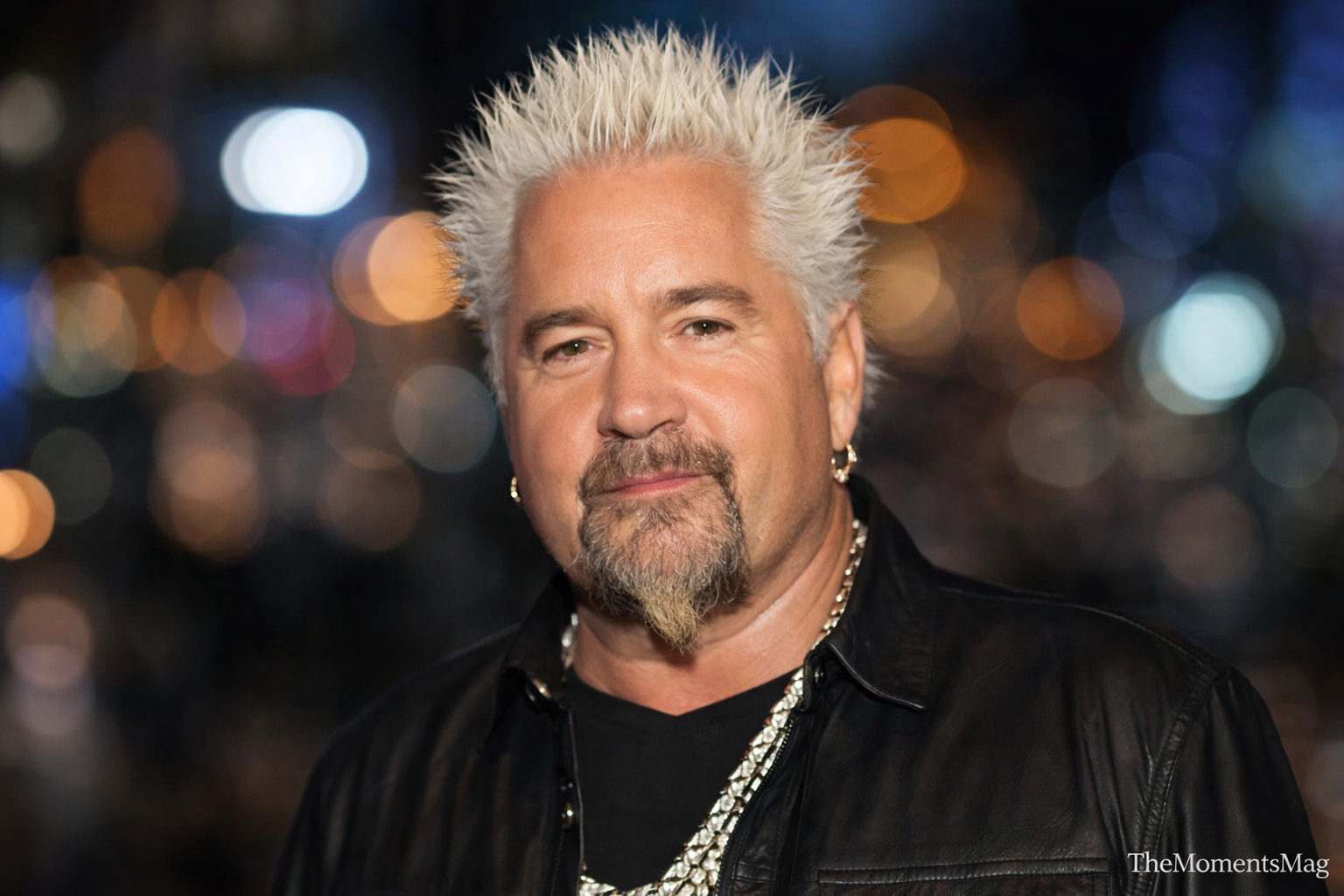
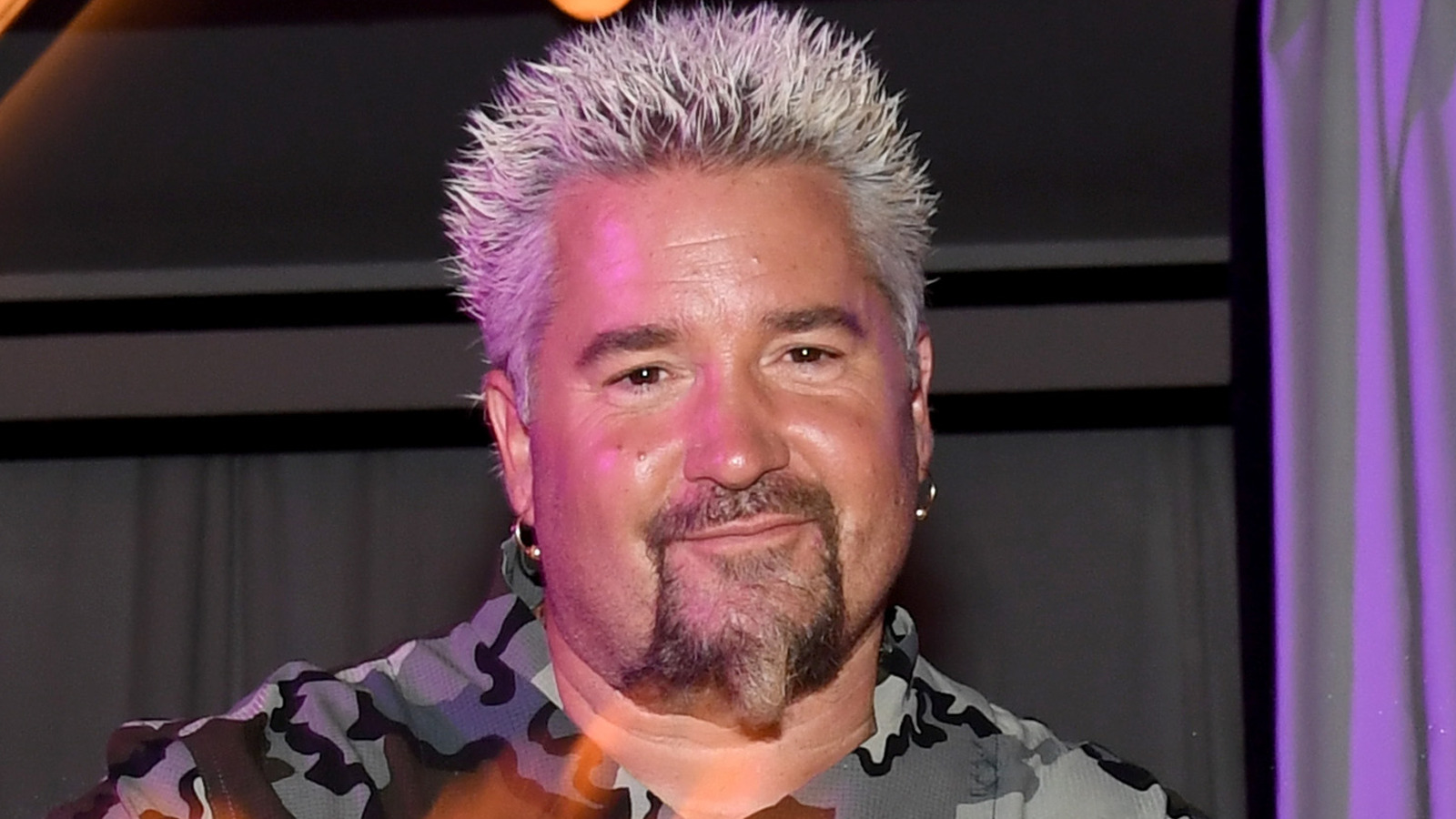
Fieri’s distinctive appearance—bleached blond hair, sweatbands, silver jewelry, bowling shirts, and sunglasses worn on the back of his neck—was not created by a network focus group. Instead, it emerged organically from personal relationships and accidental styling choices during the early 2000s.
According to interviews Fieri has given over his career, his signature hairstyle began with a mistake during a salon visit. Fieri had hired a hairdresser named Christina, who suggested giving his short hair a fresh look. Fieri granted her creative freedom, expecting a subtle trim. Instead, she bleached his hair blond. Although initially shocked by the bright outcome, Fieri decided to keep the look, finding that it matched his high-energy personality and interest in Northern California's rock-and-roll and skate cultures.
- Accidental Salon Bleach
- Local California Identity
- 2006 "Next Food Network Star" Victory
- Permanent Brand Signature on Food Network
When Fieri auditioned for Season 2 of The Next Food Network Star in 2005, network executives noted that his visual style set him apart from the traditional, polished culinary hosts of the era, such as Barefoot Contessa or Emeril Lagasse. After winning the competition in 2006, Food Network producers encouraged him to retain his distinctive look, recognizing its instant visual brand potential.
Key Elements of the Guy Fieri Brand Signature
- Bleached Spiky Hair: Maintained with regular highlighting and short-textured cuts to retain volume and contrast.
- Backward Sunglasses: Fieri began wearing his sunglasses on the nape of his neck while working in hot kitchens, as pushing them onto his forehead allowed sweat to ruin the lenses. The habit stuck and became a global visual trademark.
- Short-Sleeve Bowling Shirts & Flame Prints: Derived from 1950s Americana, hot-rod culture, and Northern California casual aesthetics.
- Heavy Silver Jewelry: Chunky rings, skull bracelets, and thick chains that mirror his passion for classic cars and rock music.
Comparative Analysis: Normal vs. Signature Aesthetic
To understand how Fieri's visual transformation impacts public perception, the table below compares his pre-fame/edited "normal" appearance against his official television brand identity.
| Feature / Element | Pre-Fame & Edited "Normal" Appearance | Signature "Flavortown" Television Identity |
|---|---|---|
| Hair Style & Color | Short, natural dark brown hair; side part or soft texture | Platinum/bleached blond spikes with short dark roots |
| Facial Hair | Clean-shaven or natural stubble | Precisely groomed blond-and-brown goatee |
| Eyewear | Standard prescription glasses or no eyewear visible | Wrap-around sunglasses (Oakley style) worn backward |
| Primary Wardrobe | Standard chef coats, dress shirts, polo shirts | Bowling shirts, flame prints, leather jackets, graphic tees |
| Accessories | Minimalist watch, classic wedding band | Heavy sterling silver chains, skull rings, wrist cuffs |
| Public Perception | Executive chef, corporate manager, everyday neighbor | Larger-than-life TV personality, rock-and-roll culinary host |
| Commercial Function | High authenticity, low visual memorability | Instant brand recognition across global media markets |
Behind the Persona: Guy Fieri Off-Camera
While fans often assume Fieri wears flame-adorned shirts 24 hours a day, his actual off-camera life reflects a balance between his public image and practical living.
When relaxing at his ranch in Santa Rosa, California, or spending time with his family, Fieri’s wardrobe is considerably scaled down. Friends and colleagues frequently report that off-camera, Fieri favors standard baseball caps, plain black t-shirts, comfortable jeans, and casual footwear.
| On-Camera Brand | Off-Camera Reality |
|---|---|
| • Platinum bleached spikes | • Baseball caps & casual wear |
| • Custom flame prints & bowling shirts | • Plain black tees & jeans |
| • High-octane TV host persona | • Rancher & winery owner |
| • Global culinary ambassador | • Active philanthropist |
In addition to his television empire, Fieri is an active winemaker (owner of Hunt & Ryde Winery in the Russian River Valley) and a dedicated philanthropist. During major crises, such as the California wildfires and the COVID-19 pandemic, Fieri organized massive relief efforts. Partnering with the National Restaurant Association Educational Foundation, he helped raise tens of millions of dollars for displaced hospitality workers. During these relief operations, Fieri is frequently photographed in utility clothes, aprons, and baseball caps, demonstrating a practical hands-on approach that contrasts with his theatrical television persona.
The Business Value of a Signature Look in Food Media
In the modern media ecosystem, visual differentiation is essential for building a lasting personal brand. Fieri's deliberate consistency in his appearance has yielded substantial financial and commercial dividends.
1. Instant Memorability and Caricature Potential
Fieri’s distinct aesthetic makes him instantly recognizable, even in silhouette or animated form. This high degree of visual contrast has allowed him to transcend food television and become an enduring staple of pop culture, parody sketches on Saturday Night Live, and global internet memes.
2. Licensing and Merchandise Cohesion
Whether marketing a line of barbecue sauces, frozen meals, or restaurant franchises like Guy Fieri's Kitchen & Bar, his signature image provides immediate visual verification for consumers. The bold styling signals the energetic, flavor-forward culinary style associated with his restaurants.
3. Longevity Across Cable Networks
By locking in a distinct, timeless "rockstar chef" identity early in his career on Food Network, Fieri avoided the trap of changing trends. While other TV chefs' appearances date quickly as fashion trends shift, Fieri’s signature look remains an iconic, unchanging constant on television screens worldwide.
Frequently Asked Questions
Is the photo of Guy Fieri with brown hair real?
The viral photo showing Guy Fieri with natural brown hair, a soft haircut, and a blue button-down shirt is a digital edit created in 2013 by graphic designer Dmitry Grozoubinski. However, authentic historical photos from the 1980s and 1990s do show Fieri with his natural dark brown hair before he began bleaching it.
Why did Guy Fieri start bleaching his hair?
Fieri originally bleached his hair by accident in the early 2000s when his hairdresser, Christina, decided to try a creative experiment with his short hair. Although Fieri was initially surprised by the bright blond color, he liked the energy of the style and kept it.
Why does Guy Fieri wear his sunglasses on the back of his neck?
Fieri started putting his sunglasses on the back of his neck out of practical necessity while cooking in hot commercial kitchens. Placing them on top of his head caused them to slip due to sweat or hair product, so sliding them onto the back of his neck kept them secure. The practice eventually became one of his most recognized fashion trademarks.
What is Guy Fieri's real name?
Guy Fieri was born Guy Ramsay Ferry. He later changed his surname back to "Fieri" to honor his paternal grandfather, Giuseppe Fieri, an Italian immigrant who had anglicized the family name to "Ferry" upon arriving in the United States.
What does Guy Fieri look like in daily life?
Off-camera, Fieri often dresses much more conservatively than he does on television. When managing his vineyard, working at his ranch, or participating in emergency disaster-relief cooking efforts, he typically wears plain t-shirts, baseball caps, work aprons, and standard jeans.
Practical Takeaway: The Impact of Personal Branding
The enduring internet fascination with "Guy Fieri looking normal" highlights an important lesson in celebrity identity and marketing. The contrast between his natural brown-haired past and his platinum-blond television persona illustrates how a distinct visual signature can elevate an individual from a successful professional into a globally recognized icon.
For entrepreneurs, media creators, and public figures, Fieri’s trajectory demonstrates that standing out often requires leaning into a bold visual identity, maintaining absolute consistency, and using that personal brand to support long-term business goals and philanthropic efforts.
Image Gallery