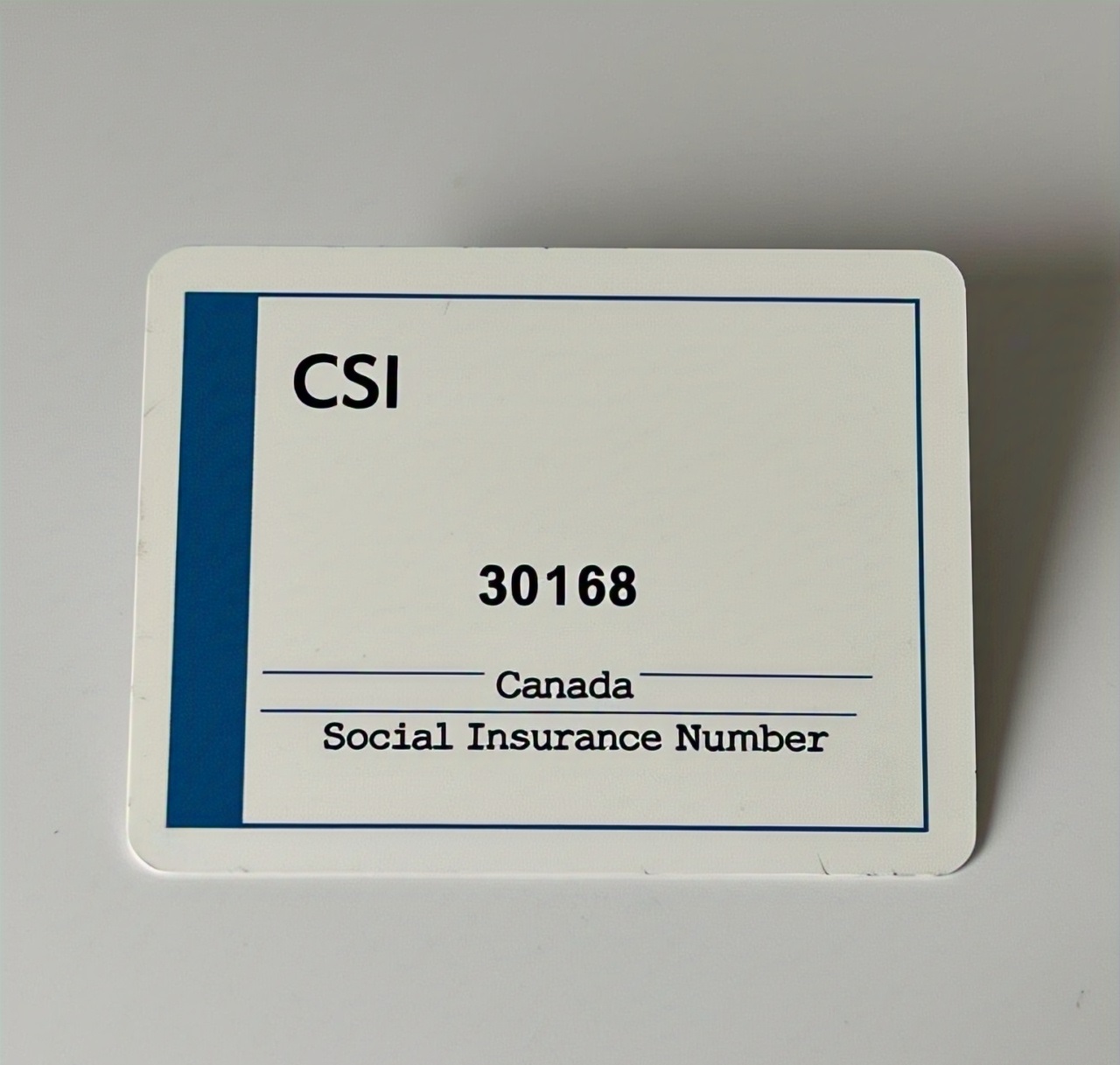
The Reality of the US Social Security Number: Function, Security, and Management in 2026
The reality of the US "social insurance number"—officially known as the Social Security Number (SSN)—is that it serves as a unique nine-digit identifier used by the government to track earnings and various benefits. While originally de...
The reality of the US "social insurance number"—officially known as the Social Security Number (SSN)—is that it serves as a unique nine-digit identifier used by the government to track earnings and various benefits. While originally designed solely for the Social Security program, it has evolved into a de facto national identification number for taxation, credit, and legal verification.
Contents
While many international residents, particularly those from Canada, may refer to it as a "social insurance number," the United States Social Security Administration (SSA) is the sole issuing body for the SSN. In 2026, the SSN remains the cornerstone of an individual's financial and legal identity in the U.S., necessitating a sophisticated understanding of its issuance, limitations, and the security protocols required to protect it from pervasive identity theft threats.
Historical Evolution: From Payroll Tool to De Facto National ID
The Social Security Act of 1935 established the SSN primarily to track the earnings histories of U.S. workers for the purpose of determining Social Security benefit entitlement and calculating benefit amounts. At its inception, the card specifically stated it was not to be used for identification. However, the unique nature of the number led to its rapid adoption across various sectors.
By the 1960s, the Internal Revenue Service (IRS) began using the SSN as the primary taxpayer identification number. This shift fundamentally changed the reality of the number, moving it from a niche administrative tool to a mandatory requirement for almost any financial transaction. Today, the SSN is required for opening bank accounts, obtaining credit cards, applying for student loans, and securing housing.
In 2026, the tension between the SSN’s intended purpose and its current reality as an "all-access key" to personal data remains a point of significant policy debate. While the SSA has attempted to limit the public display of SSNs (such as removing them from Medicare cards), the underlying number remains the primary link between disparate databases, including medical records, credit reports, and criminal background checks.
Structural Anatomy of the 9-Digit Identifier
Understanding the reality of the US Social Security Number requires a look at its internal structure. For decades, the number was composed of three distinct parts: the Area Number, the Group Number, and the Serial Number.
- The Area Number (First 3 Digits): Historically, these digits indicated the state or territory where the original application was filed. People on the East Coast generally had lower numbers, while those on the West Coast had higher numbers.
- The Group Number (Middle 2 Digits): These digits were used for internal filing purposes and followed a non-sequential pattern (odd numbers 01-09, then even numbers 10-98, etc.).
- The Serial Number (Last 4 Digits): These represented a straight numerical sequence within the group.
The Shift to Randomization
In June 2011, the SSA moved to a "Randomization" process. This was a critical security update designed to protect the integrity of the SSN. Under randomization, the area numbers no longer correlate to specific states, and the group numbers no longer follow the old patterns. This change was implemented to make it significantly harder for identity thieves to reconstruct or guess valid SSNs based on public geographical or chronological data. In 2026, all new numbers issued are fully randomized, though older numbers retain their original geographical significance.
Types of Social Security Cards and Eligibility
Not all Social Security numbers carry the same legal weight regarding employment. The reality of the US system includes three distinct types of cards, each with its own set of restrictions.
| Card Type | Legend/Notation | Eligibility & Rights |
|---|---|---|
| Unrestricted | No legend | Issued to U.S. citizens and Lawful Permanent Residents (Green Card holders). Allows for work without additional DHS authorization. |
| Valid for Work Only with DHS Authorization | Legend printed on front | Issued to individuals in the U.S. on temporary work visas (e.g., H-1B, L-1, O-1). Requires a valid employment authorization document (EAD) to be legal. |
| Not Valid for Employment | Legend printed on front | Issued to non-citizens who need an SSN for a valid non-work reason (e.g., accessing specific federal benefits). Cannot be used for I-9 employment verification. |
Prerequisites for Application
To obtain an SSN in 2026, applicants must provide original documents (or certified copies) proving age, identity, and U.S. citizenship or lawful immigration status. For most adults, this includes a U.S. birth certificate or passport. Non-citizens must provide current immigration documents from the Department of Homeland Security (DHS), such as an I-94 Arrival/Departure Record or a Permanent Resident Card.
Practical Applications and Legal Requirements
The reality of the US social insurance number is most visible in daily administrative life. While the SSA issues the number, other entities mandate its use under various federal laws.
Taxation and the IRS
Under the Internal Revenue Code, every taxpayer must provide an identification number on their tax returns. For individuals, this is almost always the SSN. If an individual is not eligible for an SSN but must file taxes (such as certain non-resident aliens), they must apply for an Individual Taxpayer Identification Number (ITIN). However, an ITIN does not provide Social Security benefits or work authorization.
Employment Verification (Form I-9)
Upon hiring, U.S. employers are legally required to verify the identity and employment authorization of every new employee using Form I-9. The SSN is a core component of this process. Employers also use the SSN to report wages to the SSA and the IRS, ensuring that the worker receives proper credit toward future retirement and disability benefits.
Financial Services and Credit
Under the USA PATRIOT Act, financial institutions are required to implement Customer Identification Programs (CIP). This requires banks to verify the identity of anyone opening an account, and the SSN is the standard identifier used for this purpose. Furthermore, the three major credit bureaus (Equifax, Experian, and TransUnion) use the SSN to aggregate credit history. Without a valid SSN, building a traditional "credit score" in the United States is exceptionally difficult.
Data Security and the Threat of Identity Theft
The greatest reality of the SSN in 2026 is its vulnerability. Because the number is used for so many high-stakes activities, it has become the primary target for cybercriminals. A compromised SSN can allow a thief to open fraudulent accounts, claim tax refunds, and even obtain medical care under another person's name.
Protective Measures and Best Practices
In 2026, the Social Security Administration emphasizes that individuals should rarely carry their physical Social Security card. Instead, the card should be kept in a secure, fireproof location.
Additional security layers include:
- Credit Freezes: Placing a freeze with the three major bureaus prevents new accounts from being opened using your SSN without a specific "thaw" by the owner.
- SSN Verification Services: Employers use the Social Security Number Verification Service (SSNVS) to ensure the names and numbers of employees match SSA records, reducing the risk of administrative errors and fraud.
- Avoiding Public Disclosure: Legally, you are not always required to provide your SSN. For example, while a doctor's office may ask for it, they often do not strictly require it for service if you provide alternative identification and insurance information.
Digital Transformation and SSA Services in 2026
By 2026, the SSA has fully modernized its digital interface. The "my Social Security" portal is the primary hub for managing one's SSN reality. Through this portal, individuals can:
- Request a replacement Social Security card (in many states).
- Check the status of an application.
- Review their Earnings Statement to ensure employers are accurately reporting income.
- Obtain a benefit verification letter.
The reality of the system now includes Electronic Evidence (e-Evidence). The SSA collaborates with other federal and state agencies to verify data electronically, often removing the need for physical documents during renewals or status changes. This integration has sped up processing times but has also increased the need for robust cybersecurity at the federal level.
Frequently Asked Questions
Can I change my Social Security Number if it is stolen?
Yes, but the SSA only grants a new number under very specific and extreme circumstances. You must provide evidence that the number is being misused and that the misuse is causing you ongoing harm. Obtaining a new number does not "wipe" your old credit history; the bureaus will eventually link the new number to the old records.
Is the Social Security Number the same as a Tax ID?
For most U.S. citizens, yes. The SSN is your individual taxpayer identification number. However, businesses use an Employer Identification Number (EIN), and certain non-citizens use an Individual Taxpayer Identification Number (ITIN).
Why do some people call it a "Social Insurance Number"?
"Social Insurance Number" (SIN) is the official terminology used in Canada. Because of the close economic ties and geographical proximity between the U.S. and Canada, the terms are often used interchangeably in casual conversation. However, legally and administratively, the U.S. only recognizes the Social Security Number (SSN).
Does my SSN expire?
No. Once a Social Security Number is assigned to an individual, it is theirs for life. Even if a non-citizen leaves the U.S. and their work authorization expires, the number remains associated with them. If they return to the U.S. years later, they must use the same number originally assigned.
Can a private business require my SSN?
Private businesses can ask for your SSN, but they generally cannot compel you to provide it unless they are involved in a transaction that requires federal reporting (like a bank loan, a car purchase involving financing, or a real estate transaction). If a business asks for your SSN for a "loyalty card" or general service, you have the right to refuse, though they also have the right to deny you service.
Practical Recommendation
To manage the reality of your US Social Security Number effectively in 2026, you should first create and regularly monitor a "my Social Security" account at SSA.gov. This allows you to verify that your earnings are being reported correctly, which is vital for your future retirement benefits. Secondly, treat your SSN as highly sensitive data; never provide it over unsecured email or to unsolicited callers claiming to be from the government. If you suspect your number has been compromised, immediately visit IdentityTheft.gov to begin a recovery plan and place a freeze on your credit reports.
Image Gallery