Tony Sparano: From the Field to the Coach’s Seat
Tony Sparano transitioned from a standout offensive lineman at the University of New Haven to one of the most respected tactical minds in the NFL. His journey from the playing field to the coach’s seat was defined by a blue-collar work...
Tony Sparano transitioned from a standout offensive lineman at the University of New Haven to one of the most respected tactical minds in the NFL. His journey from the playing field to the coach’s seat was defined by a blue-collar work ethic, a mastery of offensive line mechanics, and a historic 2008 turnaround with the Miami Dolphins.
Contents
The Foundation: Playing Years and the New Haven Roots
Before he was a fixture on NFL sidelines with his trademark sunglasses, Tony Sparano was a formidable presence on the offensive line. Attending the University of New Haven in the early 1980s, Sparano established himself as a gritty, high-IQ player. While he lacked the gargantuan frame of modern professional tackles, he compensated with a technical proficiency and a deep understanding of leverage—traits that would later become the hallmark of his coaching style.
Playing the position of offensive line is often described as "trench warfare," requiring a unique blend of physical violence and mental processing. Sparano’s time on the field at New Haven allowed him to see the game through the eyes of the protector. He learned how to identify blitz packages, how to adjust to a defensive end’s first step, and the importance of unit cohesion. These years were not just about athletic competition; they were a laboratory where Sparano synthesized the fundamentals of the "power run" game that he would eventually implement at the highest levels of the sport.
By the time he finished his playing career, it was evident to his peers and mentors that his future lay in instruction. He didn't just know his assignment; he knew the assignments of the four men standing next to him. This holistic view of the offensive front made his transition to the coach’s seat a natural evolution rather than a career shift.
Climbing the Coaching Ladder: From Division II to the NFL
Sparano did not take a shortcut to the NFL. His path was a grueling ascent through the collegiate ranks, beginning right back where he played. He served as an assistant at New Haven before moving to Boston University, where he continued to hone his ability to develop raw talent. In 1994, he returned to the University of New Haven as the head coach, leading the program for five seasons and reaching the NCAA Division II championship game in 1997.
This period was critical for Sparano. As a head coach at the collegiate level, he was responsible for more than just the offensive line. He had to manage recruiting, academic eligibility, and the overall psychological health of a locker room. This experience provided him with a "big picture" perspective that many lifelong assistants lack.
In 1999, the NFL came calling. His first professional opportunity was as a quality control coach for the Cleveland Browns. In the NFL hierarchy, "quality control" is the entry-level grind—long hours spent breaking down film, drawing up playbooks, and performing the data entry that fuels the offensive coordinator's strategy. Sparano embraced the drudgery, viewing it as a PhD program in professional football. He quickly moved through the ranks, serving as a tight ends coach for the Washington Redskins and Jacksonville Jaguars before catching the eye of Bill Parcells.
The Parcells Influence and the Dallas Years
The most significant turning point in Sparano’s move to the coach's seat occurred in 2003 when he joined the Dallas Cowboys staff under Bill Parcells. Parcells, a Hall of Fame coach known for his "tough love" and demand for absolute discipline, saw a kindred spirit in Sparano. Sparano was quickly promoted to offensive line coach and eventually became the team's passing game coordinator.
Under Parcells, Sparano refined his philosophy of "physicality first." He believed that a team’s identity was forged in the dirt and sweat of the offensive line. In Dallas, he was instrumental in developing a line that could protect aging veterans and pave the way for a resurgence in the Cowboys' rushing attack. Parcells famously valued "football guys"—men who lived and breathed the sport without concern for glamour. Sparano was the quintessential football guy.
During his tenure in Dallas, Sparano gained a reputation for being a meticulous teacher. He didn't just yell; he coached the "why" behind every hand placement and foot shuffle. This ability to bridge the gap between high-level strategy and granular technique made him one of the most coveted assistant coaches in the league by 2007.
The Miami Miracle: 2008 and the Wildcat Revolution
In 2008, the Miami Dolphins were a franchise in crisis, coming off a disastrous 1-15 season. They hired Tony Sparano to lead the rebuild. While many expected a slow, multi-year recovery, Sparano engineered one of the greatest single-season turnarounds in NFL history, leading the team to an 11-5 record and an AFC East division title.
The defining characteristic of this season was Sparano’s willingness to innovate. Along with quarterbacks coach David Canales and offensive coordinator Dan Henning, Sparano introduced the "Wildcat" formation to the modern NFL. By putting running back Ronnie Brown in a direct-snap position, the Dolphins created a numbers advantage in the run game that paralyzed opposing defenses.
Key Elements of Sparano’s 2008 Dolphins Turnaround
| Metric/Feature | 2007 Season (Pre-Sparano) | 2008 Season (Sparano Year 1) |
|---|---|---|
| Overall Record | 1-15 | 11-5 |
| Turnover Differential | -18 | +17 |
| Rushing Yards Per Game | 96.6 | 118.6 |
| Sacks Allowed | 42 | 32 |
| Divisional Rank | 4th (Last) | 1st (AFC East Champs) |
The success of the Wildcat was a direct result of Sparano’s background as an offensive lineman. He understood that the formation wasn't just a gimmick; it was a way to manipulate defensive gaps and force linebackers into hesitation. His triumph in 2008 solidified his status as a legitimate NFL head coach, proving that a "line coach at heart" could manage an entire roster and outthink the league's elite defensive coordinators.
The Technical Art of the Fist Pump: Coaching Philosophy
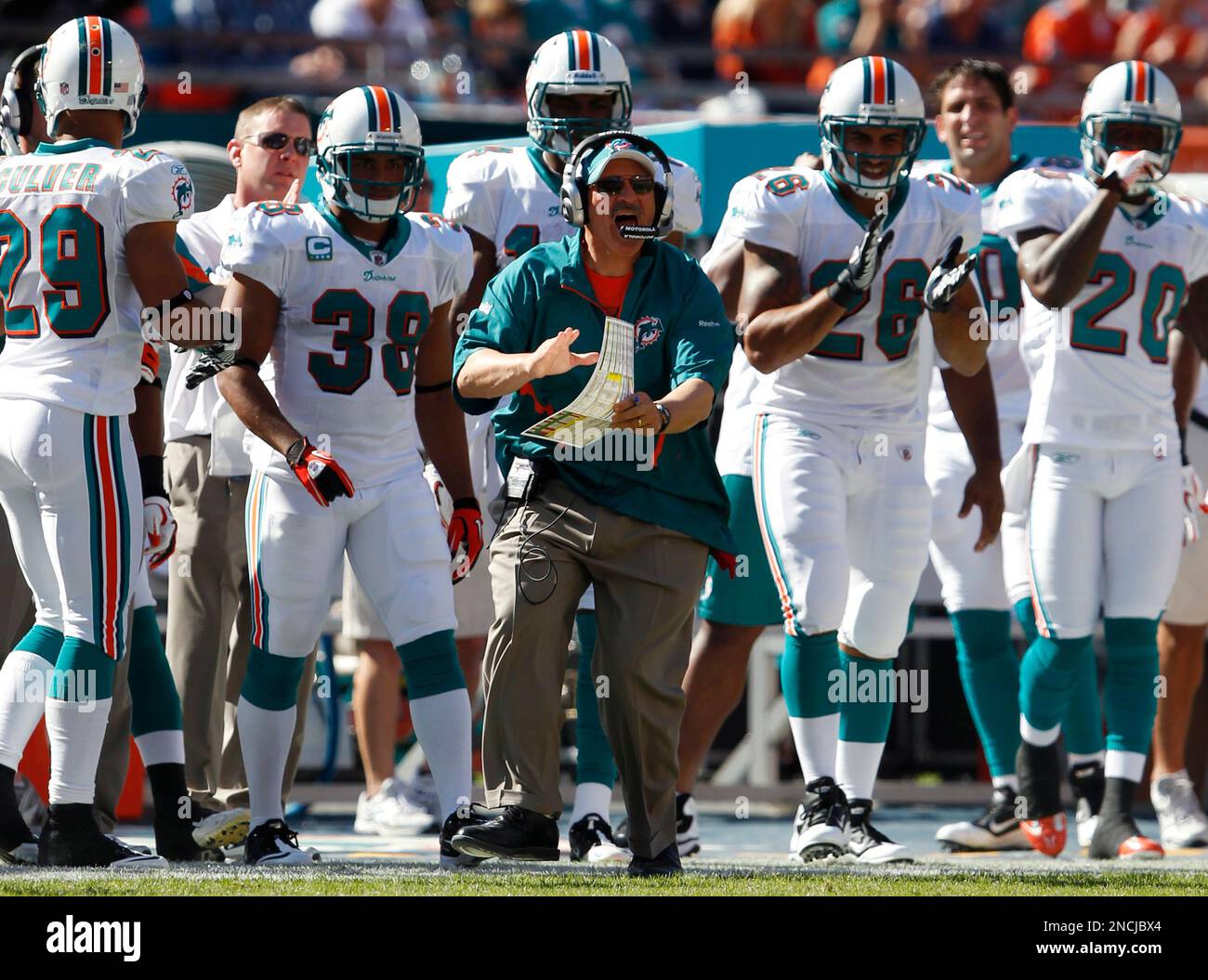
Tony Sparano’s coaching identity was inextricably linked to his personality. He was famously known for his intense fist pumps on the sideline, a gesture that symbolized his celebration of the "small wins"—a perfect block, a third-down conversion, or a successful goal-line stand.
His philosophy centered on three main pillars:
- Accountability: Sparano held stars and rookies to the same standard. If a veteran missed a block, they heard about it in the film room with the same intensity as a practice squad player.
- Protection: Coming from the field himself, Sparano viewed the quarterback’s safety as a sacred trust. He often stated that if the "big guys" didn't play well, the "skill guys" didn't matter.
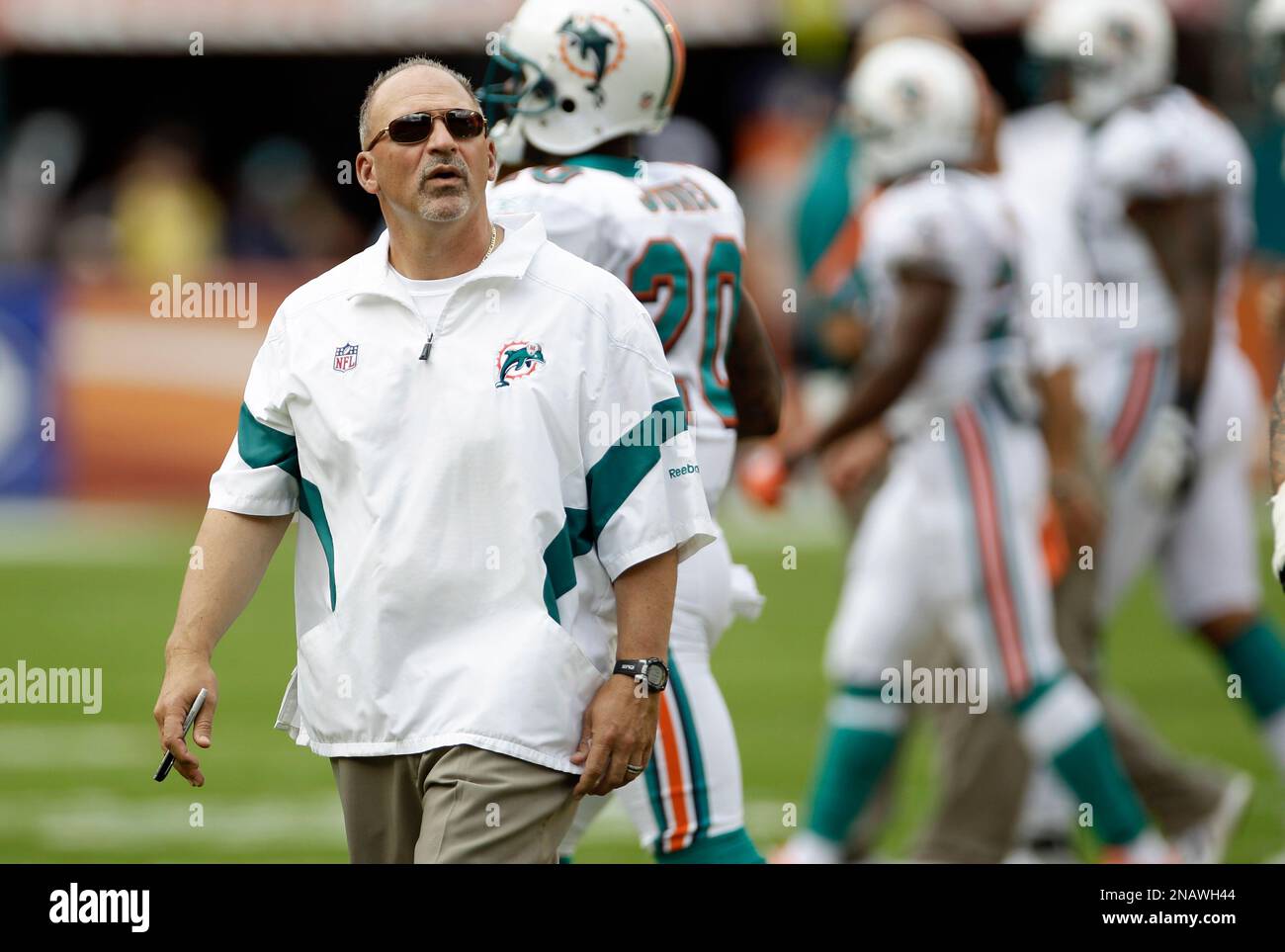
- Resilience: He famously wore sunglasses even during indoor games or night games due to an eye injury sustained in a factory accident as a teenager. This physical mark was a constant reminder of his blue-collar roots and his ability to overcome adversity.
Even after his head coaching tenure in Miami ended in 2011, Sparano remained a vital asset to the league. He served as the interim head coach for the Oakland Raiders in 2014, famously "burying a football" at the practice facility to symbolize the team moving past its previous failures. His later years as the offensive line coach for the Minnesota Vikings saw him continue to mold young blockers into professional stalwarts.
The Final Whistle and Lasting Legacy
Tony Sparano passed away in July 2018 at the age of 56, but his influence on the game remains palpable in 2026. Coaches across the league continue to use the variations of the blocking schemes he perfected. The "Wildcat" influence he popularized paved the way for the modern "positionless" football we see today, where dual-threat quarterbacks and versatile running backs dominate the landscape.
Sparano’s journey from the field to the coach’s seat serves as a blueprint for aspiring coaches. It demonstrates that while elite playing talent is not a prerequisite for coaching success, an elite understanding of the game’s fundamentals is. He was a man who spoke the language of the trenches and translated it into a language of leadership.
For fans and players, Sparano is remembered not just for the wins and losses, but for the grit he instilled in his teams. He proved that an offensive lineman’s perspective—rooted in selflessness and physical dominance—is one of the most powerful foundations a head coach can possess.
Frequently Asked Questions
Why did Tony Sparano always wear sunglasses on the sideline?
Tony Sparano wore dark sunglasses due to a serious eye injury he suffered while working in a factory as a teenager. The accident involved a hot piece of slag that burned his eyes, making them extremely sensitive to light (photophobia). The sunglasses were a medical necessity, not a fashion choice, though they eventually became a signature part of his coaching persona.
What was the "Wildcat" formation and why was it important?
The Wildcat formation, popularized by Sparano in 2008, involves a direct snap to a running back instead of a quarterback. This allows the offense to have an extra blocker (since the QB usually doesn't block), creating a numerical advantage at the point of attack. It was important because it revitalized the running game and forced the NFL to rethink defensive assignments against unconventional sets.
Which NFL teams did Tony Sparano coach for?
Throughout his career, Sparano held coaching positions with the Cleveland Browns, Washington Redskins, Jacksonville Jaguars, Dallas Cowboys, Miami Dolphins (Head Coach), New York Jets, Oakland Raiders (Interim Head Coach), San Francisco 49ers, and Minnesota Vikings.
How did Tony Sparano's playing career influence his coaching?
As an offensive lineman at the University of New Haven, Sparano learned the technical intricacies of pass protection and run blocking. This "field-level" experience allowed him to coach offensive linemen with a level of detail that focused on hand placement, weight distribution, and identifying defensive fronts—skills that are essential for high-level line play.
What is Tony Sparano’s most famous coaching moment?
While the 2008 turnaround is his greatest statistical achievement, he is also widely remembered for "burying the football" in Oakland. After taking over as interim coach of the Raiders in 2014, he literally buried a football at the team's facility to tell his players that the past was dead and a new era had begun. This demonstrated his psychological approach to leadership.
Final Recommendation
To truly understand the impact of Tony Sparano, one should study the 2008 Miami Dolphins season. It remains the gold standard for how a coach can take a team with limited expectations and, through a combination of tactical innovation and a shift in culture, achieve immediate success. For those aspiring to move from the field to the coach's seat, Sparano's career emphasizes that mastering the "why" of the game is just as important as the "how."
Image Gallery