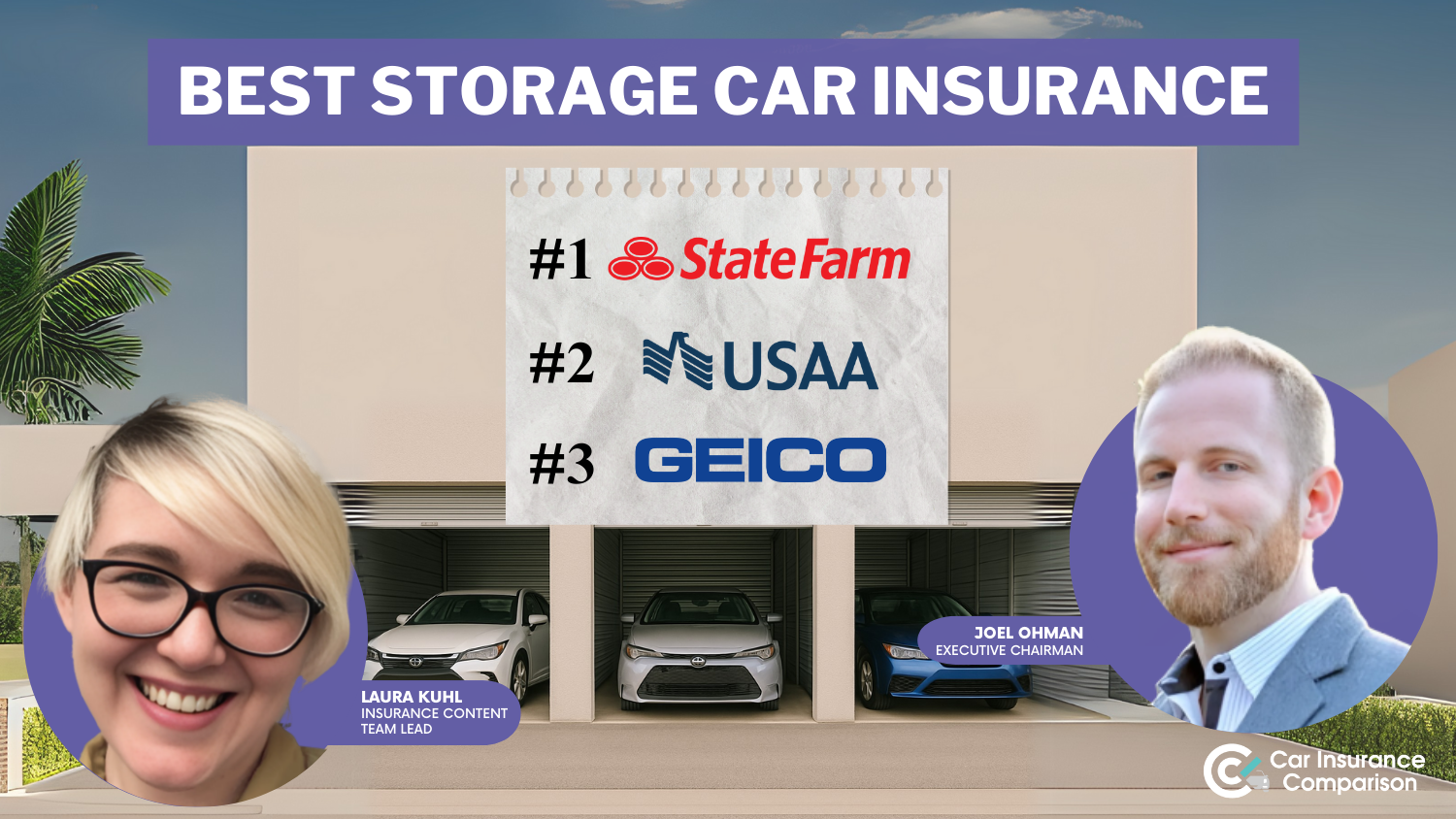
How Insurance Companies Cover Autos in Storage
When a vehicle is taken off the road for an extended period, insurance companies often offer a "storage policy" or a "comprehensive-only" adjustment. This approach removes liability and collision coverage—which are unnecessary for a ca...
When a vehicle is taken off the road for an extended period, insurance companies often offer a "storage policy" or a "comprehensive-only" adjustment. This approach removes liability and collision coverage—which are unnecessary for a car that is not being driven—while maintaining financial protection against non-driving perils like theft, vandalism, fire, weather damage, and falling objects.
Contents
Understanding Vehicle Storage Coverage
Standard auto insurance policies are designed for active vehicles. When you operate a car on public roads, premiums are calculated based on risk factors like commute distance, driver age, and the probability of a collision. Once a vehicle is placed into storage, the risk profile shifts entirely. Insurance companies typically handle this by stripping away the active-use components of the policy and leaving only "comprehensive" (often referred to as "other than collision") coverage.
It is important to note that "storage coverage" is not a standardized legal term across every insurance provider. Instead, it is a colloquial term for a policy modification. Because insurance is regulated at the state level in the United States, your ability to drop specific coverages depends heavily on whether your vehicle is financed or owned outright, and the specific guidelines enforced by your insurance carrier.
The Critical Role of Comprehensive Insurance
Comprehensive coverage is the cornerstone of vehicle storage protection. It is designed to cover financial losses that occur while the vehicle is parked. In a storage scenario, you are essentially betting that the car will remain safe from external forces, yet accidents still happen.
Comprehensive policies generally cover:
- Theft and Vandalism: Even in a garage, high-value parts or the entire vehicle can be stolen.
- Weather-Related Damage: Hail, windstorms, and flooding can cause significant, non-collision structural damage.
- Fire and Explosion: Wiring issues, gas leaks in a facility, or nearby accidents can destroy a parked car.
- Falling Objects: Trees, garage roof collapses, or debris from nearby construction.
By maintaining only comprehensive coverage, you significantly lower your premiums while ensuring that your asset does not lose its entire value due to an unforeseen catastrophe.
Prerequisites for Storage Adjustments
Before an insurance company will allow you to switch to a storage-only plan, you must meet specific criteria. Carriers are inherently cautious because they want to ensure that if you are claiming the car is in storage, it is truly not being driven.
- Lienholder Approval: If your vehicle is financed, you cannot simply drop liability and collision coverage. Your lender maintains a financial interest in the car and requires "full coverage" to ensure their collateral is protected. You must contact your lender to see if they offer a grace period or if they strictly require collision coverage regardless of the vehicle’s status.
- Length of Storage: Most providers require a minimum duration for a policy to be eligible for a storage adjustment—often 30, 60, or 90 days. Short-term storage (such as a weekend) usually does not qualify.
- Proof of Storage: Some insurance companies may ask for documentation verifying that the vehicle is stored in a secure, climate-controlled, or off-site facility. This is more common with high-value or classic car insurance policies.
- Registration Status: In some jurisdictions, if you drop liability coverage, the Department of Motor Vehicles (DMV) may require you to surrender your license plates or file a "Planned Non-Operation" (PNO) status to avoid fines for uninsured vehicles.
Comparing Standard and Storage Coverage
To help visualize the difference, the following table illustrates the standard components of an auto policy versus the typical "storage" configuration.
| Coverage Type | Standard Policy | Storage Adjustment |
|---|---|---|
| Liability | Mandatory (Bodily Injury/Property Damage) | Removed |
| Collision | Mandatory for financed cars | Removed |
| Comprehensive | Included | Retained |
| Uninsured Motorist | Often mandatory | Removed |
| Premium Cost | Standard Market Rate | Significantly Reduced |
Procedural Steps to Secure Storage Coverage
If you decide to move your vehicle into storage, follow this workflow to ensure you remain compliant with the law and your lender's requirements.
Step 1: Evaluate Your Financial Obligations
Contact your lienholder first. If they refuse to waive the requirement for collision coverage, your options are limited. You may be able to increase your deductible to the maximum allowable amount, which can lower your premium even if you cannot remove the coverage entirely.
Step 2: Contact Your Insurance Agent
Request a quote for a "storage adjustment." Ask specifically if the company offers a specific endorsement for stored vehicles or if they are simply removing lines of coverage from your existing policy. Clarify if you need to provide a new address if the vehicle is being moved to a professional storage facility.
Step 3: Formalize the Change
Once you agree to the terms, ensure you receive a revised policy declaration page (often called a "dec page"). Review this document to verify that the liability and collision segments are officially marked as excluded or showing $0 premiums.
Step 4: Manage Your Registration
If your state requires insurance to maintain an active registration, check the specific rules regarding the lapse of liability coverage. If you are not in a PNO-compliant state, you may be vulnerable to administrative fees if you do not properly notify the DMV of the vehicle's inactive status.
Risks and Common Mistakes
The most frequent mistake owners make is "forgetting" the car is in storage and driving it once, believing they are still covered. If you operate a vehicle that you have declared as "stored" and you are involved in an accident, your claim will be denied. Because you opted out of liability and collision, you would be personally responsible for all damages, medical bills, and legal repercussions.
Furthermore, do not assume that storage at a commercial facility implies that the facility's insurance covers your car. Commercial storage contracts often contain "limitation of liability" clauses. You should always maintain your own comprehensive coverage because the storage facility’s insurance usually only covers the building itself or their own negligence, not damage caused by nature or unknown third parties.
Frequently Asked Questions
Can I keep my car insured while it is in storage during the winter? Yes. You can switch to a storage policy for the winter months. Just ensure you reinstate your full coverage immediately before the spring, when you intend to drive the vehicle again.
What happens if I forget to turn my insurance back on before driving? If you drive without active liability insurance, you are violating state financial responsibility laws. You risk immediate license suspension, fines, and being personally liable for damages in the event of an accident.
Does a storage policy cover theft if the car is in my home garage? Yes. Comprehensive coverage generally extends to theft, regardless of whether the vehicle is stored in a commercial warehouse or your private garage, provided the vehicle is at the garaging address listed on your policy.
Should I cancel my policy entirely instead of choosing storage coverage? Canceling a policy is usually a poor decision. It creates a gap in your insurance history, which can lead to higher premiums when you seek to re-insure the car later. It also leaves the vehicle completely unprotected against fire or theft.
Final Recommendation
If you plan to store your vehicle for more than one season, contact your insurer to request an adjustment to your current policy rather than canceling it. Prioritize maintaining comprehensive coverage to protect your asset from non-driving perils, and always clear this transition with your lienholder to ensure you remain in compliance with your loan agreement. Always document the dates you intend for the vehicle to be off the road and set a calendar reminder to reinstate your full coverage before you resume driving the vehicle.
Image Gallery