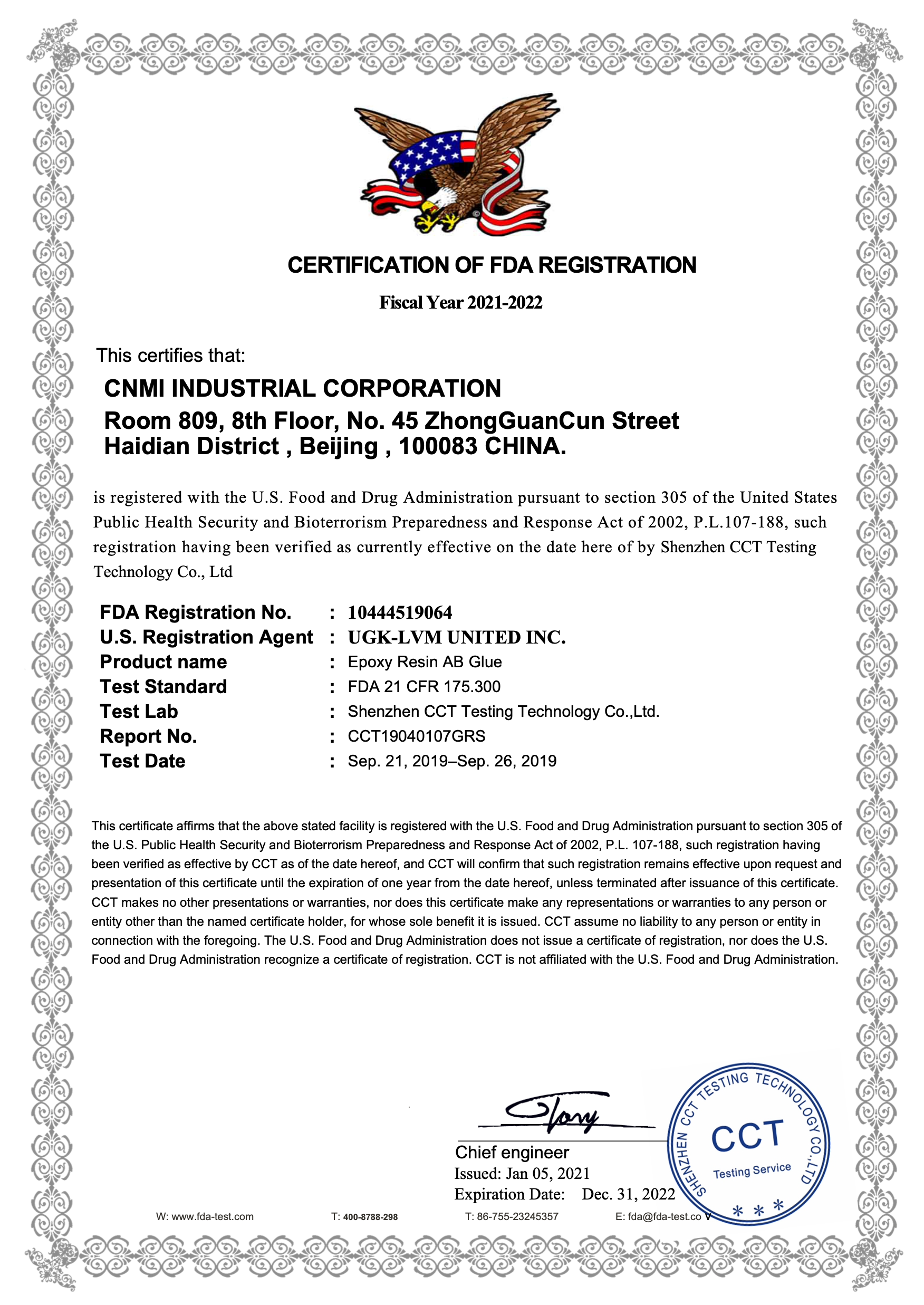
How to Obtain an FDA Registration Certificate
To obtain an FDA registration certificate, you must register your facility through the FDA Unified Registration and Listing System (FURLS) or the CDER Direct portal. After submitting facility data, a Unique Facility Identifier (UFI), a...
To obtain an FDA registration certificate, you must register your facility through the FDA Unified Registration and Listing System (FURLS) or the CDER Direct portal. After submitting facility data, a Unique Facility Identifier (UFI), and paying any applicable user fees, the FDA issues a registration number. Physical certificates are then typically provided by third-party registrars.
Contents
Understanding the "FDA Registration Certificate" Disambiguation
Before proceeding with the technical steps, it is essential to clarify a common industry misconception regarding the term "FDA Registration Certificate." Legally, the United States Food and Drug Administration (FDA) does not issue physical certificates of registration. When a business successfully registers its facility, the FDA provides a registration number and an acknowledgment of registration via an electronic confirmation or a "Notice of Registration."
The physical, formal-looking certificates often displayed by companies are issued by third-party regulatory consultants or registrars. These private entities verify that a company’s registration is active in the FDA database and then issue a certificate as a professional courtesy. These documents are widely used in international trade, as customs officials, retailers, and distributors often require proof of registration in a standardized, easy-to-read format. Therefore, "obtaining a certificate" is a two-part process: completing the official government registration and then securing a verified document from a service provider.
Determining Your Registration Requirements by Industry
In 2026, the FDA mandates registration for several distinct industries, each with its own set of rules, portals, and fee structures. You cannot use a "one-size-fits-all" approach to registration.
Food and Beverage Facilities
Under the Food Safety Modernization Act (FSMA), all domestic and foreign facilities that manufacture, process, pack, or hold food for human or animal consumption in the U.S. must register. This includes warehouses and cold storage facilities. Food facility registration is free, but it must be renewed every even-numbered year between October 1 and December 31.
Medical Device Establishments
Establishments involved in the production and distribution of medical devices intended for use in the U.S. are required to register annually. This includes manufacturers, contract manufacturers, and repackagers. Unlike food facilities, medical device firms must pay an annual establishment registration fee, which is a significant "user fee" updated every fiscal year.
Drug and Pharmaceutical Facilities
Facilities that manufacture, prepare, propagate, compound, or process drugs must register and list all of their commercially distributed drug products. This includes both finished dosage forms and Active Pharmaceutical Ingredients (APIs). Registration is managed through the Electronic Drug Registration and Listing System (eDRLS).
Cosmetic Establishments
Following the full implementation of the Modernization of Cosmetics Regulation Act (MoCRA), cosmetic facility registration is now mandatory. Previously voluntary, manufacturers and processors of cosmetic products must now register their facilities and submit product listings to the FDA, ensuring higher transparency in the beauty and personal care sector.
Essential Prerequisites: The DUNS Number and UFI
The FDA requires a Unique Facility Identifier (UFI) to validate the identity and location of a business. As of 2026, the FDA recognizes the Data Universal Numbering System (DUNS) number as the acceptable UFI for most registration types.
You must obtain a DUNS number from Dun & Bradstreet before attempting to register with the FDA. This number is a unique nine-digit identifier for businesses. It is critical that the information on your DUNS record (company name, physical address, and contact details) exactly matches the information you intend to provide to the FDA. Even a minor discrepancy, such as "Street" vs. "St.", can lead to a registration rejection or a "verification pending" status that stalls your operations.
The Role of the U.S. Agent for Foreign Facilities
Every foreign facility must designate a U.S. Agent during the registration process. This is a person or entity located or maintaining a physical presence in the United States. The U.S. Agent acts as a communication link between the FDA and the foreign facility.
The responsibilities of a U.S. Agent include:
- Assisting the FDA in scheduling inspections of the foreign facility.
- Answering questions regarding the foreign facility’s products imported or offered for import into the U.S.
- Receiving official FDA communications, such as notices of inspection or regulatory actions.
It is important to note that the U.S. Agent does not have the legal authority to report incidents or submit medical device reports; their role is primarily administrative and communicative. Many companies hire professional regulatory firms to act as their U.S. Agent to ensure that time-sensitive FDA inquiries are handled by experts.
Step-by-Step Process to Official FDA Registration
Once you have your DUNS number and, if applicable, your U.S. Agent, you can begin the formal registration process.
Step 1: Create an FDA Industry Systems (FIS) Account
Most registrations are handled through the FDA Industry Systems portal. You will need to create an account, which provides access to the FURLS (FDA Unified Registration and Listing System). Ensure you safeguard your Account ID and Password, as these are required for annual renewals.
Step 2: Select the Appropriate Module
Within the FIS portal, select the module corresponding to your industry (e.g., Food Facility Registration, Medical Device Registration, or Cosmetics Direct). Each module has specific data fields tailored to that industry's regulatory requirements.
Step 3: Enter Facility and Product Data
You will be asked to provide:
- The physical address of the facility.
- Owner and operator contact information.
- The DUNS number (UFI).
- The names and contact information of the U.S. Agent (for foreign firms).
- Product categories and trade names.
Step 4: Pay User Fees (Medical Devices Only)
For medical devices, registration is not considered complete until the MDUFA (Medical Device User Fee Amendments) fee is paid. For the 2026 fiscal year, this fee must be paid online via the FDA’s User Fee Portal. Once paid, you will receive a Payment Identification Number (PIN) and a Payment Confirmation Number (PCN), which must be entered into the FURLS system to activate the registration.
Step 5: Submission and Acknowledgment
After submitting the application, the FDA system will validate the DUNS number. If the information is correct, the system will generate a registration number (though for new medical device registrations, the permanent registration number may take 30–90 days to be assigned; a temporary Owner/Operator number is provided immediately).
Comparison of Registration Requirements by Industry (2026 Status)
| Industry | Primary Portal | Mandatory UFI | User Fees | Renewal Cycle |
|---|---|---|---|---|
| Food | FURLS / FFREG | DUNS Number | No | Biennial (Even Years) |
| Medical Devices | FURLS / DRLS | DUNS Number | Yes (~$9,500+) | Annual (Oct 1–Dec 31) |
| Drugs/API | CDER Direct / ESG | DUNS Number | Varies (GDUFA/PDUFA) | Annual (Oct 1–Dec 31) |
| Cosmetics | Cosmetics Direct | DUNS Number | No | Biennial |
| Tobacco | CTP Portal | Facility ID | No | Annual |
How to Obtain the Physical Certificate
After your registration number is active in the FDA Establishment Search database, you can obtain a certificate of registration. Since the FDA does not provide these, you must contact a private regulatory consultant.
These consultants will:
- Verify Status: Log into the FDA database to ensure your registration is current and valid.
- Verify Listing: Ensure all products are correctly listed under your registration.
- Issue Document: Generate a formal certificate that includes your Registration Number, Owner/Operator Number, and the products covered.
These certificates typically have an expiration date aligned with the FDA's renewal cycle. They are highly useful for clearing products through U.S. Customs and Border Protection (CBP), as they provide immediate, legible proof of compliance that is easier for agents to process than a raw database printout.
Common Mistakes and Troubleshooting
The process of obtaining and maintaining registration is prone to several common pitfalls that can lead to "Registration Suspended" status or shipment detentions.
- DUNS Discrepancies: This remains the leading cause of registration delays. If your D&B profile lists your company as "Acme Corp LLC" and your FDA filing says "Acme Corporation," the automated system may fail to verify the UFI. Always update D&B first.
- Failure to Renew: Food facilities often forget the biennial renewal in even-numbered years. If you fail to renew by December 31, your registration is "expired," and the FDA will remove it from the database. Re-registering results in a new number, which can disrupt your historical records with customs.
- U.S. Agent Inactivity: If the FDA contacts your U.S. Agent and they do not respond within a reasonable timeframe, the FDA may summarily cancel your registration. Ensure your agent is reachable and professional.
- Incorrect Product Classification: For medical devices, registering a facility is only half the battle. If the product listing is classified under the wrong "Product Code," your registration may be deemed "incomplete" during an audit.
Frequently Asked Questions
Does the FDA issue a certificate of registration?
No. The FDA provides a registration number and an electronic acknowledgment. Physical certificates are documents issued by third-party regulatory firms to help businesses prove their registration status to partners and customs officials.
How much does it cost to register with the FDA in 2026?
The cost depends on the industry. Food and cosmetic registrations are free of charge. Medical device establishments must pay an annual user fee, which for fiscal year 2026 is projected to be between $9,500 and $10,500 depending on final MDUFA adjustments. Drug manufacturers may face much higher fees under PDUFA or GDUFA programs.
How long does it take to get an FDA registration number?
For food and cosmetic facilities, the registration number is usually generated immediately upon successful submission. For medical devices, you receive an Owner/Operator number immediately, but the specific Registration Number (FEI) can take several weeks to appear in the public database.
Do I need to register if I only store food?
Yes. Any facility that "holds" food for consumption in the U.S. must register as a food facility. This includes third-party logistics (3PL) providers and cold storage warehouses.
Can one registration cover multiple locations?
No. FDA registration is facility-specific. If your company has three separate manufacturing plants, each plant must have its own unique registration number, even if they are all owned by the same corporate entity.
What happens if I export to the U.S. without registration?
Shipments from unregistered facilities are subject to "Detention Without Physical Examination" (DWPE). The goods will be held at the port of entry, and the importer will be responsible for storage costs. If registration is not completed quickly, the goods may be refused entry and ordered destroyed or re-exported.
Practical Recommendation
If you are a new business or an international exporter, your first action should be to verify or apply for a DUNS number. This identifier is the foundation of your FDA profile. Once the DUNS data is accurate, determine if your product requires a user fee (Medical Devices/Drugs) and ensure those funds are allocated. Finally, consider engaging a professional U.S. Agent or registrar who can not only manage the technical filing but also provide the verified "Certificate of Registration" you will need for your commercial shipping documents.
Image Gallery