Apples Cooked with Cinnamon: A Simple Sustainable Recipe
Preparing apples cooked with cinnamon provides a straightforward, nutrient-dense dessert or breakfast component that minimizes food waste by utilizing fruit that may have passed its peak ripeness. This recipe involves gently simmering...
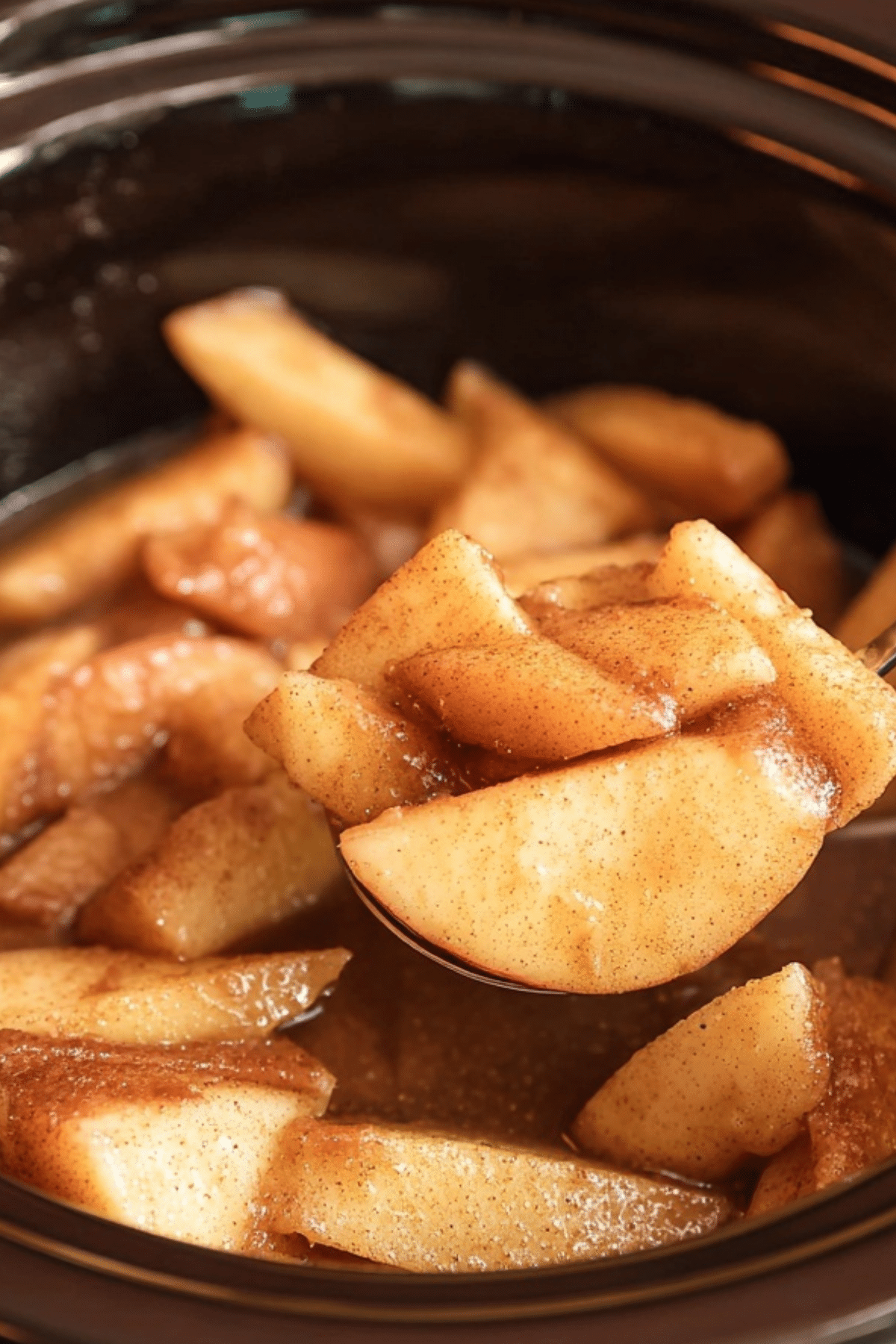
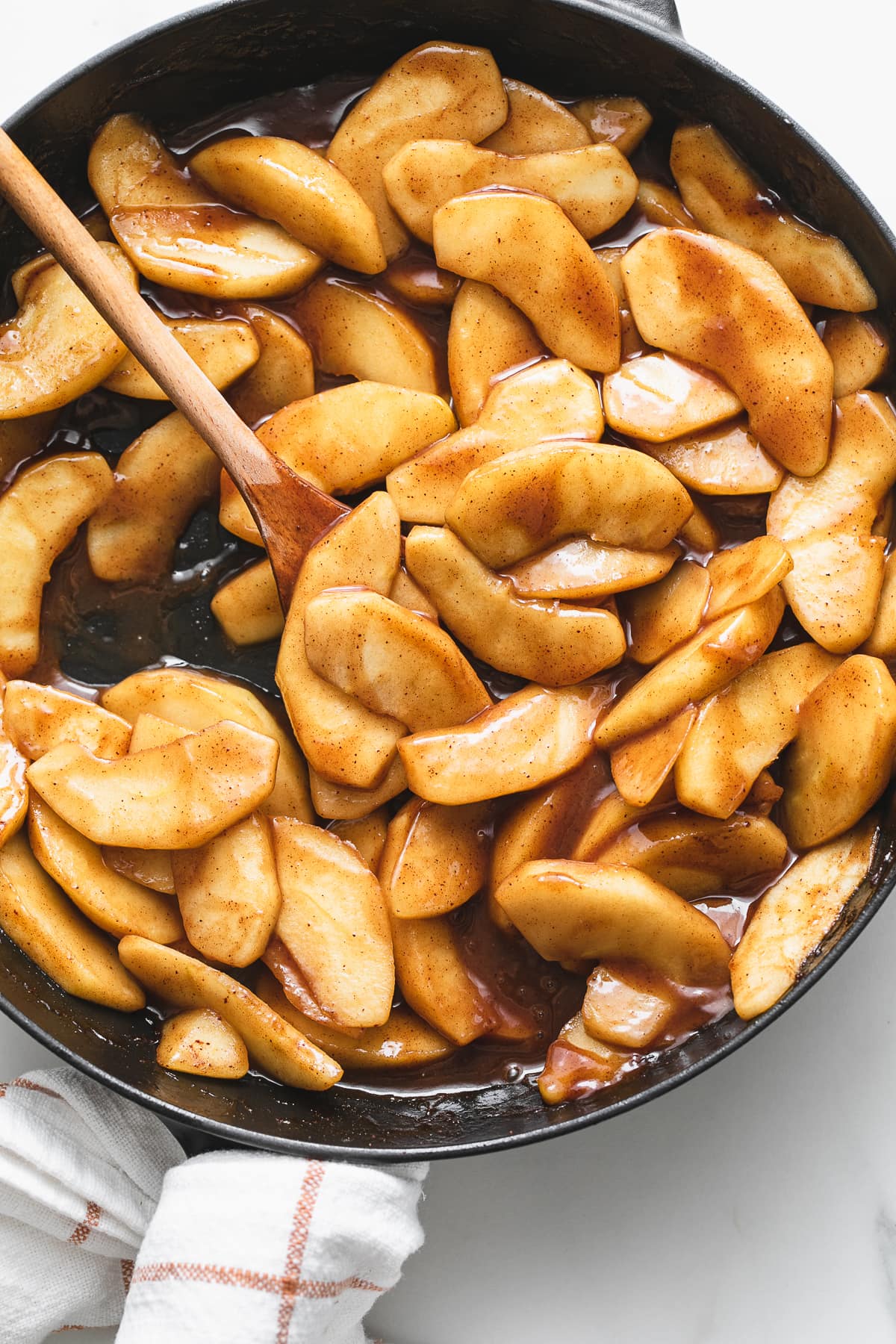
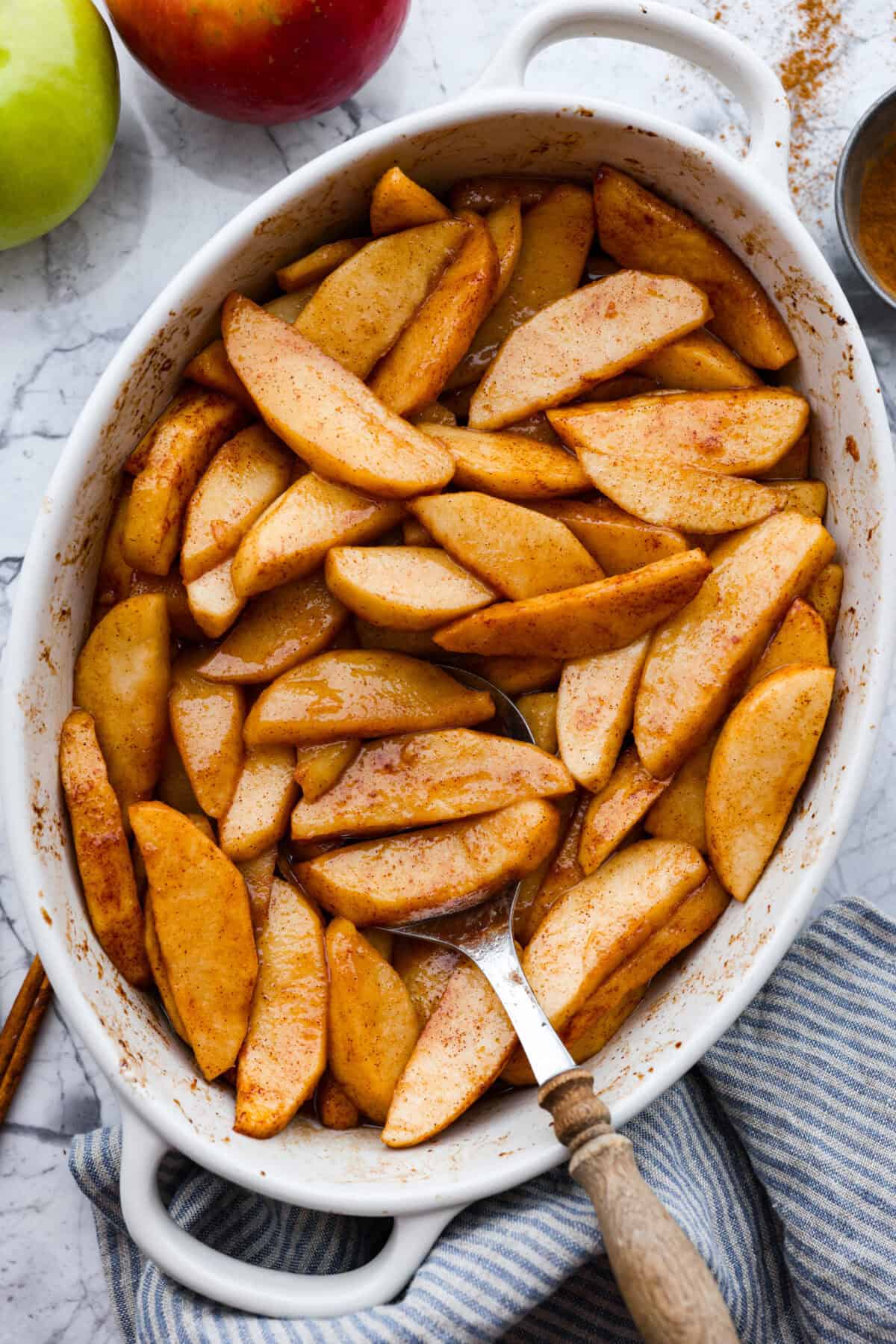
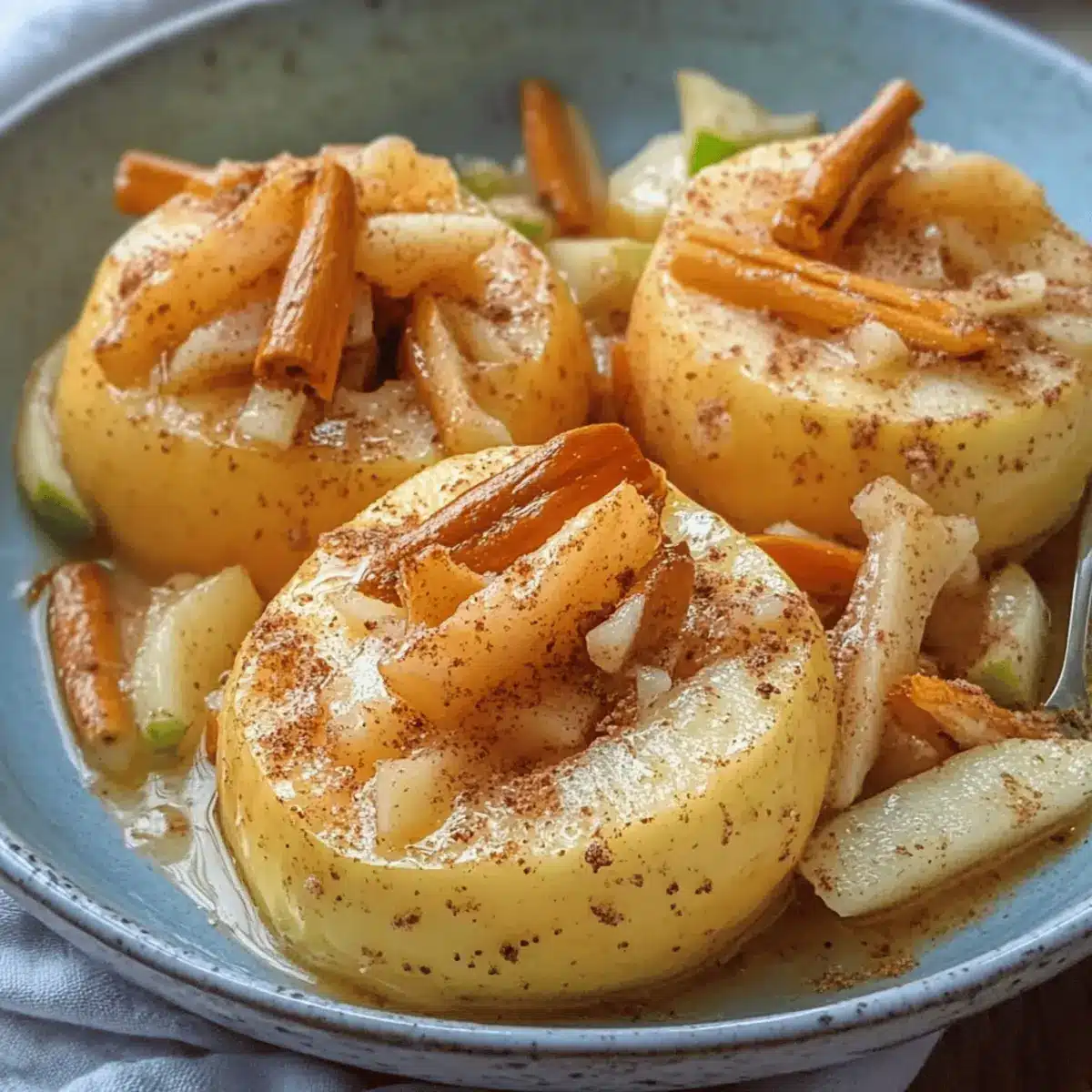
Preparing apples cooked with cinnamon provides a straightforward, nutrient-dense dessert or breakfast component that minimizes food waste by utilizing fruit that may have passed its peak ripeness. This recipe involves gently simmering apple slices with high-quality cinnamon to soften the fruit’s natural sugars and infuse the spice, creating a balanced, wholesome dish that requires minimal energy and relies on shelf-stable pantry staples.
Contents
The Principles of Sustainable Apple Preparation
Sustainability in the kitchen begins with reducing food waste. Apples are frequently discarded due to slight bruising, softening textures, or minor blemishes that do not affect their safety or nutritional value. By cooking these fruits, you transform them into a palatable meal that extends their shelf life significantly. Choosing locally sourced, seasonal apples further reduces the carbon footprint associated with long-distance transportation and cold storage.
When selecting apples for cooking, prioritize varieties that hold their shape under heat, such as Braeburn, Granny Smith, or Honeycrisp. However, for a "simple" approach, any variety on hand will suffice. If the skin is intact, leaving it on provides essential dietary fiber and pectin, while also reducing the organic waste generated during preparation.
Prerequisites and Kitchen Requirements
To prepare this dish effectively, you need only basic kitchen tools and a few core ingredients. This simplicity is a hallmark of sustainable cooking, as it avoids reliance on specialized, energy-intensive appliances.
Essential Equipment:
- Heavy-bottomed pan or skillet: A cast-iron skillet or stainless-steel pan ensures even heat distribution, preventing the apples from burning.
- Paring knife: To core and slice the apples.
- Wooden spoon: For gentle stirring to maintain the structural integrity of the slices.
- Stove top: Utilizing a low-to-medium heat setting saves energy compared to roasting in an oven.
Key Ingredients:
- Apples: 4 to 6 medium apples.
- Cinnamon: 1 to 2 teaspoons of high-quality ground cinnamon.
- Fat source (optional): A small amount of butter, ghee, or coconut oil to aid in heat transfer and mouthfeel.
- Liquid (optional): A splash of water, apple cider, or maple syrup to create a light glaze.
Step-by-Step Cooking Process
The goal of this recipe is to achieve a tender texture while preserving the natural flavor profile of the apple. Avoid overcooking, which results in a breakdown into applesauce.
- Preparation: Wash the apples thoroughly. Remove the core and slice them into uniform wedges, approximately 1/2 inch thick. Uniformity is critical to ensure all pieces reach the desired tenderness simultaneously.
- Initial Heating: Place your pan on the stove over medium-low heat. If using a fat source, add it now and allow it to melt until it begins to shimmer.
- Sautéing: Add the apple slices to the pan. If the pan is crowded, work in batches to ensure the fruit browns slightly rather than steaming in its own juices.
- Seasoning: Sprinkle the ground cinnamon evenly over the apples. Stir gently to coat every slice.
- Simmering: Add a tablespoon of water or cider to the pan and cover with a lid. This traps steam and accelerates the cooking process, requiring less time on the burner. Cook for 5 to 8 minutes.
- Verification: Test for doneness by piercing a slice with a fork. It should offer minimal resistance but still hold its shape.
- Finishing: Remove the lid and cook for an additional 1 to 2 minutes to allow the liquid to evaporate into a light, syrupy glaze.
Nutritional and Dietary Considerations
Apples cooked with cinnamon are inherently low in saturated fats and high in complex carbohydrates. Cinnamon is often associated with the potential to improve insulin sensitivity, though it is best viewed as a flavoring agent rather than a supplement.
For those managing blood glucose levels, the natural fiber in the apple skin helps moderate the absorption of sugars. By avoiding the addition of refined white sugar, you maintain the "whole-food" integrity of the dish. If the apples are particularly tart, consider a small amount of date paste or a drizzle of honey as a natural sweetener alternative to processed sugars.
Table: Comparison of Cooking Methods for Apples
| Method | Energy Efficiency | Texture Outcome | Suitability |
|---|---|---|---|
| Stovetop Sauté | High | Tender-crisp | Quick, daily snacks |
| Oven Roasting | Moderate | Soft, caramelized | Batch cooking, desserts |
| Microwave | Very High | Very soft, uniform | Rapid, emergency prep |
| Slow Cooking | Low | Fall-apart tender | Large quantities |
Addressing Common Mistakes
- Uneven Slicing: When apples are cut into varying thicknesses, smaller pieces turn to mush before larger pieces are cooked through. Use a consistent cutting technique to ensure uniformity.
- Excessive Heat: High heat causes the sugars in the apples to caramelize too quickly or burn, leading to a bitter taste. Always maintain a medium-low flame.
- Overcrowding the Pan: If the pan is filled to the brim, the apples will release too much moisture too quickly, resulting in a soggy, boiled texture rather than a sautéed one.
- Ignoring Seasonality: Using mealy, out-of-season apples will result in poor flavor. Even if the cooking process is perfect, the quality of the starting ingredient defines the final result.
Frequently Asked Questions
Can I substitute cinnamon with other spices? Yes, spices such as nutmeg, ginger, or cloves pair excellently with cooked apples. Start with small quantities, as these spices have more pungent oils than cinnamon and can easily overwhelm the subtle flavor of the fruit.
How long can I store cooked apples in the refrigerator? Cooked apples can be stored in an airtight glass container for up to 4 days. Reheat them gently on the stovetop or in a microwave; however, note that they will soften further upon reheating.
Is it necessary to peel the apples? Peeling is a personal preference. From a sustainability standpoint, keeping the peel is superior as it retains fiber and nutrients that would otherwise be composted. If you choose to keep the peel, ensure the apples are scrubbed well.
Can this recipe be made without any added fat? Yes, you can sauté apples using only a small amount of liquid, such as apple juice or water, to prevent sticking. This reduces the caloric content of the dish without compromising the flavor.
Are these apples safe for freezing? Yes, but they will lose their structural integrity. Frozen cooked apples are best reserved for use in smoothies, oatmeal, or as a topping for yogurt where texture is less critical.
Next Actions for the Sustainable Home Cook
To integrate this recipe into a sustainable lifestyle, track the amount of fruit you save from the compost bin over the course of one month. By establishing a routine where "older" apples are immediately converted into cooked cinnamon snacks, you reduce your household food waste and gain a reliable, healthy dessert option. Consider pairing these apples with plain Greek yogurt or steel-cut oats to create a complete, nutrient-balanced breakfast.
Image Gallery