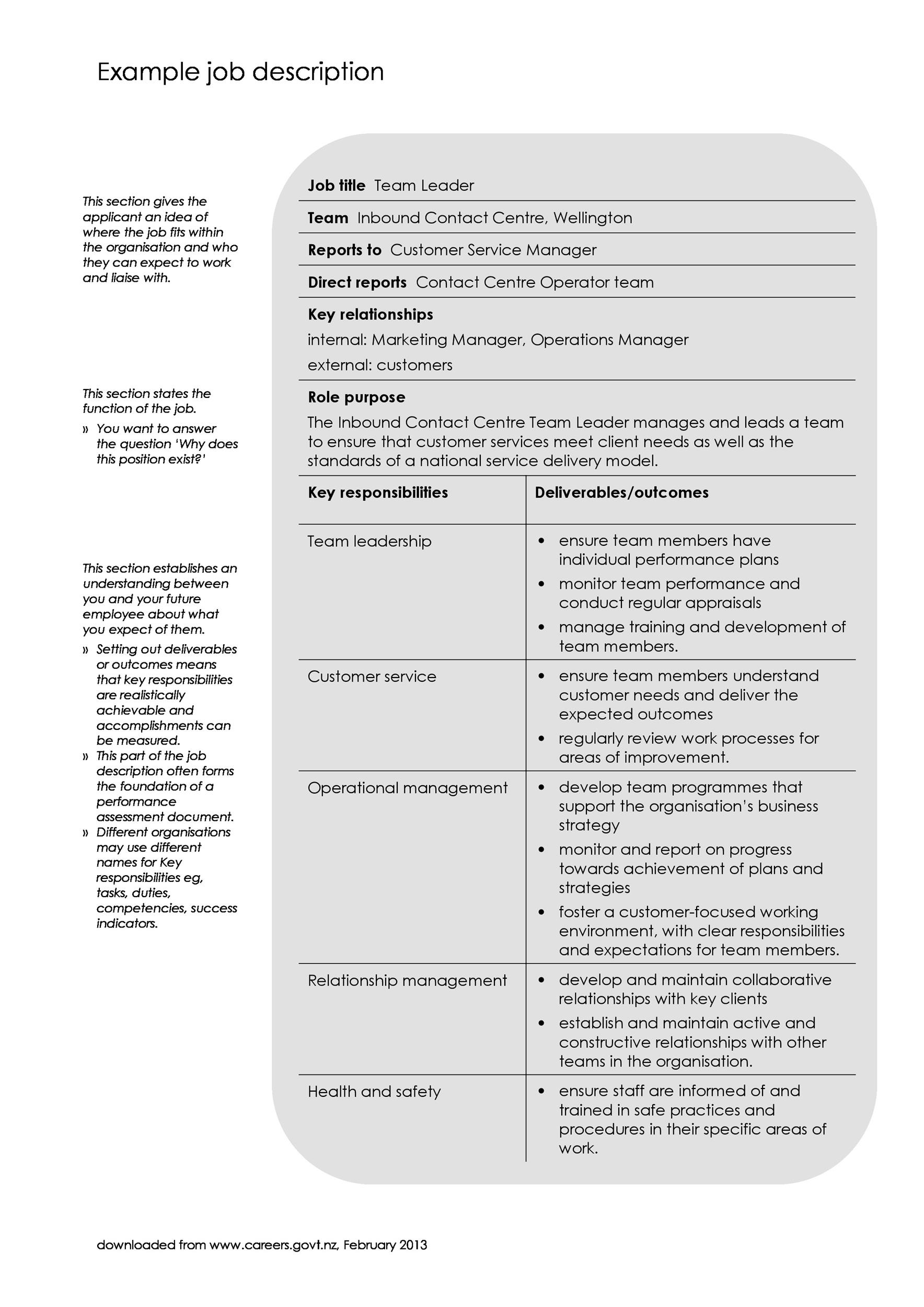
Job Description for Policy Holder Services: Crafting a Competitive Life Insurance Resume
A policy holder services job description for a life insurance resume focuses on the administration of active policies, including premium processing, beneficiary updates, and contract maintenance. In 2026, top candidates must highlight...
A policy holder services job description for a life insurance resume focuses on the administration of active policies, including premium processing, beneficiary updates, and contract maintenance. In 2026, top candidates must highlight technical proficiency in insurance management software, knowledge of regulatory compliance like AML and KYC, and a track record of improving policy retention rates.
Contents
Policy holder services (PHS) is the operational engine of any life insurance carrier. While sales agents bring in new business and underwriters assess risk, the PHS team manages the decades-long relationship between the insurer and the insured. For a professional building a resume in 2026, reflecting the evolution of this role from simple data entry to complex financial administration is essential for securing a position in a competitive market.
The Scope of Policy Holder Services in Life Insurance
In the context of life insurance, policy holder services refers to the comprehensive management of a policy’s lifecycle after the initial underwriting and issuance phases. Unlike property and casualty insurance, which often operates on annual renewals, life insurance contracts—particularly permanent policies like Whole Life or Universal Life—can remain active for fifty years or more. This longevity requires a PHS professional to be adept at managing shifting legal requirements, changing tax laws, and evolving customer needs over long horizons.
The primary objective of this role is to ensure the integrity of the insurance contract. This involves maintaining accurate records, facilitating financial transactions such as policy loans or surrenders, and ensuring that all changes to the policy comply with both company internal guidelines and state-level insurance regulations. In 2026, this also includes navigating digital portals and AI-driven administrative tools that have streamlined routine tasks, allowing PHS specialists to focus on high-value, complex cases.
Key Responsibilities for a Policy Holder Services Resume
When drafting a resume or looking for a job description, it is vital to categorize responsibilities into actionable clusters. Employers in 2026 look for candidates who can demonstrate expertise in the following areas:
1. Contract Maintenance and Policy Updates
The core of PHS is the accurate execution of policy changes. This is not merely administrative; it is a legal function.
- Beneficiary Designations: Managing changes to primary and contingent beneficiaries, ensuring that legal documents (such as trusts or divorce decrees) are properly vetted before updates are finalized.
- Ownership Transfers: Facilitating the legal transfer of policy ownership, often involving complex absolute or collateral assignments.
- Address and Contact Updates: Maintaining the "know your customer" (KYC) standards by ensuring all policyholder data is current, which is critical for the timely delivery of annual statements and tax documents.
2. Financial Transaction Management
PHS professionals handle significant sums of money, requiring high levels of accuracy and honesty.
- Premium Accounting: Reconciling premium payments, managing "Paid-Up Additions," and resolving issues with Automated Clearing House (ACH) or credit card failures.
- Policy Loans and Withdrawals: Processing requests for cash value access. In 2026, this requires a deep understanding of the tax implications (such as MEC status—Modified Endowment Contracts) to advise policyholders correctly on the potential taxability of their distributions.
- 1035 Exchanges: Handling the tax-free exchange of one life insurance or annuity contract for another under Section 1035 of the Internal Revenue Code.
3. Regulatory Compliance and Quality Control
The insurance industry remains one of the most heavily regulated sectors in the United States and globally.
- Anti-Money Laundering (AML): Identifying and reporting suspicious patterns in premium payments or frequent policy changes that might suggest financial crimes.
- Unclaimed Property (Escheatment): Proactively searching for beneficiaries of policies where the insured is presumed deceased, in accordance with the National Association of Insurance Commissioners (NAIC) guidelines.
- Audit Readiness: Maintaining documentation trails that can withstand internal audits and state-level market conduct examinations.
Essential Skills for the 2026 Insurance Market
To stand out on a resume, you must bridge the gap between traditional insurance knowledge and modern technical skill sets.
Technical Proficiency
The "digital-first" environment of 2026 demands more than just basic computer literacy. You should highlight experience with:
- Insurance Administration Systems: Mention specific platforms like Guidewire, SAP for Insurance, or Oracle Insurance Policy Administration (OIPA).
- Customer Relationship Management (CRM): Proficiency in Salesforce (Financial Services Cloud) is often a prerequisite for senior PHS roles.
- Workflow Automation: Experience using tools like ServiceNow or specialized AI indexing tools that categorize incoming policyholder requests automatically.
Soft Skills and Emotional Intelligence
Life insurance often intersects with difficult life events.
- De-escalation: The ability to handle frustrated policyholders who may be facing financial hardship or dealing with the recent loss of a loved one.
- Analytical Thinking: Evaluating complex policy structures to explain to a client why a dividend was lower than expected or how a loan interest rate is calculated.
- Attention to Detail: In life insurance, a single transposed digit in a social security number or a misspelled name on a beneficiary form can lead to years of legal disputes.
How to Format Your Experience for Maximum Impact
When writing your professional experience section, use the "C-A-R" method: Challenge, Action, Result. This demonstrates to a hiring manager that you don't just "do tasks," but you "solve problems."
Example 1 (Weak): "Responsible for processing beneficiary changes and answering customer phone calls."
Example 2 (Strong/2026 Standard): "Administered over 500 monthly beneficiary and ownership updates with a 99.8% accuracy rate. Streamlined the 1035 exchange process by implementing a new digital tracking sheet, reducing average processing time from 14 days to 9 days, significantly improving the policyholder onboarding experience."
Incorporating Industry Standard Terminology
Using specific keywords will help your resume pass through Applicant Tracking Systems (ATS). Ensure you include terms such as:
- Cash Value Accumulation
- Death Benefit Claims Processing
- Premium Mode Changes
- Reinstatement Requirements
- Surrender Value Calculations
- Free Look Period Management
Comparison of PHS vs. Related Life Insurance Roles
It is common for job seekers to confuse Policy Holder Services with Claims or Underwriting. The following table clarifies the distinctions to help you tailor your resume appropriately.
| Feature | Policy Holder Services (PHS) | Claims Administration | Life Underwriting |
|---|---|---|---|
| Primary Focus | Active policy maintenance and retention. | Processing death benefits and payouts. | Risk assessment and policy issuance. |
| Main Interaction | Living policyholders and financial advisors. | Beneficiaries and legal executors. | Agents and medical examiners. |
| Key Metric | Processing speed and accuracy. | Claims turnaround time and fraud detection. | Mortality/morbidity ratios and premium accuracy. |
| Financial Task | Loans, surrenders, and premium billing. | Benefit distributions and tax reporting. | Setting initial premium rates based on risk. |
| 2026 Tech Trend | AI-assisted self-service portals. | Automated forensic document verification. | Predictive health modeling and Big Data. |
Frequently Asked Questions
What are the educational requirements for a Policy Holder Services role?
Most entry-level positions require a high school diploma, but a Bachelor’s degree in finance, business, or risk management is increasingly preferred for senior or specialist roles. Additionally, professional designations such as the Fellow, Life Management Institute (FLMI) or Associate, Customer Service (ACS) from LOMA are highly regarded and often lead to higher salary tiers.
Do I need a license to work in policy holder services?
In many jurisdictions, a life insurance producer license is not strictly required for administrative "back-office" roles that do not involve selling or giving specific investment advice. However, having a state life insurance license can be a significant advantage, as it demonstrates a foundational understanding of the laws and products you are administering.
How has AI changed the job description for PHS in 2026?
AI has largely automated the "easy" tasks, such as changing an address or updating a phone number. Consequently, the 2026 job description emphasizes complex problem solving. Specialists are now expected to handle "exceptions"—cases where the AI cannot verify a signature or where a legal document is ambiguous. Your resume should emphasize your ability to handle these complex, non-standard transactions.
Is remote work common for life insurance PHS roles?
Yes. By 2026, the majority of policy administration roles have shifted to hybrid or fully remote models. This shift requires candidates to demonstrate self-motivation, mastery of virtual collaboration tools (like Microsoft Teams or Slack), and a secure home office environment that meets data privacy standards (SOC 2 compliance).
What is the typical career path after policy holder services?
PHS is an excellent "stepping stone" role. Common career paths include moving into Compliance and Regulatory Affairs, becoming a Life Underwriter, or transitioning into Agency Management, where you support the sales force with technical policy knowledge.
Practical Recommendation for Job Seekers
If you are applying for a Policy Holder Services position in 2026, your first action should be to audit your resume for quantifiable metrics. In a field defined by volume and precision, "high-volume processing" is a vague claim. Instead, specify the number of transactions managed weekly or the percentage by which you reduced error rates. Additionally, if you have experience with specific 2026-era regulations regarding digital privacy (such as updated CCPA or GDPR-aligned state laws), ensure these are prominent. Employers are prioritizing candidates who can safeguard sensitive policyholder data while maintaining high operational velocity.
Image Gallery