Understanding Normal Inspiratory Reserve Volume: Definition, Measurements, and Clinical Importance
Inspiratory Reserve Volume (IRV) is the additional volume of air that can be forcibly inhaled into the lungs after a normal, quiet inhalation (tidal volume). In a healthy adult, the normal inspiratory reserve volume typically ranges be...
Inspiratory Reserve Volume (IRV) is the additional volume of air that can be forcibly inhaled into the lungs after a normal, quiet inhalation (tidal volume). In a healthy adult, the normal inspiratory reserve volume typically ranges between 1,900 and 3,300 milliliters, though these values fluctuate based on biological sex, height, age, and overall physical condition.
Contents
Understanding lung volumes is a cornerstone of pulmonary physiology and clinical diagnostics. As of 2026, respiratory health remains a primary focus of preventative medicine, and the measurement of IRV provides critical insights into the elasticity of lung tissue and the strength of the muscles responsible for breathing.
What is Inspiratory Reserve Volume (IRV)?
Inspiratory Reserve Volume represents the "reserve" capacity of your lungs. To understand IRV, one must first understand Tidal Volume (TV). Tidal volume is the amount of air that moves in and out of the lungs during a normal, relaxed breath—the kind of breathing you do while reading or watching television.
Once you have finished a normal inhalation, you still have the physical capacity to inhale much more air if you consciously try. This extra air, which requires the engagement of accessory muscles such as the sternocleidomastoid and the scalenes, is the IRV. It is a measurement of the potential expansion of the thoracic cavity.
Physiologically, IRV is vital because it allows the body to increase oxygen intake significantly during periods of high demand, such as during intense physical exertion or in response to metabolic stress. Without this reserve, the body would be unable to sustain activities that require more oxygen than a resting state provides.
The Relationship Between IRV and Other Lung Capacities
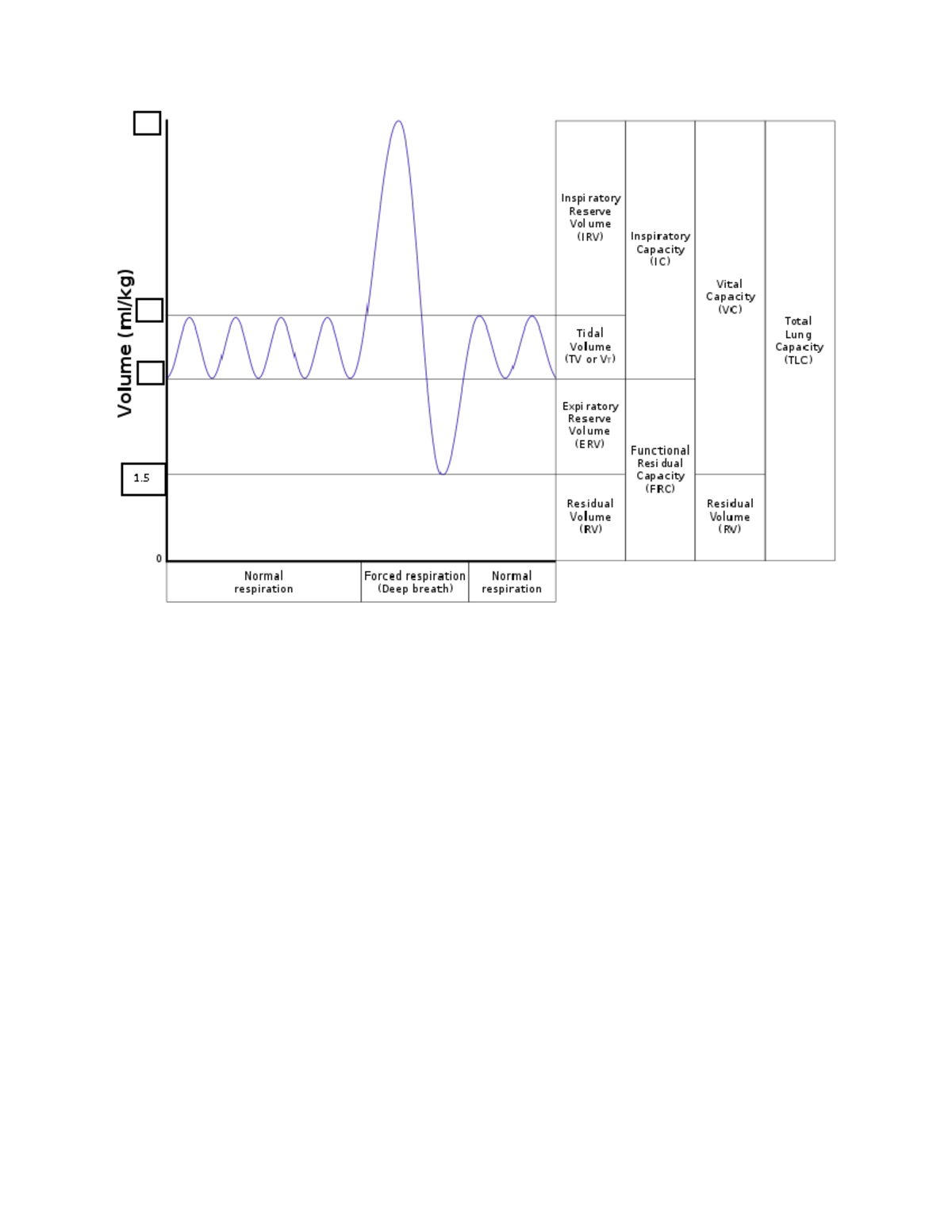
In pulmonary science, "volumes" refer to individual measurements, while "capacities" are combinations of two or more volumes. IRV is a major component of several broader metrics used to assess lung health:
- Inspiratory Capacity (IC): This is the sum of Tidal Volume and Inspiratory Reserve Volume (IC = TV + IRV). It represents the total amount of air a person can breathe in starting from the end of a normal exhalation.
- Vital Capacity (VC): This is the total amount of air that can be exhaled after a maximum inhalation. It is calculated by adding the IRV, Tidal Volume, and Expiratory Reserve Volume (VC = IRV + TV + ERV). Vital capacity is one of the most frequently used indicators of respiratory fitness.
- Total Lung Capacity (TLC): This is the sum of all lung volumes, including the Residual Volume (the air that stays in the lungs even after the hardest exhalation). TLC = IRV + TV + ERV + RV.
By isolating IRV during testing, clinicians can determine if a patient's breathing limitations are due to an inability to fill the lungs (a restrictive issue) or an inability to clear the lungs (an obstructive issue).
Normal Inspiratory Reserve Volume Values
"Normal" is a relative term in pulmonary medicine. Because lung size is physically limited by the size of the thoracic cavity, taller individuals generally have higher IRV values. Similarly, biological males typically have larger thoracic cages than biological females, leading to higher average volumes.
As of current 2026 medical guidelines, the following ranges are considered standard for healthy adults:
| Demographic Group | Average IRV Range (mL) | Average Tidal Volume (mL) | Total Vital Capacity (mL) |
|---|---|---|---|
| Healthy Adult Male | 2,500 – 3,300 | 500 | 4,500 – 5,000 |
| Healthy Adult Female | 1,900 – 2,200 | 400 – 500 | 3,000 – 3,500 |
| Athletes (Endurance) | 3,000 – 4,000+ | 600 – 700 | 5,500 – 6,500 |
| Elderly (65+) | 1,200 – 1,800 | 400 – 500 | 2,000 – 3,000 |
Note: These values are estimations. Individual clinical results are often compared against "predicted values" calculated using specific formulas that account for the patient's exact height, age, and ethnicity.
Factors That Influence IRV Levels
Several physiological and lifestyle factors can cause a person’s IRV to deviate from the standard averages. Understanding these variables is essential for an accurate diagnosis.
Physical Stature and Anatomy
Height is the most significant predictor of lung volume. A taller person has a longer torso and larger rib cage, allowing for greater lung expansion. Because IRV relies on the maximum stretching of the lungs, those with larger skeletal frames naturally possess a higher reserve.
Age and Tissue Elasticity
As people age, the elastic recoil of the lungs tends to decrease. The lung tissue becomes less "stretchy," and the chest wall may become stiffer. This typically results in a gradual decline in IRV starting in the late 20s or early 30s. By age 70, a person's IRV may be significantly lower than it was in their youth, even in the absence of disease.
Physical Fitness and Training
Endurance athletes, particularly swimmers and rowers, often exhibit IRV values well above the average. While exercise does not necessarily increase the actual size of the lungs, it strengthens the diaphragm and intercostal muscles. Stronger muscles can pull the chest wall further outward, allowing for a more profound inhalation and thus a higher IRV.
Pregnancy
During the later stages of pregnancy, the growing uterus pushes upward against the diaphragm. This physical displacement reduces the space available for lung expansion. While tidal volume often increases during pregnancy to meet the oxygen needs of the fetus, the IRV often decreases because the diaphragm cannot descend as far as it normally would.
Clinical Significance: When is IRV a Concern?
A significant deviation from the predicted IRV is often a sign of underlying respiratory or neuromuscular issues. Doctors use spirometry to detect these shifts.
Restrictive Lung Diseases
In restrictive lung diseases, such as pulmonary fibrosis, sarcoidosis, or obesity hypoventilation syndrome, the lungs are prevented from fully expanding. Because the lung tissue is scarred or the chest wall is restricted, the patient cannot take a deep breath. In these cases, the IRV is typically significantly reduced. This is a "volume" problem—the container (the lungs) simply cannot hold as much air as it should.
Obstructive Lung Diseases
Conditions like COPD (Chronic Obstructive Pulmonary Disease) and asthma primarily affect the ability to exhale (Expiratory Reserve Volume). However, they can indirectly impact IRV. In advanced COPD, "air trapping" occurs, where air remains stuck in the lungs. This can lead to hyperinflation, where the lungs stay partially full even after exhalation. Because the lungs are already "full," there is less room to inhale further, which may lower the measured IRV.
Neuromuscular Disorders
Since deep inhalation requires active muscle effort, conditions that weaken the muscles—such as Amyotrophic Lateral Sclerosis (ALS), Muscular Dystrophy, or Myasthenia Gravis—often result in a low IRV. In these instances, the lung tissue itself might be healthy, but the "pump" (the muscles) is failing to move the air.
How IRV is Measured: The Spirometry Test
The primary method for determining IRV is through spirometry, a common pulmonary function test (PFT).
During the test, a patient breathes into a mouthpiece connected to a spirometer. The process generally follows these steps:
- The patient breathes normally (Tidal Volume) for several cycles.
- The technician instructs the patient to take the deepest breath possible.
- The difference between the peak of that maximal breath and the peak of the previous normal breath is recorded as the IRV.
Modern spirometers provide digital readouts and compare the patient’s results to a massive database of healthy individuals to determine if the IRV falls within the expected range. For more detailed information on pulmonary testing standards, the American Thoracic Society provides updated clinical guidelines and procedural standards.
Frequently Asked Questions
Can I increase my Inspiratory Reserve Volume?
While you cannot change the biological size of your lungs, you can improve your IRV through specific training. Diaphragmatic breathing exercises and aerobic conditioning strengthen the respiratory muscles and improve chest wall flexibility. This allows you to utilize your maximum lung capacity more effectively.
Is a high IRV always a good thing?
Generally, a high IRV indicates good lung elasticity and strong respiratory muscles. However, in some cases of "barrel chest" associated with emphysema, the lungs may appear to have high volumes due to the destruction of alveoli, but this does not translate to better oxygen exchange. Context is key in clinical evaluation.
What is the difference between IRV and Inspiratory Capacity?
Inspiratory Reserve Volume (IRV) is only the "extra" air you can inhale after a normal breath. Inspiratory Capacity (IC) is the IRV plus your normal tidal volume. IC represents the total volume of air you can bring into your lungs starting from a neutral, relaxed state.
Why is IRV lower in women than in men?
The difference is primarily anatomical. On average, biological males have larger thoracic cavities and larger diaphragms than biological females. Because lung volume is physically constrained by the size of the rib cage, these structural differences result in different average IRV values.
Does smoking affect IRV?
Yes, smoking can significantly decrease IRV over time. Chronic exposure to smoke leads to inflammation and eventual scarring (fibrosis) or destruction of lung tissue (emphysema). This reduces the elasticity of the lungs, making it harder to take deep, full breaths, which lowers the IRV.
Summary and Next Actions
Understanding your normal inspiratory reserve volume is an essential part of monitoring your long-term respiratory health. While average values range from 1,900 to 3,300 mL, your personal "normal" depends on your unique physiology.
If you find yourself frequently short of breath or unable to take a deep, satisfying breath, you should consult a healthcare provider for a formal pulmonary function test. Early detection of changes in lung volume can be critical in managing conditions like asthma, COPD, or interstitial lung disease. To maintain optimal IRV, focus on regular cardiovascular exercise, avoid smoking or vaping, and practice deep-breathing techniques to ensure your respiratory muscles remain strong and your lung tissue stays compliant.
Professional Advice Limitation: This article is for informational purposes and does not constitute medical advice. Lung volume measurements should be interpreted by a qualified medical professional in the context of a full clinical examination. If you are experiencing acute respiratory distress, seek emergency medical attention immediately.
Image Gallery