Jergens Recall Explained: Everything You Need to Know About Product Safety
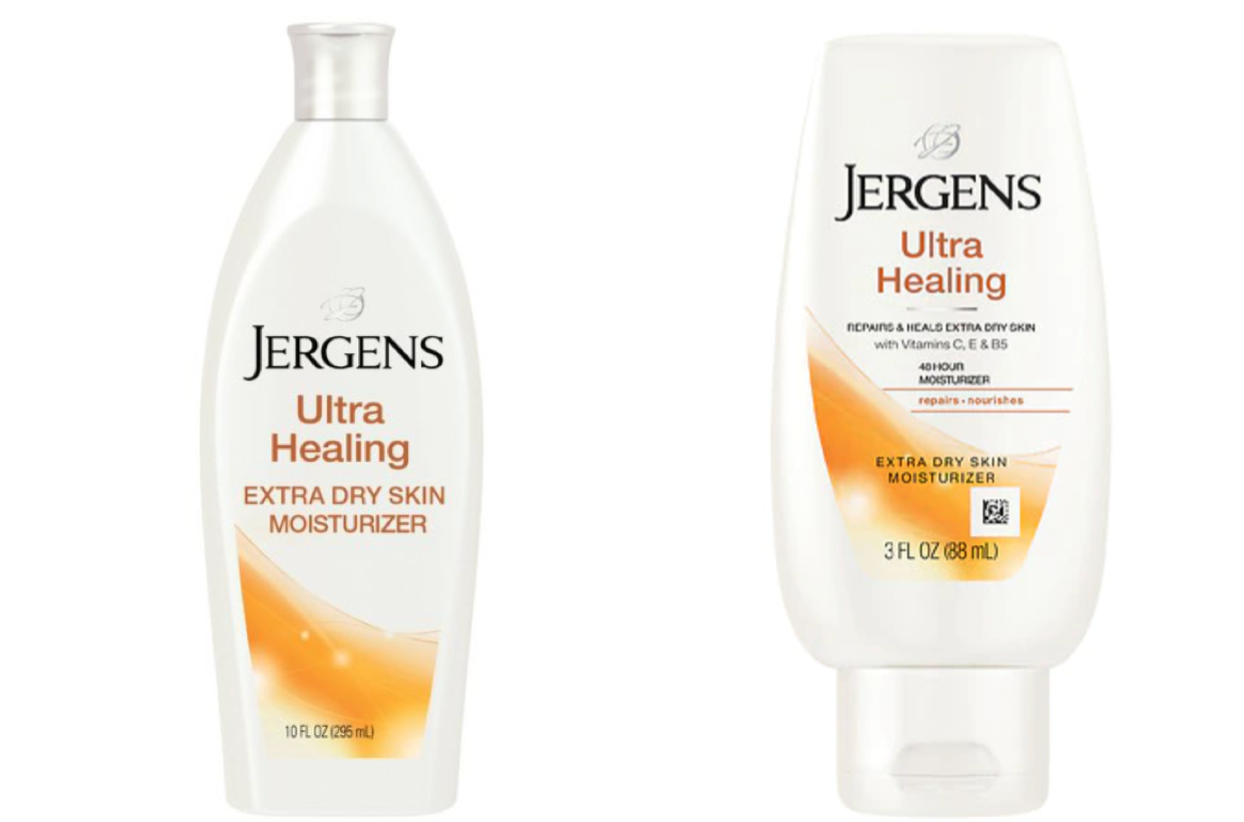
The Jergens recall, initiated by Kao USA Inc., primarily concerned specific batches of Jergens Ultra Healing Moisturizer that were potentially contaminated with Pluralibacter gergoviae. This bacterium poses a significant risk to indivi...
The Jergens recall, initiated by Kao USA Inc., primarily concerned specific batches of Jergens Ultra Healing Moisturizer that were potentially contaminated with Pluralibacter gergoviae. This bacterium poses a significant risk to individuals with weakened immune systems or existing skin conditions. Consumers should identify affected lot codes and discontinue use immediately to prevent infection.
Contents
The safety of personal care products is a cornerstone of consumer trust, and when a household staple like Jergens faces a recall, it raises critical questions about manufacturing standards and biological safety. While the specific recall of Jergens Ultra Healing Moisturizer occurred in early 2022, its implications continue to resonate in 2026 as the beauty industry operates under stricter regulatory frameworks. Understanding the technical details of the contamination, the nature of the pathogen involved, and the subsequent regulatory response provides a comprehensive view of how consumer health is protected in the modern marketplace.
The Scope of the Jergens Ultra Healing Moisturizer Recall
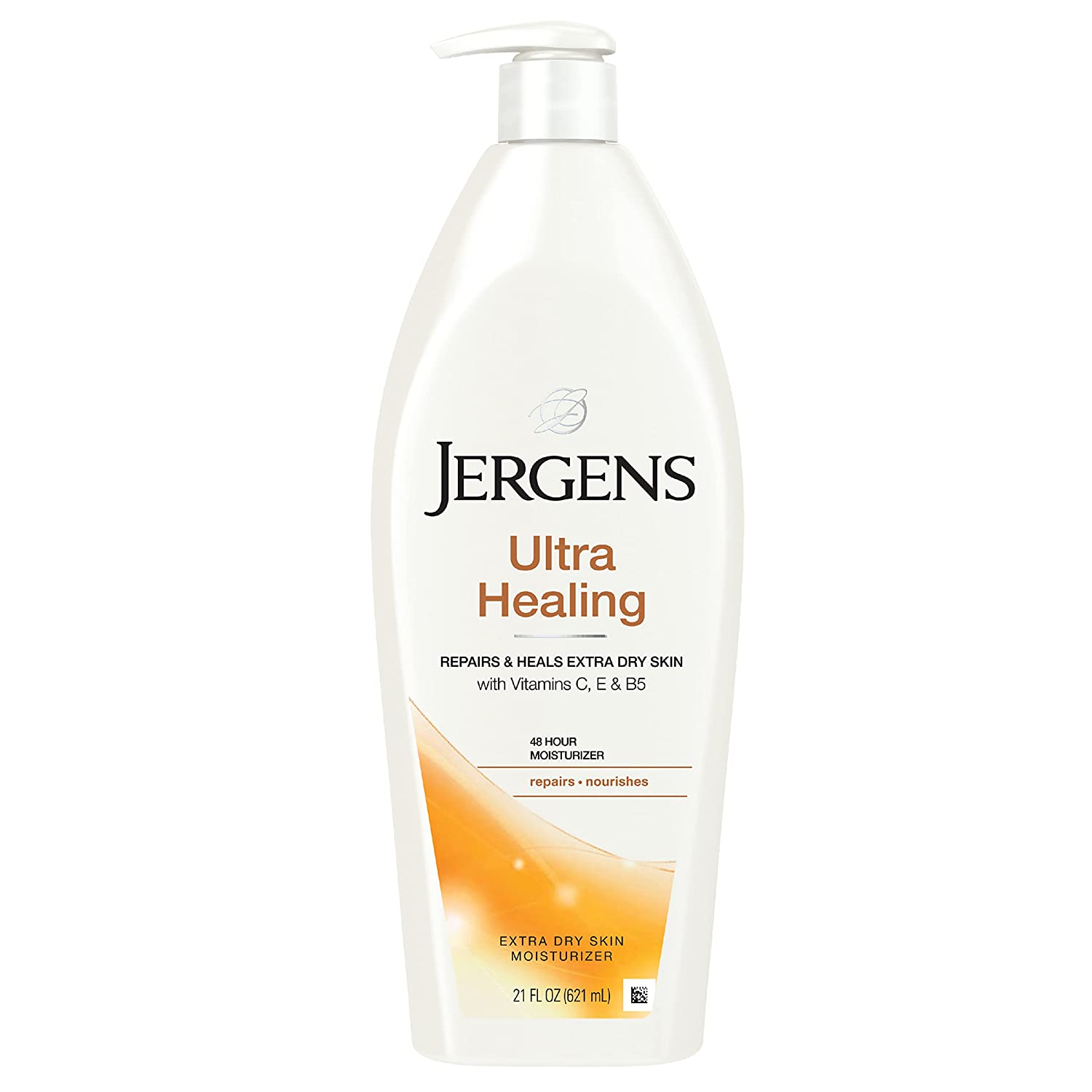
In March 2022, Kao USA Inc. issued a voluntary recall for several lots of its Jergens Ultra Healing Moisturizer. The recall was not universal to all Jergens products but was restricted to the 3-ounce and 10-ounce sizes produced during a specific window in late 2021. The company's decision to pull these products from shelves was a "precautionary measure" following the discovery of potential microbial contamination during routine quality testing.
Manufacturing of the affected units occurred between October 2021 and December 2021. Because these products have a significant shelf life, many remained in medicine cabinets and on bathroom counters long after the initial announcement. In 2026, while these specific bottles are likely past their expiration dates, the event serves as a primary case study for how cosmetic companies manage "opportunistic" pathogens in water-based formulations.
Affected Product Specifications
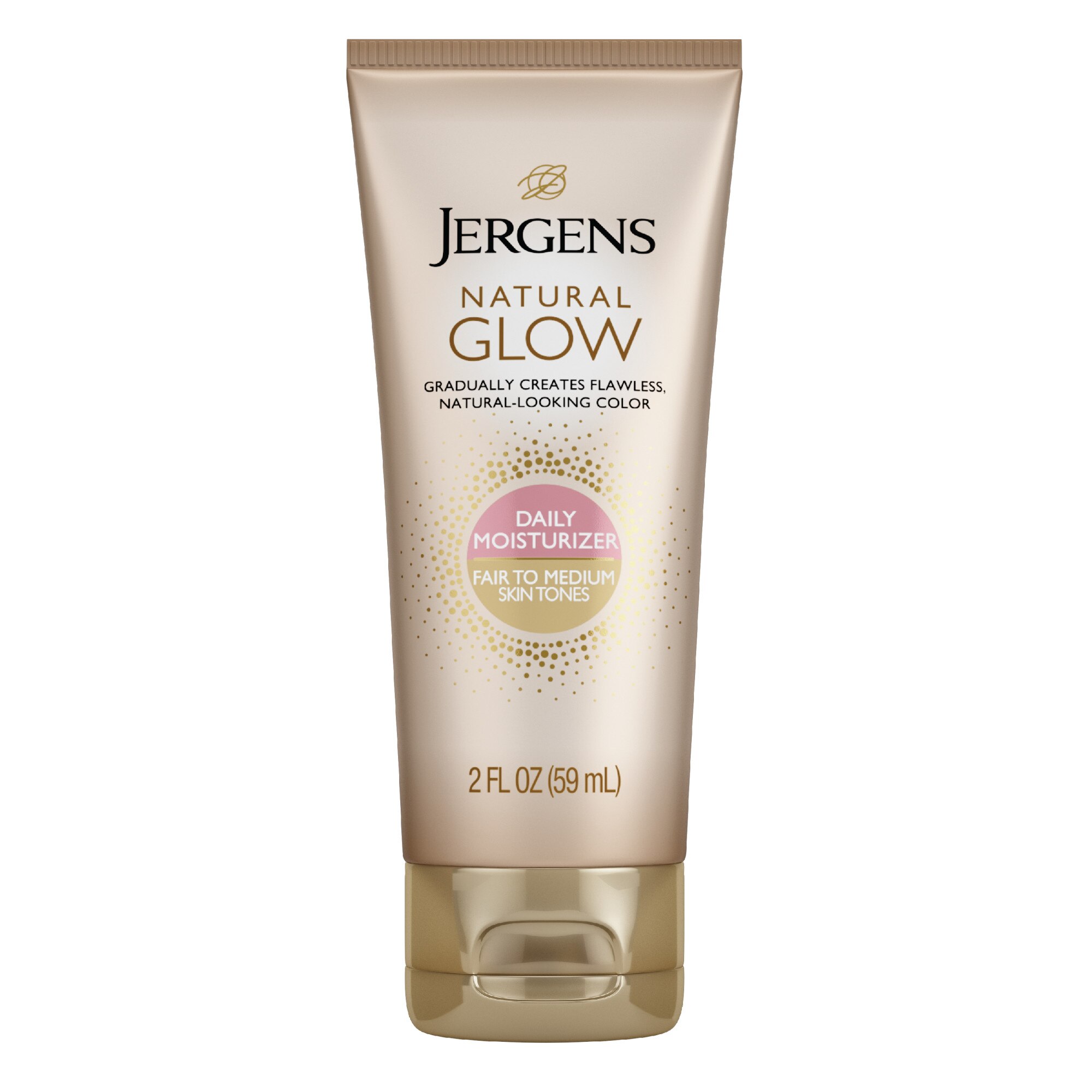
The recall specifically targeted two sizes of the Jergens Ultra Healing Moisturizer. It is essential to distinguish these from other Jergens lines, such as the "Natural Glow" or "Original Scent" products, which were not part of this specific safety notice.
| Product Name | Size | Affected Lot Codes (Starting With) |
|---|---|---|
| Jergens Ultra Healing Moisturizer | 3 oz. (Travel Size) | ZU, YU |
| Jergens Ultra Healing Moisturizer | 10 oz. | ZU, YU |
The lot codes are typically printed on the bottom of the bottle or near the back label in black ink. Identifying these codes is the only definitive way to confirm if a specific unit was part of the contaminated batch.
Understanding Pluralibacter Gergoviae: The Pathogen Explained
The primary driver of the Jergens recall was the detection of Pluralibacter gergoviae. Formerly known as Enterobacter gergoviae, this gram-negative, rod-shaped bacterium is classified as an "opportunistic pathogen." This means that while it rarely causes illness in healthy individuals with intact skin and robust immune systems, it can cause severe infections in vulnerable populations.
Why It Thrives in Cosmetics
Cosmetic products, particularly lotions and moisturizers, are highly susceptible to microbial growth because they are water-based. Water provides the necessary environment for bacteria to hydrate and reproduce. Pluralibacter gergoviae is particularly notorious in the cosmetics industry because it has developed a high level of resistance to common preservatives, including parabens and certain formaldehyde-releasers.
When a manufacturing facility experiences a lapse in Good Manufacturing Practices (GMP)—such as contaminated water lines or inadequate sterilization of mixing vats—this bacterium can take hold. Once inside a bottle of moisturizer, it can bypass the product's preservative system, leading to a "biofilm" that protects the bacteria from being neutralized.
Health Risks to Consumers
The risk profile for Pluralibacter gergoviae depends entirely on the user's health status. The skin is the body’s primary barrier against infection. If that barrier is compromised by a cut, scrape, or a chronic condition like eczema or psoriasis, the bacteria can enter the deeper layers of the dermis.
- Immunocompromised Individuals: Those undergoing chemotherapy, living with HIV/AIDS, or taking immunosuppressant drugs for organ transplants are at the highest risk. In these cases, a simple skin infection can escalate into systemic bacteremia (blood poisoning).
- Chronic Health Conditions: Patients with cystic fibrosis or diabetes are more susceptible to infections from the Enterobacteriaceae family, to which Pluralibacter belongs.
- General Population: For healthy individuals, the risk is statistically low, but the presence of any foreign bacteria in a topical product is considered a violation of safety standards.
Regulatory Context: The FDA and MoCRA in 2026
By 2026, the landscape of cosmetic regulation has evolved significantly, largely due to the implementation of the Modernization of Cosmetics Regulation Act of 2022 (MoCRA). When the Jergens recall first occurred, the FDA had limited authority over cosmetic recalls; they were almost entirely voluntary, meaning the manufacturer had to choose to pull the product.
Mandatory Recall Authority
Under MoCRA, which is fully operational in 2026, the FDA now possesses mandatory recall authority. If a company refuses to voluntarily recall a product that the FDA deems "adulterated" or "misbranded" in a way that poses a threat to public health (such as the presence of Pluralibacter gergoviae), the FDA can legally compel the recall. This shift has forced manufacturers to be more transparent and faster in their response times.
Serious Adverse Event Reporting
Another critical change in the current 2026 regulatory environment is the requirement for companies to report "serious adverse events" to the FDA within 15 business days. During the 2022 Jergens event, reporting was largely internal. Today, any infection or hospitalization linked to a contaminated moisturizer would be immediately flagged in a federal database, allowing for much faster consumer alerts.
How to Identify and Handle Recalled Moisturizers
If you discover a bottle of Jergens Ultra Healing Moisturizer that matches the affected lot codes, the protocol remains strictly focused on safety and containment.
Step-by-Step Verification
- Locate the Lot Code: Check the bottom of the plastic bottle. Look for a code beginning with the letters "ZU" or "YU."
- Check the Size: Confirm the bottle is either the 3 oz or 10 oz variety. Larger pump bottles (21 oz or 32 oz) were not included in this specific microbial recall.
- Discontinue Use: Even if the product looks, smells, and feels normal, you should stop using it immediately. Microbial contamination is often invisible to the naked eye and does not always cause the product to separate or smell "off."
Disposal and Refunds
Do not simply throw the bottle in the trash if it is full; it is better to seal the cap tightly or place the bottle in a sealed plastic bag to prevent any potential leakage into the environment. Historically, Kao USA provided a dedicated consumer care line and website for the recall. Consumers were encouraged to contact the company for a full refund or a replacement coupon.
In 2026, most consumers seeking recourse for older products may find that the specific recall reimbursement window has closed, but the company's commitment to consumer safety generally includes addressing inquiries regarding any product found to be part of a historical safety notice.
Preventing Microbial Growth in Personal Care Products
The Jergens incident serves as a reminder that consumers also play a role in maintaining the safety of their products after purchase. While the Jergens recall was due to a manufacturing issue, secondary contamination is a common cause of skin infections.
- Avoid "Dipping": For products in jars, use a clean spatula rather than your fingers to prevent introducing bacteria from your hands into the product.
- Monitor Expiration Dates: Most moisturizers are designed to be used within 12 months of opening (look for the "Period After Opening" or PAO symbol, which looks like a small open jar with a number).
- Storage Conditions: Store lotions in a cool, dry place. The heat and humidity of a bathroom can accelerate the breakdown of preservatives, making it easier for opportunistic pathogens to thrive.
- Observe Physical Changes: If a lotion changes color, develops a thin watery layer on top, or smells "sour," it is a sign that the preservative system has failed or a microbial colony has taken hold.
FAQs
What symptoms should I look for if I used the recalled Jergens?
If you have used a contaminated product, monitor the application site for signs of infection. This includes redness, swelling, warmth, pain, or the development of small, pus-filled bumps (folliculitis). If you have a fever or the redness begins to spread rapidly, consult a medical professional immediately, as these can be signs of cellulitis or a more systemic infection.
Was the 21 oz Jergens Ultra Healing Moisturizer recalled?
No. The March 2022 recall was specifically limited to the 3-ounce (travel size) and 10-ounce bottles. The manufacturing lines for the larger pump-style bottles were not found to have the same contamination issues. However, always check the lot code against official manufacturer lists to be certain.
Is Pluralibacter gergoviae common in other brands?
Unfortunately, Pluralibacter gergoviae is a recurring issue in the cosmetics industry. It has been the subject of multiple recalls over the last decade involving various brands of baby wipes, makeup removers, and lotions. Its ability to survive in environments with high concentrations of preservatives makes it a persistent challenge for quality control laboratories.
Can I still use the lotion if I am healthy?
It is strongly advised against. While the risk of a serious systemic infection is lower for healthy individuals, the product is considered "adulterated" by FDA standards. Using a product known to contain high levels of bacteria can still lead to localized skin irritation or breakouts, and there is always a risk of accidental transmission to more vulnerable people in your household.
How does the FDA ensure this doesn't happen again?
Through MoCRA regulations in 2026, the FDA now requires facilities to register, provide product ingredient lists, and follow strict Good Manufacturing Practices (GMP). The FDA also has increased authority to inspect records and facilities, ensuring that companies are testing for specific pathogens like Pluralibacter gergoviae during the production phase.
Moving Forward with Consumer Confidence
While the Jergens recall was a significant event for Kao USA, the company's proactive voluntary recall and transparency helped mitigate widespread health issues. For consumers, the key takeaway is the importance of staying informed about the products in their daily routine. Regularly checking for recalls via the FDA's enforcement reports and understanding how to read lot codes are essential skills for modern skin care management. In 2026, with the added protections of MoCRA, the industry is more accountable than ever, but consumer vigilance remains the final line of defense in personal safety.
Image Gallery