Clindamycin as an Antibiotic Overview: Uses, Mechanism, and Safety in 2026
Clindamycin is a potent lincosamide antibiotic used to treat serious bacterial infections caused by anaerobic bacteria and susceptible strains of streptococci, pneumococci, and staphylococci. It works by inhibiting bacterial protein sy...
Clindamycin is a potent lincosamide antibiotic used to treat serious bacterial infections caused by anaerobic bacteria and susceptible strains of streptococci, pneumococci, and staphylococci. It works by inhibiting bacterial protein synthesis. Available in oral, topical, and injectable forms, it is particularly vital for skin, dental, and respiratory infections in 2026.
Contents
Understanding Clindamycin: Classification and Origin
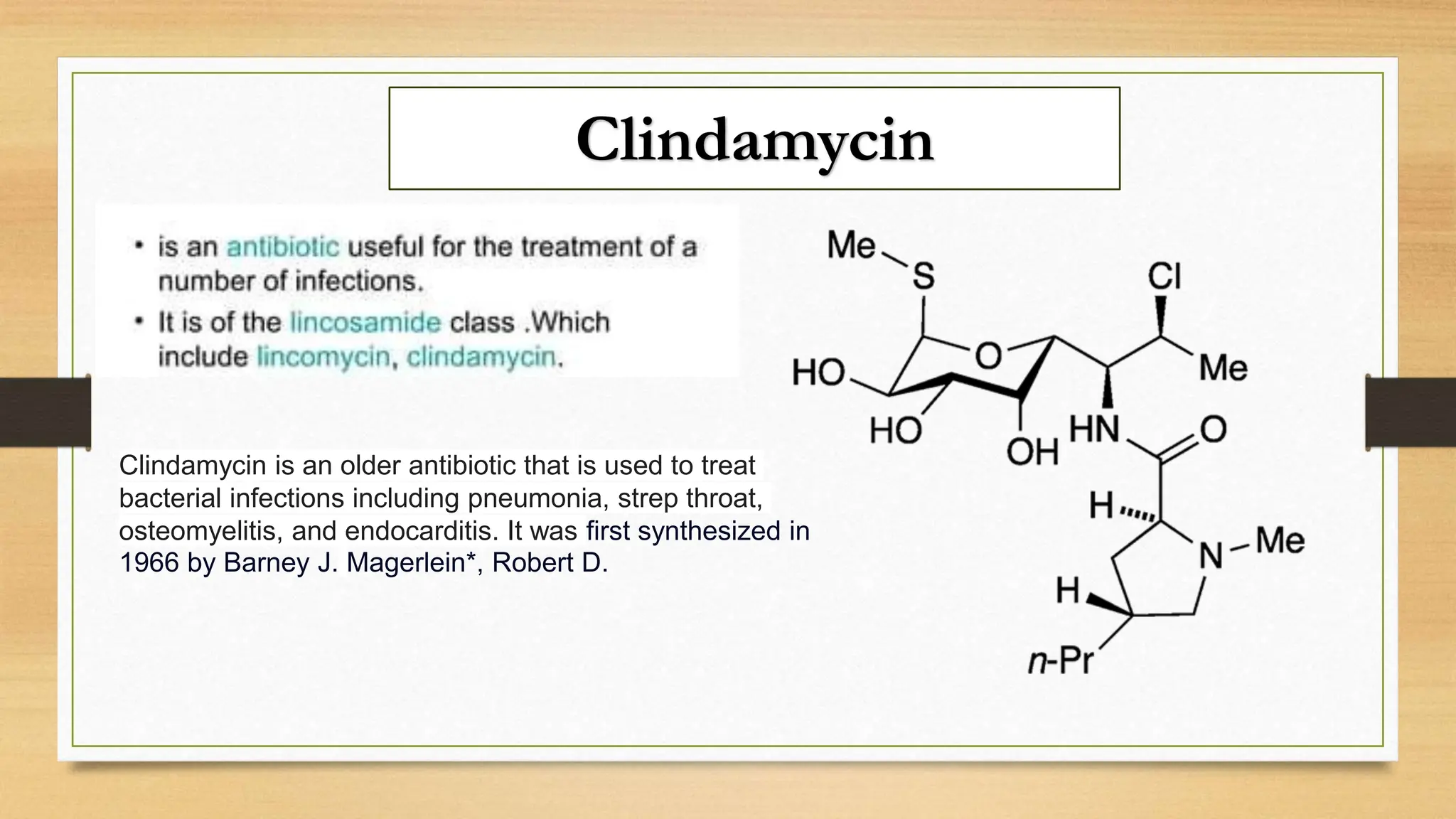
Clindamycin is a semi-synthetic derivative of lincomycin, a natural antibiotic produced by the bacterium Streptomyces lincolnensis. Since its development, it has become a cornerstone of antimicrobial therapy, classified specifically within the lincosamide family. As of 2026, it remains on the World Health Organization’s Model List of Essential Medicines due to its efficacy against a broad range of pathogens and its unique ability to penetrate various body tissues.
In clinical practice, clindamycin is often favored for its versatility. It is not a member of the penicillin family, making it a critical alternative for patients with severe beta-lactam allergies. Its primary role is to combat Gram-positive aerobic bacteria and a wide spectrum of anaerobic bacteria. Because it targets the internal machinery of the bacterial cell rather than the cell wall, it remains effective against many organisms that have developed resistance to other common antibiotic classes.
Mechanism of Action: How Clindamycin Eradicates Infection
The efficacy of clindamycin lies in its ability to disrupt the biological "assembly line" of a bacterial cell. It is primarily a bacteriostatic agent, meaning it prevents the growth and reproduction of bacteria rather than killing them outright, though it can be bactericidal (killing the bacteria) at higher concentrations against specific highly susceptible organisms.
Inhibition of Protein Synthesis
Clindamycin works by binding to the 50S subunit of the bacterial ribosome. The ribosome is the site where proteins are synthesized based on genetic instructions. By attaching to this specific site, clindamycin inhibits the process of transpeptidation, which is the step where amino acids are linked together to form a protein chain. Specifically, it interferes with the initiation complex and the translocation reactions.
When a bacterium cannot produce essential proteins, it loses the ability to maintain its structure, catalyze metabolic reactions, or replicate. This effectively "freezes" the infection, allowing the host’s immune system to identify and clear the remaining pathogens.
Suppression of Bacterial Toxins
One of the most valuable aspects of clindamycin’s mechanism—frequently utilized in 2026 for severe infections like necrotizing fasciitis or toxic shock syndrome—is its ability to suppress the production of bacterial toxins. Certain bacteria, such as Staphylococcus aureus and Streptococcus pyogenes, produce potent toxins that cause widespread tissue damage and systemic inflammation. Because clindamycin shuts down protein synthesis immediately, it can stop toxin production even before the bacteria themselves are fully eradicated. This is often why it is used in "clindamycin-rifampin" or "clindamycin-beta-lactam" combinations for life-threatening cases.
Clinical Indications and Therapeutic Uses
Clindamycin’s spectrum of activity makes it suitable for a diverse range of infections. In 2026, clinicians prescribe it across several specialties, from dermatology to oral surgery.
Skin and Soft Tissue Infections
Clindamycin is a primary treatment for skin infections, particularly those suspected to involve Methicillin-resistant Staphylococcus aureus (MRSA). It is effective against cellulitis, abscesses, and infected wounds. In dermatology, topical clindamycin (often in gel or lotion form) is a standard treatment for acne vulgaris, as it reduces the population of Cutibacterium acnes on the skin and diminishes inflammatory lesions.
Dental and Oral Infections
Due to its excellent penetration into bone and soft tissue, clindamycin is frequently used for odontogenic infections (tooth abscesses) and as a prophylactic measure for patients undergoing dental procedures who are allergic to penicillin. It is highly effective against the anaerobic bacteria commonly found in the oral cavity.
Respiratory Tract Infections
While not the first choice for simple community-acquired pneumonia, clindamycin is utilized for serious respiratory issues such as aspiration pneumonia or lung abscesses, where anaerobic bacteria from the mouth may have entered the lungs. It is also used for chronic sinusitis that has failed to respond to other treatments.
Gynecological and Intra-abdominal Infections
Clindamycin is often paired with an aminoglycoside (like gentamicin) to treat pelvic inflammatory disease (PID) and bacterial vaginosis. Its activity against Bacteroides fragilis and other anaerobes makes it a useful component in treating complex intra-abdominal infections resulting from trauma or surgery.
Administration, Dosage, and Pharmacokinetics
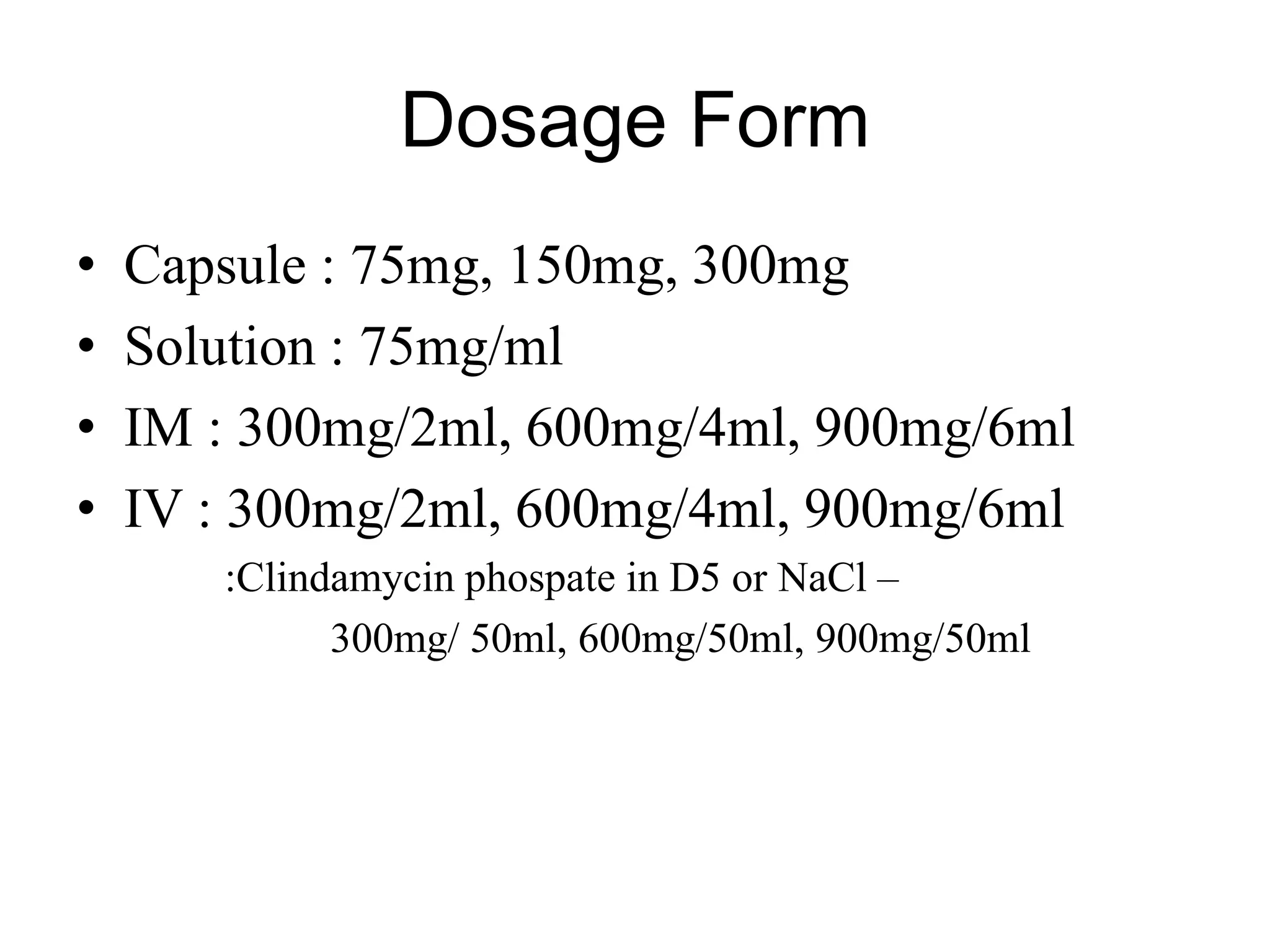
The method of administration depends heavily on the severity and location of the infection. Clindamycin is characterized by high bioavailability, meaning a significant portion of the drug enters the bloodstream regardless of the route.
| Formulation | Common Uses | Key Considerations |
|---|---|---|
| Oral (Capsules/Liquid) | Skin infections, strep throat, dental issues | Must be taken with a full glass of water to avoid esophageal irritation. |
| Intravenous (IV) | Sepsis, severe pneumonia, bone infections | Reserved for hospitalized patients requiring high systemic concentrations. |
| Topical (Gel/Lotion) | Acne vulgaris, rosacea | Lower risk of systemic side effects; primarily local action. |
| Vaginal (Cream/Suppository) | Bacterial vaginosis | Usually a 3-to-7-day course; may weaken latex products like condoms. |
Metabolism and Excretion
Clindamycin is primarily metabolized by the liver (specifically the CYP3A4 enzyme system). It is converted into both active and inactive metabolites, which are then excreted through the bile and urine. Because it is not primarily cleared by the kidneys, dosage adjustments are rarely necessary for patients with renal impairment, though caution is required for those with severe hepatic (liver) disease.
The Black Box Warning: Clostridioides difficile Risk
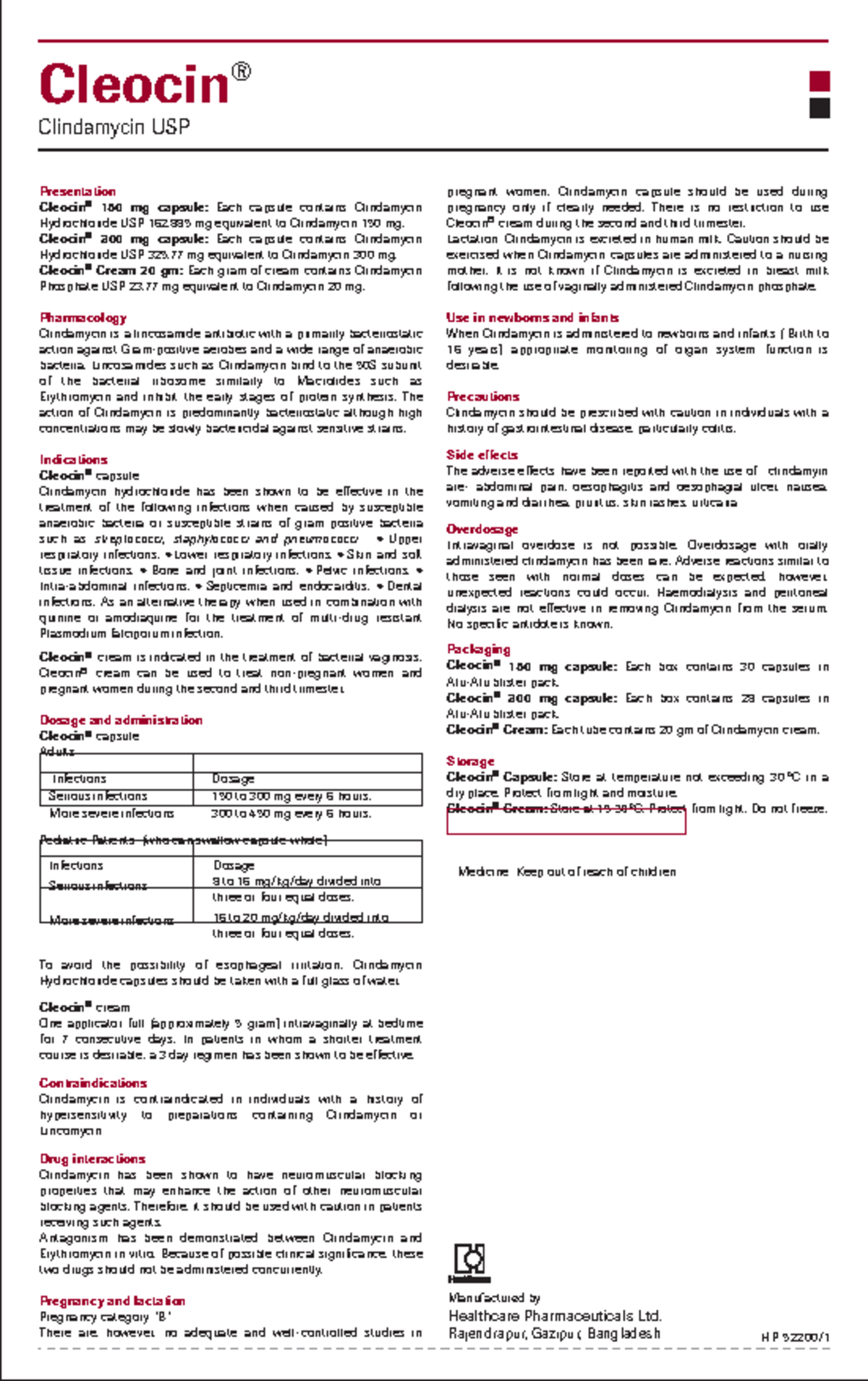
The most significant clinical concern regarding clindamycin is its association with Clostridioides difficile-associated diarrhea (CDAD). Every healthcare provider prescribing clindamycin in 2026 must counsel patients on this risk.
Because clindamycin is a broad-spectrum antibiotic against anaerobes, it significantly disrupts the "good" bacteria in the human gut microbiome. When the normal flora is suppressed, C. difficile—a toxin-producing bacterium—can overgrow. This leads to pseudomembranous colitis, a severe inflammation of the colon characterized by:
- Watery diarrhea (often 10+ times a day)
- Severe abdominal cramping and pain
- Fever and dehydration
- Blood or mucus in the stool
This condition can occur during treatment or even several weeks after the antibiotic course has finished. If a patient experiences persistent diarrhea while taking clindamycin, they are advised to stop the medication immediately and contact a healthcare provider. Treatment for C. difficile typically involves specific antibiotics like oral vancomycin or fidaxomicin.
Potential Side Effects and Drug Interactions
Beyond the risk of colitis, clindamycin can cause other adverse reactions that patients should monitor.
- Gastrointestinal Issues: Nausea, vomiting, and a metallic taste in the mouth (especially with IV administration) are common.
- Dermatologic Reactions: Rashes are relatively frequent. In rare cases, severe reactions like Stevens-Johnson Syndrome (SJS) or Toxic Epidermal Necrolysis (TEN) can occur, requiring emergency medical intervention.
- Esophagitis: If oral capsules are swallowed without enough fluid, they can irritate the lining of the esophagus, causing pain and difficulty swallowing.
Drug Interactions
Clindamycin has several notable interactions that require management:
- Neuromuscular Blocking Agents: Clindamycin may enhance the action of drugs used during surgery (like succinylcholine), potentially leading to prolonged respiratory depression.
- Erythromycin: These two antibiotics can antagonize each other because they compete for the same binding site on the ribosome. They should generally not be used together.
- Hormonal Contraceptives: While less of a concern than with some other antibiotics, patients are often advised to use backup birth control methods during a course of clindamycin due to potential changes in gut flora affecting estrogen reabsorption.
Antibiotic Resistance and Stewardship in 2026
In 2026, the medical community continues to face the challenge of antibiotic resistance. Some strains of Staphylococcus aureus exhibit "inducible resistance" to clindamycin. This occurs when the bacteria appear susceptible in a standard lab test but possess a gene (the erm gene) that can be activated in the presence of the drug, rendering the treatment useless.
Laboratory technicians perform a "D-zone test" to identify this inducible resistance. If the test is positive, clindamycin is avoided, even if the initial report suggests susceptibility. Antibiotic stewardship programs prioritize clindamycin for specific, culture-confirmed infections to preserve its efficacy and minimize the community-wide risk of C. difficile outbreaks.
Frequently Asked Questions
Can clindamycin be used during pregnancy? Clindamycin is generally considered safe for use during pregnancy when clearly needed. It is classified as a medication where animal studies have not shown a risk to the fetus, but there are no adequate, well-controlled studies in pregnant women. It does cross the placenta, but it has a long history of use for treating serious infections in expectant mothers without significant evidence of birth defects.
Is clindamycin effective against a common cold or the flu? No. Clindamycin is an antibiotic, which means it only kills bacteria. It has no effect on viruses, which cause the common cold, influenza, and COVID-19. Using clindamycin for viral infections is ineffective and increases the risk of side effects and antibiotic resistance.
What should I do if I miss a dose of clindamycin? If you miss a dose, take it as soon as you remember. However, if it is almost time for your next scheduled dose, skip the missed dose and continue with your regular timing. Do not "double up" on doses to catch up, as this increases the risk of gastrointestinal distress.
How quickly does clindamycin start working? For most acute infections, patients begin to feel symptomatic relief within 24 to 48 hours of starting clindamycin. However, it is essential to complete the entire prescribed course, even if you feel better, to ensure the infection is fully eradicated and to prevent the development of resistant bacteria.
Why is clindamycin used in dental procedures? Clindamycin is highly effective at reaching high concentrations in bone tissue and is active against the anaerobic bacteria that typically cause tooth and gum infections. For decades, it was the primary alternative for penicillin-allergic patients, though current 2026 guidelines emphasize it mainly for active infections rather than routine prophylaxis unless specific risk factors are present.
Final Recommendations for Use
If you have been prescribed clindamycin, ensure you provide your healthcare provider with a complete medical history, especially any history of asthma, colitis, or liver disease. Always take the medication with a full 8-ounce glass of water and remain upright for at least 30 minutes to prevent esophageal irritation. Monitor your bowel movements closely; any onset of severe, watery diarrhea should be reported to a clinic immediately to screen for C. difficile.
For more information on antimicrobial safety and current guidelines, visit the Centers for Disease Control and Prevention (CDC) or the U.S. Food and Drug Administration (FDA).
Image Gallery