How to Pick Recipes with Maggi Noodles for Every Occasion
To pick the best recipes with Maggi noodles, you must first identify your desired flavor profile—spicy, creamy, or savory—and the specific noodle variety you are using, such as Masala, Atta, or Oats. Match quick-cook stir-fries for sna...
To pick the best recipes with Maggi noodles, you must first identify your desired flavor profile—spicy, creamy, or savory—and the specific noodle variety you are using, such as Masala, Atta, or Oats. Match quick-cook stir-fries for snacks and protein-heavy, vegetable-loaded bowls for balanced, substantial meals.
Contents
Maggi noodles, a global staple produced by Nestlé, have evolved far beyond a simple two-minute snack. As we navigate the culinary landscape of 2026, the versatility of these instant noodles has made recipe selection both exciting and occasionally overwhelming. Whether you are a student looking for a budget-friendly dinner or a home cook experimenting with fusion flavors, picking the right recipe requires an understanding of noodle texture, seasoning compatibility, and nutritional balancing.
The process of picking a recipe is not merely about finding a list of ingredients; it is about understanding how the starch in the noodles interacts with different sauces and how the iconic "Masala" flavor can be either highlighted or transformed. This guide provides a technical and practical framework for selecting and customizing Maggi noodle recipes to suit your specific needs.
Understanding the Foundation: Different Maggi Varieties
The first step in picking a recipe is identifying which Maggi product you have in your pantry. The base noodle and the included tastemaker (seasoning packet) dictate the direction of the dish.
Classic Masala Noodles
This is the most common variety. The noodles are made from refined wheat flour (Maida) and are flash-fried during manufacturing. This gives them a porous texture that absorbs liquids quickly.
- Best for: Street-style "Tadka" recipes, cheesy Maggi, and dry stir-fries.
- Recipe Selection Tip: Choose recipes that utilize the strong cumin, coriander, and turmeric notes of the masala packet.
Veg Atta and Oats Noodles
These varieties are marketed as healthier alternatives, containing more fiber. The texture is denser and slightly grainier than the classic version.
- Best for: Vegetable-heavy "soupy" recipes and health-focused bowls.
- Recipe Selection Tip: Look for recipes that involve simmering the noodles with hardy vegetables like carrots, peas, and beans. The denser texture holds up better in broths without becoming overly mushy.
Maggi Fusian and Special Editions
By 2026, the "Fusian" range—including flavors like Spicy Garlic, Hong Kong Spicy, and Bangkok Sweet Chili—has become widely available.
- Best for: Authentic Asian-inspired stir-fries and "dry" noodle preparations.
- Recipe Selection Tip: Since these seasonings are more complex, pick recipes that require minimal external spices. Focus on adding fresh aromatics like ginger, scallions, and lemongrass.
Determining the Desired Texture and Cooking Method
Once you have identified the noodle type, you must decide on the final consistency of the dish. This decision is the primary factor in narrowing down recipe choices.
The Soupy Approach (Broth-Based)
Soupy Maggi recipes are ideal for cold weather or when you need a comforting, low-effort meal.
- When to pick: If you have extra vegetables or want a "ramen-style" experience.
- Technical Detail: Look for recipes that specify the water-to-noodle ratio clearly. A standard pack typically requires 210ml to 250ml of water, but soupy recipes may increase this to 350ml, often supplemented with chicken or vegetable stock for added depth.
The Stir-Fry (Goreng Style)
This method involves boiling the noodles separately, draining them, and then tossing them in a pan with oils and sauces.
- When to pick: When you want a professional, "street-food" texture.
- Technical Detail: Pick recipes that instruct you to boil the noodles for only 80% of the recommended time (parboiling). This prevents the noodles from breaking apart during the high-heat stir-fry phase.
The Baked or Fried Fusion
Maggi can also be used as a structural ingredient in recipes like Maggi pakoras (fritters), Maggi pizza bases, or noodle burgers.
- When to pick: For parties, appetizers, or when you want to experiment with unconventional textures.
- Technical Detail: Select recipes that use the noodles as a "binder." This usually involves overcooking the noodles slightly to release more starch, which helps the dish hold its shape when fried or baked.
Balancing Nutrition: Adding Proteins and Micronutrients
A common criticism of instant noodles is their high carbohydrate and sodium content. In 2026, the trend in recipe selection is "Functional Maggi"—transforming the snack into a nutritionally complete meal.
Selecting Protein Additions
The flavor of Maggi Masala is highly compatible with various proteins.
- Eggs: The most versatile addition. Pick recipes ranging from "Egg Drop Maggi" (where the egg is whisked into the boiling broth) to "Fried Egg Topped Maggi."
- Legumes and Soy: For vegetarian options, recipes incorporating paneer, tofu, or boiled chickpeas are excellent. These ingredients absorb the masala seasoning well without losing their own texture.
- Meats: If using chicken or shrimp, pick recipes that cook the meat separately with a portion of the tastemaker before adding the noodles. This ensures the meat is flavorful and safely cooked.
Incorporating Fiber
To lower the glycemic index of the meal, look for recipes that emphasize a 1:1 ratio of noodles to vegetables.
- Cruciferous Vegetables: Broccoli and cauliflower add crunch.
- Leafy Greens: Spinach or bok choy should be added at the very end of the cooking process to preserve vitamins and color.
Comparing Recipe Styles for Different Needs
The following table helps you decide which type of Maggi recipe to pick based on your available time, skill level, and dietary goals.
| Recipe Category | Primary Noodle Type | Prep Time | Best Flavor Profile | Difficulty Level |
|---|---|---|---|---|
| Classic Street Tadka | Masala | 10 Mins | Spicy & Savory | Low |
| Vegetable Soupy Bowl | Atta / Oats | 12 Mins | Mild & Herbal | Low |
| Cheesy Garlic Maggi | Masala | 8 Mins | Rich & Creamy | Low |
| Maggi Goreng (Stir-fry) | Fusian / Masala | 15 Mins | Umami & Charred | Medium |
| Maggi Fritters/Cutlets | Any | 25 Mins | Salty & Crunchy | High |
| Protein-Power Bowl | Any | 18 Mins | Balanced & Filling | Medium |
Advanced Selection: Flavor Pairing and Aromatics
To elevate a Maggi recipe, you should pick one that utilizes the "Layering Technique." This involves adding fresh ingredients at different stages of the cooking process.
- The Sauté Stage: Pick recipes that start with sautéing onions, garlic, and green chilies in butter or oil. This creates a base of "fat-soluble" flavors that the noodle water will later emulsify.
- The Acid Factor: High-quality recipes often suggest a finishing touch of acidity. Look for instructions to add lime juice, vinegar, or a dash of tomato ketchup. Acidity cuts through the saltiness of the tastemaker and brightens the overall dish.
- Garnishing for Texture: A great recipe doesn't stop at the stove. Pick recipes that suggest garnishes like crushed peanuts, spring onion greens, or even raw finely chopped onions to provide a textural contrast to the soft noodles.
Common Mistakes to Avoid When Choosing a Recipe
While Maggi is forgiving, certain recipe types can lead to sub-optimal results:
- Excessive Sodium: Avoid recipes that add significant amounts of soy sauce or salt in addition to the full tastemaker packet. If adding many sauces, look for recipes that suggest using only half the seasoning packet.
- Overcrowding the Pan: If a recipe suggests making four packs of Maggi in a small saucepan, the noodles will cook unevenly and become a gummy mass. Ensure the recipe matches your equipment size.
- Ignoring Residual Heat: Noodles continue to cook even after you turn off the heat. Pick recipes that advise removing the pot from the stove while there is still a small amount of liquid left, as this will be absorbed during the plating process.
Frequently Asked Questions
Can I use the Masala tastemaker with other types of pasta?
While possible, the Masala tastemaker is specifically formulated for the high-starch, quick-hydrating nature of Maggi noodles. If you use it with traditional Italian pasta, the seasoning may taste diluted because pasta requires more water and a longer boiling time, which washes away the spices unless applied after draining.
How do I pick a recipe that is low-calorie?
Look for "Dry" or "Stir-fry" recipes that use the "Boil and Drain" method. Boiling the noodles and discarding the water can remove a small portion of the surface starch and fats used in the flash-frying process. Combine this with the Maggi Oats or Atta variety and double the vegetable volume.
What is the best recipe for kids?
For children, pick recipes that are "Creamy" or "Cheesy" and utilize the "Milk-base" technique. Replacing half the water with milk creates a milder flavor profile and adds calcium, making the dish more appealing to younger palates that may be sensitive to the spices in the Masala packet.
How can I make Maggi recipes taste more like restaurant Ramen?
Choose recipes that focus on the "Broth First" method. Instead of cooking everything together, simmer ginger, garlic, mushrooms, and star anise in water with the tastemaker for 5 minutes before adding the noodles. This develops a complex umami base similar to traditional Tonkotsu or Shoyu broths.
Is it safe to cook Maggi in a microwave?
Yes, most recipes can be adapted for the microwave. However, you should pick recipes that are specifically designed for this medium to avoid "boil-overs." Usually, this involves using a deep microwave-safe bowl and adding 1.5 times the usual water, cooking on high for 4 to 5 minutes.
Final Recommendation for Beginners
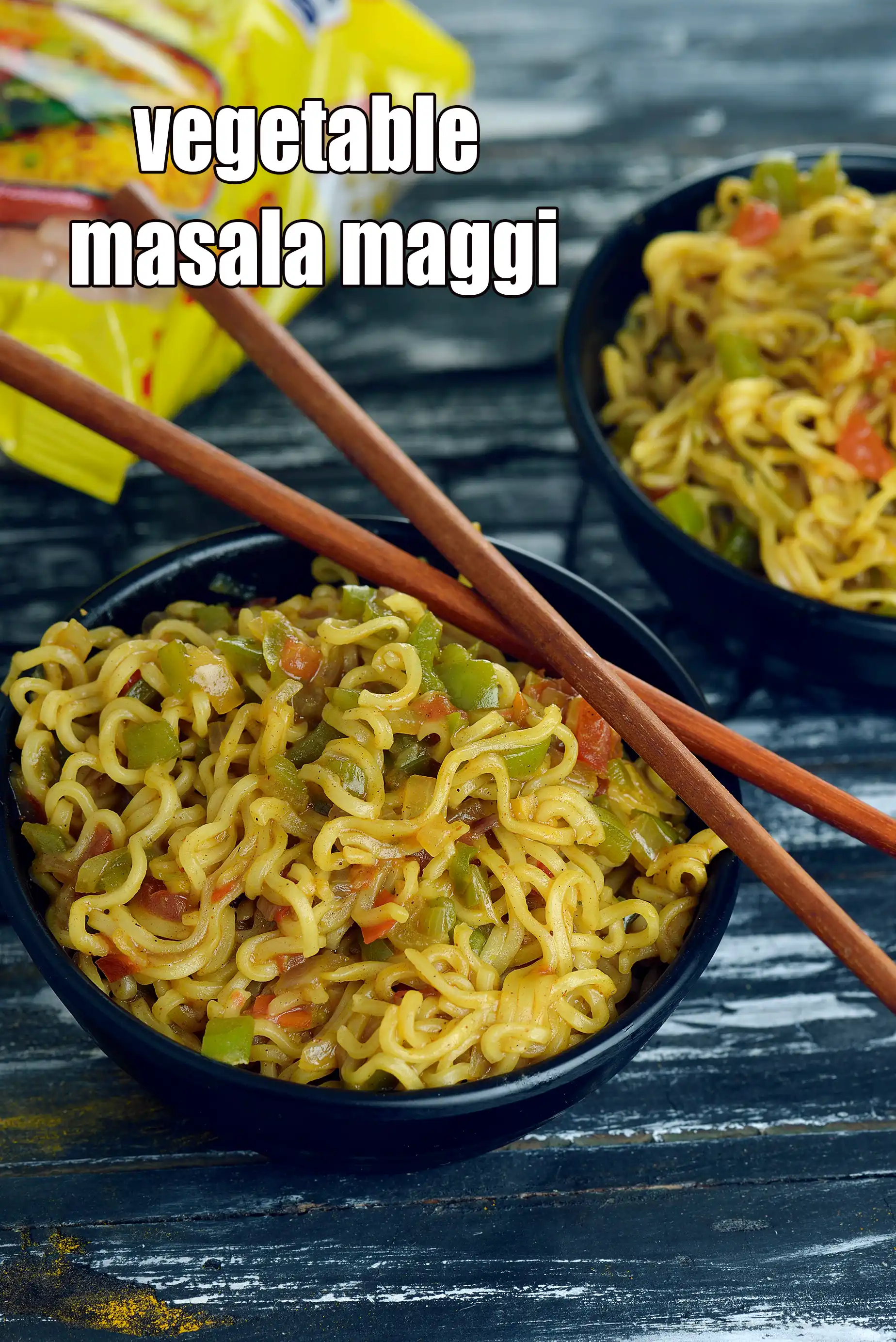
If you are just starting your journey into customized Maggi dishes, the most reliable recipe to pick is the Vegetable Masala Tadka. It strikes a perfect balance between the ease of the original preparation and the enhanced flavor of home cooking. Start by sautéing finely chopped onions, tomatoes, and capsicum in a teaspoon of butter. Add the water and the seasoning packet, bring to a boil, and then add the noodles. This simple upgrade provides a significant boost in flavor and nutrition without the risk of ruining the noodle texture. As you become more comfortable, you can branch out into the more complex stir-fries and fusion dishes mentioned in this guide.
Image Gallery