Where Is Zachary From Dear Zachary Now: Understanding the True Story and Current Status
Zachary Andrew Turner was born in St. John's, Newfoundland and Labrador, Canada. Following the tragic events documented in Kurt Kuenne's 2008 acclaimed documentary Dear Zachary: A Letter to a Son About His Father, Zachary's memory is p...
Zachary Andrew Turner was born in St. John's, Newfoundland and Labrador, Canada. Following the tragic events documented in Kurt Kuenne's 2008 acclaimed documentary Dear Zachary: A Letter to a Son About His Father, Zachary's memory is preserved globally, while his grandparents, David and Kathleen Bagby, successfully campaigned for legislative changes in Canada and the United States to protect children in custody disputes.
Contents
Unpacking the Origins and Background of Zachary Turner
The tragic narrative surrounding Zachary Turner is deeply rooted in St. John's, Newfoundland, where his father, Andrew Bagby, was murdered in 2001 by Shirley Turner, who was pregnant with Zachary at the time. After fleeing to the United States, Shirley Turner was arrested and subsequently released on bail while fighting extradition back to Canada. During this period, she gave birth to Zachary, anchoring the child's early life and subsequent custody battles in St. John's.
Understanding the geographic and legal footprint of the case requires examining the key jurisdictions involved:
- St. John's, Newfoundland and Labrador: The birthplace of Zachary Turner and the home of his paternal grandparents, David and Kathleen Bagby, who fought a prolonged legal battle for custody.
- Pennsylvania, United States: The location where Andrew Bagby was killed and where Shirley Turner resided during her bail proceedings prior to her extradition hearing.
- Keene, New Hampshire: The tragic location where Shirley Turner ended both her life and the life of 13-month-old Zachary in August 2003 by jumping into the Atlantic Ocean off the coast of Newfoundland (after returning to Canada under bail conditions that allowed her custody of the child).
The Making of Dear Zachary: A Letter to a Son About His Father
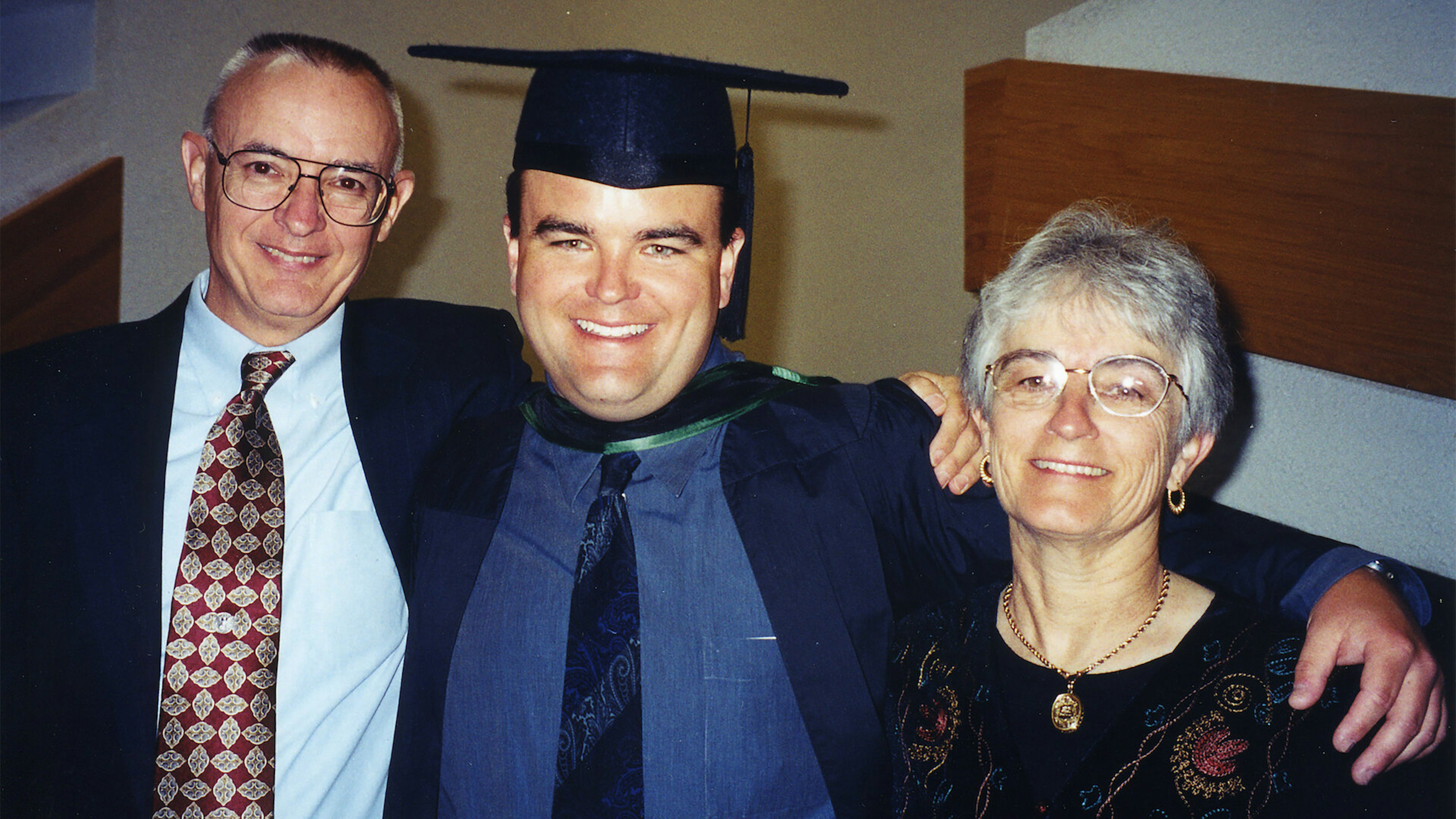
Filmmaker Kurt Kuenne, a childhood friend of Andrew Bagby, originally set out to create a video biography so that Zachary would grow up knowing what kind of man his father was. Andrew was a dedicated medical resident, beloved by friends, family, and colleagues. As Kuenne documented the grief of David and Kathleen Bagby and their tireless efforts to secure custody of their grandson, the project shifted into a harrowing true-crime documentary detailing systemic judicial and legislative failures.
Released in 2008, the documentary exposes how the Canadian judicial system allowed Shirley Turner—a woman charged with first-degree murder—to retain custody of her infant son while awaiting trial. The film serves simultaneously as a loving tribute to Andrew Bagby and a scathing critique of bail and child-protection laws that failed to prioritize the safety of an innocent child.
Legislative Impact: Bringing About Zachary's Law
The profound public reaction to Dear Zachary catalyzed major political and legal reforms. David and Kathleen Bagby channeled their grief into fierce advocacy, leading directly to the passage of legislative changes commonly referred to as "Zachary's Law" in Canada.
| Jurisdiction | Legislative Focus | Key Outcome |
|---|---|---|
| Canada (Federal & Provincial) | Bail reform and child welfare protection | Amendments to the Criminal Code regarding bail conditions for violent offenders, ensuring that the safety and best interests of children are explicitly weighed in custody and bail decisions. |
| United States | Interstate and international custody safeguards | Heightened scrutiny on extradition cases involving parents accused of violent crimes, emphasizing preventative measures to protect dependents from flight risks and parental abduction. |
These legal adjustments altered how judges evaluate public safety and child welfare when granting bail to defendants accused of violent crimes against family members.
Comparative Analysis: The Legal and Human Costs of the Case
The systemic failures highlighted in the documentary demonstrate the complex intersections of criminal law, family law, and child protection services.
- Criminal Justice Focus: Primarily concerned with the presumption of innocence, extradition rights, and the conditions of pretrial release for defendants.
- Child Protection Focus: Primarily concerned with the "best interests of the child," mandatory supervision, and the immediate removal of minors from environments involving domestic homicide risks.
- The Systemic Gap: In Zachary's case, the criminal court granted bail based on the premise that Shirley Turner was not a flight risk or a danger to the general public, while the family court failed to recognize the extreme domestic risk she posed to the infant. Dear Zachary exposed the fatal disconnect between these independent judicial silos.
Frequently Asked Questions About Zachary Turner and Dear Zachary
Where was Zachary Turner born?
Zachary Turner was born in St. John's, Newfoundland and Labrador, Canada, in 2002, following his mother's extradition battle and return to Canada. His birthplace became the central hub for the custody battle fought by his grandparents.
Who directed the documentary Dear Zachary?
The documentary was written, directed, produced, and edited by American filmmaker Kurt Kuenne. Kuenne was a lifelong friend of Andrew Bagby and utilized home videos, interviews, and investigative journalism to construct the film.
What is Zachary's Law?
Zachary's Law refers to legislative reforms enacted in Canada following the advocacy of David and Kathleen Bagby. These laws tightened bail provisions for violent offenders and mandated that the safety and welfare of dependent children be prioritized in judicial risk assessments.
Where are David and Kathleen Bagby now?
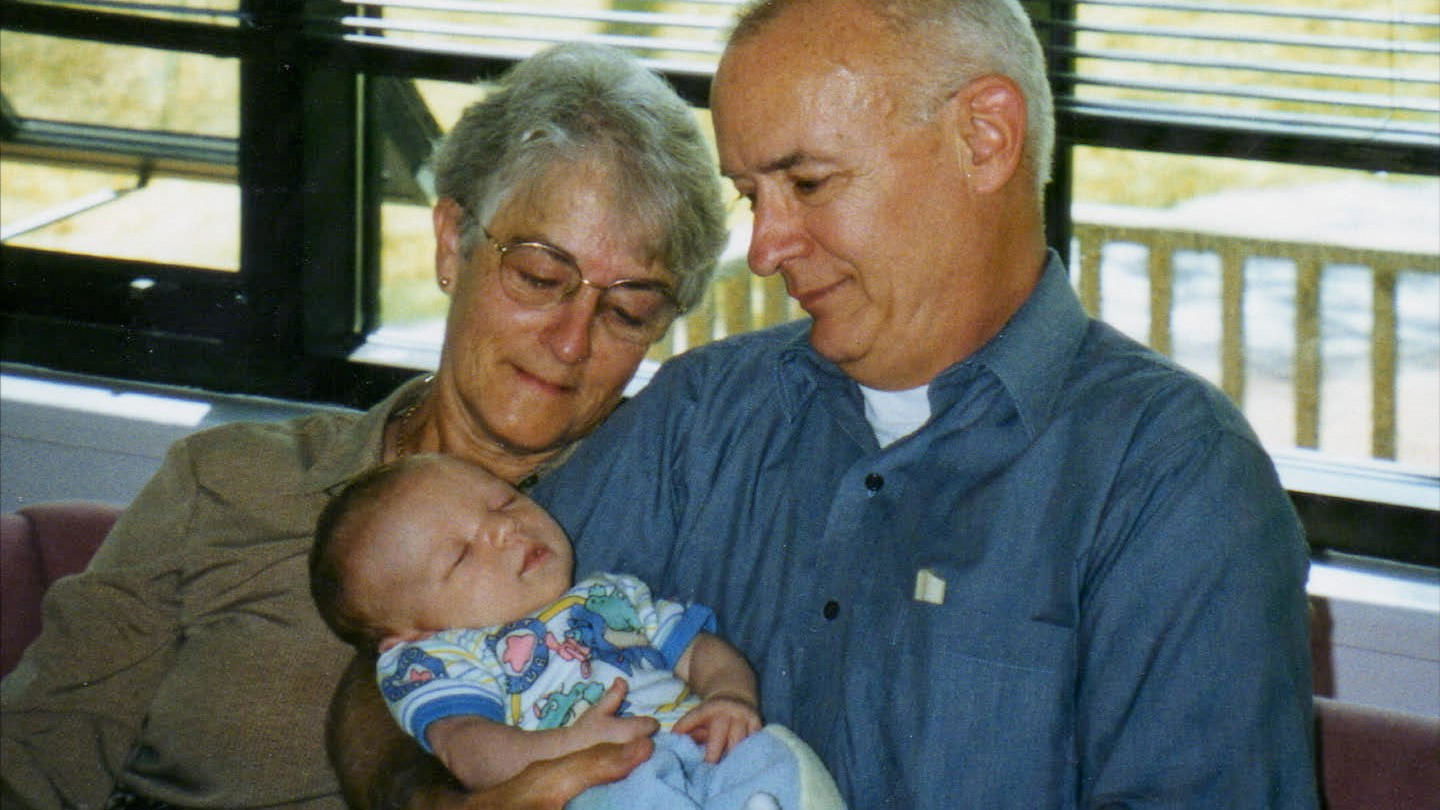
David and Kathleen Bagby have spent the decades following the tragedy advocating for legal reform and honoring the memories of their son Andrew and grandson Zachary. They worked extensively with lawmakers in Canada to ensure no other family suffers a similar institutional failure.
What is the primary takeaway of watching Dear Zachary?
The film serves as an emotional exploration of grief, friendship, and justice, while acting as a cautionary tale about the protective flaws within international judicial and child welfare systems. It challenges viewers to examine how legal frameworks balance the rights of the accused against the safety of vulnerable children.
Supporting Accountability and Child Welfare Protection
The legacy of Zachary Turner lives on through ongoing discussions regarding judicial accountability, domestic violence awareness, and child protection reforms. For those seeking to support child welfare initiatives or explore the legal frameworks inspired by the Bagby family, engaging with advocacy organizations dedicated to domestic violence prevention and victim rights remains a vital pathway. Reviewing legislative updates and supporting systemic oversight helps ensure that the lessons of this profound tragedy continue to protect children globally.
Image Gallery