Understanding Total Parenteral Nutrition Contents: A Comprehensive Guide to TPN Formulations
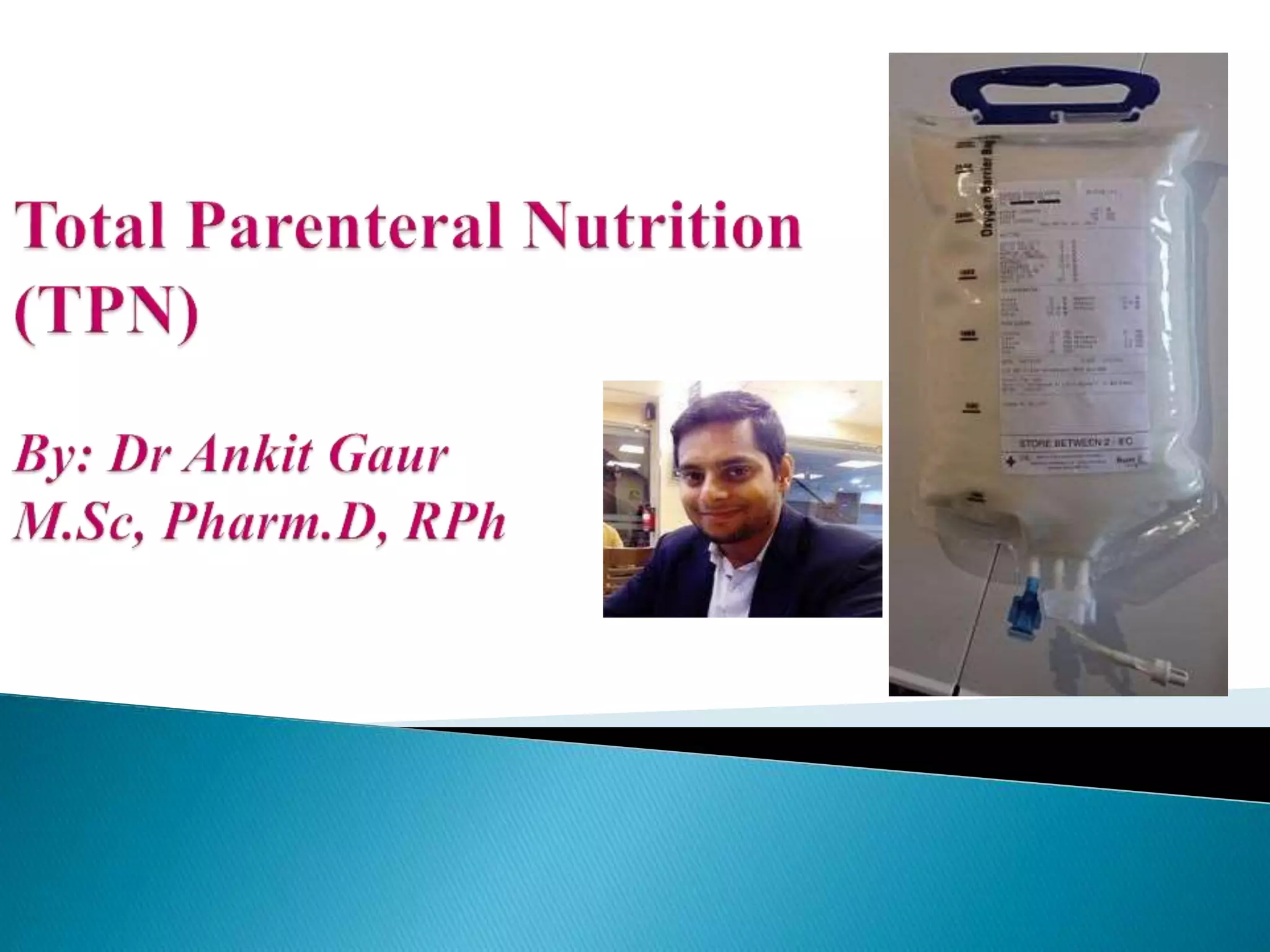
Total Parenteral Nutrition (TPN) is a life-sustaining intravenous solution formulated to provide complete daily nutritional requirements for individuals who cannot digest or absorb food through the gastrointestinal tract. TPN contents...
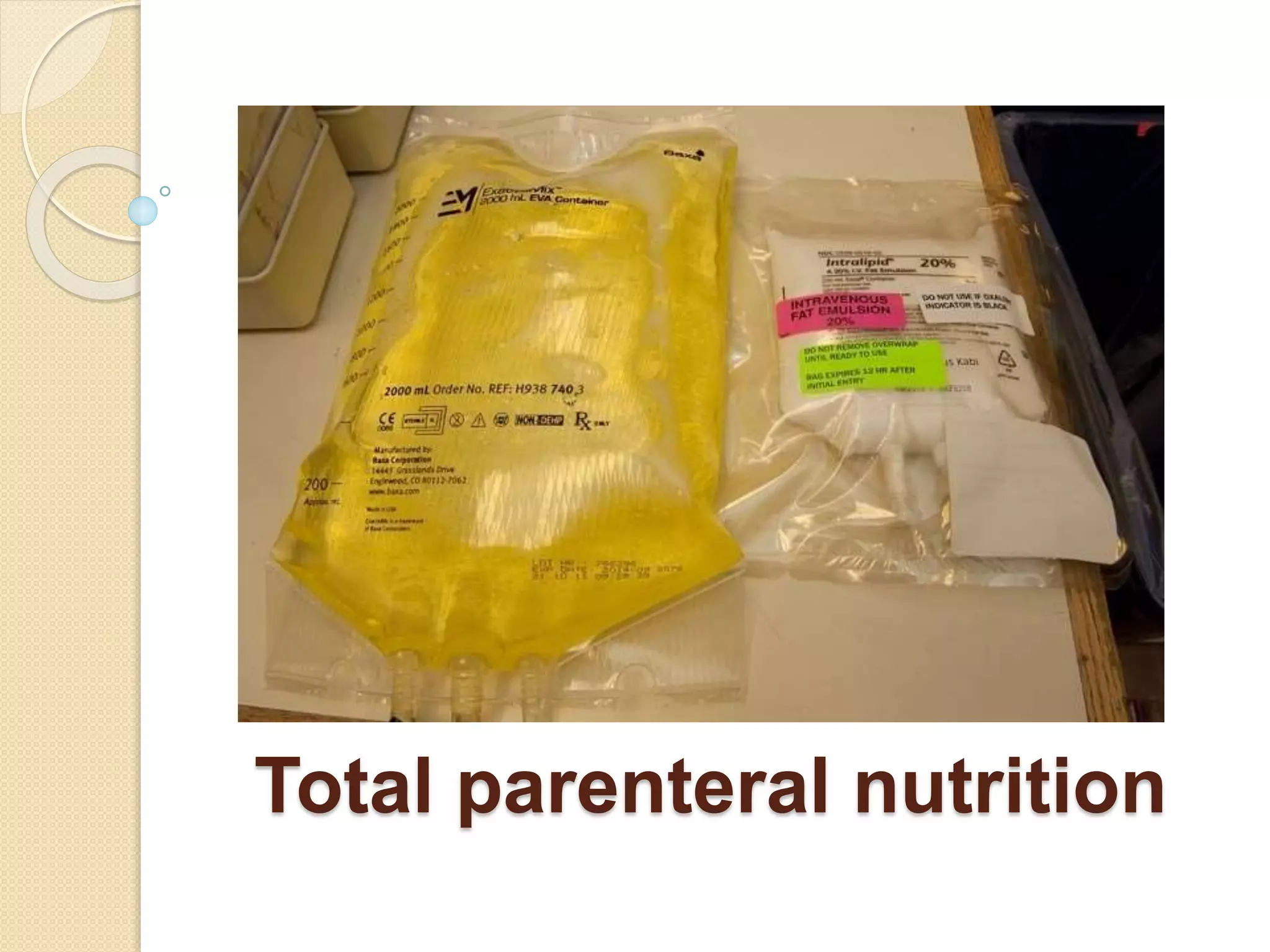
Total Parenteral Nutrition (TPN) is a life-sustaining intravenous solution formulated to provide complete daily nutritional requirements for individuals who cannot digest or absorb food through the gastrointestinal tract. TPN contents include macronutrients (dextrose, amino acids, and lipid emulsions), micronutrients (essential vitamins and trace elements), electrolytes, and sterile water, tailored precise to patient-specific metabolic needs.
Contents
Medical Disclaimer: This article is intended for educational purposes only and does not constitute medical advice. Total parenteral nutrition requires strict prescription, formulation by specialized pharmacists, and management by qualified healthcare professionals.
What Is Total Parenteral Nutrition?
Total Parenteral Nutrition (TPN) is the complete intravenous administration of all essential nutrients required to sustain human life, bypassing the digestive system entirely. It is indicated when the gastrointestinal (GI) tract is non-functional, inaccessible, or requires complete rest. Conditions necessitating TPN include severe short bowel syndrome, high-output enterocutaneous fistulas, bowel obstruction, severe intractable diarrhea, critical illness with prolonged GI failure, and severe radiation enteritis.
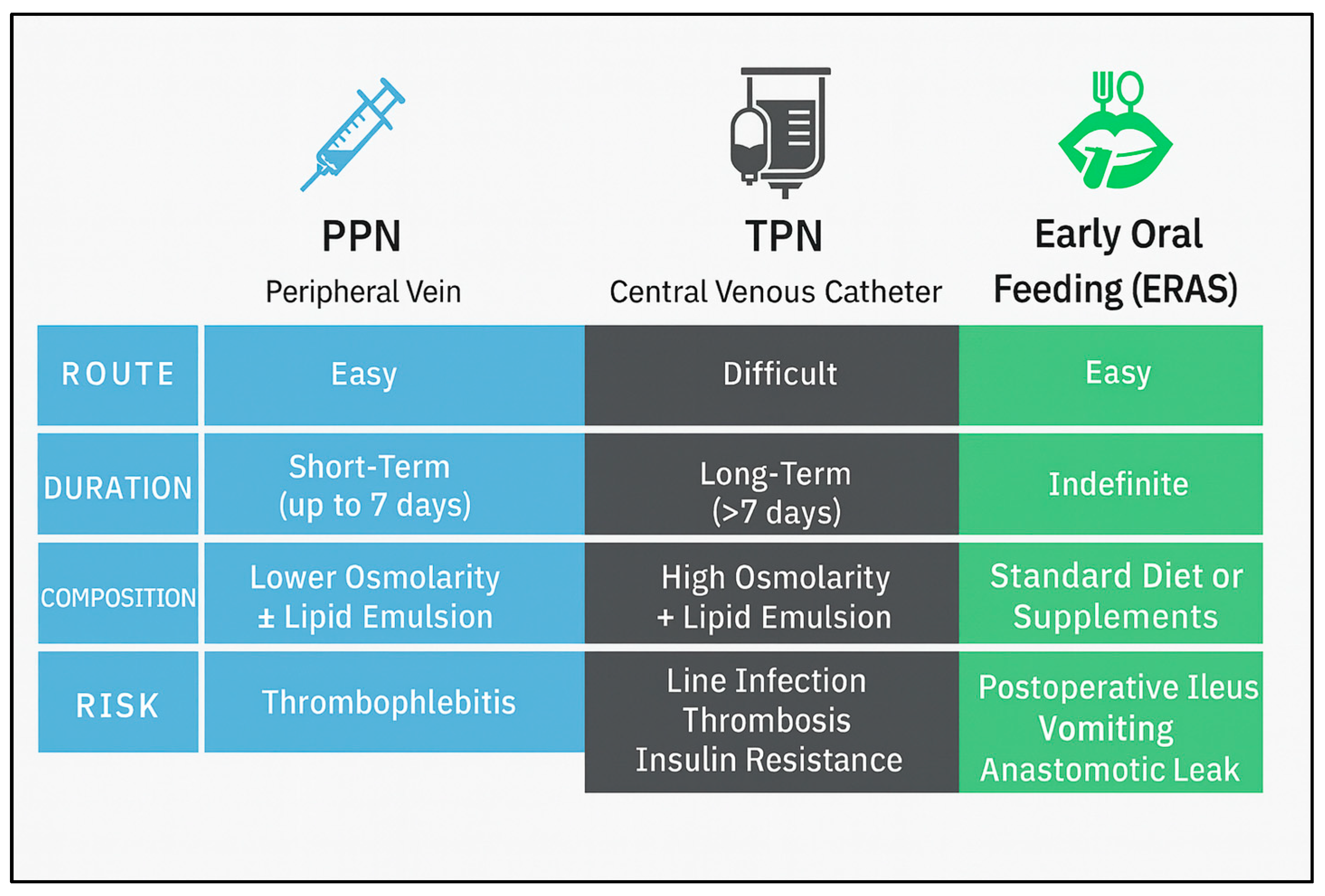
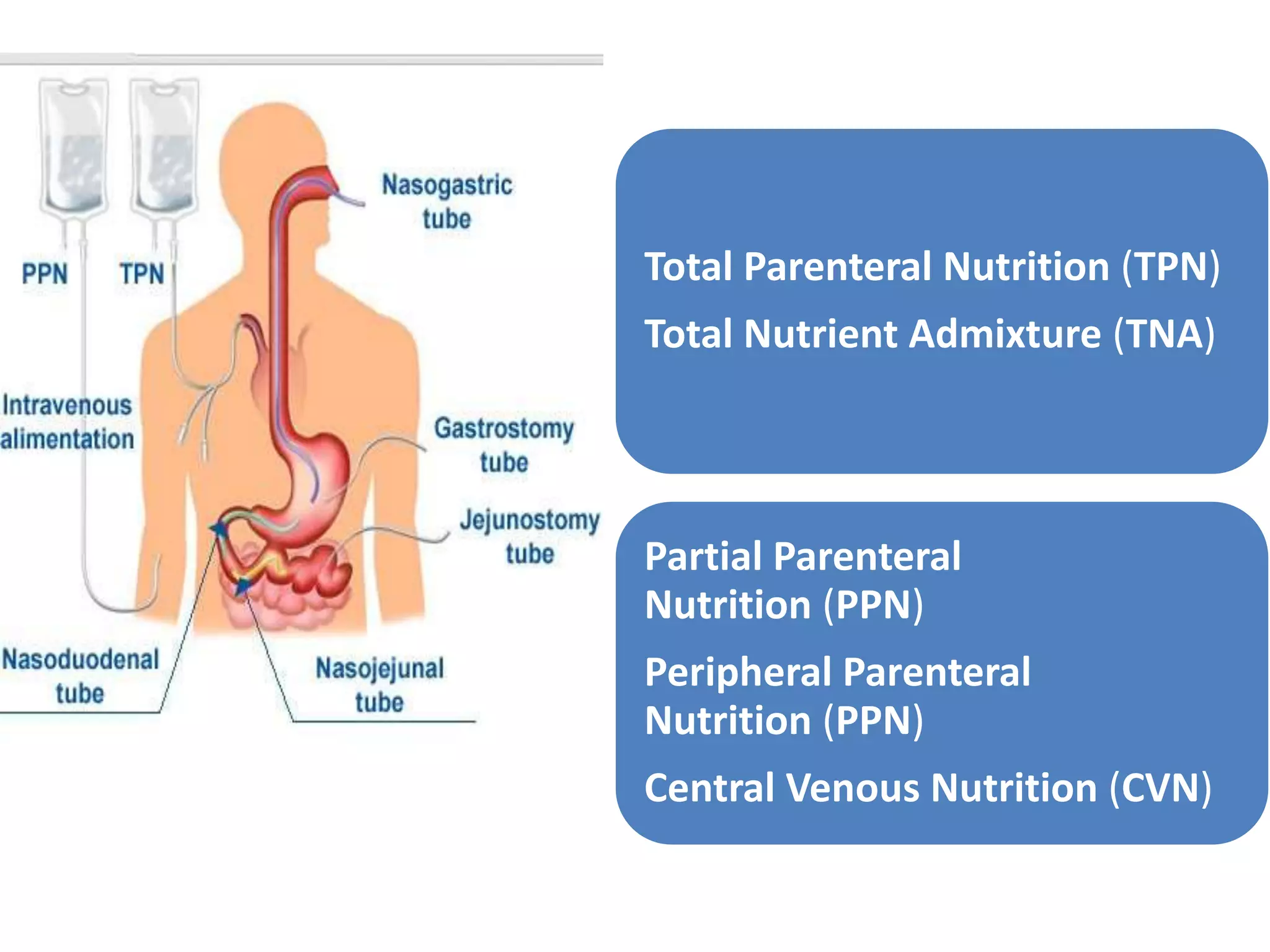
Unlike partial parenteral nutrition or peripheral parenteral nutrition (PPN)—which provides lower-osmolarity formulations designed for temporary, short-term use via peripheral veins—TPN is a hyperosmolar solution (often exceeding 900 mOsm/L). Because of its high osmolarity, true TPN must be infused through a dedicated central venous catheter, such as a Peripherally Inserted Central Catheter (PICC), a tunneled central line, or an implanted port. High-flow central veins, such as the superior vena cava, rapidly dilute the concentrated solution, preventing venous thrombosis, phlebitis, and vessel damage.
The composition of a TPN admixture is complex and highly customized. Clinical nutrition support teams—comprising physicians, clinical pharmacists, registered dietitians, and nutrition nurses—calculate daily TPN contents based on ideal body weight, clinical diagnosis, organ function, fluid restrictions, baseline lab values, and serial laboratory monitoring.
Core Macronutrient Components of TPN
Macronutrients form the caloric foundation and structural building blocks of parenteral nutrition. They supply the body with energy to maintain basal metabolic rates, promote wound healing, support immune defense, and prevent lean muscle mass catabolism.
1. Carbohydrates: Dextrose Monohydrate
Carbohydrates in parenteral formulations are provided as dextrose monohydrate. Dextrose serves as the primary caloric source for central nervous system function, wound repair, and red blood cell metabolism.
- Caloric Value: Standard oral carbohydrates yield 4.0 kilocalories per gram (kcal/g), but intravenous dextrose monohydrate yields 3.4 kcal/g due to its hydrated crystalline structure.
- Available Concentrations: Commercial dextrose solutions for intravenous compounding range from low-concentration preparations (5% or 10%) used primarily in peripheral lines, up to concentrated stock solutions (50% or 70%) used for compounding central TPN.
- Infusion Rates and Safety: The human liver has a maximum glucose infusion rate (GIR) capacity, typically between 4 to 5 milligrams per kilogram per minute (mg/kg/min) in adults. Exceeding this rate leads to severe hyperglycemia, hepatic steatosis (fatty liver deposition), excessive carbon dioxide production, and metabolic stress.
2. Protein: Crystalline Amino Acids
Protein is supplied in TPN as solutions of synthetic, crystalline amino acids. They supply essential, non-essential, and conditionally essential amino acids required for tissue repair, enzyme production, plasma protein synthesis, and nitrogen balance recovery.
- Caloric Value: Parenteral amino acids contribute 4.0 kcal/g to total caloric calculations.
- Formulations: Standard commercial solutions (ranging from 8.5% to 15% concentration) provide a balanced profile of amino acids. Specialized amino acid formulations exist for specific disease states, such as hepatically tailored amino acids (rich in branched-chain amino acids and low in aromatic amino acids for liver failure) or renal failure formulas (optimized for uremic patients).
- Clinical Target: Protein dosing typically ranges from 0.8 to 1.2 g/kg/day for non-stressed adults, rising to 1.5 to 2.5 g/kg/day for critically ill, burn, or trauma patients to counteract hypercatabolism.
3. Fats: Intravenous Lipid Emulsions (IVLE)
Intravenous lipid emulsions (IVLE) deliver dense calories and provide essential fatty acids—specifically linoleic acid (an omega-6 fatty acid) and alpha-linolenic acid (an omega-3 fatty acid)—to prevent Essential Fatty Acid Deficiency (EFAD). EFAD can develop within two to three weeks of fat-free parenteral administration.
- Caloric Value: Unlike dietary fat (9 kcal/g), intravenous lipid emulsions contain egg phospholipids as emulsifiers and glycerol for osmolality adjustment. Therefore, total caloric contributions vary by emulsion concentration:
- 10% IVLE: 1.1 kcal/mL
- 20% IVLE: 2.0 kcal/mL (most common standard concentration)
- 30% IVLE: 3.0 kcal/mL (primarily used in compounding 3-in-1 total nutrient admixtures)
- Emulsion Types: Historically, pure soybean oil-based emulsions (rich in omega-6 fatty acids) were standard. Contemporary clinical practice incorporates mixed-oil lipid emulsions containing combinations of soybean oil, medium-chain triglycerides (MCT), olive oil, and fish oil (SMOF). These modern emulsions reduce systemic inflammatory responses and protect against parenteral nutrition-associated liver disease (PNALD). Guidelines published by the American Society for Parenteral and Enteral Nutrition (ASPEN) detail safety standards for lipid infusion dosing and rate monitoring.
Micronutrients and Electrolyte Composition
While macronutrients provide bulk calories and protein, micronutrients and electrolytes maintain fluid balance, cardiac contractility, nerve transmission, bone integrity, and enzymatic cellular processes.
- Total Parenteral Nutrition
- Macronutrients
- Dextrose (3.4 kcal/g)
- Amino Acids (4.0 kcal/g)
- Lipid Emulsions (2 kcal/mL)
- Micronutrients & Electrolytes
- Electrolytes (Na, K, Ca, Mg, PO4)
- Multivitamins (MVI-13 profile)
- Trace Elements (Zn, Cu, Se, Cr, Mn)
- Sterile Water & Additives
- Sterile Water for Injection
- Acid-Base Buffers (Acetate)
- Compatible Medications
- Macronutrients
Essential Electrolytes
Electrolytes in TPN are adjusted daily based on serum lab chemistry, fluid losses (such as nasogastric output or diarrhea), and renal excretion.
- Sodium ($Na^+$): Primary extracellular cation responsible for fluid volume and osmolality balance. Provided as sodium chloride, sodium acetate, or sodium phosphate (typical range: 1–2 mEq/kg/day).
- Potassium ($K^+$): Primary intracellular cation vital for cardiac rhythm and neuromuscular stability. Added as potassium chloride, potassium acetate, or potassium phosphate (typical range: 1–2 mEq/kg/day).
- Calcium ($Ca^{2+}$): Critical for bone metabolism, coagulation cascades, and neuromuscular signaling. Typically added as calcium gluconate to lower precipitation risks (typical range: 10–15 mEq/day).
- Magnesium ($Mg^{2+}$): Essential cofactor for ATP-dependent enzymatic reactions. Provided as magnesium sulfate (typical range: 8–20 mEq/day).
- Phosphorus ($PO_4^{3-}$): Vital for cellular energy transfer (ATP), membrane structure, and bone mineral storage. Supplied as sodium phosphate or potassium phosphate (typical range: 20–40 mmol/day).
- Chloride ($Cl^-$) and Acetate ($C_2H_3O_2^-$): Chloride and acetate balance anion gaps and regulate acid-base equilibrium. Acetate metabolizes to bicarbonate in the liver. A patient with metabolic acidosis receives a higher acetate-to-chloride ratio, whereas a patient with metabolic alkalosis receives more chloride relative to acetate.
Parenteral Multivitamins (MVI)
Because vitamins are heat-sensitive and chemically labile, standard daily doses of sterile parenteral vitamin formulations are added to TPN shortly before infusion. Standard adult parenteral multivitamin preparations (such as MVI-13 formulations) contain nine water-soluble vitamins (B1, B2, B3, B5, B6, B7, B9, B12, and Vitamin C) and four fat-soluble vitamins (A, D, E, and Vitamin K).
Trace Elements
Trace elements act as essential cofactors for metabolic enzymes:
- Zinc: Crucial for wound healing, immune response, and protein synthesis.
- Copper: Required for hemoglobin formation and connective tissue integrity.
- Selenium: Protects cells against oxidative damage and supports thyroid conversion.
- Chromium: Enhances insulin receptor sensitivity for glycemic control.
- Manganese: Involved in amino acid, lipid, and carbohydrate metabolism.
Note on Toxicity: Patients with severe cholestatic liver disease require reduced or restricted parenteral copper and manganese, as these elements are primarily excreted in bile and can accumulate to toxic levels in the liver and brain.
Sterile Water and Specialized Additives
Sterile Water for Injection
Sterile Water for Injection (SWFI) acts as the solvent that brings the overall volume of the TPN solution to its target daily fluid total (often between 1.5 to 3.0 liters per day). Adjusting the volume of SWFI allows clinicians to manage hypervolemia (in congestive heart failure or renal failure) or hypovolemia (in high-output fistulas).
Pharmacological Additives
Certain medications can be directly compounded into the TPN container if physical and chemical compatibility is validated by a clinical pharmacist:
- Regular Insulin: Added to manage dextrose-induced hyperglycemia directly in the bag. Only short-acting regular human insulin is compatible.
- H2-Receptor Antagonists / Proton Pump Inhibitors: Medications like famotidine are frequently added to protect against stress-induced gastric ulcers.
- Heparin: Low-dose heparin (e.g., 0.5 to 1 unit per mL of TPN) is occasionally added to reduce fibrin sleeve formation around central venous catheter tips.
TPN Contents and Functions Summary Table
The following table summarizes the primary TPN components, their standard physiological targets, and key clinical considerations:
| Nutrient Component | Daily Baseline Range (Adult) | Primary Physiological Function | Critical Clinical Considerations |
|---|---|---|---|
| Dextrose | 2.0–5.0 mg/kg/min (GIR) | Major carbohydrate energy source | Monitor blood glucose; avoid exceeding max liver glucose oxidation rate. |
| Amino Acids | 0.8–2.0 g/kg/day | Tissue repair, protein synthesis | Adjust for renal/hepatic impairment; contributes 4 kcal/g. |
| Lipid Emulsion (IVLE) | 0.7–1.0 g/kg/day (Max 2.5 g/kg) | Energy, prevents essential fatty acid deficiency | Hold if serum triglycerides exceed 400–500 mg/dL. |
| Sodium | 1.0–2.0 mEq/kg/day | Fluid balance, osmolality | Adjust based on hydration status and GI losses. |
| Potassium | 1.0–2.0 mEq/kg/day | Cardiac rhythm, cellular function | Recheck in renal dysfunction or concurrent loop diuretic use. |
| Calcium | 10–15 mEq/day | Neuromuscular stability, bone health | Formulated as gluconate to prevent phosphate precipitation. |
| Magnesium | 8–20 mEq/day | Cellular metabolism, cofactor | Lower dose in renal failure; closely monitor in refeeding risk. |
| Phosphate | 20–40 mmol/day | ATP energy transfer, bone structural integrity | High risk of drop during initial refeeding syndrome. |
| Multivitamins (MVI) | 1 vial/day standard | Metabolic cofactors, cellular maintenance | Sensitive to light degradation; added daily prior to administration. |
| Trace Elements | 1 mL standard dose | Enzyme activation, anti-oxidation | Omit or decrease copper and manganese in biliary obstruction. |
Admixture Delivery Systems: 2-in-1 vs. 3-in-1 (Total Nutrient Admixture)
Parenteral nutrition is compounded using automated compounding devices inside sterile laminar flow hoods following strict sterile compounding standards (such as USP Chapter <797> guidelines). There are two primary delivery systems:
- 2-in-1 System
- Dextrose + Amino Acids + Micronutrients
- 0.22-micron filter
- Lipid Emulsion (Separate)
- 1.2-micron filter
- Central Line
- Dextrose + Amino Acids + Micronutrients
- 3-in-1 System (Total Nutrient Admixture / TNA)
- Dextrose + Amino Acids + Lipids + Micronutrients
- 1.2-micron filter
- Central Line
- Dextrose + Amino Acids + Lipids + Micronutrients
1. 2-in-1 Formulations
In a 2-in-1 system, dextrose, amino acids, electrolytes, vitamins, trace elements, and water are mixed together in one clear bag. Intravenous lipid emulsions are infused separately from a distinct container, either concurrently through a Y-site connector or as an intermittent piggyback infusion.
- Advantages: High visual clarity allows healthcare personnel to easily inspect the container for micro-particulates or precipitation (such as calcium-phosphate salts).
- Filtration: The clear 2-in-1 bag is infused through a 0.22-micron inline filter, which effectively traps microscopic particles and bacteria.
2. 3-in-1 Systems (Total Nutrient Admixture - TNA)
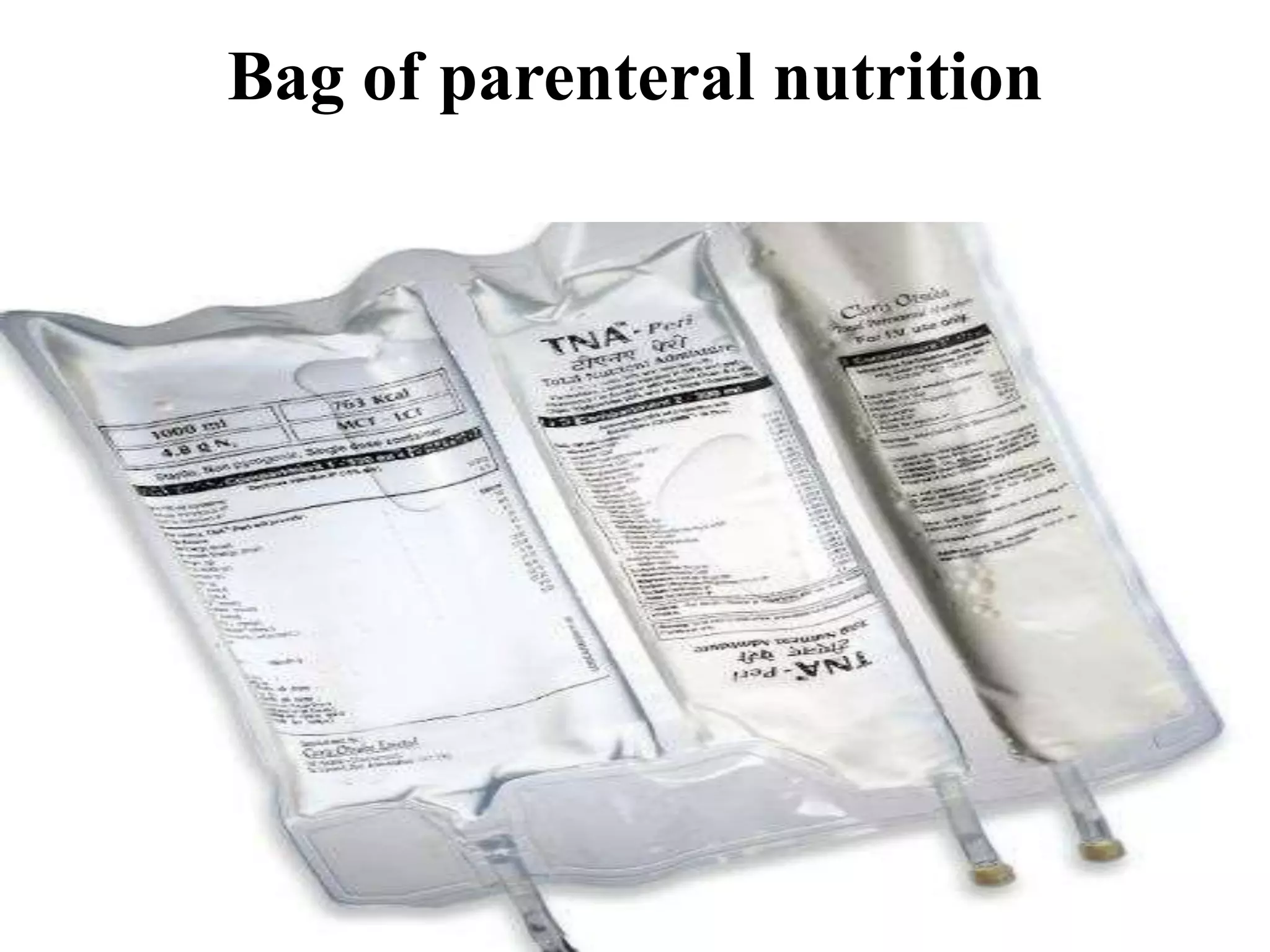
In a 3-in-1 (or "all-in-one") system, dextrose, amino acids, lipid emulsion, water, and micronutrients are all combined into a single container, creating a uniform, opaque, milky-white solution.
- Advantages: Simplifies administration, reduces connection steps, lowers catheter manipulation risks, and saves storage space in home parenteral nutrition settings.
- Limitations: The opaque lipid matrix obscures visual inspection for particulate matter or physical incompatibility.
- Filtration: Because fat droplets are larger than 0.22 microns, a 3-in-1 system cannot pass through a 0.22-micron filter without clogging. Instead, a 1.2-micron inline filter must be used to permit lipid passage while still capturing large particulates and fat emboli.
Physical Compatibility and Precipitation Hazards
The most critical safety concern in TPN compounding is the chemical interaction between calcium and phosphate. When combined in improper ratios or under unfavorable physical conditions, calcium and phosphate react to form insoluble calcium phosphate ($CaHPO_4$) precipitates. If infused intravenously, these microscopic crystals can cause fatal pulmonary microemboli.
Factors that increase calcium-phosphate precipitation risks include:
- High Concentration: Exceeding maximum solubility thresholds for combined calcium and phosphate concentrations.
- Elevated Temperature: Warmer temperatures increase the dissociation rate of calcium, driving precipitate formation.
- Basic pH: A higher solution pH shifts phosphate into a dibasic state ($HPO_4^{2-}$), which readily binds free calcium ions. Lower pH (more acidic solutions) preserves the monobasic form ($H_2PO_4^-$), keeping calcium in solution.
- Order of Mixing: Compounding protocols specify adding phosphate early in the mixing sequence and adding calcium near the end, ensuring maximum dilution before the two ions interact.
Clinical Safety, Monitoring, and Metabolic Complications
Managing TPN requires systematic monitoring to prevent serious metabolic imbalances.
1. Refeeding Syndrome
Refeeding syndrome occurs when severely malnourished or starved patients are rapidly reintroduced to concentrated intravenous carbohydrate calories. Dextrose infusion triggers a sudden surge in endogenous insulin secretion. Insulin drives glucose, potassium, magnesium, and phosphate out of the vascular space and into cells.
This rapid intracellular shift leads to acute, profound hypophosphatemia, hypokalemia, and hypomagnesemia. Clinical consequences include cardiac arrhythmias, respiratory failure, muscle weakness, seizures, and sudden cardiac collapse.
- Prevention Strategy: Identify high-risk patients, initiate TPN at low dextrose concentrations (e.g., 100–150 grams per day), aggressively correct serum electrolyte deficits before starting parenteral therapy, and advance caloric targets slowly over 3 to 5 days while monitoring laboratory values every 12 to 24 hours. Detailed clinical protocols from the National Institutes of Health (NIH) PubMed Repository outline safety benchmarks for managing refeeding risk.
2. Hyperglycemia and Hypoglycemia
- Hyperglycemia: Exogenous glucose delivery combined with stress-induced cortisol and cytokine release can elevate blood glucose levels. Uncontrolled hyperglycemia increases the risk of surgical site infections, hyperosmolar non-ketotic states, and osmotic diuresis. Regular insulin added to the TPN container or administered via a separate subcutaneous sliding scale helps preserve glycemic stability.
- Hypoglycemia: Abruptly stopping a high-dextrose TPN infusion leaves high circulating levels of endogenous insulin without an incoming glucose supply. If TPN must be discontinued suddenly, a 10% dextrose solution should be infused temporarily to prevent rebound hypoglycemia.
3. Hepatic and Hepatobiliary Complications
Parenteral Nutrition-Associated Liver Disease (PNALD) and Parenteral Nutrition-Associated Cholestasis (PNAC) are long-term complications observed in patients receiving chronic TPN. Pathopathologies involve biliary sludge formation, hepatic steatosis, elevated bilirubin, and progressive liver fibrosis. Management includes introducing small amounts of enteral nutrition whenever possible, cycling TPN infusions over 12 to 16 hours rather than continuous 24-hour infusions, and utilizing modern multi-oil intravenous lipid emulsions (SMOF).
Frequently Asked Questions
What is the difference between TPN and standard IV fluids?
Standard IV fluids (such as 0.9% Normal Saline or 5% Dextrose in Water) provide hydration, basic electrolyte replacement, and minimal caloric support during short procedures. They do not contain sufficient calories, protein, lipid fatty acids, vitamins, or trace elements to sustain metabolic nutrition long-term. TPN is a hypertonic, nutritionally complete solution designed to meet 100% of a patient's daily caloric and structural nutritional requirements.
Why must TPN be infused through a central vein rather than a arm vein?
TPN contains highly concentrated dextrose, amino acids, and minerals, resulting in high osmolarity (typically >900 mOsm/L). Infusing hyperosmolar fluids into small peripheral veins draws water rapidly out of endothelial cells, causing severe vein inflammation (phlebitis), pain, thrombosis, and tissue necrosis. Central veins (such as the superior vena cava) have high blood flow volumes that instantly dilute the solution, protecting the vascular wall.
Can medications be mixed directly into a TPN bag?
Only specific, thoroughly tested medications can be directly added to a TPN container, and only after validation by a specialized health-system pharmacist. Regular insulin, famotidine, and heparin are common examples. Most other intravenous medications are incompatible with TPN components and must be administered through a separate, dedicated intravenous line or lumen to avoid solution precipitation or drug inactivation.
What is the purpose of cycling TPN?
Cycling TPN involves infusing the total daily TPN volume over a condensed timeframe—such as 12 to 16 hours overnight—rather than continuously over 24 hours. Cycling allows the liver time to mobilize stored glycogen and lipids during the off-hours, reduces hyperinsulinemia, decreases the risk of parenteral nutrition-associated liver disease, and grants patients enhanced mobility during daylight hours.
How often are TPN formulations changed or adjusted?
In acute hospital settings, TPN orders are reviewed and adjusted daily by clinical nutrition support teams based on morning blood laboratory results (electrolytes, blood glucose, liver function tests, kidney function, and fluid balance). Once a home parenteral nutrition patient achieves clinical stability, formulations are typically reviewed and adjusted weekly or monthly.
Summary and Practical Next Steps
Understanding total parenteral nutrition contents requires recognizing the functional role of each component: dextrose for primary energy, amino acids for tissue synthesis, intravenous lipid emulsions for essential fatty acids and concentrated calories, balanced electrolytes for cardiac and cell stability, and precise micronutrient additives to support metabolic pathways.
Key Operational Recommendations for Clinicians and Caregivers
- Verify Line Placement: Confirm central line catheter tip placement via radiographic imaging or real-time tip location technology before initiating hypertonic TPN solutions.
- Adhere to Strict Aseptic Technique: Maintain sterile barrier precautions during bag changes, tubing changes, and line access to reduce catheter-related bloodstream infections (CRBSI).
- Use Correct Inline Filters: Ensure a 0.22-micron filter is utilized for 2-in-1 non-lipid formulations and a 1.2-micron filter is utilized for 3-in-1 Total Nutrient Admixtures (TNAs) and separate lipid infusions.
- Monitor Electrolytes and Blood Glucose Daily: Track blood glucose every 6 hours during initiation, and recheck serum electrolytes daily until stable to prevent refeeding syndrome and metabolic derangements.
- Never Speed Up an Infusion: If a TPN infusion falls behind schedule, do not increase the infusion rate to "catch up," as this can induce severe hyperglycemia or fluid overload.
Image Gallery