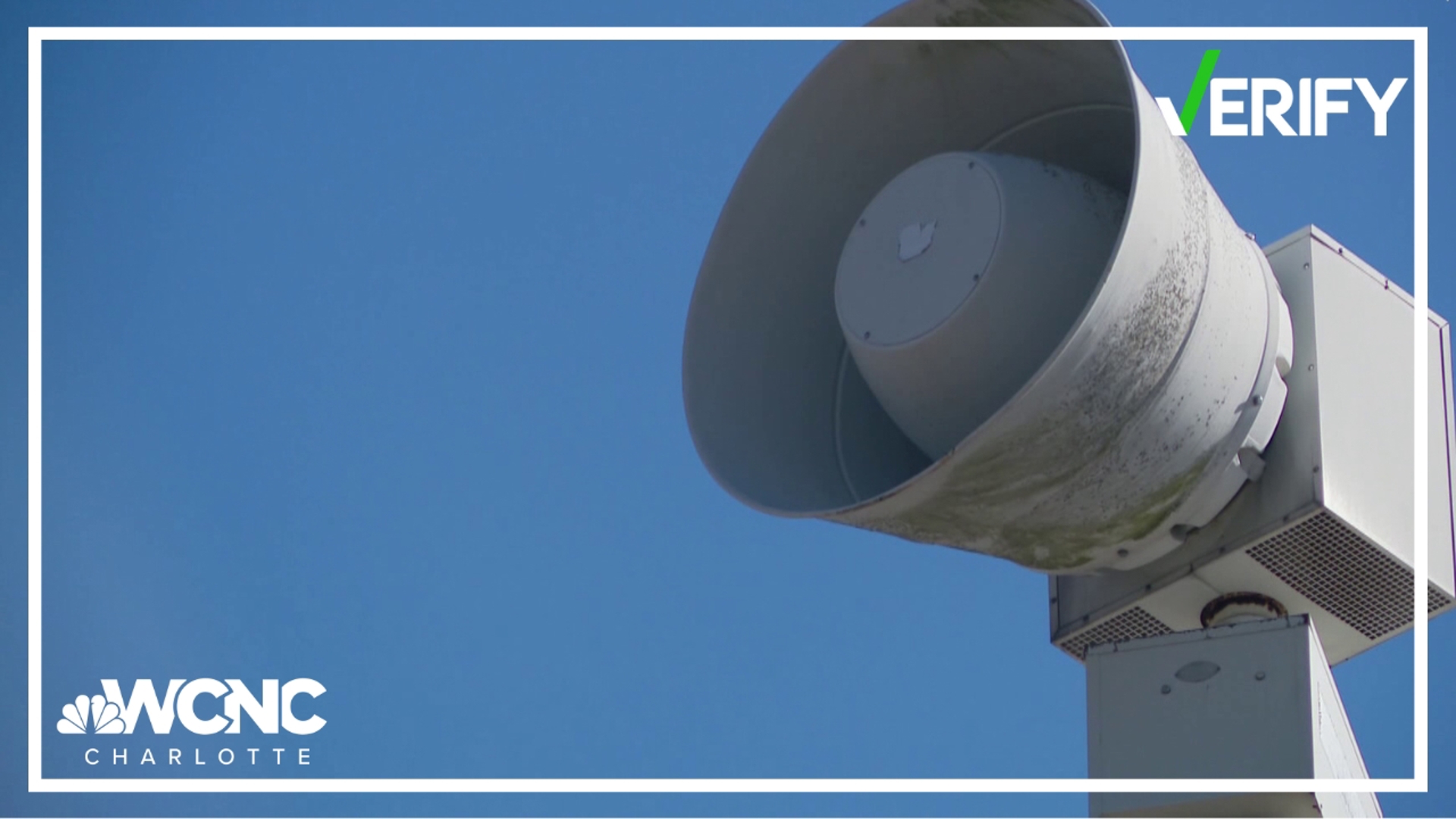
How Indiana Tornado Sirens Work: Architecture, Activation, and Acoustic Mechanics
Indiana tornado sirens operate through county-level Emergency Management Agencies using radio frequency telemetry to activate mechanical rotors or electronic speaker arrays. When the National Weather Service issues a warning or spotter...
Indiana tornado sirens operate through county-level Emergency Management Agencies using radio frequency telemetry to activate mechanical rotors or electronic speaker arrays. When the National Weather Service issues a warning or spotters confirm a funnel, dispatchers send encrypted VHF/UHF signals to pole-mounted control boxes, triggering high-decibel outdoor warning tones designed specifically for outdoor public notification.
Contents
The Decentralized Architecture of Indiana's Siren Infrastructure
Understanding how tornado sirens work in Indiana requires recognizing that there is no centralized, statewide push-button system. Emergency management in Indiana is governed primarily at the local level. Each of Indiana’s 92 counties operates its own outdoor warning siren network through a County Emergency Management Agency (EMA), often integrated with municipal public safety dispatch operations or consolidated 911 communications centers.
While the National Weather Service (NWS)—operating from weather forecast offices serving Indiana such as Indianapolis, Northern Indiana (Syracuse), Wilmington (Ohio), Chicago, and Paducah—issues official atmospheric alerts, local county dispatchers retain ultimate authority over siren activation. The physical system relies on a combination of hardware types, wireless control networks, and local operational protocols.
- NWS Radar / Spotter Report
- County 911 / EMA Dispatch
- RF Signal (VHF/UHF, DTMF/FSK)
- Pole Receiver / Controller
- Mechanical Rotor / Speaker (115–130 dBA Tone Output)
Governance and Regional Operational Differences
Because governance is localized, activation criteria and siren density vary significantly across county borders:
- County EMAs: Establish activation triggers, such as issuing alerts for the entire county simultaneously versus activating localized "polygon" zones based on NWS storm tracks.
- Municipal Public Safety: In densely populated areas like Marion County (Indianapolis), Allen County (Fort Wayne), or Lake County, city public safety departments coordinate closely with county EMAs to maintain high-density siren grids.
- Rural Township Coverage: In rural agricultural counties, sirens are typically concentrated around town centers, public parks, and schools, leaving open farmland outside effective acoustic range.
Siren Hardware Technologies: Electro-Mechanical vs. Solid-State Electronic
Indiana relies on two primary classes of sirens across its municipalities: electro-mechanical sirens and solid-state electronic siren arrays. Both technologies aim to project high-amplitude acoustic waves across large physical spaces, but their internal mechanisms and capabilities differ.
Electro-Mechanical Sirens
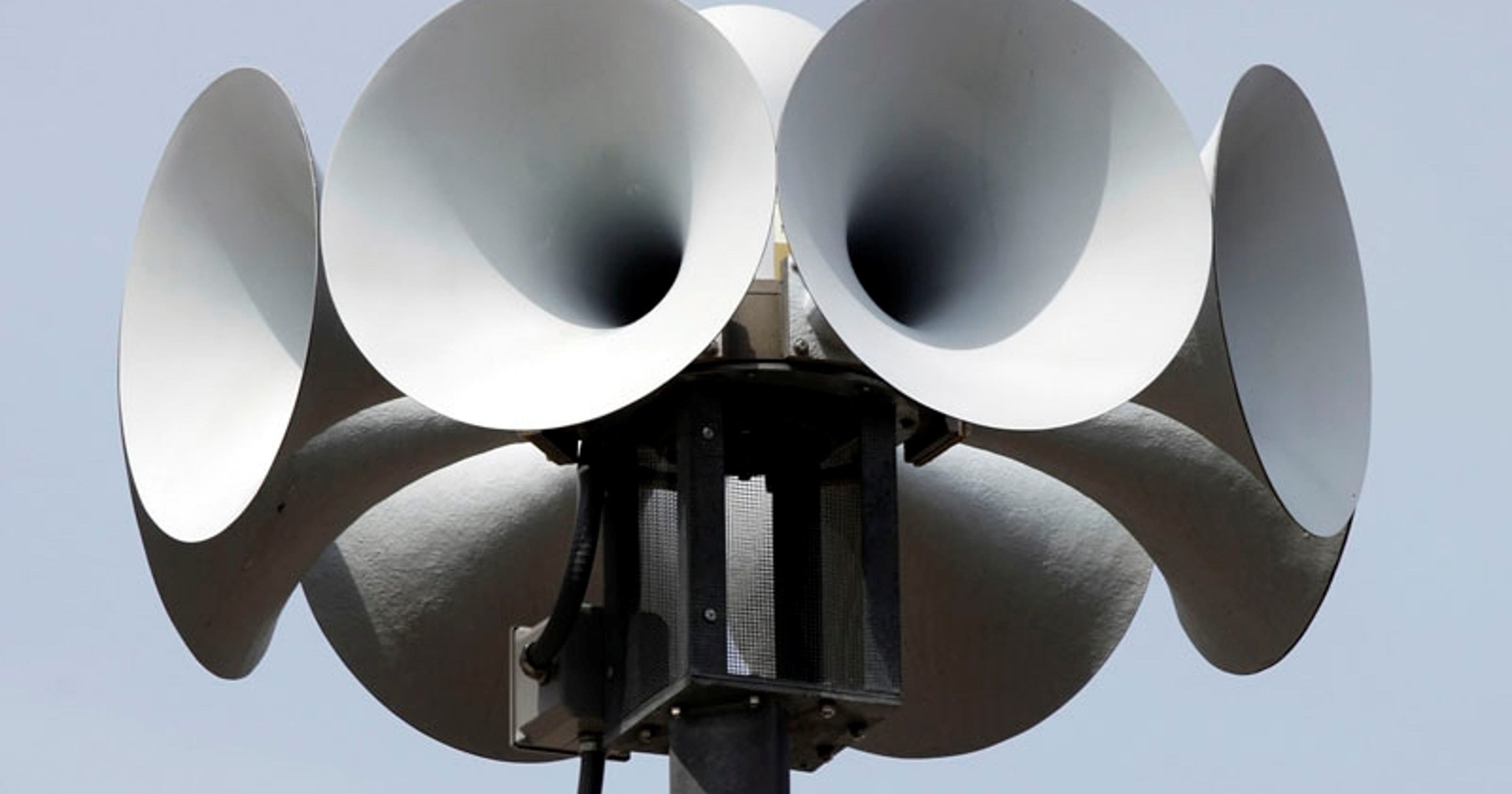
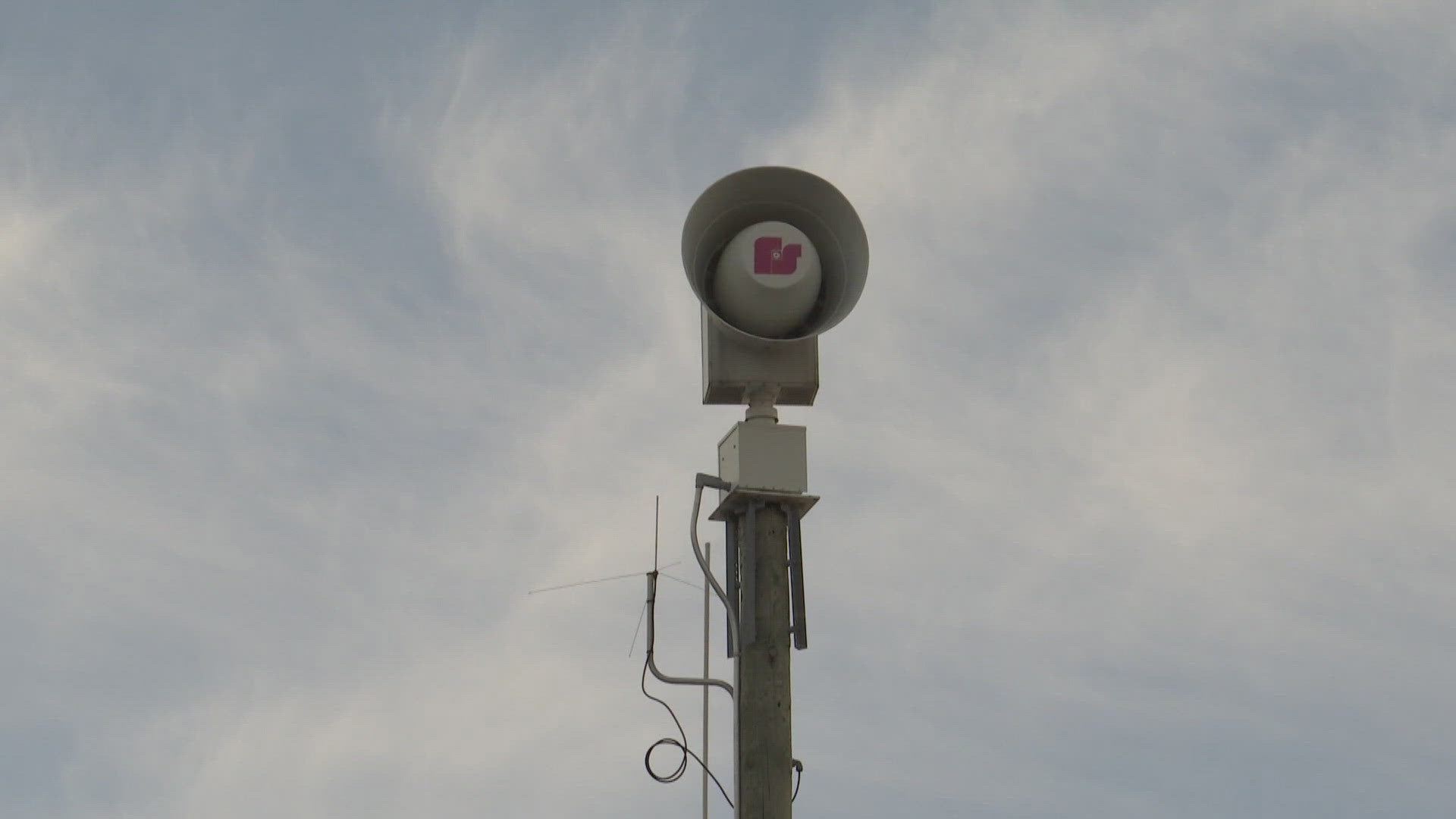
Electro-mechanical units are the traditional workhorses found throughout Midwestern communities. Models such as the Federal Signal 2001 series, the Eclipse 8, or older dual-tone 3T22 units operate on fundamental fluid dynamic principles.
- Rotor and Stator Assembly: An electric motor drives a ported aluminum or composite rotor (an internal fan) at high revolutions per minute (RPM) inside a stationary, slotted enclosure called a stator.
- Air Chopping: As air is pulled into the intake housing, the spinning rotor periodically cuts off the airflow exiting through the stator slots. This rapid "chopping" of air converts mechanical energy into pressure waves, generating intense sound tones.
- Fundamental Pitch: The frequency (pitch) of the tone depends on the number of slots in the rotor and its rotation speed. Most mechanical sirens produce sound between 400 Hz and 500 Hz, a frequency band capable of traveling long outdoor distances.
- Directional Rotation: Many mechanical sirens rotate 360 degrees on a motorized turntable. By rotating at roughly 2 to 4 RPM, the directional acoustic horn focuses its maximum decibel energy in a sweeping beam across the surrounding landscape.
Solid-State Electronic Siren Arrays
Modern installations across Indiana increasingly use solid-state electronic sirens, such as the Whelen WPS series or Acoustic Technology Inc. (ATI) systems. These units operate without large moving parts.
- Compression Drivers: Electronic sirens use high-power electrodynamic compression drivers mounted inside stationary, directional horn throats.
- Audio Signal Generators: Solid-state circuit boards synthesize pure acoustic sine waves, continuous alert tones, high-low signals, or fast-wail patterns.
- Voice Broadcast Capability: Unlike mechanical units, electronic arrays can act as public address systems, broad-casting live dispatcher microphone feeds or pre-recorded evacuation instructions.
- Omnidirectional or Directional Stacks: These arrays are typically configured in vertical horn stacks, emitting sound uniformly in 360 degrees without mechanical rotation.
Step-by-Step Activation Workflow
The progression from atmospheric threat detection to tone generation involves several linked communication steps.
- Threat Detection
- NWS Radar detects rotation OR Skywarn Spotters confirm funnel cloud.
- Warning Issuance
- NWS issues Tornado Warning polygon over Indiana county coordinates.
- Command Decision
- Dispatcher initiates siren software on Computer-Aided Dispatch (CAD).
- Telemetry Transmission
- Radio transmitter broadcasts encoded DTMF/FSK signal via VHF/UHF.
- Receiver Activation
- Pole-mounted cabinet decodes signal, energizing contactors/amplifiers.
- Tone Production
- Siren produces 3-to-5-minute steady warning tone over target radius.
Step 1: Meteorological Detection and Warning Issuance
The sequence begins when NWS meteorologists spot intense low-level rotation on Doppler radar or receive reports from trained Skywarn spotters, local law enforcement, or emergency management field units. The NWS issues a official Tornado Warning covering specific geographic coordinates (a warning polygon).
Step 2: Signal Transmission via Radio Frequency Telemetry
Once a warning is declared for an Indiana county, dispatchers at the county 911 communications center initiate the activation sequence via Computer-Aided Dispatch (CAD) consoles or dedicated radio control panels.
Sirens are not wired with traditional physical landlines. Instead, they rely on wireless radio frequency (RF) telemetry operating primarily on local public safety VHF (150–170 MHz) or UHF (450–470 MHz) radio bands:
- DTMF (Dual-Tone Multi-Frequency): Audio tones similar to telephone keypad sounds are broadcast over the radio frequency to trigger specific relays in target sirens.
- FSK (Frequency Shift Keying) Digital Protocol: Modern control systems transmit encrypted, high-speed digital data packets containing site-specific addresses, activation commands, and duration parameters.
Step 3: Pole-Cabinet Processing and Power Distribution
At the siren site, a radio receiver antenna mounted on the utility pole routes the incoming RF signal down to an outdoor-rated, weatherproof control cabinet:
- Signal Decoding: The local logic board validates the security tone or digital checksum to prevent false activations from stray radio interference.
- Contactor Closure (Mechanical): For mechanical sirens, the controller activates high-amperage motor contactors, connecting line voltage (typically 240V AC single-phase or three-phase power) directly to the rotor motor and rotator gear.
- Amplifier Drive (Electronic): For electronic sirens, the controller activates solid-state amplifiers powered by a continuous 24V DC battery bank (trickle-charged by utility grid power or dedicated solar panels).
Step 4: Sound Production and Signal Cycle
The siren executes its programmed alert sequence. In Indiana, the standard emergency signal is a steady 3-to-5-minute continuous tone. Unlike civil defense air-raid signals that alter pitch rapidly (the "wail" tone), a steady tone signifies an immediate environmental hazard requiring shelter.
Acoustic Physics, Decibel Drop-off, and Sound Attenuation
Outdoor warning sirens are calibrated to achieve maximum decibel output at their source, but atmospheric and environmental variables rapidly degrade sound intensity over distance.
Inverse-Square Acoustic Drop-off (Ideal Free-Field Conditions)
| Distance from Siren | Estimated Sound Pressure Level (dBA) |
|---|---|
| 100 Feet (~30 meters) | 115 to 130 dBA (Near Source) |
| 200 Feet | 109 to 124 dBA |
| 400 Feet | 103 to 118 dBA |
| 800 Feet | 97 to 112 dBA |
| 1 Mile (~5,280 feet) | 60 to 75 dBA (Ambient City Noise Level) |
| 2 Miles (~10,560 feet) | 48 to 63 dBA (Below Indoor Hearing Threshold) |
The Inverse-Square Law
Sound intensity drops according to the inverse-square law. In ideal conditions, sound pressure levels decrease by approximately 6 decibels (dB) for every doubling of distance from the sound source. A siren producing 120 dBA at 100 feet will drop to roughly 114 dBA at 200 feet, 108 dBA at 400 feet, and approximately 65 to 70 dBA at a distance of one mile.
Environmental Sound Dampening Factors
Real-world sound propagation across Indiana terrain is affected by several environmental factors:
- Wind Direction and Speed: Vector winds can carry sound waves away from intended target zones or create acoustic shadow zones downwind.
- Relative Humidity and Temperature Inversions: Low humidity absorbs high-frequency acoustic energy faster. Conversely, morning temperature inversions can trap sound near the ground, allowing it to travel further.
- Topography and Vegetation: Dense tree canopies, hills, and river valleys block and scatter acoustic wave paths.
- Building Envelope Attenuation: Modern modern high-efficiency home construction—featuring insulated walls (R-13 to R-21 values), double-pane low-E glass, and sealed air barriers—reduces exterior noise levels by 25 to 35 dBA inside a structure.
Comparing Mechanical Sirens vs. Solid-State Electronic Arrays
| Technical Feature | Electro-Mechanical Sirens | Solid-State Electronic Arrays |
|---|---|---|
| Primary Mechanism | Electric motor, rotor/stator air chopping | Electronic tone generator, compression drivers |
| Typical Decibel Output | 115–130 dBA at 100 feet | 115–128 dBA at 100 feet |
| Sound Distribution | Sweeping directional beam (rotating assembly) | 360-degree omnidirectional or directional stacks |
| Power Requirements | High-voltage AC (240V/480V); requires heavy UPS | Low-voltage 24V DC battery banks with grid/solar charger |
| Power Outage Resilience | Limited unless backed by industrial generators | High (runs directly off internal battery reserves) |
| Voice Capability | None (Tones only) | Full voice broadcast and pre-recorded messaging |
| Dominant Frequencies | Fixed pitch (typically 400–500 Hz) | Variable pitch, multi-frequency capabilities |
| Common Maintenance Needs | Motor brushes, rotator belts, slip ring contacts | Battery replacement, amplifier board checks, driver voice coils |
Limitations: Why Sirens Are Not Indoor Alert Systems
The most critical operational fact regarding Indiana tornado sirens is their intended design scope: tornado sirens are outdoor warning devices.
- OUTDOOR ENVIRONMENT
- High Intensity: 115-130 dBA
- BUILDING EXTERIOR WALL
- Attenuates sound (-25 to -35 dBA)
- INDOOR LIVING SPACE
- Ambient HVAC/TV Noise (45-55 dBA)
- Result: Siren barely audible
- INDOOR BEDROOM
- Sleep Threshold / Closed Doors
- Result: INAUDIBLE (Fails to awaken)
Sirens were originally designed in the mid-20th century to alert people working outdoors in agricultural fields, parks, or construction sites so they could seek indoor shelter. They were never designed to penetrate modern home insulation, wake sound sleepers, or overcome indoor ambient noise such as televisions, air conditioners, and white-noise machines.
Redundant Alert Technologies
Emergency management officials strongly advise against relying on outdoor sirens as a primary indoor alert system. Comprehensive weather awareness requires multiple redundant warning channels:
- NOAA Weather Radio (NWR): Standalone indoor radio receivers programmed with Specific Area Message Encoding (SAME) technology for your specific county. These units stay silent until the NWS issues an alert, at which point they emit a loud alarm and broadcast detailed meteorological details, even during power outages.
- Wireless Emergency Alerts (WEA): Emergency text messages broadcast by cell towers directly to mobile devices within targeted geographical boundaries, bypassing network congestion.
- Local Broadcast Media: Television and broadcast radio emergency alert systems (EAS).
- Mobile Weather Applications: Smartphone software configured to push notifications based on real-time device location tracking.
Testing Protocols and Operational Maintenance Across Indiana
To maintain hardware reliability, Indiana counties perform regular scheduled siren testing.
Monthly Test Schedules
While exact schedules depend on local county policy, standard testing windows across Indiana include:
- Marion County (Indianapolis): Tests on the first Friday of every month at 11:00 AM.
- Surrounding Central Indiana Counties: Many adjacent counties (such as Hamilton, Hendricks, Johnson, and Hancock) align testing on the first Friday or first Tuesday of the month at 11:00 AM.
- Northern and Southern Indiana Counties: Schedules vary locally, often running on the first Tuesday, Wednesday, or Saturday of the month at noon or 11:00 AM.
Weather Cancellation Rules
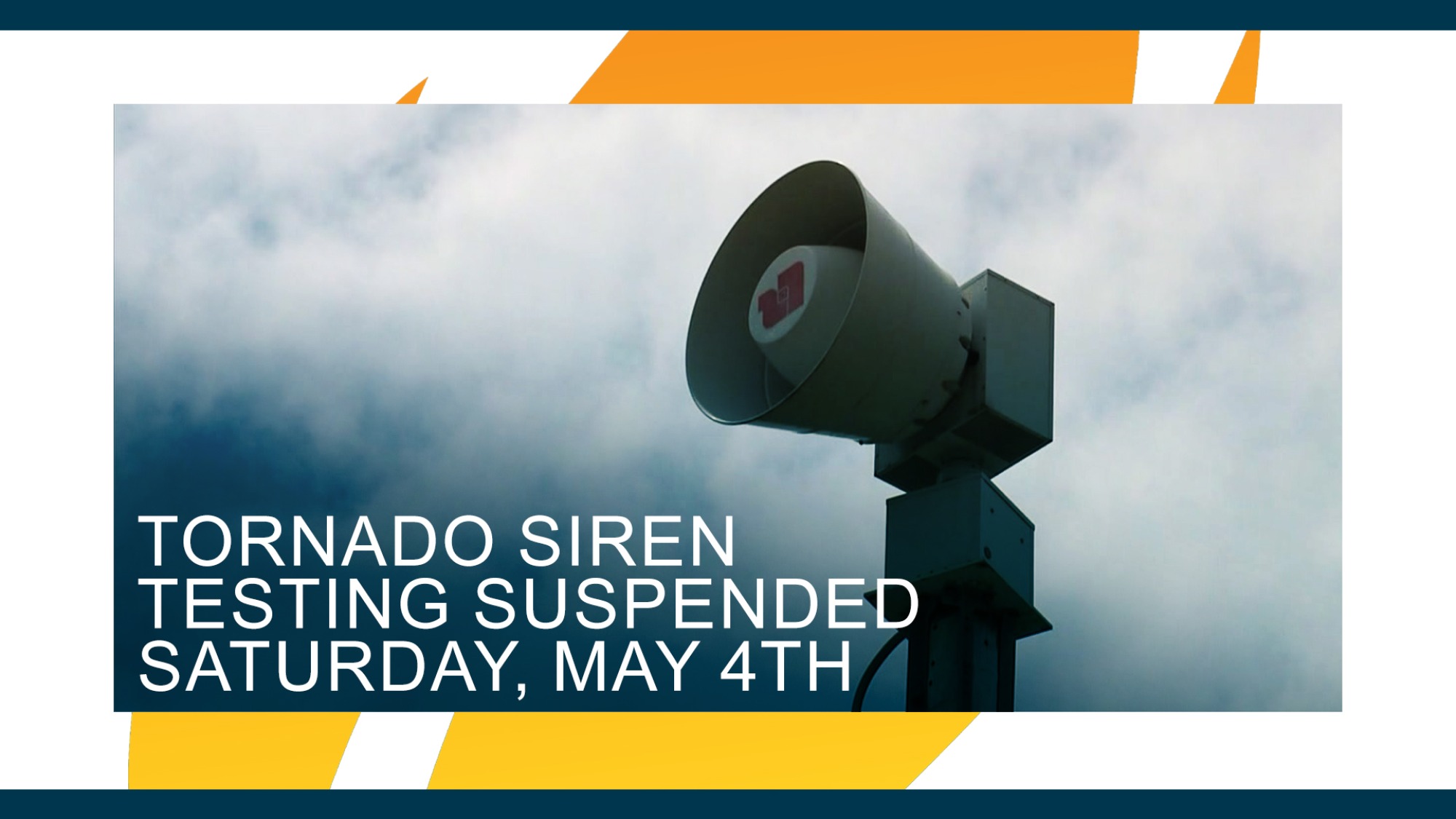
Sirens are deliberately not tested if real severe weather is occurring or forecasted in the area during the scheduled testing window. Emergency managers cancel routine tests whenever dark skies, overcast cloud decks, or active radar tracks could cause public confusion between a simulated test and an actual emergency activation.
Physical Maintenance Routines
County maintenance teams perform routine operational checks:
- Silent Diagnostics: Modern electronic sirens automatically report battery status, amplifier performance, and radio signal strength back to dispatch servers using automated polling routines.
- Visual Inspections: Technicians check utility pole stability, inspect receiver cabinets for insect or rodent nests, clear vegetation, and verify slip-ring integrity on rotating mechanical units.
- Battery Replacements: DC battery banks in electronic sirens are replaced every 3 to 5 years to ensure reliable operation during grid failures.
What to Do When You Hear a Tornado Siren in Indiana
If you hear a steady tornado siren tone outside of scheduled monthly testing windows, follow established emergency response steps immediately:
Hear Siren Outdoors
Seek Indoor Shelter
Lowest Floor / Interior Room
Tune to NOAA/Local Media
Seek Indoor Shelter Immediately: Move into a substantial, permanent building. Do not stay in open park spaces, vehicles, or temporary structures.
Go to the Lowest Level: Move to the basement or storm cellar. If no basement is available, move to an interior room on the lowest floor (such as a bathroom, closet, or hallway) away from exterior windows, doors, and exterior walls.
Protect Yourself: Cover your body with heavy blankets, mattresses, or protective helmets to shield against flying debris.
Gather Information from Indoor Media: Turn on a NOAA Weather Radio, local news channel, or smartphone app to confirm the exact location of the tornado and wait for the warning to expire.
Do Not Call 911 for Information: Do not call local 911 dispatch centers simply to ask why the sirens are sounding. This blocks emergency trunk lines needed for life-threatening calls.
Frequently Asked Questions
Why do Indiana tornado sirens turn off after three to five minutes while a warning is still active?
Siren batteries and mechanical motors are programmed to run tone cycles lasting 3 to 5 minutes to prevent motor overheating and save power reserves. The end of the siren tone does not mean the weather danger has passed. Always rely on a NOAA weather radio or local broadcast media to confirm when a tornado warning has expired.
Does Indiana have an "All-Clear" siren tone?
No. Indiana emergency management agencies do not sound an "all-clear" tone. Any siren activation represents an active warning. If you hear sirens sound a second time after an initial alert, it indicates a new or extended warning for your area.
Can severe winter weather trigger tornado sirens in Indiana?
Yes. While colloquially called "tornado sirens," county EMAs can use outdoor warning systems for other life-threatening emergencies, including severe thunderstorms with damaging straight-line winds exceeding 70-80 mph, extreme destructive hail, or hazardous material spills requiring outdoor evacuations.
Who pays for and maintains the tornado sirens in my town?
Siren infrastructure is funded through county taxes, municipal capital budgets, federal hazard mitigation grants, and local township funds. Maintenance responsibilities are overseen by county Emergency Management Directors, local fire departments, or contracted municipal electrical service providers.
Practical Actionable Guidance for Indiana Residents
To ensure complete family protection during severe weather seasons, take these proactive steps:
- Purchase a NOAA Weather Radio: Select a receiver with Public Alert certification and S.A.M.E. technology. Program your specific Indiana county code (for example, Marion County is 018097, Allen County is 018003).
- Enable WEA Alerts on Your Phone: Check your mobile phone settings under notifications to ensure "Government Alerts" and "Emergency Alerts" are toggled ON.
- Identify Your County's Test Schedule: Note your local county EMA's regular monthly siren testing time so you can recognize routine system checks.
- Prepare an Interior Safe Zone: Clear space in your basement or lowest interior room, stocking it with flashlight batteries, hard-soled shoes, water, and protective gear before severe weather seasons begin.
Image Gallery