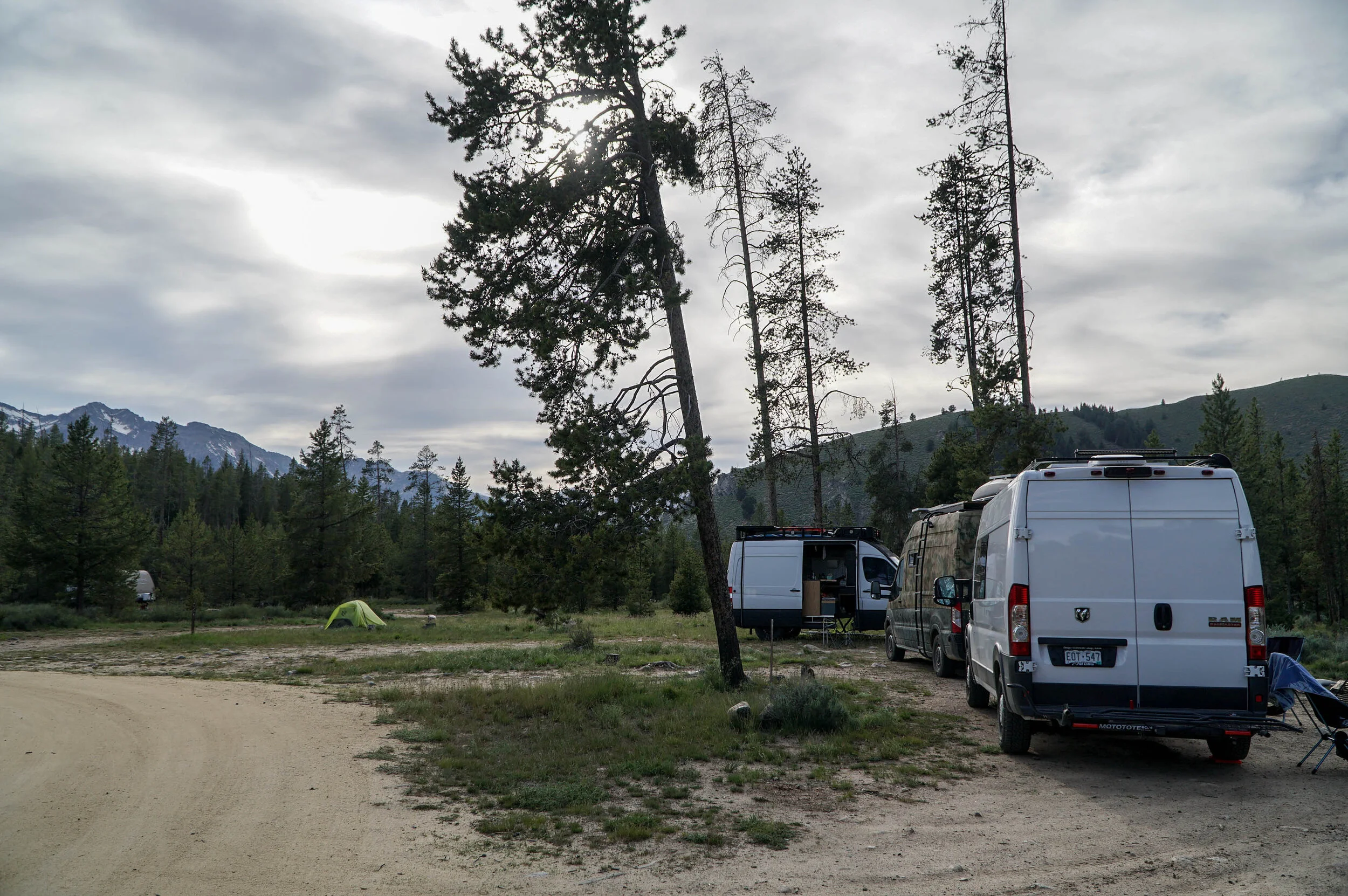
Comprehensive Guide to Idaho Free Camping: Best Locations and Regulations for 2026
Free camping in Idaho is primarily available through dispersed camping on public lands managed by the Bureau of Land Management (BLM) and the United States Forest Service (USFS). To camp for free, you must utilize undeveloped areas out...
Free camping in Idaho is primarily available through dispersed camping on public lands managed by the Bureau of Land Management (BLM) and the United States Forest Service (USFS). To camp for free, you must utilize undeveloped areas outside of established campgrounds, adhere to a 14-day stay limit, and follow Leave No Trace principles to protect the state’s diverse wilderness.
Contents
Idaho offers some of the most expansive and accessible public lands in the lower 48 states. With over 60% of the state’s land managed by federal and state agencies, the opportunities for "boondocking" (RV camping without hookups) and primitive tent camping are nearly limitless. However, as of 2026, increased usage of these lands has led to stricter enforcement of stay limits and waste management protocols. Understanding the nuances of land ownership and local regulations is essential for any traveler looking to experience the Gem State without paying nightly fees.
Understanding Idaho’s Public Land Agencies
To successfully find free camping, you must first distinguish between the various agencies that manage Idaho's terrain. Each has its own set of rules regarding access, vehicle use, and duration of stay.
United States Forest Service (USFS)
The USFS manages approximately 20 million acres in Idaho across multiple National Forests, including the Boise, Sawtooth, Salmon-Challis, and Idaho Panhandle National Forests. Dispersed camping is the standard term for free camping in these areas. Most National Forest land is open to camping unless specifically marked otherwise. In high-traffic areas, such as near Stanley or McCall, the Forest Service has transitioned to "designated dispersed" sites to prevent soil erosion and habitat destruction.
Bureau of Land Management (BLM)
BLM lands typically occupy the lower-elevation high desert and canyon lands of southern and central Idaho. These areas are ideal for early spring and late fall camping when the mountains are still snow-covered. While BLM land is generally more open and less forested than USFS land, it offers spectacular volcanic landscapes and river access. The "14-day rule" is strictly enforced on BLM land, requiring campers to move a specific distance (usually 25 miles) after two weeks.
Idaho Department of Lands (IDL)
State endowment lands are a significant part of the Idaho landscape. Unlike federal lands, IDL lands are managed to generate revenue for state beneficiaries like public schools. As of 2026, many IDL tracts require a recreation permit for overnight stays. While the cost is minimal compared to a private RV park, it is technically not "free" in the same sense as federal land. It is vital to check the Idaho Department of Lands website for current permit requirements before setting up camp on state-managed sections.
Essential Rules and Regulations for Free Camping
Free camping does not mean a lack of rules. To maintain the privilege of using public lands, campers must comply with federal and state mandates designed to preserve the environment and ensure fair access.
The 14-Day Stay Limit
The most common regulation across Idaho is the 14-day stay limit. In most jurisdictions, you may camp in a single location for up to 14 days within a 28-day period. Once the limit is reached, you must move your camp outside a certain radius—typically 25 to 30 miles. This prevents individuals from establishing permanent residences on public land. During peak hunting seasons or high-traffic summer months, local rangers may frequent popular spots to document license plates and ensure compliance.
Waste Management and Sanitation
As of 2026, the "Pack It In, Pack It Out" rule has become more critical than ever. Many free camping areas in Idaho do not provide trash collection or toilet facilities. If you are camping in a self-contained RV, you must dump your tanks only at authorized stations. For tent campers, the use of a "cat hole" (buried 6-8 inches deep and 200 feet from water) is required if no vault toilets are nearby. In some high-elevation alpine zones or sensitive river corridors, the USFS may require the use of portable toilet systems (WAG bags) to prevent groundwater contamination.
Fire Safety and Seasonal Restrictions
Idaho is prone to devastating wildfires. Free campers must check the current Fire Danger Level before lighting a campfire. In many summers, Stage 1 or Stage 2 fire restrictions are implemented, which may ban all open flames outside of established metal fire rings in developed campgrounds. Even when fires are allowed, you should use existing rock rings and ensure the fire is "dead out" (cold to the touch) before leaving.
Top Regions for Free Camping in Idaho
Idaho’s geography varies from the arid Owyhee Desert to the jagged peaks of the Bitterroot Range. Depending on the season and your vehicle type, different regions will be more suitable.
| Region | Primary Land Type | Best Season | Key Features |
|---|---|---|---|
| North Idaho (Panhandle) | USFS (Idaho Panhandle NF) | June – Sept | Dense forests, lake access, high humidity. |
| Central Mountains | USFS (Sawtooth, Boise NF) | July – Oct | Alpine lakes, hot springs, high elevation. |
| South/Owyhee | BLM | April – June, Sept – Oct | Canyons, sagebrush, volcanic formations. |
| East Idaho | USFS (Caribou-Targhee NF) | June – Sept | Proximity to Yellowstone/Tetons, river basins. |
The Sawtooth National Forest and Stanley Basin
The area around Stanley is perhaps the most famous camping destination in Idaho. Because of its popularity, the USFS has restricted dispersed camping to "designated" sites in many corridors along Highway 75 and Forest Service Road 209. These sites are free but limited. They offer breathtaking views of the Sawtooth Range and easy access to the Salmon River. If these are full, exploring the higher-elevation forest roads toward Pettit Lake or Alturas Lake can yield more secluded opportunities.
The Salmon-Challis National Forest
For those seeking true solitude, the Salmon-Challis provides millions of acres of rugged terrain. The area near the Main Salmon River and the Middle Fork offers numerous pull-outs for free camping. This region is famous for its natural hot springs. Be aware that many roads in this forest are steep and narrow; high-clearance vehicles are strongly recommended for anything beyond the primary access roads.
The Owyhee Canyonlands
Located in the southwestern corner of the state, the Owyhees are managed largely by the BLM. This is a high-desert environment characterized by deep rhyolite canyons and vast plateaus. Free camping here is abundant, but water is scarce. Campers must be entirely self-sufficient. The Leslie Gulch and Succor Creek areas (near the Oregon border) provide dramatic scenery that feels more like Utah than typical Idaho evergreen forests.
How to Find and Verify Free Campsites
Finding the perfect spot requires a combination of digital tools and physical navigation skills. Since cell service is non-existent in much of Idaho’s backcountry, preparation must happen before you leave the pavement.
- Motor Vehicle Use Maps (MVUMs): This is the "legal bible" for free camping. The US Forest Service issues these maps annually. They show exactly which forest roads allow "dispersed camping" and how far back from the road you can legally park.
- Digital Mapping Apps: Tools like OnX Offroad, Gaia GPS, and specialized camping apps provide overlays showing land ownership boundaries. This is crucial for ensuring you aren't accidentally trespassing on private ranch land or timber company property.
- Physical Verification: Always have a backup plan. A road that looks accessible on a satellite map may be washed out by spring runoff or blocked by a fallen tree. Never commit to a remote forest road late at night without knowing there is a turnaround spot for your vehicle.
Common Mistakes and Troubleshooting
Newcomers to Idaho's backcountry often face challenges that can be avoided with proper planning.
- Underestimating Road Conditions: Idaho's "backcountry" roads can change rapidly. What was a graded gravel road in 2025 may be a rutted mess in 2026 following a heavy winter. Always carry a full-sized spare tire, a shovel, and a recovery strap.
- Wildlife Encounters: Idaho is bear country. In the northern and eastern parts of the state, this includes Grizzly Bears. Free campers must store food in bear-resistant containers or locked vehicles. Leaving a cooler on a picnic table or in a tent is an invitation for trouble and can result in fines from Idaho Fish and Game.
- Campsite "Squatting": It is tempting to leave a trailer or tent to "save" a spot for the weekend. On public land, this is illegal. Equipment left unattended for more than 24-72 hours (depending on local forest orders) can be considered abandoned property and impounded.
Frequently Asked Questions
Is it legal to camp for free at Idaho rest areas?
Generally, no. Idaho law allows for "short-term safety breaks" at rest areas, but overnight camping is prohibited. Most rest areas have signs restricting stays to 10 hours or less to prevent long-term occupancy. For true overnight camping, move to nearby BLM or USFS land.
Do I need a permit for dispersed camping in Idaho National Forests?
For most USFS land in 2026, no permit is required for dispersed camping. However, you should always check for "Special Area" designations. Certain high-use wilderness areas or protected river corridors may require a free or low-cost self-issued permit at the trailhead for monitoring usage statistics.
Can I camp for free near Boise?
Yes, but you will need to drive about 45-60 minutes out of the city. The Boise National Forest to the north (near Idaho City) and BLM lands to the south (near Kuna and the Snake River Canyon) offer numerous free dispersed sites. Be mindful of seasonal closures in the Boise Front due to winter range protections for elk and deer.
How do I find water while free camping?
You should never assume backcountry water is potable. While Idaho has many pristine-looking streams, they can carry Giardia or Cryptosporidium. Always carry at least one gallon of water per person per day or use a high-quality filtration system. In the southern BLM deserts, natural water sources may dry up completely by mid-July.
What is the difference between "Dispersed Camping" and "Boondocking"?
The terms are often used interchangeably. "Dispersed camping" is the official government term for camping on public land outside of a developed campground. "Boondocking" is a slang term used primarily by the RV community to describe dispersed camping in a motorhome or trailer without hookups (power, water, or sewer).
Final Recommendation for 2026 Campers
Before heading out into the Idaho wilderness, your first step should be to download the Motor Vehicle Use Maps (MVUM) for your target National Forest and check the Idaho Fire Info website for active restrictions. By prioritizing land stewardship and adhering to the 14-day limit, you help ensure that Idaho's vast public lands remain open and free for future generations of adventurers.
Image Gallery