How to Find Your External IP Address
To find your external IP address in 2026, the most efficient method is to enter the query "what is my IP" into a search engine like Google or Bing. For more detailed technical data, visit a dedicated lookup site such as WhatIsMyIP.com...
To find your external IP address in 2026, the most efficient method is to enter the query "what is my IP" into a search engine like Google or Bing. For more detailed technical data, visit a dedicated lookup site such as WhatIsMyIP.com or use the command line by typing curl ifconfig.me in your terminal or PowerShell.
Contents
Understanding the Role of the External IP Address
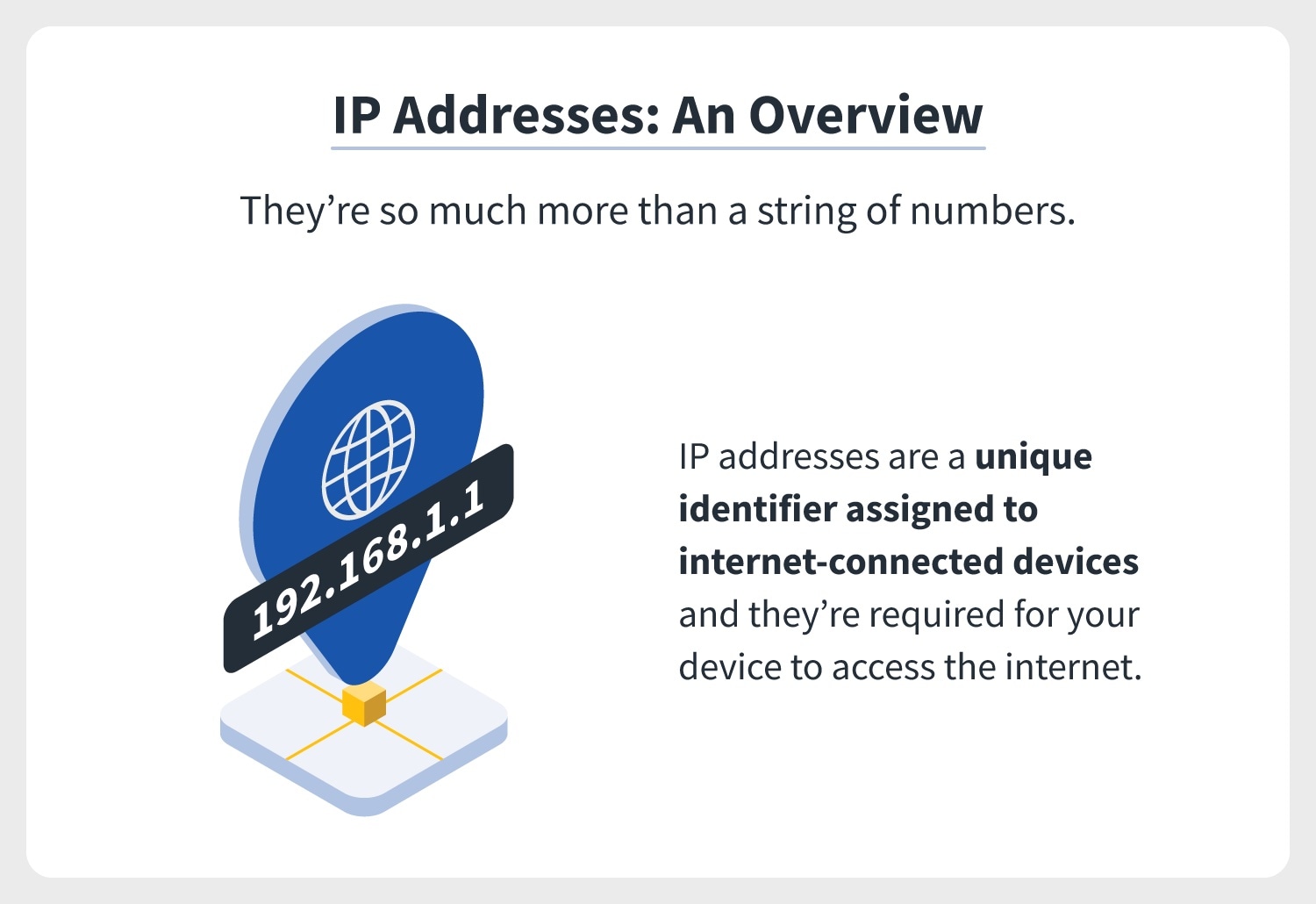
An external IP address, frequently referred to as a public IP address, is the unique numerical identifier assigned to your network by your Internet Service Provider (ISP). While your internal (local) IP address identifies your computer or smartphone within your home or office network, your external IP address is how the rest of the global internet recognizes your connection.
In the networking landscape of 2026, the distinction between internal and external addresses remains critical due to the continued use of Network Address Translation (NAT). NAT allows a single external IP address to represent dozens of devices on a local network. When you send a request to a website, your router replaces your device's private IP with the external IP, tracks the request, and then directs the incoming data back to the correct local device. This process conserves the limited pool of IPv4 addresses and provides a foundational layer of security by hiding individual device identities from the public web.
Knowing your external IP is essential for several advanced networking tasks. These include setting up a home server, configuring remote desktop access, managing gaming server hosts, or verifying that a Virtual Private Network (VPN) is successfully masking your identity.
Method 1: Using Search Engines and Web-Based Tools
The fastest way to identify your public identifier is through a search engine. As of 2026, major search providers have integrated IP detection directly into their results pages.
- Search Engine Queries: Open your preferred browser and type "what is my ip" or "my ip address." The search engine will typically display your IPv4 or IPv6 address at the very top of the results page in a dedicated snippet.
- Dedicated IP Lookup Websites: Sites like WhatIsMyIP.com or IPChicken offer more than just the numerical address. They provide contextual metadata, such as your ISP’s name, your general geographic location (city and region), and sometimes your connection type (fiber, cable, or cellular).
- Security and Privacy Sites: Services like the Cloudflare Learning Center or VPN provider sites often include an "IP Checker" tool. These are particularly useful if you are trying to confirm whether your VPN is leaking your true location; if the IP shown matches your actual ISP, your VPN is not active.
Web-based tools are generally the most user-friendly option for non-technical users, as they require no configuration and work across all operating systems, including mobile platforms like iOS and Android.
Method 2: Finding Your IP via the Command Line
For developers, system administrators, or power users, using the command line is often more convenient than opening a browser. This method is also highly useful for automation scripts.
For Windows Users (Command Prompt or PowerShell)
Windows 10, 11, and subsequent versions in 2026 support the curl command natively.
- Press
Win + R, typecmdorpowershell, and hit Enter. - Type the following command:
curl icanhazip.com - Press Enter. The console will return a single line containing your external IP address.
For macOS and Linux Users
The process is nearly identical on Unix-based systems. Open your terminal and use one of the following commands:
curl ifconfig.mecurl ipecho.net/plainwget -qO- https://ipecho.net/plain
These commands function by sending a simple HTTP request to a remote server that is programmed to echo the sender's IP address back to them. Because the request originates from your network and hits a server outside your local router, the server sees and reports your external IP, not your local one.
Method 3: Accessing the Router Admin Interface
If you need to verify your IP address directly from the hardware source, you can log into your router's web-based management console. This method is the most accurate way to see what your ISP has officially assigned to your gateway.
- Find your Gateway Address: On most networks, this is
192.168.1.1,192.168.0.1, or10.0.0.1. - Log In: Enter your administrative username and password. If you haven't changed these, they are often found on a sticker on the physical router.
- Locate Status or WAN Settings: Look for a section labeled "Status," "WAN," "Internet," or "Gateway."
- Identify the IP: Your external IP will be listed under the WAN IP Address or Internet IP field.
Note on CGNAT: In 2026, many cellular and budget fiber providers use Carrier-Grade NAT (CGNAT). If you notice that your router's WAN IP starts with 100.64.x.x to 100.127.x.x, but a website shows a different IP, you are behind CGNAT. In this scenario, you do not have a unique public IP, which can complicate port forwarding and hosting services.
Technical Comparison of IP Discovery Methods
The following table compares the different ways to retrieve your external IP address based on the type of information required and the effort involved.
| Method | Speed | Difficulty | Technical Detail Provided | Recommended Use Case |
|---|---|---|---|---|
| Search Engine | Instant | Very Low | Address only (IPv4/IPv6) | Quick reference for general users. |
| Specialized Website | Fast | Low | IP, ISP, Location, Proxy status | Troubleshooting and security auditing. |
| Command Line (CLI) | Instant | Medium | Raw IP address (Plain text) | Scripting, coding, and remote management. |
| Router Interface | Slow | High | WAN IP, Gateway, DNS, Uptime | Verifying ISP assignments and NAT issues. |
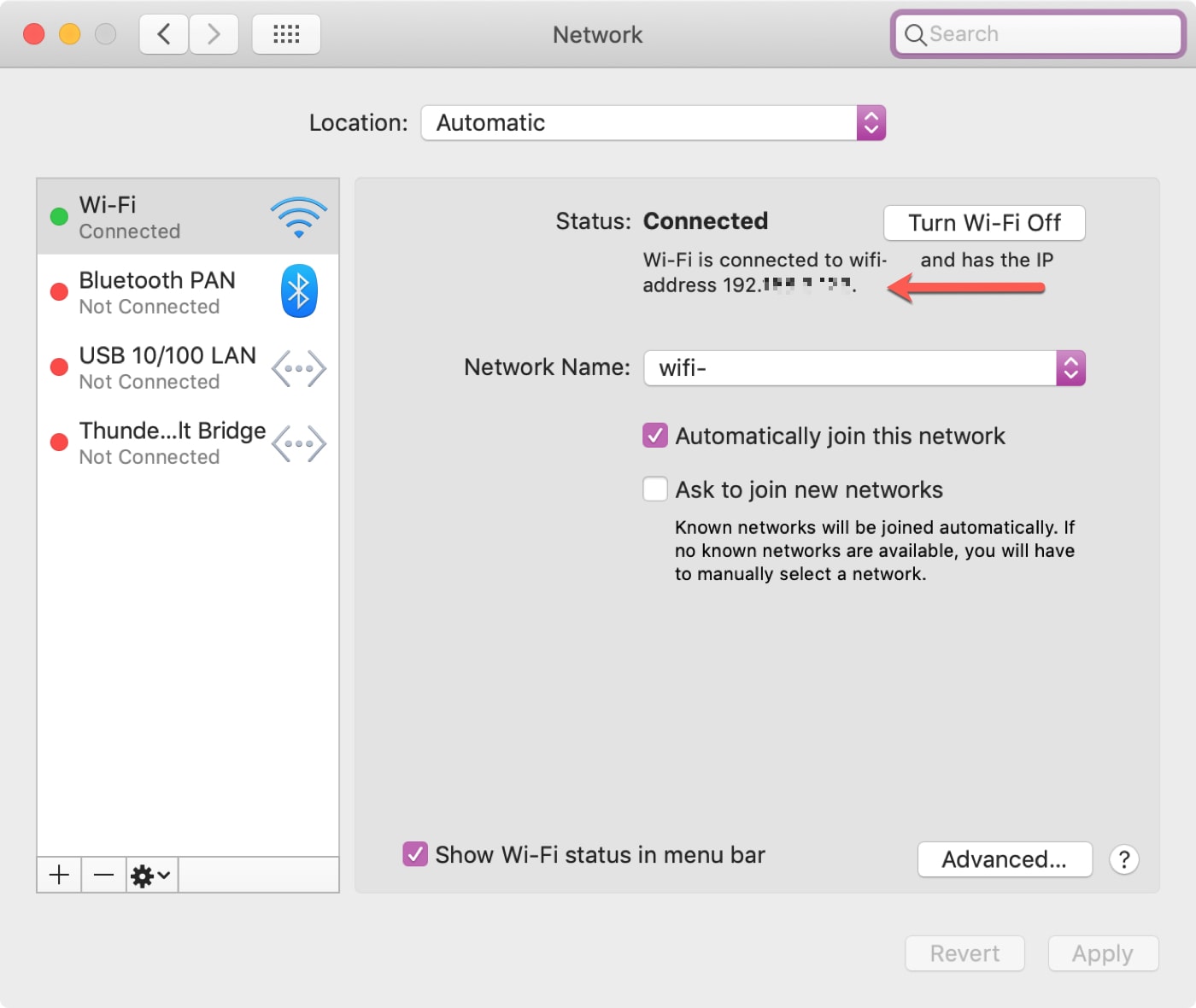
| OS Network Settings | Medium | Medium | Usually Local IP only | Internal network troubleshooting. |
IPv4 vs. IPv6 in 2026
By 2026, the transition to IPv6 (Internet Protocol version 6) has reached significant maturity. While IPv4 addresses are 32-bit (e.g., 192.0.2.1), IPv6 addresses are 128-bit hexadecimal strings (e.g., 2001:0db8:85a3:0000:0000:8a2e:0370:7334).
Most modern ISPs now provide "Dual Stack" connectivity, meaning your router is assigned both an IPv4 and an IPv6 address. When you search for your IP, you might see the long IPv6 string instead of the shorter IPv4 format. This is normal and indicates that your network is utilizing the more modern, expansive protocol. IPv6 eliminates the need for NAT in many cases, as there are enough addresses for every device on earth to have its own unique public identifier, though many routers still use firewalls to maintain privacy.
Why Your External IP Might Change
Unless you specifically pay for a Static IP address, your ISP likely assigns you a Dynamic IP. This means your external address can change whenever your router reboots or when the ISP’s DHCP (Dynamic Host Configuration Protocol) lease expires.
Dynamic addresses are standard for residential connections because they allow ISPs to manage their pool of addresses more efficiently. If you are hosting a service that requires a consistent address, such as a home security camera system, you may need to use a Dynamic DNS (DDNS) service. DDNS assigns a domain name (like yourname.ddns.net) to your router and automatically updates the IP whenever it changes, ensuring you can always find your network.
Security and Privacy Considerations
Your external IP address is a piece of sensitive information. While it does not reveal your exact physical street address or your name, it can be used to:
- Identify your city, zip code, and ISP.
- Target your network for DDoS (Distributed Denial of Service) attacks.
- Track your browsing habits across different websites that share tracking data.
To protect your privacy, many users in 2026 utilize VPNs or the Tor network. When these tools are active, your "external IP" as seen by the world is replaced by the IP of the VPN server. This masks your true origin and makes it much harder for third parties to build a profile of your digital activity.
Frequently Asked Questions
1. Can someone find my home address from my external IP? No, not directly. An IP address typically only reveals the location of the ISP's exchange or data center, which might be miles away from your actual home. Only law enforcement, with a valid subpoena or warrant, can compel an ISP to link an IP address to a specific customer's billing address and physical location.
2. Why do I see a different IP on my phone than on my computer? If your phone is connected to a cellular data network (5G/6G), it uses the mobile carrier's external IP. If your computer is on your home Wi-Fi, it uses your home ISP's external IP. If both are on the same Wi-Fi network and you still see different addresses, one device might be connected to a VPN, or they may be showing the IPv4 address on one and the IPv6 address on the other.
3. Does my external IP change when I clear my browser cache? No. Your external IP is assigned to your hardware (the router) by your ISP. Clearing your browser cache or history only removes local data from your device; it has no impact on your network's internet-facing configuration or the IP assigned by your provider.
4. What is the difference between a Public IP and an External IP? In common networking parlance, these terms are interchangeable. Both refer to the IP address that is routable on the public internet, as opposed to a private or internal IP address used within a Local Area Network (LAN).
5. Is it safe to share my external IP address? You should generally avoid sharing your IP address publicly. While it isn't as dangerous as sharing a password, it can make you a target for "probes" (automated scripts looking for open ports) or specific network-based attacks. Only share your IP with trusted entities, such as for troubleshooting with a professional IT support team.
Final Recommendation
For most users, the simplest and most reliable way to find an external IP address is to use a reputable web-based lookup tool. If you are troubleshooting connectivity or setting up advanced features like port forwarding, always cross-reference the result from a web tool with the WAN IP listed in your router’s administrative settings. This ensures you are not behind a Carrier-Grade NAT, which could prevent external traffic from reaching your network.
Image Gallery