Burger King Stops the Dutch Apple Pie in the US: A Retrospective Analysis
The removal of the Dutch Apple Pie from Burger King’s United States menu marked a significant shift in the fast-food chain’s dessert strategy. As the company moved toward leaner operations and prioritized high-turnover menu items, the...
The removal of the Dutch Apple Pie from Burger King’s United States menu marked a significant shift in the fast-food chain’s dessert strategy. As the company moved toward leaner operations and prioritized high-turnover menu items, the classic pastry was phased out of most domestic locations to make room for rotating seasonal offerings and simplified supply chains.
Contents
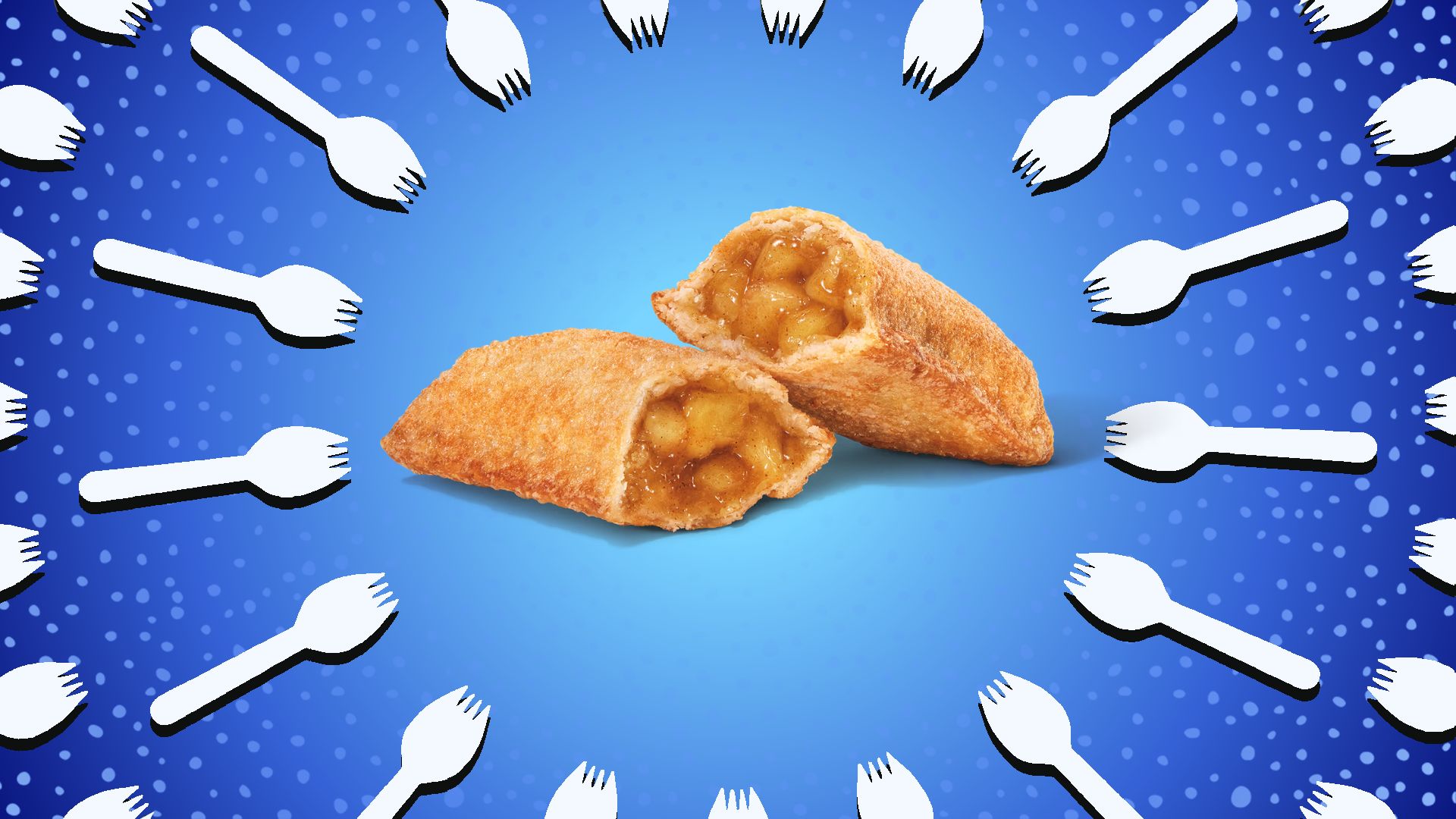
The Dutch Apple Pie, once a staple of the Burger King dessert menu alongside the iconic soft-serve ice cream and the Hershey’s Sundae Pie, occupied a distinct space in the American fast-food landscape. Characterized by its fried, flaky crust and spiced apple filling, it served as a companion to the brand's flame-grilled burgers for decades. However, as the fast-food industry underwent a period of rapid evolution—characterized by digital transformation, labor optimization, and a push for menu simplification—the pie became a casualty of logistical restructuring.
The Evolution of the Burger King Menu
To understand why the Dutch Apple Pie was removed, it is necessary to examine the broader context of fast-food operations in the 2020s. Burger King, like its primary competitors, has focused on streamlining its menu to reduce operational friction. In a high-volume environment, every menu item requires specific inventory space, specialized storage (such as dedicated warming cabinets or fryers), and additional training for staff.
When management evaluates a menu item’s viability, they typically look at a "contribution-to-complexity" ratio. A product that requires frequent restocking or produces significant waste—common issues with hot, baked, or fried pastries—often falls under scrutiny. By removing the Dutch Apple Pie, the brand was able to reclaim valuable real estate in their kitchens and redirect labor hours toward more popular or profitable core items, such as the Impossible Whopper or upgraded chicken sandwich lines.
Strategic Shifts and Consumer Demand
The decision to discontinue the pie was not necessarily a reaction to poor taste preferences among customers, but rather a reflection of the "value-added" shift. By 2026, the fast-food sector has leaned heavily into customization and digital-exclusive items. The space previously held by the Dutch Apple Pie has, in many markets, been repurposed for "Limited Time Offers" (LTOs) and collaboration-based desserts.
LTOs serve two purposes: they generate marketing buzz and allow the company to test new flavors without committing to long-term supply chain agreements. Replacing a permanent, static item like the Dutch Apple Pie with a rotating menu allows Burger King to maintain a level of "menu dynamism," which keeps the brand relevant in an increasingly crowded quick-service restaurant (QSR) environment.
Comparative Dessert Landscape
The disappearance of the Dutch Apple Pie can be better understood by comparing it to the current dessert offerings found at Burger King and its competitors. While some chains continue to prioritize pies, the industry trend is moving toward cold, pre-packaged, or easily assembled items that require minimal equipment.
| Dessert Item | Preparation Method | Storage/Shelf Life | Current Status |
|---|---|---|---|
| Soft Serve/Sundae | Dispenser | Immediate | Permanent |
| Hershey’s Sundae Pie | Thaw and Serve | Refrigerated | Permanent |
| Dutch Apple Pie | Deep Fried/Baked | Hot Holding | Discontinued |
| Seasonal LTO Desserts | Varies | Varies | Periodic |
As seen in the table above, the Dutch Apple Pie required specific holding temperatures to maintain quality, which created operational challenges compared to the current lineup of cold-held items like the Hershey's-branded desserts. The reliance on cold-storage items minimizes the risk of product degradation—a common issue with fried pies left under heating lamps for too long.
Operational Challenges and Consistency
One of the primary hurdles for a nationwide chain like Burger King is consistency. Ensuring that a Dutch Apple Pie tastes the same in a rural location as it does in a major metropolitan hub requires rigorous supply chain management and standardized frying protocols. When a product is deep-fried, the quality is highly dependent on oil temperature, fry duration, and the freshness of the product upon arrival.
If franchise operators found that the labor cost required to maintain these standards outweighed the profit margins of the pie, they would naturally push for its removal. Throughout the years leading up to its discontinuation, there were anecdotal reports from consumers regarding the inconsistent texture of the pie crust—sometimes being overly greasy or under-fried. For a massive organization, managing these quality control variables across thousands of franchised units is a significant expense.
The Role of Franchising in Menu Changes
It is important to note that Burger King’s menu is not dictated entirely by corporate headquarters in Miami. The majority of Burger King locations are owned and operated by independent franchisees. These franchisees form associations that have significant input into which products are mandated for the national menu.
If a majority of the franchisee base signals that a particular item is a "drag" on efficiency—meaning it slows down the drive-thru or creates waste—the brand is likely to move toward discontinuing it. The removal of the Dutch Apple Pie was likely a collaborative decision between corporate strategy and the franchisee network, prioritizing speed of service (SOS) over the sentimental value of a legacy dessert.
Legacy and Sentimentality
Despite its removal, the Dutch Apple Pie holds a nostalgic place for many patrons. The association of "fried pie" with fast-food culture is deeply embedded in the American dining experience. However, the modern consumer is increasingly prioritizing transparency in ingredients and faster, more reliable service.
When a brand discontinues a legacy product, it often triggers a "menu void" that competitors may fill. In the current market, various local competitors or regional chains have capitalized on this gap, though no national chain has successfully replicated the specific combination of flavor and price point that the Burger King version provided at its height.
Frequently Asked Questions
Why did Burger King remove the Dutch Apple Pie? The removal was primarily driven by the need for operational simplicity and the optimization of kitchen workflows. By eliminating items that require specific warming and frying protocols, the chain can increase the speed of service and focus on higher-margin or more popular items.
Is the Dutch Apple Pie coming back in 2026? There have been no official announcements regarding the return of the Dutch Apple Pie to the national menu. The brand currently focuses on different dessert categories, such as shakes and pre-packaged pies, which offer better shelf stability and operational efficiency.
Are there any regional exceptions for the Dutch Apple Pie? While the item was removed from the standard national menu, Burger King operates under a franchise model. Occasionally, local or regional franchises may offer legacy items or unique desserts, but these are not sanctioned as part of the primary national brand offering.
What are the best alternatives to the Dutch Apple Pie? The current dessert menu features the Hershey’s Sundae Pie and a variety of soft-serve products. For customers specifically seeking apple-flavored desserts, many QSRs now shift toward seasonal offerings during the autumn months.
Did the removal of the pie affect the rest of the dessert menu? The removal allowed the brand to consolidate its dessert offerings, leading to a more consistent experience across the board. By reducing the number of menu items, staff can maintain higher quality standards for the remaining products, such as sundaes and shakes.
Next Steps and Recommendations for Fans
For those who miss the specific flavor profile of the Burger King Dutch Apple Pie, the most practical solution is to source high-quality, shelf-stable fried apple pies from specialty retailers or to explore home-preparation methods. Many frozen food aisles now carry high-quality, pre-made apple turnovers or fried pies that can be prepared in an air fryer, providing a similar textural experience without the reliance on fast-food availability.
If you are a regular Burger King patron, the best way to influence future menu decisions is through the company's official feedback channels or by participating in customer satisfaction surveys provided on your receipts. While individual requests rarely bring back discontinued items, aggregate data from thousands of customers is a primary metric that corporate leadership uses when planning future product launches and seasonal menu testing.
Image Gallery