The Evolution of Lin-Manuel Miranda’s Songwriting and Its Lasting Cultural Impact
Lin-Manuel Miranda’s songs matter because they bridge the gap between traditional musical theater and contemporary urban music, while centering the immigrant experience and historical reimagining. Through works like Hamilton and Encant...
Lin-Manuel Miranda’s songs matter because they bridge the gap between traditional musical theater and contemporary urban music, while centering the immigrant experience and historical reimagining. Through works like Hamilton and Encanto, he uses complex rhythmic structures and dense wordplay to redefine storytelling for modern, diverse audiences, making high art accessible.
Contents
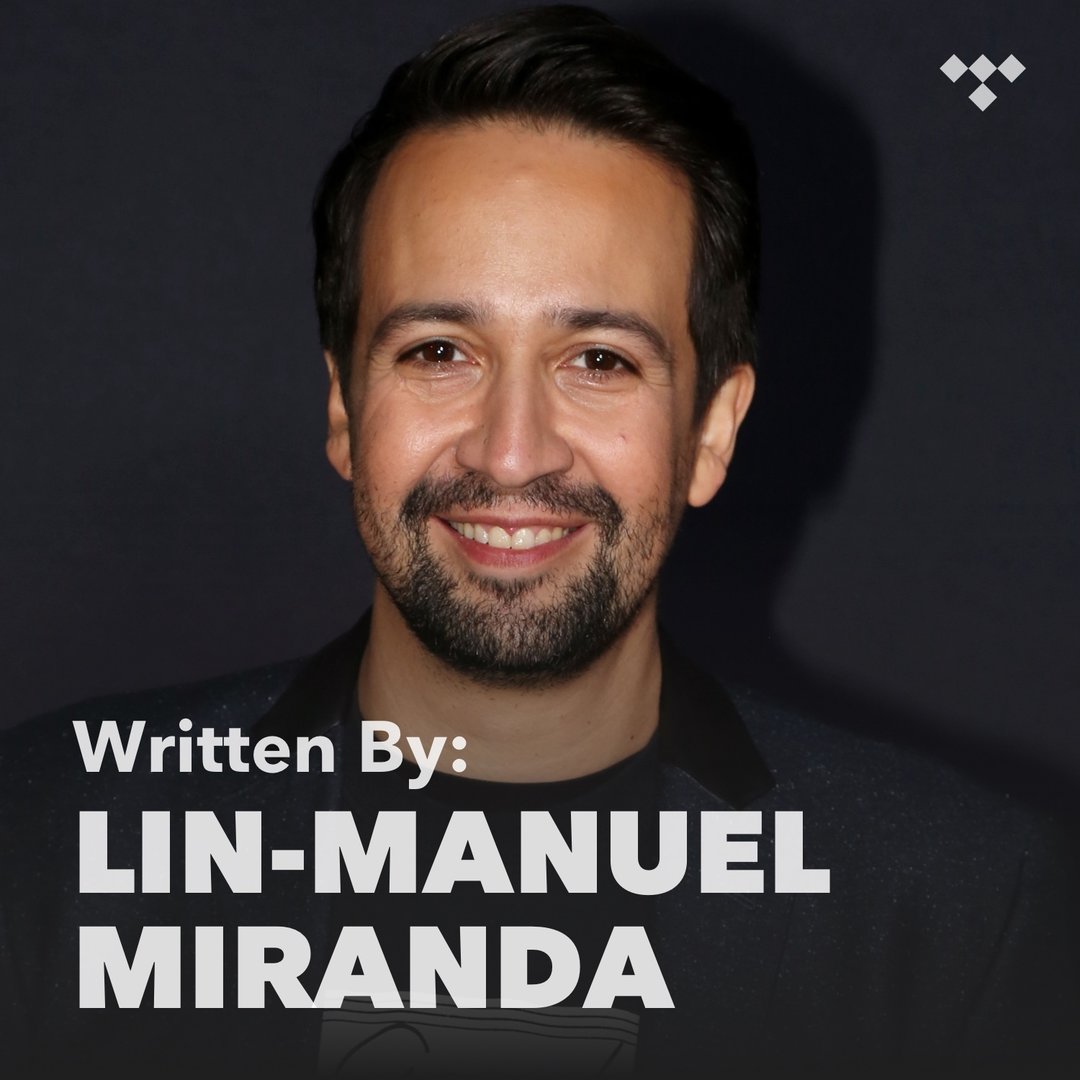
Since his debut on the world stage, Lin-Manuel Miranda has transformed from a Broadway wunderkind into a global cultural architect. Writing at the intersection of hip-hop, salsa, and classic show tunes, Miranda has managed to do what few songwriters achieve: he has made the specific feel universal. Whether he is chronicling the daily struggles of a bodega owner in Washington Heights or the political machinations of a Founding Father, his work serves as a masterclass in narrative efficiency and emotional resonance. As we look at his body of work from the vantage point of 2026, the structural and social importance of his compositions only continues to grow.
The Foundations: In the Heights and the Latinx Narrative
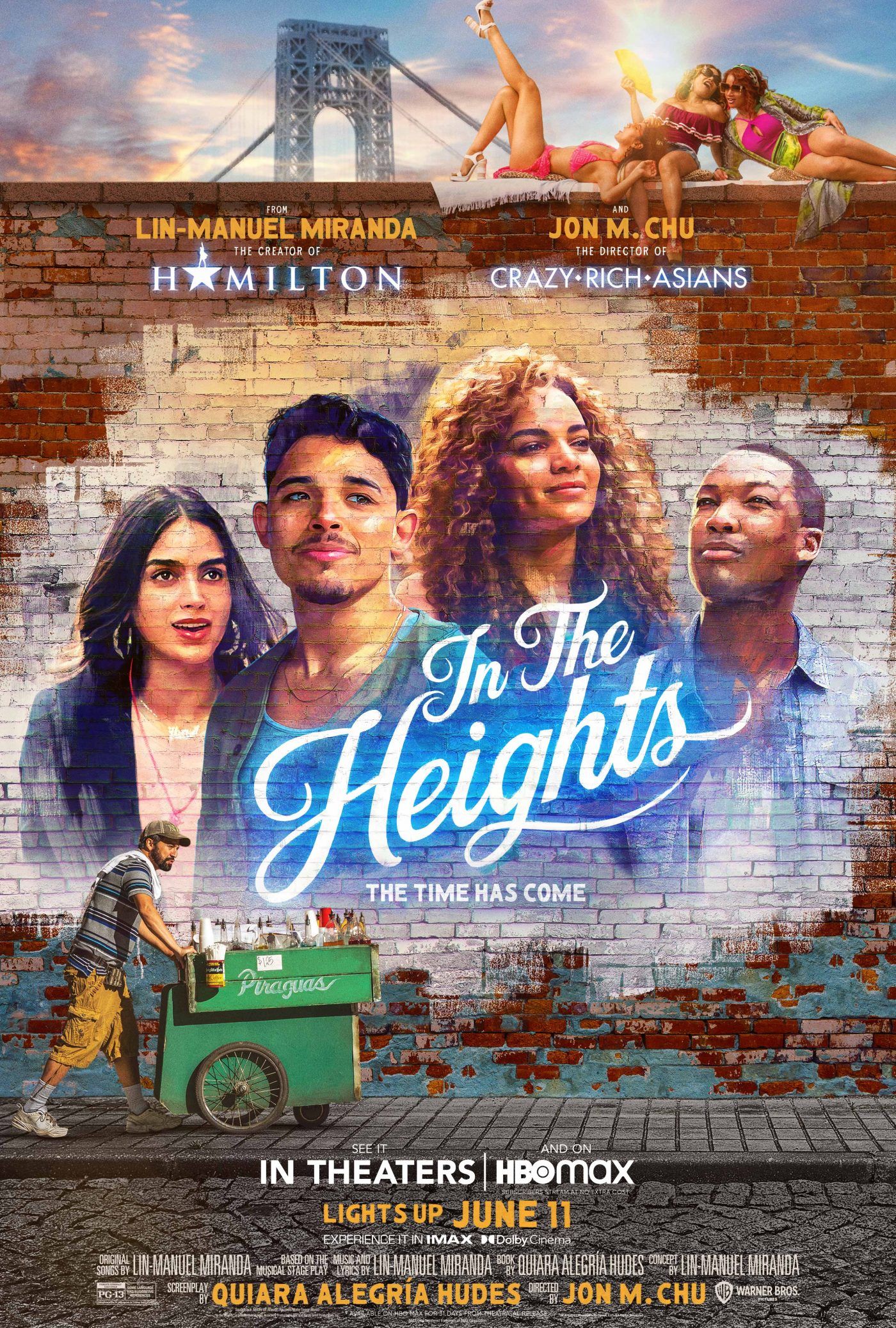
Before the global phenomenon of Hamilton, Miranda established his voice with In the Heights. This work was significant because it introduced a specific linguistic and musical palette to the Broadway stage that had previously been relegated to the margins.
"Breathe" and the Pressure of Representation
"Breathe" remains one of the most poignant "I Want" songs in the modern canon. It matters because it articulates a very specific type of anxiety—the pressure of being the "one who made it out" of the neighborhood. The song follows Nina Rosario as she returns home after dropping out of Stanford. Technically, the song uses a gentle, pulsing rhythm that mimics a racing heartbeat, while the lyrics weave Spanish and English seamlessly. It matters because it gave voice to the first-generation college student experience, a demographic rarely centered in musical theater.
"96,000" and the Community Collective
If "Breathe" is the internal struggle, "96,000" is the external heartbeat of the community. This song is a masterclass in polyphonic songwriting. Miranda layers the aspirations of multiple characters—Usnavi, Benny, Vanessa, and the ensemble—over a high-energy hip-hop beat. It matters because it treats the financial struggles of a working-class neighborhood with the same epic scale that Rodgers and Hammerstein might have given to a grand romance. It proved that hip-hop could be used to build a complex, multi-character narrative without losing the drive of the plot.
The Hamilton Revolution: Changing the Sonic Language of History
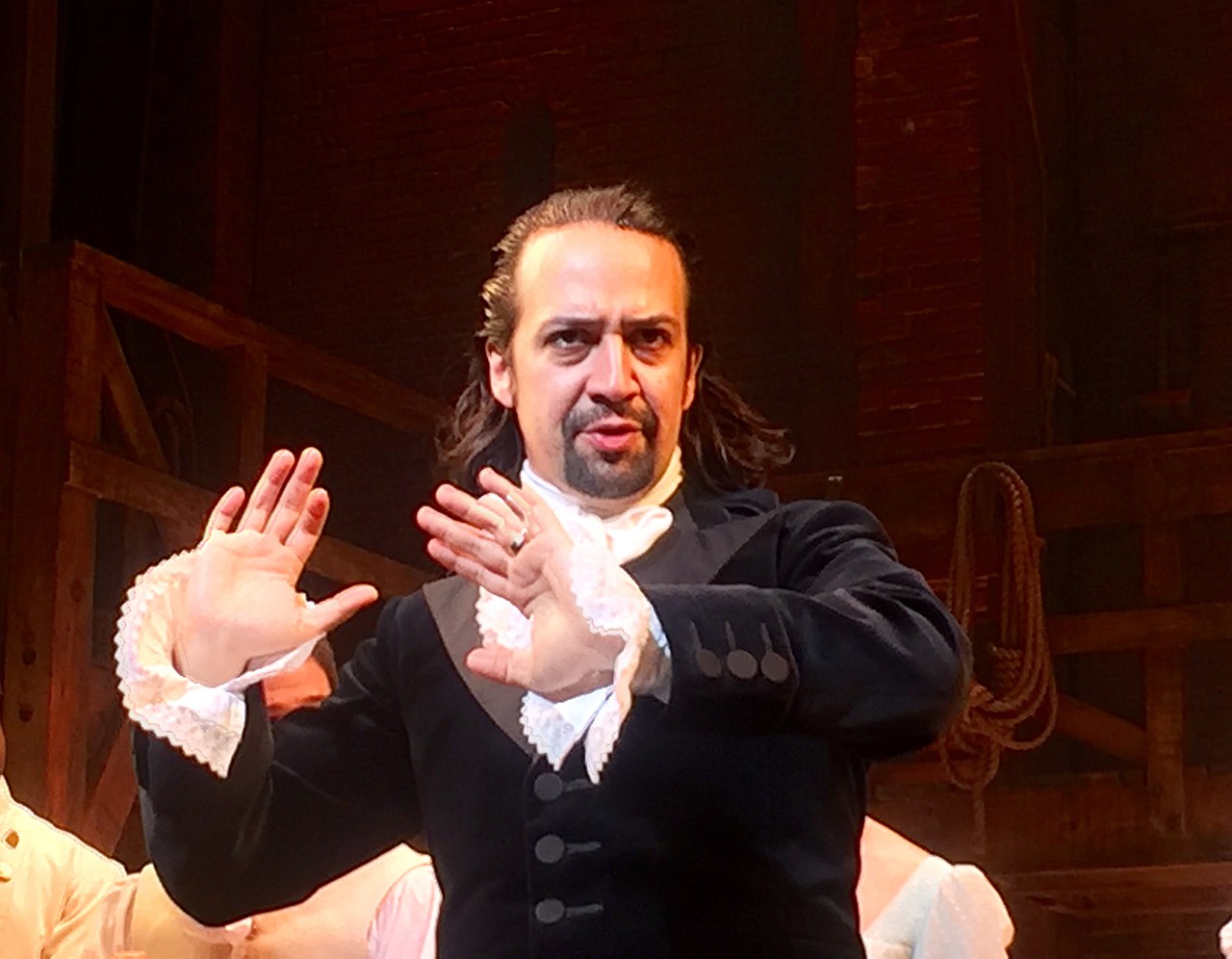
When Hamilton premiered, it did more than just tell the story of Alexander Hamilton; it changed the "words per minute" expectations of musical theater. According to data tracked by FiveThirtyEight, Hamilton contains approximately 144 words per minute. For comparison, a traditional musical like 1776 would take hours longer to convey the same amount of information.
"My Shot" as a Thesis Statement
"My Shot" is perhaps the most analyzed song in modern theater. It matters because it functions as both a character introduction and a manifesto for a new generation. Miranda spent a year writing this single song, ensuring every internal rhyme served a purpose. The use of "A-L-E-X-A-N-D-E-R" as a rhythmic hook anchors the character’s ambition. It matters because it reclaimed the narrative of the American Revolution for people of color, using the language of hip-hop—a genre born of resistance—to tell a story of nation-building.
"Wait for It" and the Power of Contrast
While "My Shot" is about action, "Wait for It" is about restraint. This song, sung by Aaron Burr, is crucial because it humanizes the "villain" of the story. By moving away from rap and into a melodic, pop-soul ballad, Miranda highlights the fundamental difference between Hamilton and Burr. The song’s importance lies in its philosophical depth; it explores the idea that some people are defined by what they pursue, while others are defined by what they protect.
"Satisfied" and Technical Innovation
"Satisfied" is often cited by composers as a technical marvel. It utilizes a "rewind" mechanic where the music and staging literally move backward to show a scene from a different perspective. Angelica Schuyler’s rap delivery in this track is one of the fastest in Broadway history, yet it remains perfectly clear. It matters because it utilizes the conventions of the genre to reveal deep psychological subtext that a standard dialogue scene could not capture.
The Disney Era: Bringing Complexity to Animation
Miranda’s transition to film, specifically through his partnership with Disney, allowed his songwriting to reach an even broader demographic. He moved away from the "Broadway" sound and leaned into regional musical traditions, specifically in Moana and Encanto.
"How Far I’ll Go" and the Evolution of the Heroine
In Moana, "How Far I’ll Go" serves as the protagonist’s call to adventure. Unlike traditional Disney princess songs that often focus on finding love or escaping a situation, this song focuses on the tension between duty to family and an internal calling. Its success on the Billboard charts solidified Miranda as a composer who could balance commercial appeal with character integrity.
"We Don’t Talk About Bruno" and the Viral Phenomenon
In 2022, "We Don’t Talk About Bruno" from Encanto became a global juggernaut, surpassing the success of even "Let It Go" from Frozen. The song matters because of its ensemble structure. Instead of a single soloist, the song uses a montuno style where various family members contribute their perspectives on a shared trauma. It is a complex piece of storytelling that children and adults alike memorized, proving that audiences don't need "simple" songs to be engaged; they crave rhythmic complexity and mystery.
"Dos Oruguitas" and Linguistic Authenticity
One of Miranda's most significant contributions to the Encanto soundtrack was the decision to keep "Dos Oruguitas" in Spanish for the English-language version of the film. This song matters because it represents a refusal to "translate" culture for the sake of the dominant market. The song’s metaphor of two caterpillars becoming butterflies serves as the emotional heart of the film, dealing with the displacement and resilience of the Madrigal family.
Why His Style Matters: A Technical Breakdown
To understand why these songs matter, one must look at the specific techniques Miranda employs. His work isn't just "catchy"; it is structurally dense in a way that rewards repeat listening.
| Technique | Example Song | Why It Matters |
|---|---|---|
| Internal Rhyme | "Right Hand Man" | Enhances the "flow" and makes the character sound more intelligent and agile. |
| Leitmotif | "The Story of Tonight" | Recurring musical themes create a sense of cohesion and foreshadowing across a three-hour show. |
| Polyphony | "Non-Stop" | Layering multiple melodies at once shows the collision of different character motivations. |
| Genre Blending | "Cabinet Battle #1" | Using a rap battle to explain 18th-century fiscal policy makes abstract concepts tangible. |
| Cultural Specificity | "Carnaval del Barrio" | Incorporates authentic rhythms (Salsa, Merengue) that honor specific traditions. |
The Socio-Political Impact of His Work
Beyond the music theory, Miranda’s songs matter because they have become the soundtrack for modern social movements. "Alexander Hamilton" and "The Room Where It Happens" are frequently referenced in political discourse to explain the nature of power and representation.
Moreover, Miranda has used his platform and his songs to advocate for Puerto Rico, specifically following Hurricane Maria. The song "Almost Like Praying," which features an array of Latinx stars, was a direct effort to raise funds and awareness. This demonstrates the "utilitarian" side of his songwriting; music is not just for entertainment but is a tool for mobilization and identity-building.
Frequently Asked Questions
What was the first song Lin-Manuel Miranda ever wrote for Broadway?
The first song he wrote for what would become In the Heights was the title track, "In the Heights." He began writing the show during his sophomore year at Wesleyan University in 1999. The song set the tone for the entire project, blending rap with traditional musical theater elements.
Why is the song "Satisfied" from Hamilton considered so difficult?
"Satisfied" is considered a tour de force because of its speed and the emotional range required. The performer must deliver dense, rhythmic rap verses while also hitting high-belt musical theater notes, all while performing complex choreography that is timed to a "rewind" of the previous scene.
How did "We Don’t Talk About Bruno" become so popular?
The song’s popularity stemmed from its "earworm" quality and its structure. Unlike a standard verse-chorus song, it is a "madrigal" where different voices overlap. This made it perfect for social media platforms like TikTok, where users could choose different characters to "play" in their videos.
Does Lin-Manuel Miranda write the music or just the lyrics?
Miranda typically writes both the music and the lyrics for his projects. However, he often collaborates with orchestrators and music directors like Alex Lacamoire to flesh out the arrangements and instrumental layers that the audience eventually hears.
Why does he use so much Spanish in his English-language songs?
Miranda uses "code-switching"—alternating between languages—to reflect the reality of the communities he depicts. For characters in In the Heights or Encanto, Spanish isn't a "foreign" language; it is an integral part of their emotional and daily life.
Practical Recommendation for Listeners
To truly appreciate why Lin-Manuel Miranda’s songs matter, one should listen to his work chronologically. Start with the Original Broadway Cast Recording of In the Heights to understand his roots in community storytelling. Follow this with Hamilton to see how he refined his use of historical metaphor. Finally, listen to the Encanto soundtrack to observe how he adapts these complex techniques for a global, multi-generational audience. Pay close attention to how he uses reprise—repeating a song later in the show with a different meaning—to track a character’s growth.
Image Gallery