Geothermal Energy: A Simple Definition and Comprehensive Guide
Geothermal energy is renewable heat generated from within the Earth’s interior, originating from the planet’s original formation and the ongoing radioactive decay of minerals. This thermal energy is captured as steam or hot water to ge...
Geothermal energy is renewable heat generated from within the Earth’s interior, originating from the planet’s original formation and the ongoing radioactive decay of minerals. This thermal energy is captured as steam or hot water to generate carbon-free electricity or provide direct heating and cooling for residential and industrial applications.
Contents
As we move through 2026, geothermal energy has transitioned from a niche geographic resource to a cornerstone of the global transition toward "baseload" renewable power—energy that remains available 24/7 regardless of weather conditions. Understanding geothermal energy requires looking beyond the simple surface definition to explore how we tap into the massive heat engine beneath our feet.
The Science Behind the Heat: Where Does it Come From?
To understand geothermal energy, one must visualize the Earth as a series of layers, much like an onion, with a core that is nearly as hot as the surface of the sun. This heat is not a finite pocket of energy but a continuous flow.
The Earth’s Internal Engine
The heat we harvest comes from two primary sources. Approximately 30% of the Earth's internal heat is "primordial," left over from the intense kinetic energy generated during the planet's formation roughly 4.5 billion years ago. The remaining 70% is generated by the decay of radioactive isotopes, such as uranium-238, thorium-232, and potassium-40, found in the Earth's crust and mantle.
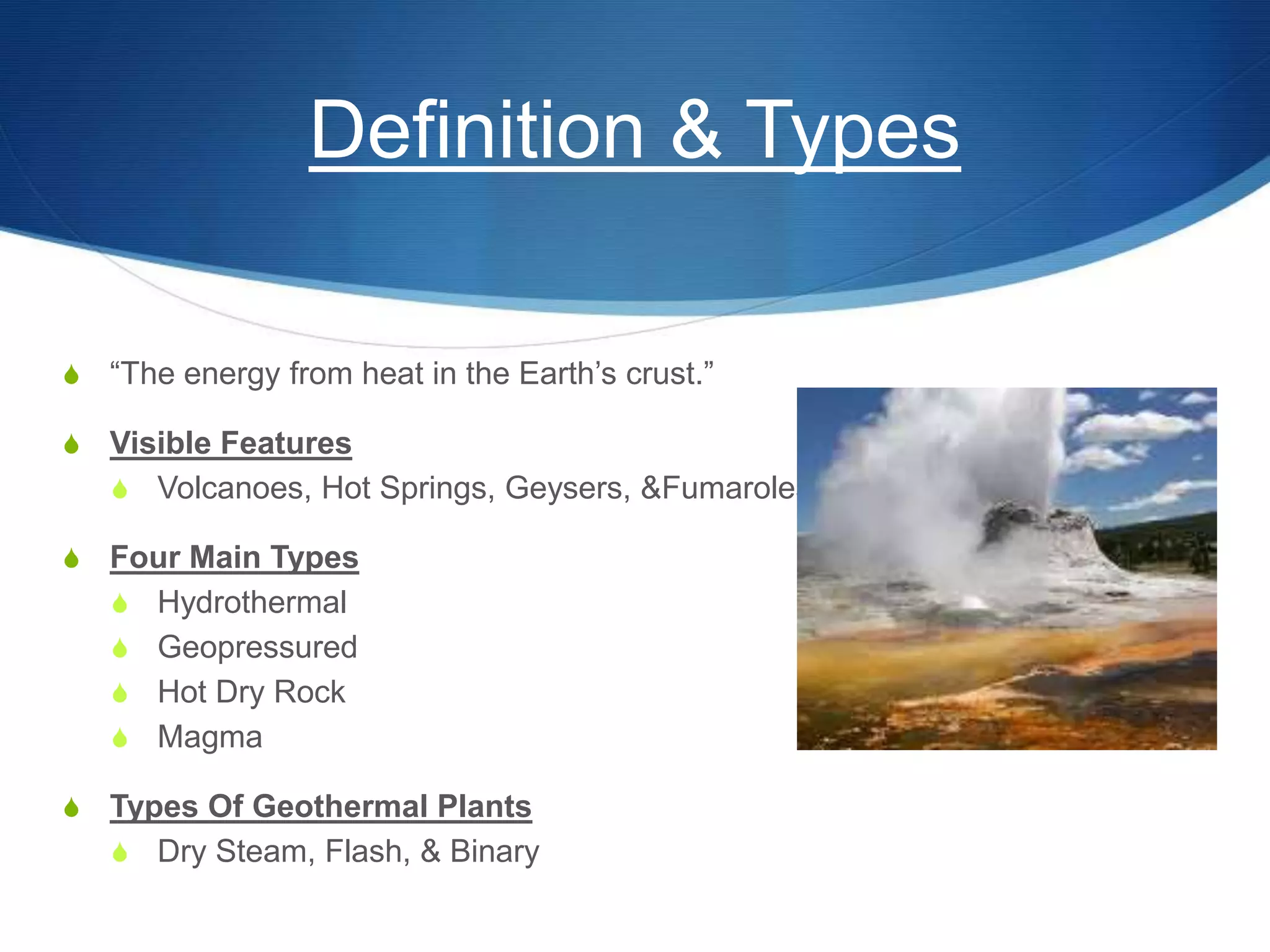
This heat naturally moves outward toward the surface through conduction (heat moving through solid rock) and convection (heat moving through the circulation of magma or water). In areas where tectonic plates meet or where the crust is thin, this heat is closer to the surface, manifesting as volcanoes, geysers, and hot springs.
The Role of Water as a Carrier
While the heat resides in the rock, water is the primary vehicle used to bring that energy to the surface. Rainwater and snowmelt seep into the ground through cracks and porous rock, reaching depths where they are heated by the surrounding stone. This creates hydrothermal reservoirs—underground pockets of hot water or steam trapped under pressure. When humans drill into these reservoirs, the pressure release allows the steam or hot water to rise, where it can be harnessed for work.
How Geothermal Power Plants Operate
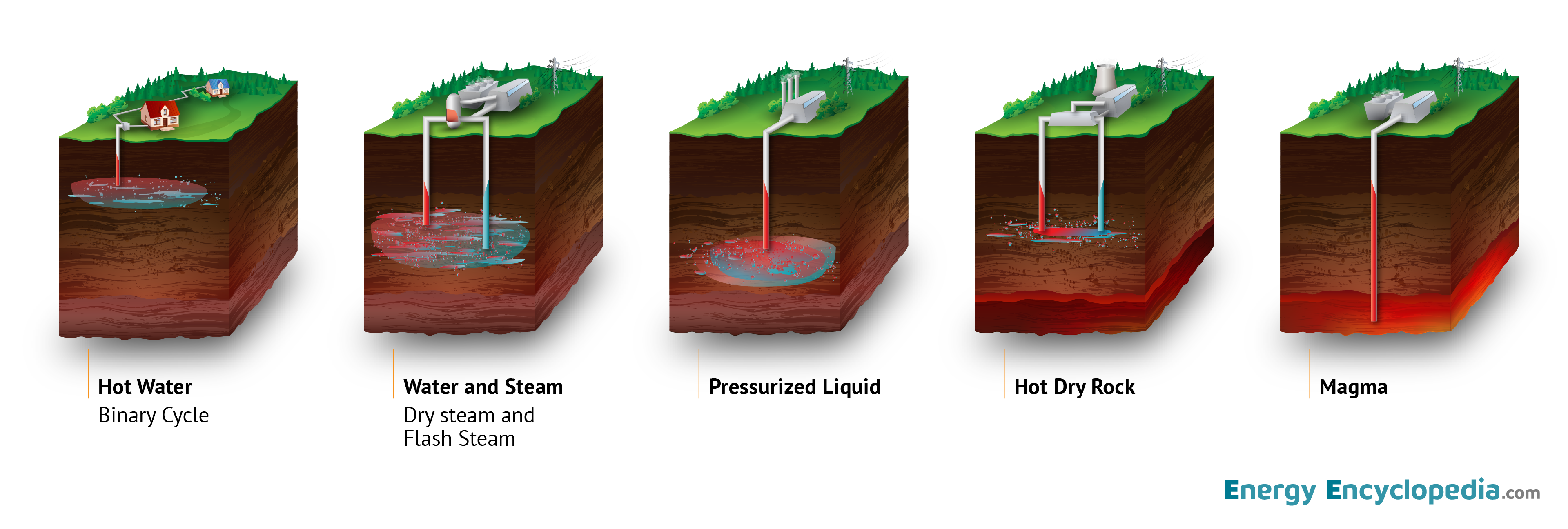
Not all geothermal resources are created equal. Depending on the temperature and state (liquid or vapor) of the resource, engineers use different types of power plants to convert thermal energy into electricity. As of 2026, three primary technologies dominate the landscape.
1. Dry Steam Power Plants
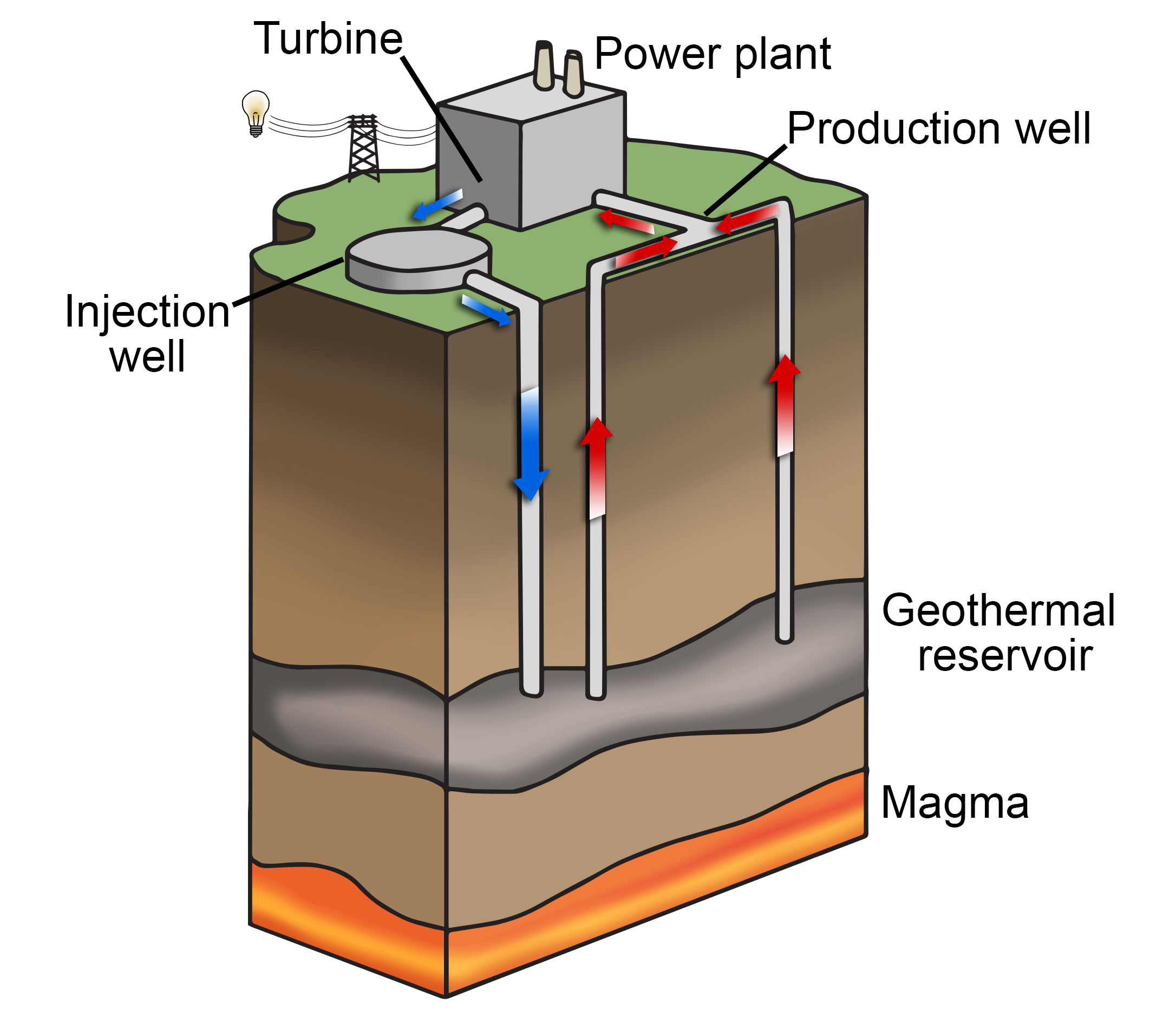
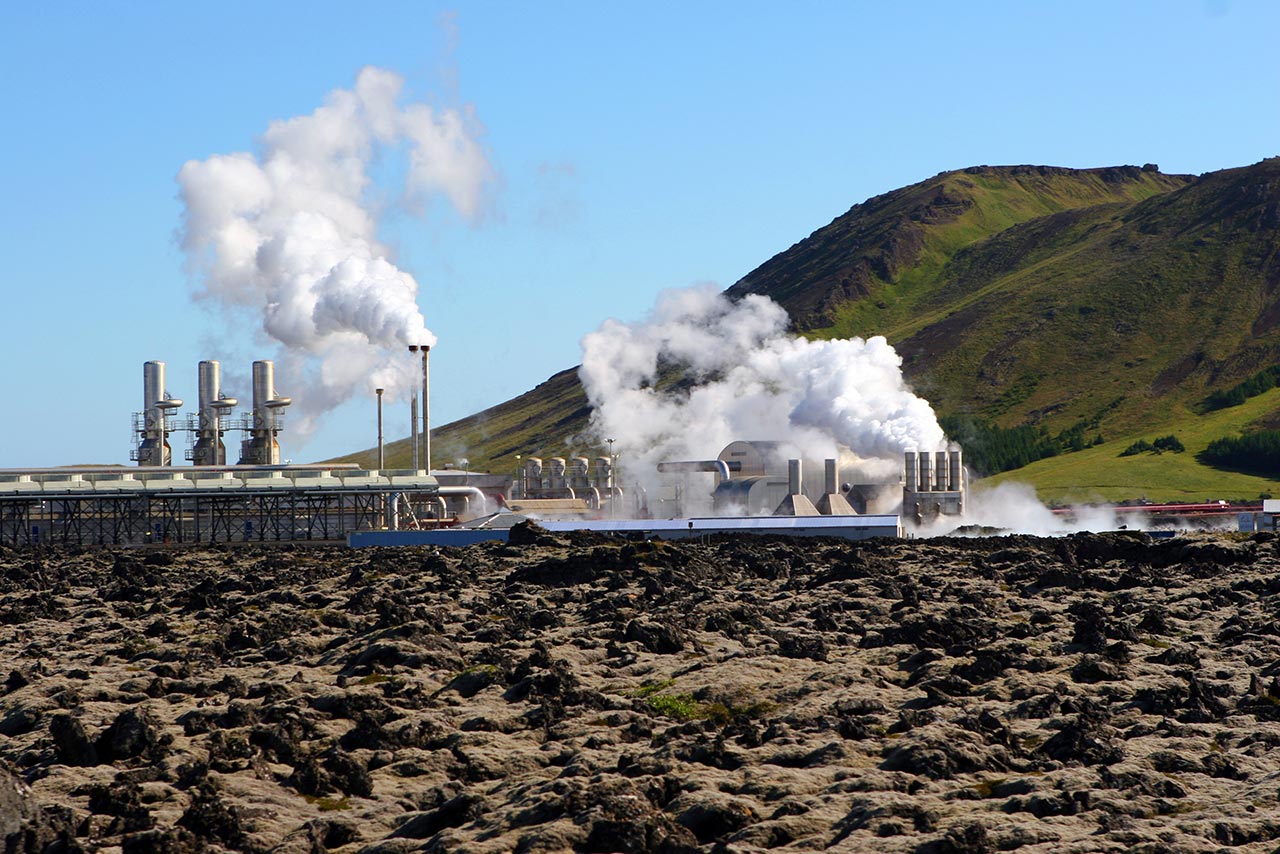
Dry steam is the oldest and simplest form of geothermal technology. These plants use steam directly from the underground reservoir to turn a turbine. Because the steam is already in a gaseous state, it requires minimal processing.
- Process: Steam travels through a pipe directly into a turbine, which spins a generator to create electricity.
- Example: The Geysers in Northern California is the largest dry steam operation in the world.
2. Flash Steam Power Plants
Flash steam plants are the most common type in operation today. They utilize high-pressure hot water (usually above 360°F or 182°C) pulled from deep underground.
- Process: As the high-pressure water is pumped to the surface, the pressure is suddenly reduced (or "flashed") in a tank, causing the water to rapidly turn into steam. This steam then drives the turbine. Any remaining water is injected back into the reservoir to maintain pressure and sustainability.
3. Binary Cycle Power Plants
Binary cycle plants are the fastest-growing segment of the industry because they can operate using lower-temperature water (between 135°F and 360°F). This significantly expands the number of locations where geothermal energy is viable.
- Process: The hot geothermal water never actually touches the turbine. Instead, it passes through a heat exchanger where it warms a "secondary" or "working" fluid (usually an organic compound like isobutane) that has a much lower boiling point than water. The secondary fluid flashes into vapor, spins the turbine, and is then condensed back into a liquid to repeat the cycle.
| Feature | Dry Steam | Flash Steam | Binary Cycle |
|---|---|---|---|
| Resource State | Pure Steam | High-Pressure Liquid | Moderate-Temp Liquid |
| Min. Temperature | ~150°C (302°F) | ~180°C (356°F) | ~57°C (135°F) |
| Complexity | Low | Medium | High |
| Environmental Impact | Minimal emissions | Negligible emissions | Zero-emissions (Closed loop) |
| Common Use | Utility-scale power | Utility-scale power | Small to Large scale |
Geothermal Energy for Homes: Heat Pumps
While power plants capture deep, high-temperature heat, a simpler application of this technology exists for homeowners: the Geothermal Heat Pump (GHP). Unlike power plants that require deep drilling, GHPs take advantage of the constant temperature of the shallow ground.
Regardless of the air temperature, the ground just 10 to 20 feet below the surface stays between 50°F and 60°F (10°C to 16°C) year-round. A GHP system consists of a heat exchanger (a loop of buried pipes) and a pump unit inside the house.
- Winter Heating: The system circulates a fluid that absorbs heat from the Earth and carries it into the home. A heat exchanger then concentrates that heat to warm the air.
- Summer Cooling: The process reverses. The pump pulls heat out of the house and "sinks" it into the cool ground.
By 2026, advancements in drilling technology and financial incentives have made these systems a preferred alternative to traditional HVAC for new construction, as they are roughly 400% more efficient than standard electric heating.
The Advantages of Geothermal Energy
Geothermal energy offers a unique profile of benefits that distinguishes it from other renewables like solar and wind.
1. Baseload Reliability
Solar and wind are "intermittent" sources; they only produce power when the sun shines or the wind blows. Geothermal is available 24 hours a day, 365 days a year. This makes it an ideal "baseload" source that can stabilize the power grid and reduce the need for expensive battery storage or gas-fired backup plants.
2. Small Physical Footprint
Geothermal plants use less land per gigawatt-hour (GWh) than almost any other energy technology, including coal and solar. Most of the infrastructure is underground, meaning the surface area can often be used for farming or wildlife habitats simultaneously.
3. Sustainable and Renewable
Because the heat from the Earth is virtually inexhaustible on a human timescale, geothermal is a truly renewable resource. Modern "reinjection" techniques ensure that the water used is returned to the underground reservoir, preventing the resource from drying up.
4. Energy Security
Geothermal energy is a domestic resource. Countries with geothermal potential can reduce their dependence on imported fossil fuels, insulating their economies from global price volatility.
Challenges and Limitations
Despite its benefits, geothermal energy is not without its hurdles. These challenges explain why it has not yet reached the same level of adoption as solar energy.
1. High Upfront Costs
Drilling is expensive and risky. A single geothermal well can cost millions of dollars, and there is no guarantee that a specific site will yield the necessary heat and flow rates. This "resource risk" often makes it difficult to secure traditional financing compared to solar farms.
2. Geographic Constraints
Historically, geothermal was limited to "hot spots" near tectonic plate boundaries (like Iceland, Indonesia, or the Western United States). While Binary Cycle technology and Enhanced Geothermal Systems (EGS) are changing this, geography still plays a major role in feasibility.
3. Induced Seismicity
Injecting water into the ground at high pressures can occasionally trigger small earthquakes. While these are usually too small to be felt by humans, careful monitoring and management by the U.S. Department of Energy and other global regulators are required to ensure safety.
4. Potential for Gas Emissions
While much cleaner than fossil fuels, some geothermal reservoirs contain small amounts of dissolved gases like hydrogen sulfide or carbon dioxide. Modern closed-loop systems (Binary Cycle) capture these gases and reinject them, but older plants may release trace amounts.
The Future: Enhanced Geothermal Systems (EGS)
As of 2026, the biggest breakthrough in the field is Enhanced Geothermal Systems (EGS). Traditional geothermal requires three things: heat, water, and permeability (cracks in the rock for water to flow). EGS allows us to create geothermal reservoirs where they don't exist naturally.
By drilling into hot, dry rock and "stimulating" it—injecting water to create new fractures—engineers can create a man-made hydrothermal system. This technology has the potential to make geothermal energy available almost anywhere on the planet, not just in volcanic regions. Organizations like the International Energy Agency (IEA) have noted that EGS could provide enough clean energy to power the entire world many times over.
FAQs
Is geothermal energy truly carbon-neutral?
Yes, in modern applications. Binary cycle plants are closed-loop, meaning they emit zero greenhouse gases. Even older flash-steam plants emit about 99% less carbon dioxide than fossil fuel plants of the same size. According to data from the Environmental Protection Agency (EPA), geothermal is one of the lowest-emission energy sources available.
Can geothermal energy run out?
On a planetary scale, no. The Earth’s core will remain hot for billions of years. However, a specific local well can "cool down" if water is extracted faster than the Earth can reheat it. Modern management involves rotating wells and carefully controlling reinjection to ensure the local resource remains sustainable for decades.
How much does it cost to install a home geothermal system in 2026?
While prices vary by region, a residential geothermal heat pump typically costs between $15,000 and $35,000 to install. However, federal tax credits and local rebates often offset 30% or more of this cost. Because the system reduces monthly utility bills by up to 70%, most homeowners see a return on investment within 7 to 10 years.
Is geothermal energy dangerous?
Geothermal energy is considered very safe. Unlike nuclear power, there is no risk of a meltdown, and unlike gas, there is no risk of a massive explosion. The primary safety concerns involve managing the high-pressure steam and ensuring that drilling does not interfere with local water tables, both of which are strictly regulated by environmental agencies.
What is the difference between "geothermal" and "ground-source" heat?
These terms are often used interchangeably, but there is a slight technical difference. "Geothermal" usually refers to the deep heat used for electricity. "Ground-source" typically refers to the shallow, constant-temperature soil used by residential heat pumps.
Next Steps for Adoption
If you are interested in geothermal energy, your next action depends on your goals. For homeowners, the first step is to contact a certified HVAC professional to perform a site feasibility study for a ground-source heat pump. They will evaluate your soil type and available yard space. For those interested in the broader energy transition, supporting policies that fund Enhanced Geothermal Systems (EGS) research is the most effective way to help this "forgotten" renewable reach its full potential.
Image Gallery