How Does Club Pilates Work: A Comprehensive Guide to Membership and Classes
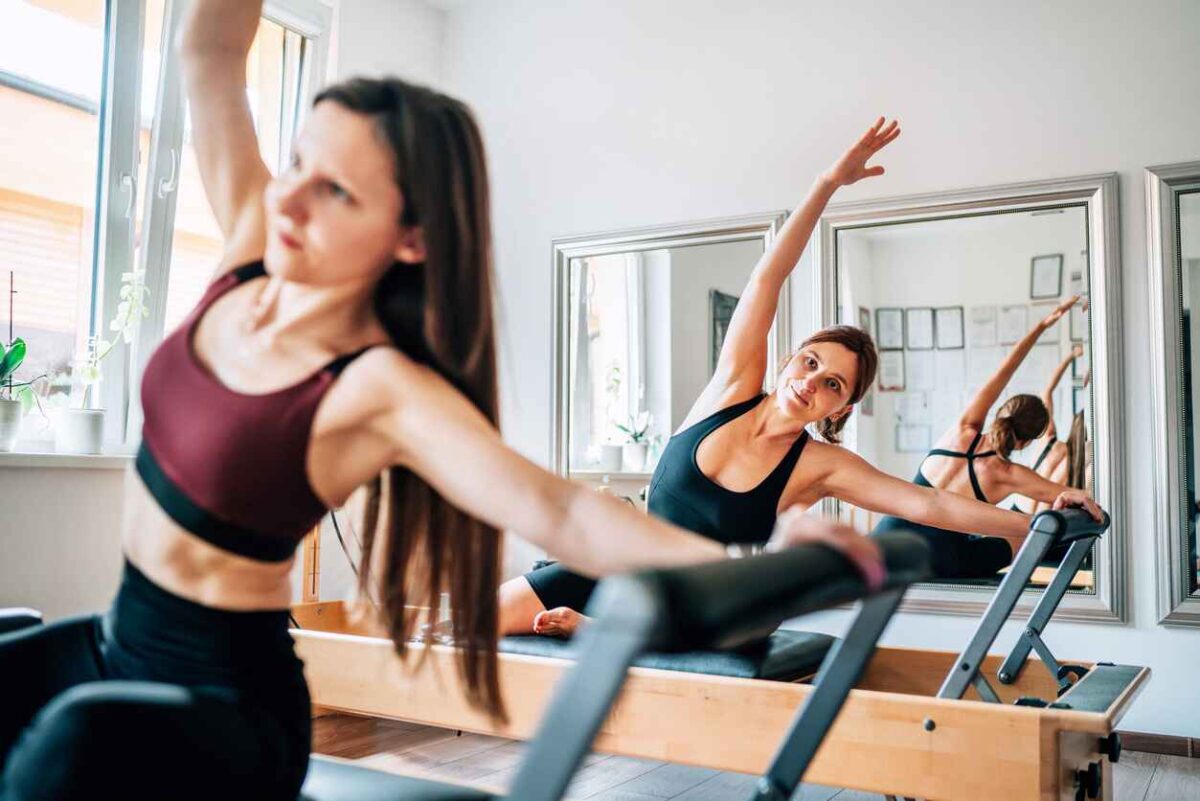
Club Pilates functions as a boutique fitness franchise that utilizes a proprietary method based on the teachings of Joseph Pilates, primarily focusing on Reformer-based group training. Rather than offering traditional gym equipment lik...
Club Pilates functions as a boutique fitness franchise that utilizes a proprietary method based on the teachings of Joseph Pilates, primarily focusing on Reformer-based group training. Rather than offering traditional gym equipment like treadmills or free weights, the studios provide a specialized environment where members participate in instructor-led classes designed to improve core strength, mobility, and posture through the use of the Reformer, EXO-Chair, TRX suspension trainers, and other specialized apparatus.
Contents
The Core Methodology of Club Pilates
At the heart of the Club Pilates model is the "Reformer." This specialized piece of equipment uses a system of springs, pulleys, and a sliding carriage to provide resistance-based exercise. Unlike standard mat Pilates, which relies solely on body weight, the Reformer allows for a dynamic range of motion that can be adjusted to support or challenge the user’s musculature.
The studio operates on a tiered instructional system. Classes are leveled—ranging from "Foundation" to "Mastery"—to ensure that members progress according to their fitness level. Instructors are trained specifically in the Club Pilates methodology, which emphasizes the "Pilates Principles": concentration, control, centering, precision, breath, and flow. Because the classes are group-based, they provide a structured, communal experience that differentiates the brand from one-on-one personal training sessions.
Membership Structure and Access
Club Pilates operates on a recurring membership model. Access is typically managed through the Club Pilates mobile app or the studio’s web portal. Unlike big-box gyms that offer open-floor access 24/7, Club Pilates is a scheduled experience.
- Class Credits: Members purchase packages based on the number of classes they intend to take per month (e.g., 4 classes, 8 classes, or unlimited).
- Booking Requirements: Because class sizes are limited by the number of Reformers in the studio, members must book their sessions in advance via the app.
- The Waitlist: If a class is full, members can join a waitlist. If a spot opens due to a cancellation, the system typically notifies the next person in line.
It is vital for prospective members to understand that memberships are generally tied to a "home studio." While some franchise owners may allow cross-studio attendance, policies vary by location, and it is standard practice to confirm these terms during the initial sign-up process.
Types of Classes Offered
The diversity of the class schedule is a primary factor in how the system works. The studio curriculum is designed to provide variety so that members do not reach a plateau in their physical training.
- Reformer Flow: The standard, full-body workout that serves as the foundation of the program.
- Cardio Sculpt: A faster-paced class that incorporates the "Jumpboard"—a padded board attached to the end of the Reformer—to elevate the heart rate.
- Center + Balance: Focuses on deep stretching and functional movement to improve flexibility and joint health.
- Control: Emphasizes slow, deliberate movements with high tension to build muscular endurance.
- Restore: A class focused on myofascial release and recovery, often using foam rollers and targeted stretching.
Getting Started: The Introductory Process
For those new to the apparatus, Club Pilates typically requires or highly recommends an "Intro Class" before enrolling in a full membership. This 30-minute session serves several purposes:
- Safety and Orientation: It teaches the user how to adjust the Reformer springs and carriage safely.
- Assessment: It allows the instructor to observe the student’s fitness level to recommend the appropriate class difficulty.
- Expectation Management: It provides a realistic view of the physical demands of the practice without the commitment of a full-month cycle.
Comparison of Membership Models
Understanding the financial commitment is essential for long-term consistency. The following table illustrates the general differences between common booking tiers found within the franchise network.
| Membership Tier | Usage Frequency | Best For | Booking Flexibility |
|---|---|---|---|
| Drop-in / Single | As needed | Trialing or infrequent visitors | Low (subject to availability) |
| Passport 4 | 4 Classes/Month | Maintenance / Hybrid athletes | Moderate (requires planning) |
| Passport 8 | 8 Classes/Month | Consistent, twice-weekly training | High |
| Unlimited | Unlimited/Month | Committed members seeking transformation | Maximum (allows daily access) |
Note: Pricing is set by individual franchise owners and varies significantly by geographic region and local market demand.
Essential Considerations for New Members
To maximize the effectiveness of the Club Pilates system, new members should adhere to several operational best practices.
Cancellation Policies: Because class space is limited, studios enforce strict cancellation deadlines—often 12 or 24 hours before the scheduled class time. Failure to cancel within this window typically results in a "late cancel" fee or the loss of the class credit from the monthly allotment. This policy ensures that slots remain available for other members.
Attire and Gear: Proper attire is required for the machine to function safely. Unlike a standard gym, footwear is not required, but grip socks are strictly mandatory for hygiene and safety reasons. The texture of the Reformer carriage can be slippery; the rubberized soles of grip socks prevent sliding during exercises.
Progression Monitoring: Members are encouraged to communicate with instructors about injuries or specific goals. Since the equipment is adjustable, an instructor can demonstrate how to modify a movement if a member has a specific limitation, such as lower back pain or knee sensitivity.
Frequently Asked Questions
Can I attend Club Pilates if I have never done Pilates before? Yes. The "Foundation" level classes are designed specifically for those with no prior experience. It is highly recommended to start with an Introductory class to learn the nomenclature and safety protocols before moving into standard sessions.
Do I have to take classes at the same time every week? No. The system allows you to book classes flexibly based on the schedule published in the app. However, popular peak times (such as weekday evenings or weekend mornings) fill up quickly, so booking in advance is necessary.
Is it considered a weight-loss program? Club Pilates is primarily a strength and conditioning program. While increased muscle mass can lead to changes in body composition, the practice is focused on structural alignment, core stability, and mobility. Results depend on individual lifestyle factors including diet and supplementary physical activity.
What happens if I move to a different city? Memberships are typically held by independent franchise owners. If you move, you may need to cancel your current membership and sign up at a new studio. It is advised to check with your home studio regarding potential transfer options, though these are not guaranteed.
Are private sessions available? Many studios offer private or semi-private sessions, which provide personalized instruction tailored to specific rehabilitation or performance needs. These are separate from standard group membership packages and are billed at a higher individual rate.
Next Steps for Engagement
To begin your journey, search for the "Club Pilates" studio nearest to your location via their official website. Most locations provide a "Book an Intro" button prominently on their home page. Registering for this initial session allows you to tour the facility, verify the class schedule in your area, and assess whether the reformer-based environment aligns with your personal fitness goals. Before your first session, ensure you purchase a pair of grip socks, as these are almost universally required for participation across all studios.
Image Gallery