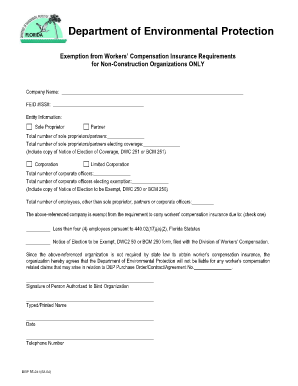
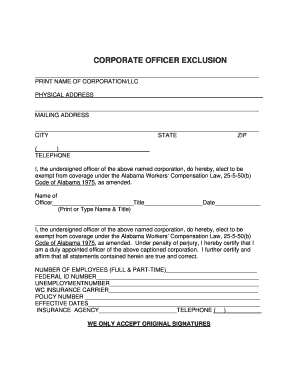
Understanding the Sample Letter of Exemption for Workers’ Compensation Insurance
A sample letter of exemption for workers’ compensation insurance serves as a formal declaration by business owners or independent contractors to state authorities or clients that they are not required to maintain traditional workers’ c...
A sample letter of exemption for workers’ compensation insurance serves as a formal declaration by business owners or independent contractors to state authorities or clients that they are not required to maintain traditional workers’ compensation coverage. This document typically asserts legal status, such as corporate officer exclusion or independent contractor classification, to satisfy proof-of-insurance requirements during contract bidding or regulatory audits.
Contents
Understanding the Role of Workers’ Compensation Exemption
Workers' compensation is a mandatory form of insurance in nearly every jurisdiction, designed to provide wage replacement and medical benefits to employees injured in the course of employment. However, statutes often provide specific exemptions for business owners, corporate officers, members of limited liability companies (LLCs), and certain classes of independent contractors.
A letter of exemption—sometimes referred to as an "affidavit of exemption" or "notice of exclusion"—is the mechanism used to communicate this legal status to third parties. If you are a general contractor working for a developer, or a sole proprietor bidding on a municipal project, you will often be asked to provide proof of insurance. If your legal status grants you an exemption, this letter provides the necessary documentation to bridge the gap between your regulatory compliance and the requirements set by the entity hiring you.
It is critical to understand that this letter is not a "get out of jail free" card; it is a declaration of your legal standing based on state-specific labor codes. Using an inaccurate or improperly filed exemption letter can lead to severe legal penalties, stop-work orders, and personal financial liability in the event of an onsite injury.
Determining Eligibility for Exemption
Eligibility for workers’ compensation exemption is determined primarily by state law, not by business preference. Because insurance regulations are hyper-localized, the criteria that allow a business owner to waive coverage in one state may be strictly prohibited in another.
Common Categories of Eligibility
- Corporate Officers: Many states allow officers who own a significant percentage of the corporation (or own the company entirely) to formally opt out of coverage.
- LLC Members: Depending on the jurisdiction, members of an LLC may be classified as "employers" rather than "employees," exempting them from mandatory coverage.
- Sole Proprietors: In many states, the owner is not considered an employee of the business and therefore is not required to carry workers’ compensation for themselves, provided they have no employees.
- Independent Contractors: If a worker meets the strict legal definition of an independent contractor (often defined by "control" and "independence" tests), they may be exempt, though this is frequently the most scrutinized category by tax and labor departments.
Drafting the Exemption Letter: Necessary Components
While templates are widely available, a functional letter of exemption must be customized to your specific business entity and the regulatory requirements of your state. An effective letter should follow a professional, formal structure.
Key Components to Include:
- Header Information: Include your full legal business name, registered address, and the date of issuance.
- Entity Identification: Clearly state your business structure (e.g., Sole Proprietorship, LLC, Corporation).
- The Legal Basis for Exemption: Reference the specific state statute or administrative code that grants your exemption. Vague claims are often rejected by compliance officers.
- Statement of Fact: Affirm that you do not have any employees (or that all individuals in your operation are similarly exempt).
- Signature and Notarization: Most states require this document to be signed by an authorized representative and, in many cases, notarized to serve as a legal affidavit.
Comparison of Coverage Status and Documentation
| Status | Insurance Requirement | Typical Documentation |
|---|---|---|
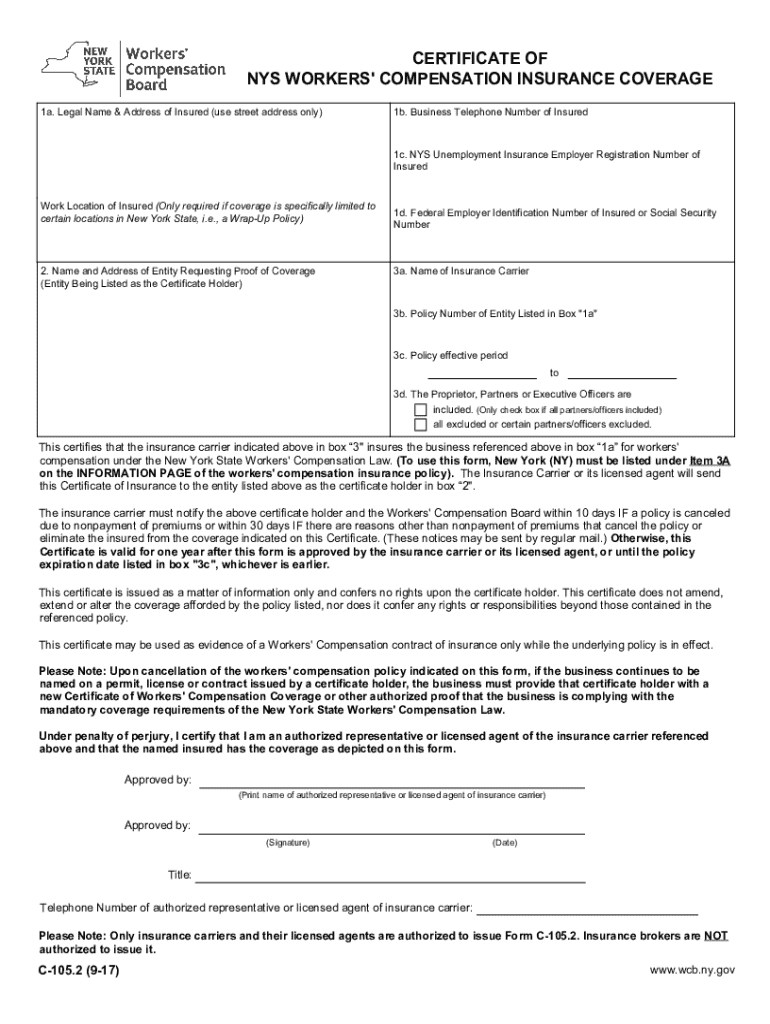
| Standard Employer | Mandatory | Certificate of Insurance (COI) |
| Sole Proprietor (No Employees) | Often Exempt | Affidavit of Exemption |
| Corporate Officer (Opt-out) | Exempt (per election) | Notice of Election/Exclusion |
| Subcontractor | Varies by State | Proof of Coverage or Waiver |
The Legal Implications of Filing an Exemption
Before submitting a letter of exemption, it is essential to consider the long-term risk. Workers’ compensation insurance acts as the "exclusive remedy" in most jurisdictions. This means that if an employee is injured, they generally cannot sue the employer for damages because they are covered by the insurance system.
If you sign an exemption letter claiming you are not an employer, or that you are exempt from carrying coverage, you may be bypassing this "exclusive remedy" protection. Should an injury occur, you could face litigation in civil court where damages are not limited by the insurance-based wage replacement tables. Furthermore, misclassifying employees as independent contractors to avoid insurance costs is a common trigger for Department of Labor audits and can result in massive fines for back-premiums, interest, and penalties.
Common Pitfalls to Avoid
- Generic Templates: Using a template found online that does not cite your specific state’s labor code will likely be rejected by project managers or government inspectors.
- Misinterpreting "Owner" Status: Some owners assume that being an owner automatically grants exemption. In states like California or New York, specific forms must be filed with the state board to render that exemption valid; a simple letter to a client is insufficient.
- Failure to Update: Business structures change. If you hire your first employee, an exemption letter that was once valid becomes fraudulent. Always reassess your coverage needs the moment your business structure or headcount changes.
Steps for Verification and Submission
If you believe you are eligible for an exemption, follow these steps to ensure your documentation holds up under scrutiny:
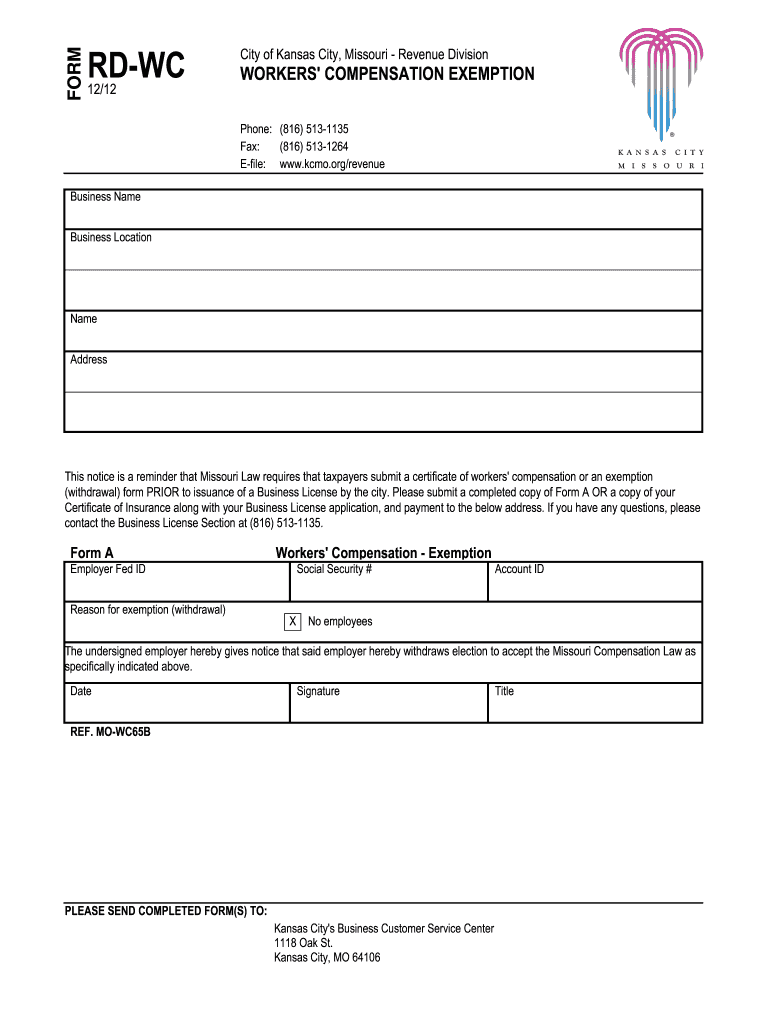
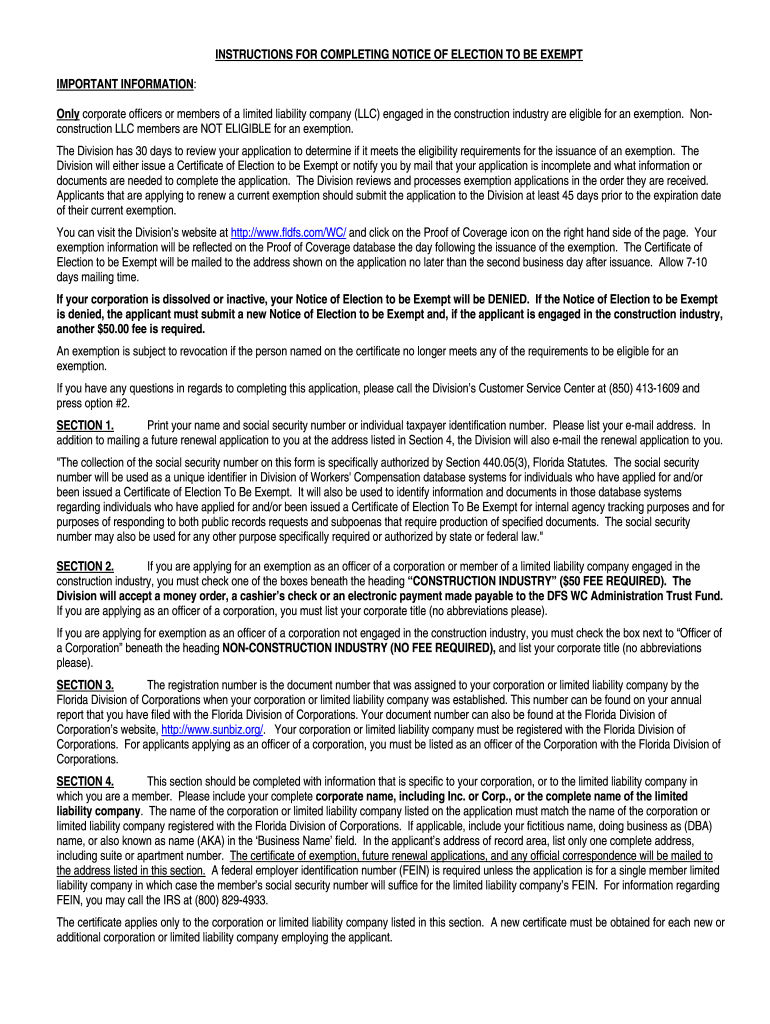
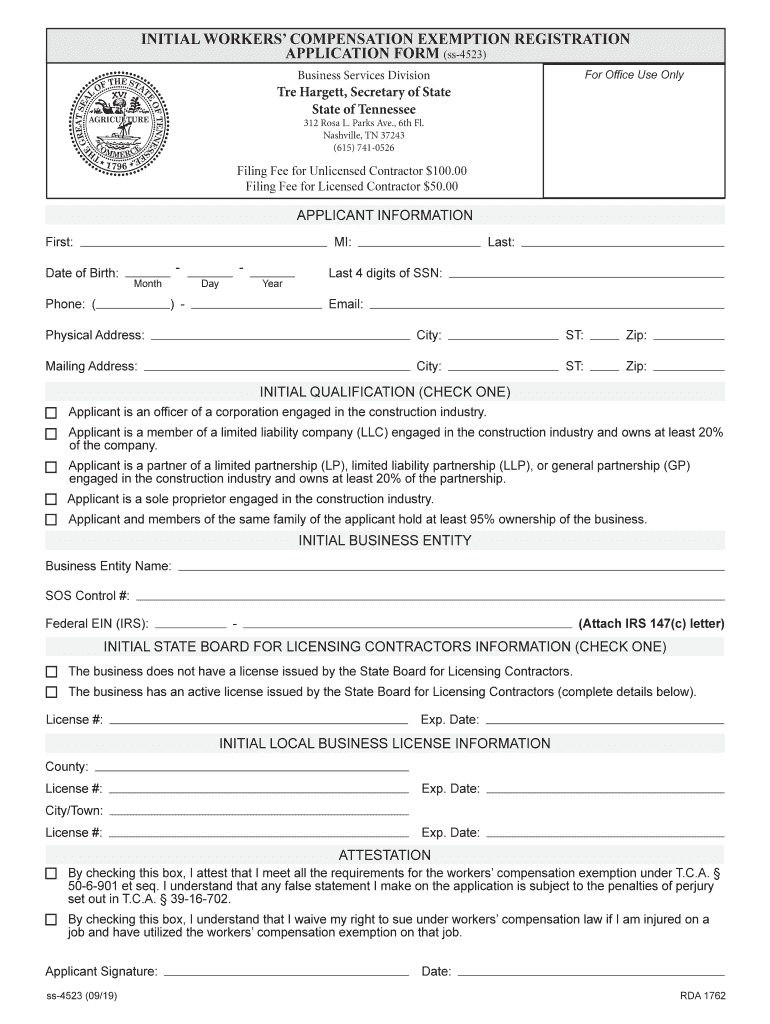
- Consult the State Board: Visit the official website of your state’s Workers’ Compensation Board or Department of Labor. Look for "Exemption Forms" rather than writing a letter from scratch. Many states provide a standard state-issued form that renders a custom letter unnecessary.
- Verify with a Legal Professional: Because labor laws are subject to frequent legislative updates, have a qualified attorney review your declaration before it is submitted to a client or a state agency.
- Maintain Documentation: Keep a copy of your exemption filing, the date it was processed, and any response from the state. When providing this to a general contractor or a project owner, attach a copy of the official state confirmation alongside your personal declaration.
- Annual Review: Many exemptions must be renewed annually. Set a calendar reminder to review your eligibility status every year, coinciding with your business license renewal or tax filings.
Frequently Asked Questions
1. Can I create my own letter if my state does not provide a form?
Yes, you can draft your own letter if the state allows for a written affidavit. However, it must include your legal business details, the specific code or statute you are relying on for your exemption, and a notarized signature. Check with your local regulatory body first to ensure a state-specific form is not actually required.
2. Does an exemption letter also exempt me from liability lawsuits?
No. An exemption letter only addresses the statutory requirement to carry workers’ compensation insurance. It does not provide protection from personal injury lawsuits. In fact, by not carrying insurance, you may be more vulnerable to civil litigation in the event of an workplace injury.
3. Will a general contractor accept a letter instead of a Certificate of Insurance (COI)?
Most reputable general contractors require a COI to satisfy their own insurance audits. If you are exempt, they will usually ask for the "Affidavit of Exemption" issued by your state government. A self-written letter alone is often insufficient for large commercial projects.
4. What happens if I misrepresent my status in an exemption letter?
Providing false information to obtain an exemption can be classified as insurance fraud or perjury. You may face heavy administrative fines, be barred from bidding on future contracts, and lose the ability to defend yourself in civil suits.
5. Does this exemption apply to subcontractors I hire?
Generally, no. You are responsible for verifying that any subcontractors you hire have their own coverage. If they do not, you may be held liable for their injuries, regardless of your own personal exemption status.
Next Steps for Business Owners
If you are currently operating under an exemption, prioritize verifying your status with your state’s Department of Labor by the end of the 2026 fiscal cycle. Ensure that any project managers or insurance auditors have the most recent, stamped, or notarized copy of your documentation. If your business has grown to include even one part-time employee, consult an insurance broker immediately to transition from an exempt status to a standard policy to protect your company's assets.
Image Gallery