Riley Green and the Art of Mustache Dyeing: A Complete Guide to Facial Hair Grooming
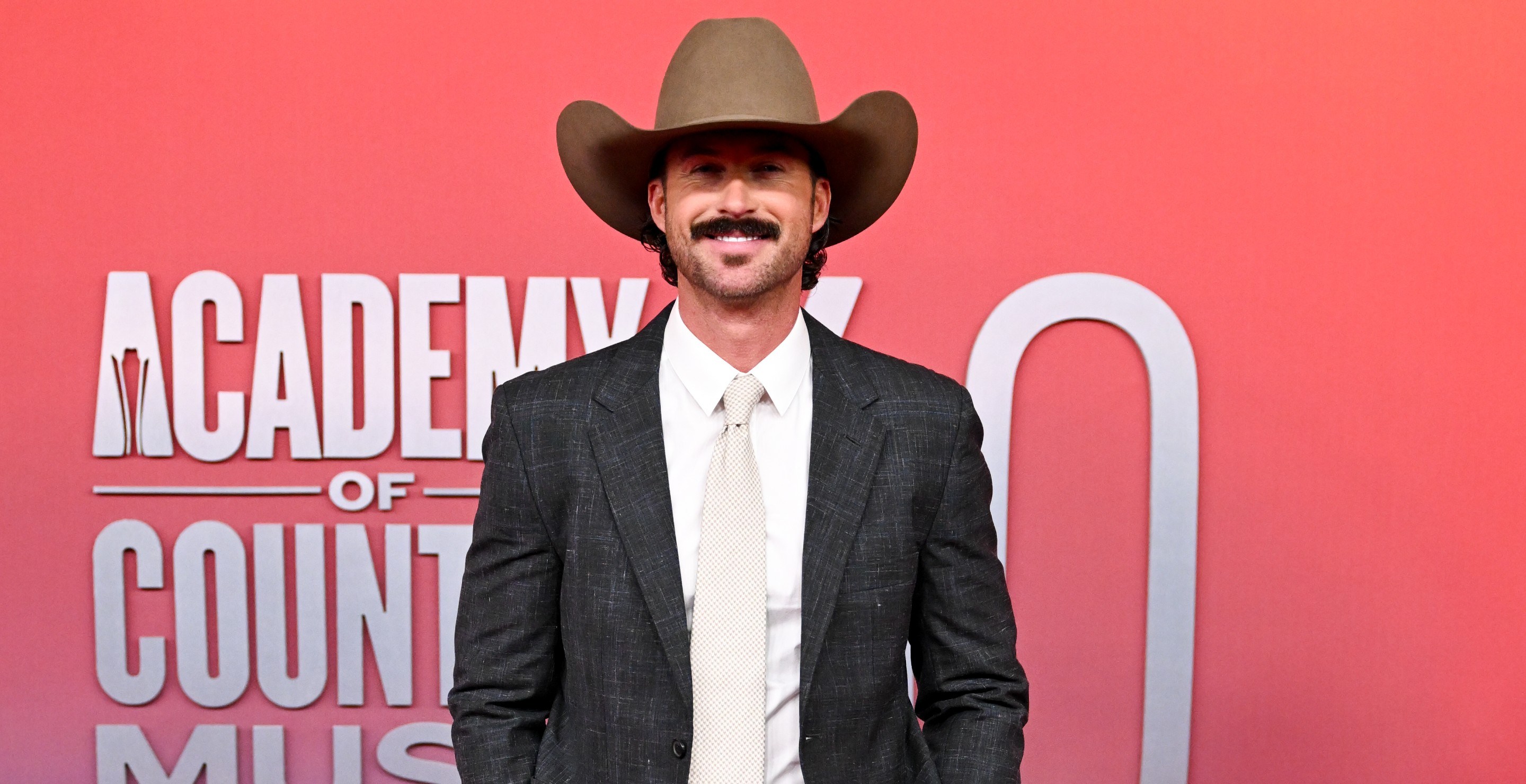
Riley Green’s signature mustache is a cornerstone of his rugged, traditional country aesthetic, symbolizing a return to the neo-traditionalist imagery of the 1980s and 90s. Achieving a similar look often involves strategic grooming and...
Riley Green’s signature mustache is a cornerstone of his rugged, traditional country aesthetic, symbolizing a return to the neo-traditionalist imagery of the 1980s and 90s. Achieving a similar look often involves strategic grooming and mustache dyeing to ensure a full, uniform color that eliminates patchy grays or sun-bleached ends, providing the thick, disciplined appearance central to the modern Americana style.
Contents
The Cultural Impact of Riley Green’s Facial Hair
Since his breakout in the late 2010s, Riley Green has become more than just a platinum-selling country artist; he has become a style icon for a specific brand of Southern masculinity. While his music leans on themes of nostalgia, family, and the outdoors, his physical image—defined by trucker hats, pearl-snap shirts, and a meticulously maintained mustache—has influenced grooming trends across the United States.
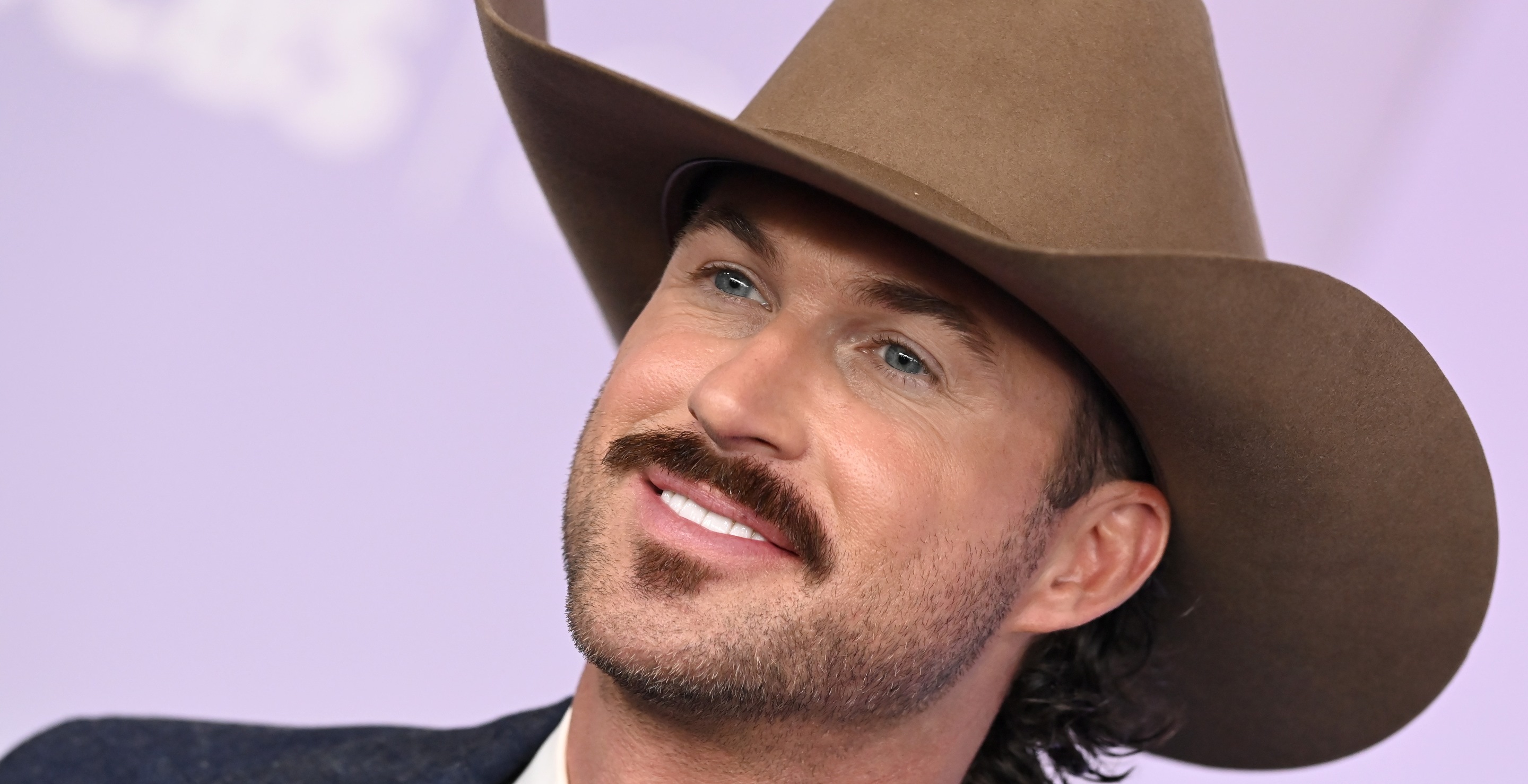
In 2026, the "Riley Green look" remains a popular request in barbershops. The mustache itself is typically a hybrid between a Chevron and a Walrus style: thick enough to cover the upper lip but groomed enough to avoid looking unkempt. For many men, the challenge in replicating this look lies in the natural variance of facial hair color. Whiskers often grow in lighter, redder, or grayer than the hair on the head, which is where the technical application of mustache dye becomes essential.
Why Mustache Dyeing is Essential for the "Riley Green" Look
Facial hair is biologically different from scalp hair. It is generally coarser, more androgenic, and has a more irregular cuticle structure. These factors contribute to how light hits the hair and how pigment is perceived.
Addressing Patchiness and Transparency
Even a thick mustache can look thin if the hairs are light-colored or blonde at the tips. Dyeing the mustache a shade that matches the darkest hairs on the face creates an illusion of greater density. This is a common technique used by public figures like Green to ensure their facial hair remains "high-definition" under stage lights and on camera.
Managing Premature Graying
It is statistically common for men to see gray hairs in their mustache and beard before they see them on their head. Because the mustache is the focal point of the face, even a few silver strands can disrupt the visual weight of the style. Dyeing provides a way to maintain a youthful, uniform appearance that aligns with the "classic woodsman" aesthetic.
Sun Bleaching and Environmental Damage
For those who spend significant time outdoors—a lifestyle Riley Green frequently promotes—UV exposure can bleach the ends of the mustache, making it look fried or uneven. Reintroducing pigment via dye restores the hair's health-like appearance and protects the shaft from further oxidative stress.
Prerequisites and Skin Safety Protocols
Before applying any chemicals to the face, it is imperative to understand the risks associated with facial hair dyes. The skin on the upper lip is significantly more sensitive than the scalp and is prone to irritation, chemical burns, and allergic reactions.
The 48-Hour Patch Test
Most commercial mustache dyes contain Para-phenylenediamine (PPD), a known allergen. Before a full application, apply a small amount of the mixed dye to the inside of your elbow or behind the ear. Wait 48 hours to check for redness, itching, or swelling. This step is non-negotiable for home grooming.
Selecting the Right Product
In 2026, the market offers three primary types of coloration:
- Permanent Dyes: These penetrate the hair shaft and last until the hair grows out. They offer the best coverage for stubborn grays but require more precision.
- Demi-Permanent Dyes: These last roughly 10–15 washes. They are excellent for men who want a more natural blend rather than a "solid" block of color.
- Temporary Color/Beard Pens: These are non-chemical pigments applied daily. They are ideal for filling in small gaps rather than changing the overall color.
Technical Step-by-Step Guide to Dyeing Your Mustache
To achieve a professional result that looks natural rather than "inked on," follow these technical procedures.
1. Preparation and Mapping
Cleanse the mustache with a mild, oil-free soap. Do not use conditioner or beard oil before dyeing, as these create a barrier that prevents the dye from adhering to the hair cuticle. Use a comb to define the borders of the mustache. Apply a thin layer of petroleum jelly or a specialized barrier cream to the skin surrounding the mustache to prevent accidental staining of the skin.
2. Mixing the Formula
Most mustache-specific kits (like those from Just For Men or Cremo) use a 1:1 ratio of color base to developer. Mix only what you need. Because mustache hair is coarse, the developer needs to be fresh to effectively open the hair scales.
3. Precision Application
Use a small, stiff-bristled brush—often provided in the kit—to apply the dye.
- Start at the center: Apply the dye to the thickest part of the mustache first.
- Work outward: Move toward the corners of the mouth.
- Avoid the skin: Brush the dye into the hair, not onto the skin beneath. This prevents the "fake" look associated with poorly executed home dye jobs.
4. Timing and Observation
Facial hair processes quickly. While the box may suggest five minutes, many men find that three minutes is sufficient for a natural look. It is better to under-process and re-apply than to over-process and end up with a mustache that looks unnaturally dark.
5. Rinsing and Neutralizing
Rinse the mustache with lukewarm water until the water runs clear. Use a pH-balanced beard wash to neutralize the chemical reaction and close the hair cuticle. Pat dry gently; do not rub, as the hair is most vulnerable to breakage when wet and freshly processed.
Comparing Professional vs. Home Dyeing Solutions
| Feature | Home DIY Kits | Professional Barbershop | Natural Henna |
|---|---|---|---|
| Cost | $10 - $20 | $30 - $60 per session | $15 - $25 |
| Time Investment | 10 - 15 minutes | 30 - 45 minutes | 1 - 3 hours |
| Color Longevity | 2 - 4 weeks | 3 - 6 weeks | 4 - 6 weeks |
| Risk of Staining | High | Low | Moderate |
| Best For | Routine maintenance | Major color changes | Sensitive skin users |
Advanced Maintenance: Keeping the Color Vibrant
Once the mustache is dyed to the desired "Riley Green" shade, maintenance is required to prevent fading and to keep the hair from becoming brittle.
UV Protection
UV rays are the primary enemy of hair dye. If you are outdoors, use a beard balm that contains a UV filter. This prevents the dark pigment from oxidizing and turning a brassy, orange hue.
Hydration and Conditioning
The chemicals in dye can strip the natural oils (sebum) from your whiskers. In 2026, the gold standard for post-dye care is the use of Argan oil or Jojoba oil based products. These oils mimic the skin's natural chemistry and help keep the dyed hair soft and manageable.
The Trimming Schedule
A dyed mustache requires more frequent trimming than an undyed one. As the hair grows, the natural color will appear at the root (the "skunk stripe" effect). Trimming the bottom edge of the mustache every 3–4 days keeps the shape sharp, while a full color touch-up is usually needed every 2 weeks depending on the rate of growth.
Common Mistakes to Avoid
- Choosing a Shade Too Dark: Always opt for one shade lighter than your natural hair. Mustache hair is dense, and dark colors tend to look much more intense on the face than on the head.
- Ignoring the "Soul Patch": If you have hair below your bottom lip, it must match the mustache. Failing to dye both results in a disjointed, unnatural appearance.
- Using Scalp Hair Dye: Never use standard box hair dye intended for the scalp on your face. These formulas often contain higher concentrations of ammonia and peroxide, which can cause severe chemical burns on the sensitive skin of the face.
- Over-applying: Using too much product can lead to "hot roots" or skin staining that takes days to scrub off.
Frequently Asked Questions
How often should I dye my mustache to maintain the Riley Green look?
For most men, the "sweet spot" is every 10 to 14 days. Facial hair grows at an average rate of 1.25 centimeters per month. Because the mustache is so short, even a few millimeters of growth will reveal the original color at the base, making a bi-weekly touch-up necessary for a consistent appearance.
Can I dye my mustache if I have very sensitive skin?
Yes, but you should avoid traditional oxidative dyes. Look for PPD-free formulas or lead-free "gradual" gray reducers. Alternatively, natural henna can be used, though it is more difficult to control the exact color outcome and requires a much longer application time.
What should I do if the dye stains my skin?
If you end up with dye on your skin, do not scrub it with harsh abrasives. Instead, use a cotton ball soaked in isopropyl alcohol or a specialized "stain remover" wipe. For a more natural remedy, a paste of baking soda and dish soap can gently exfoliate the pigment off the skin.
Will dyeing my mustache make it grow faster or thicker?
No. Dyeing only changes the color of the existing hair shaft; it does not affect the follicle's growth rate or the density of the hair. However, because darker hair is more visible, the mustache will appear thicker and more robust immediately after treatment.
Does Riley Green actually dye his mustache?
While Riley Green has not publicly released a "grooming routine" video detailing his dye habits, the consistency and depth of his facial hair color—especially during long tours—suggests a high level of professional maintenance. Many artists in his position utilize professional barbers who use semi-permanent tints to maintain their "on-brand" look.
Final Recommendation for Aspiring Groomers
If you are looking to replicate the classic Riley Green aesthetic, focus first on the shape and health of the mustache. Use a high-quality beard oil daily for at least two weeks to ensure the hair is hydrated before attempting a dye job. For your first time, visit a professional barber who specializes in "beard detailing." Observe their technique, note the shade they use, and then transition to home maintenance once you are comfortable with the process.
Image Gallery