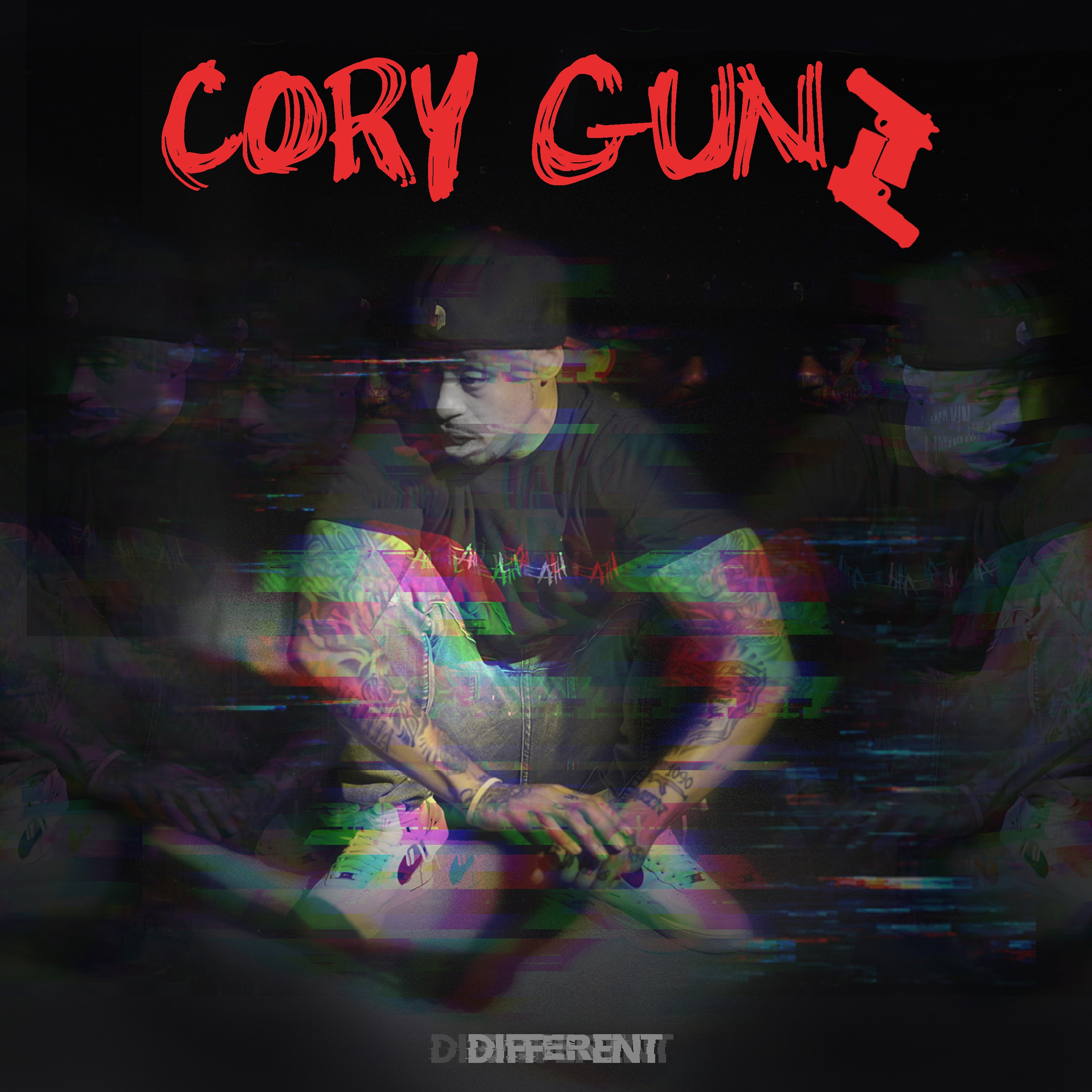
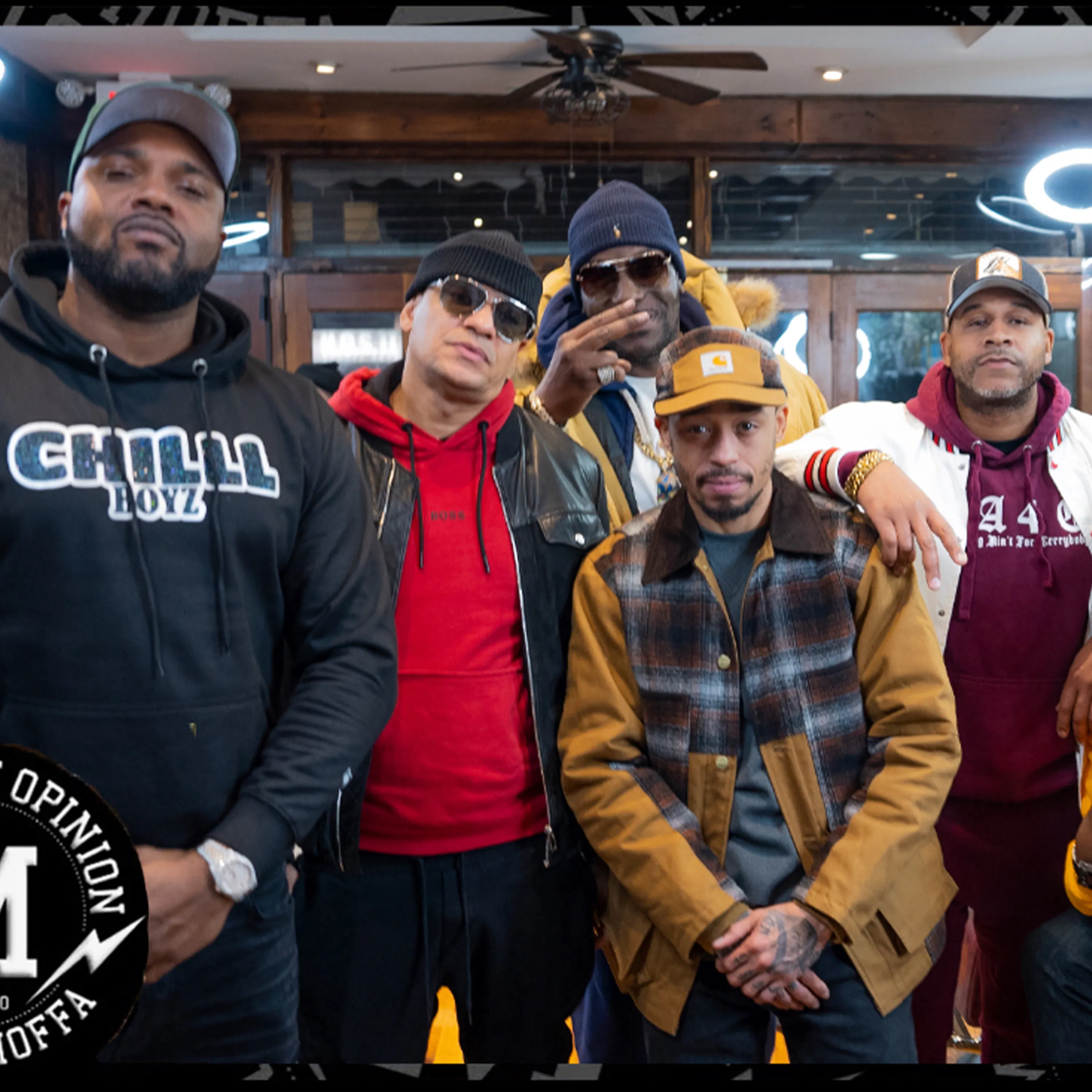
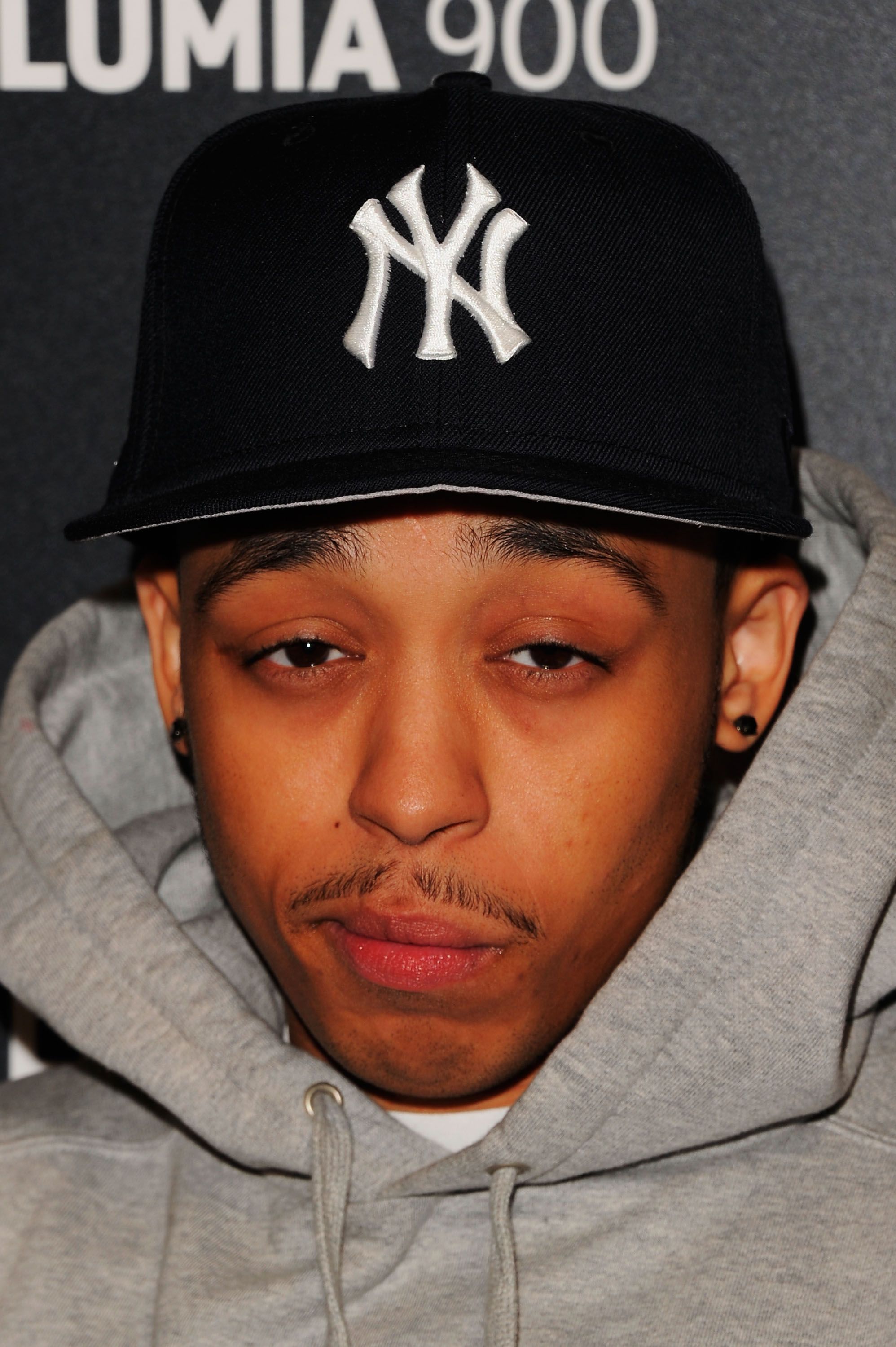
What Happened to Cory Gunz? The Full Career Retrospective and Current Status
Cory Gunz, the lyrical prodigy behind the iconic verse on Lil Wayne’s "6 Foot 7 Foot," saw his mainstream momentum stall due to a 2012 weapons charge and systemic delays at Young Money Entertainment. As of 2026, he remains a respected...
Cory Gunz, the lyrical prodigy behind the iconic verse on Lil Wayne’s "6 Foot 7 Foot," saw his mainstream momentum stall due to a 2012 weapons charge and systemic delays at Young Money Entertainment. As of 2026, he remains a respected underground lyricist, frequently collaborating with veteran artists while releasing independent projects.
Contents
The story of Peter Cory Pankey Jr., known to the world as Cory Gunz, is one of the most cited examples of "label limbo" in hip-hop history. To understand what happened to his career, one must look past the surface-level "one-hit-wonder" narrative. Gunz was never a one-hit-wonder; he was a "can't-miss" prospect who encountered a perfect storm of legal hurdles, industry restructuring, and the complex internal politics of one of the most successful record labels in music history.
The Blueprint of a Lyrical Prodigy
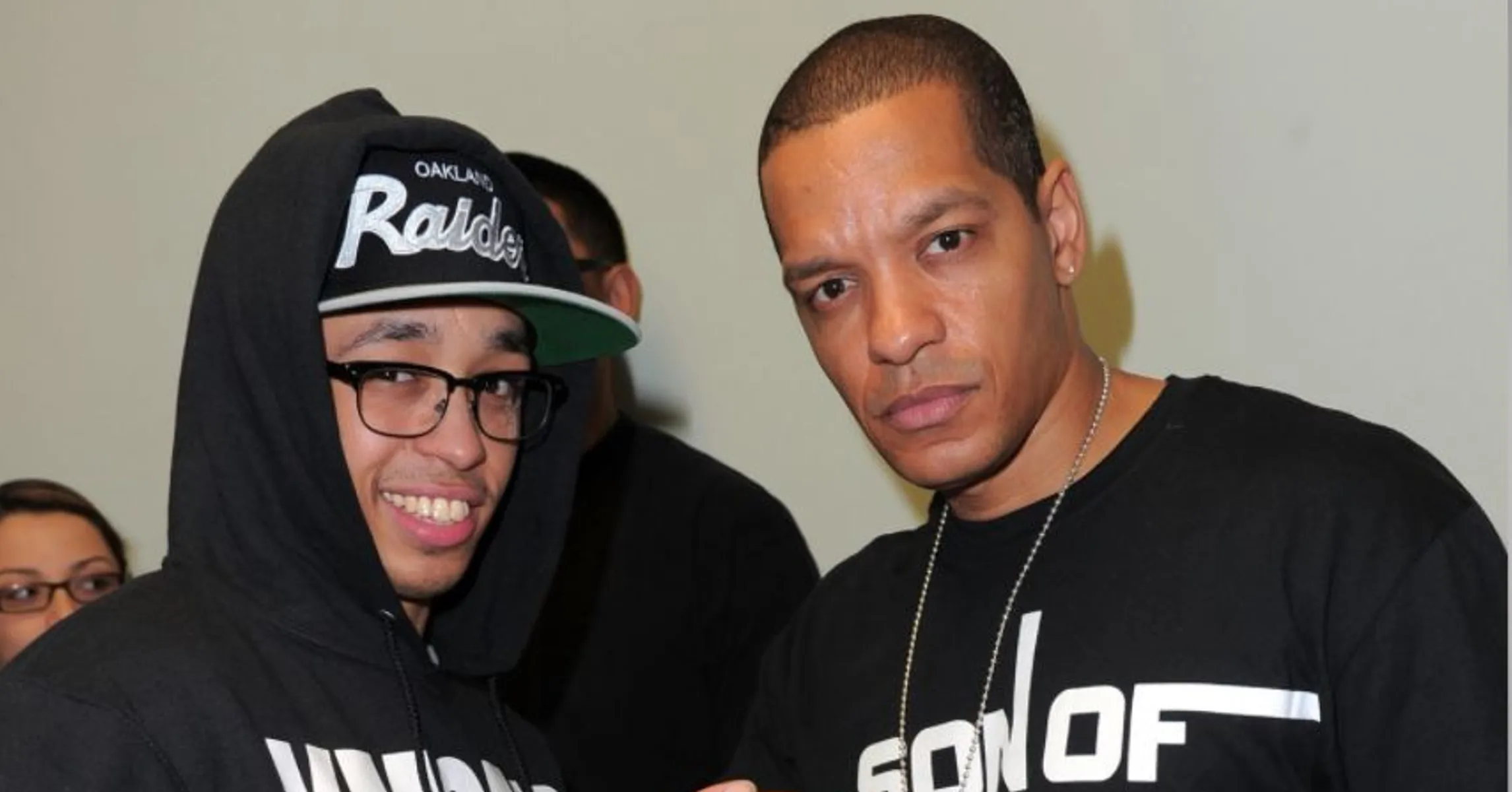
Long before he was a household name, Cory Gunz was hip-hop royalty by blood. As the son of Peter Gunz—one half of the duo Lord Tariq & Peter Gunz, famous for "Deja Vu (Uptown Baby)"—Cory was raised in the epicenter of New York’s rap culture. His talent was evident from an early age, characterized by a rapid-fire delivery, intricate internal rhyme schemes, and a technical proficiency that earned him comparisons to greats like Big L and Twista.
By the mid-2000s, Gunz was a mixtape circuit staple. He was signed to Tommy Boy Records at age 14, then moved to a joint venture with Def Jam. It was during this period that Jay-Z famously took an interest in him, signaling to the industry that Cory was the "next big thing" coming out of the Bronx. However, the shifting landscape of the music industry—specifically the transition from physical sales to the digital wild west—meant that his debut album was perpetually delayed.
The "6 Foot 7 Foot" Explosion and Young Money Peak
The turning point for Cory Gunz came in late 2010. Lil Wayne, fresh out of Rikers Island and looking to reclaim his throne as the king of rap, released "6 Foot 7 Foot." The track served as the lead single for Tha Carter IV. Rather than featuring a global superstar like Drake or Nicki Minaj, Wayne chose Cory Gunz to close out the track.
The impact was immediate. Gunz’s verse was a masterclass in "double-time" rapping, and for a moment, he was the most talked-about artist in the genre. This led to his starring role in the MTV reality series Son of a Gun, which documented his journey as he navigated his new contract with Young Money Entertainment under the mentorship of Nick Cannon and Lil Wayne. The show was intended to be the launchpad for his debut studio album, but external forces were already beginning to converge against him.
The 2012 Legal Turning Point
Just as his mainstream visibility reached its zenith, Cory Gunz faced a catastrophic legal setback. In January 2012, he was arrested in the Bronx for possession of a loaded 9mm handgun. Because New York has some of the strictest firearm laws in the United States, Gunz faced a mandatory minimum sentence.
While he eventually avoided a lengthy prison term through a plea deal that resulted in probation, the arrest had a chilling effect on his career. In the music industry, particularly for major labels, an artist with ongoing legal issues and travel restrictions is a high-risk investment. The momentum from "6 Foot 7 Foot" and the MTV series began to evaporate as Gunz was forced to focus on his legal defense and complying with the terms of his probation rather than touring and promotion.
| Period | Career Phase | Key Developments | Primary Focus |
|---|---|---|---|
| 2004–2009 | The Prodigy Era | Signed to Tommy Boy, then Def Jam; Mixtape dominance. | Developing lyrical style; Industry networking. |
| 2010–2011 | The Young Money Peak | Feature on "6 Foot 7 Foot"; Son of a Gun on MTV. | Mainstream crossover; Commercial visibility. |
| 2012–2015 | Legal & Label Limbo | Bronx weapons arrest; Young Money/Cash Money internal lawsuits. | Legal defense; Navigating contract freezes. |
| 2016–2022 | Underground Resurgence | Releases like Kriminal Minded; Consistent guest verses. | Maintaining "lyricist's lyricist" status. |
| 2023–2026 | Legacy & Independence | Veteran collaborations; High-level independent releases. | Mentorship; Pure technical craftsmanship. |
The Young Money-Cash Money Civil War
The legal issues were only half of the problem. During the mid-2010s, Young Money Entertainment—and its parent company, Cash Money Records—entered a period of unprecedented internal turmoil. Lil Wayne became embroiled in a massive legal battle with Birdman over unpaid royalties and the release of Tha Carter V.
This "civil war" effectively froze the careers of many artists on the roster who weren't already established superstars like Drake or Nicki Minaj. As a developing artist, Cory Gunz found himself in a position where he could not release music through his label, yet was contractually prohibited from releasing it elsewhere. This "label limbo" lasted for years, during which time the hip-hop soundscape shifted toward "mumble rap" and melodic trap, leaving Gunz’s high-speed lyrical style feeling like a relic to some younger listeners, while he remained a hero to traditionalists.
Technical Depth: The "Shelf" Phenomenon
In the music industry, what happened to Cory Gunz is often referred to as being "put on the shelf." This occurs when a label owns an artist's recording rights but chooses not to allocate the budget for marketing, distribution, or manufacturing. For Gunz, the shelf was particularly high. Because he was signed during an era of high-budget music videos and massive radio pushes, his "worth" in the eyes of a major label was tied to his ability to produce another hit on the level of "6 Foot 7 Foot."
When his subsequent singles didn't achieve immediate viral success, the label's attention shifted to newer, less legally-encumbered prospects. This is a common pitfall for "lyrical" rappers in the streaming era, where quantity often takes precedence over the technical quality that Gunz was known for.
Cory Gunz in 2026: An Independent Resurgence
As we look at Cory Gunz in 2026, he has successfully transitioned from a "star-in-waiting" to a respected veteran of the craft. Having moved past his legal troubles and the constraints of his early Young Money contract, he has embraced the independent model that has served many of his peers well.
His recent work focuses on high-level collaborations with other elite lyricists. He is frequently seen on projects with the Griselda collective, Conway the Machine, and Benny the Butcher—artists who value the "street-rap" and "boom-bap" aesthetics that Gunz excels in. While he may not be topping the Billboard Hot 100, his "per-verse" value remains incredibly high among hip-hop purists. He has leveraged his 2026 status to mentor younger artists from the Bronx, ensuring that the technical side of the genre survives the ever-changing trends of the industry.
Frequently Asked Questions
Is Cory Gunz still signed to Young Money?
While the peak era of Young Money has passed, Cory Gunz maintained a long-standing relationship with Lil Wayne. However, as of 2026, he operates primarily through his own independent channels and collaborative partnerships. The restrictive "limbo" of the mid-2010s was eventually resolved through legal settlements and the restructuring of Cash Money Records.
Why didn't Cory Gunz ever release a major solo debut album?
A combination of factors led to the lack of a major-label debut. These included his 2012 weapons arrest, which limited his mobility, and the internal legal battles between Lil Wayne and Birdman, which effectively stopped the release of music for several years for the entire Young Money roster.
Who is Cory Gunz’s father?
Cory Gunz is the son of Peter Gunz (Peter Pankey), a legendary New York rapper known for the hit song "Deja Vu (Uptown Baby)" as part of the duo Lord Tariq & Peter Gunz. Peter Gunz later became a well-known figure on the reality TV show Love & Hip Hop.
Was Cory Gunz ever in jail?
Following his 2012 arrest in the Bronx for possession of a loaded firearm, Gunz faced a potential prison sentence of up to three and a half years. However, he ultimately received a plea deal that granted him probation, allowing him to stay out of prison but placing significant restrictions on his career and travel during a critical growth period.
What is Cory Gunz doing now?
In 2026, Cory Gunz is active in the independent hip-hop scene. He releases solo EPs, participates in high-level rap battles, and provides guest verses for top-tier lyricists. He is regarded as one of the most technically gifted rappers of his generation, focusing on artistry over commercial chart-topping.
Practical Recommendation for Fans
For those looking to catch up on what they missed, the best way to support Cory Gunz in 2026 is to look toward independent streaming platforms and his official social media channels. Rather than waiting for a major label "comeback" that fits the 2011 mold, fans should explore his mixtape catalog, specifically the Kriminal Minded series, which showcases his evolution as a storyteller. Supporting his independent releases directly ensures that one of the Bronx's most gifted voices can continue to produce music without the interference of major label politics.
Image Gallery