Navigating Services at the East Baton Rouge Health Unit
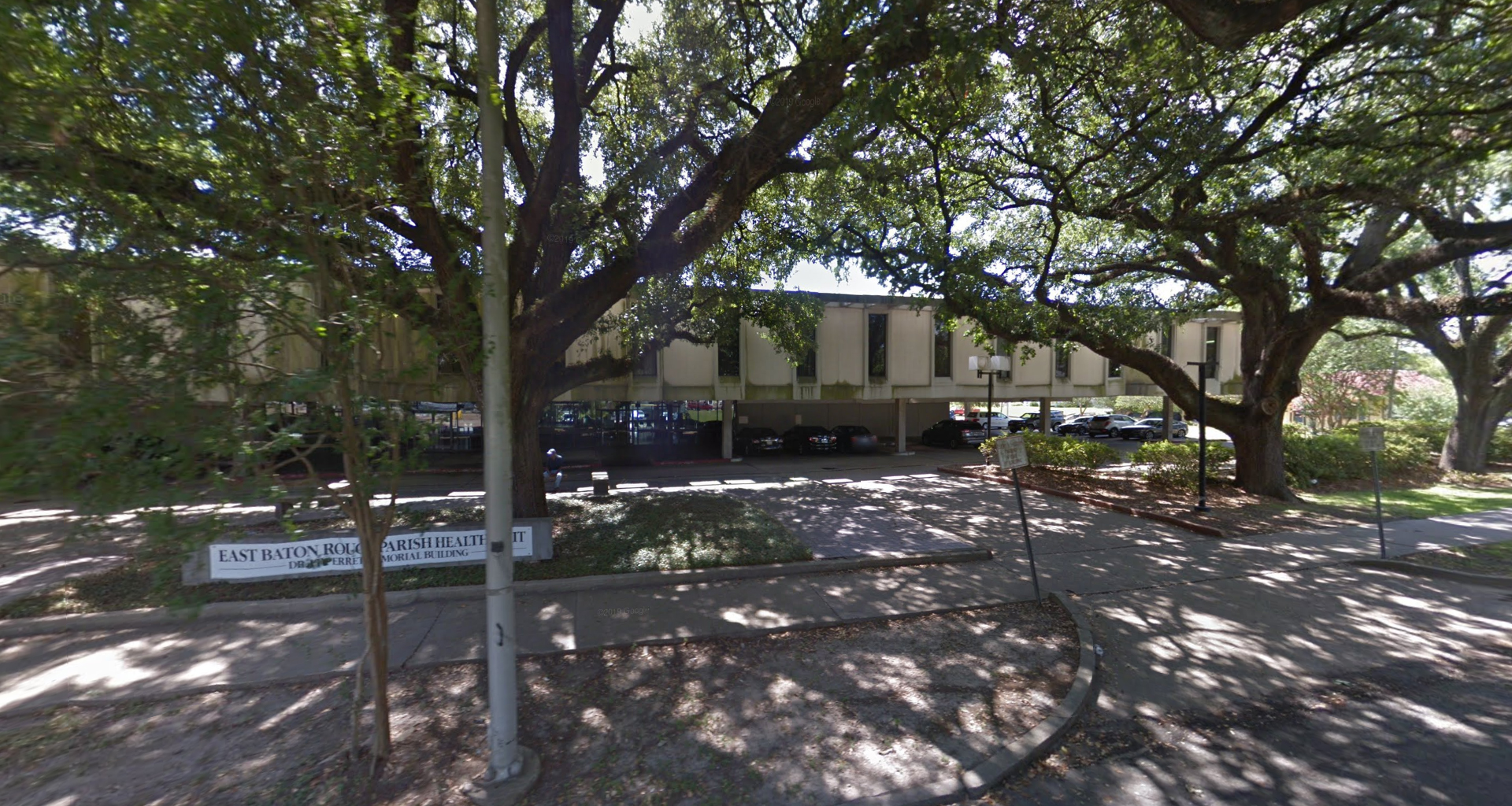
The East Baton Rouge Health Unit provides essential public health services, clinical care, immunizations, and environmental oversight to residents of East Baton Rouge Parish. Operated primarily through the partnership of the Louisiana...
The East Baton Rouge Health Unit provides essential public health services, clinical care, immunizations, and environmental oversight to residents of East Baton Rouge Parish. Operated primarily through the partnership of the Louisiana Department of Health and local public health infrastructure, the unit serves as a core resource for community wellness, disease prevention, and regulatory health compliance.
Contents
Understanding the East Baton Rouge Health Unit and Public Health Infrastructure
Public health infrastructure in Louisiana relies heavily on a state-local partnership. The East Baton Rouge Health Unit functions as a localized branch of the Office of Public Health (OPH), which operates under the broader umbrella of the Louisiana Department of Health (LDH). Rather than acting as a traditional hospital or private medical clinic, the health unit focuses on population-level prevention, epidemiological tracking, mandated immunizations, and community health education.
Residents typically turn to the health unit for preventative care that may not be readily accessible through private providers, particularly for uninsured or underinsured populations. The scope of services ranges from reproductive health counseling and tuberculosis monitoring to restaurant inspections and vital records issuance. Understanding how these services are categorized helps residents navigate the facility efficiently and ensures they bring the correct documentation for their specific needs.
The Role of the Office of Public Health Region 2
East Baton Rouge Parish falls within Region 2 of the Louisiana Office of Public Health. This regional administrative structure coordinates public health delivery across several neighboring parishes, pooling resources for emergency preparedness, environmental epidemiology, and infectious disease control.
When public health emergencies arise—such as severe weather events, water quality advisories, or outbreaks of vaccine-preventable diseases—the East Baton Rouge Health Unit serves as the operational frontline. Staff coordinate distribution points for emergency medical countermeasures, disseminate safety guidelines to the public, and liaise with local municipal governments to protect community health.
Core Clinical and Preventative Services Offered
The clinical division of the East Baton Rouge Health Unit provides targeted medical interventions aimed at preventing the spread of communicable diseases and safeguarding maternal and child health. While appointments are recommended for most services, some walk-in options may be available depending on daily capacity and staffing.
Immunizations and Vaccine Programs
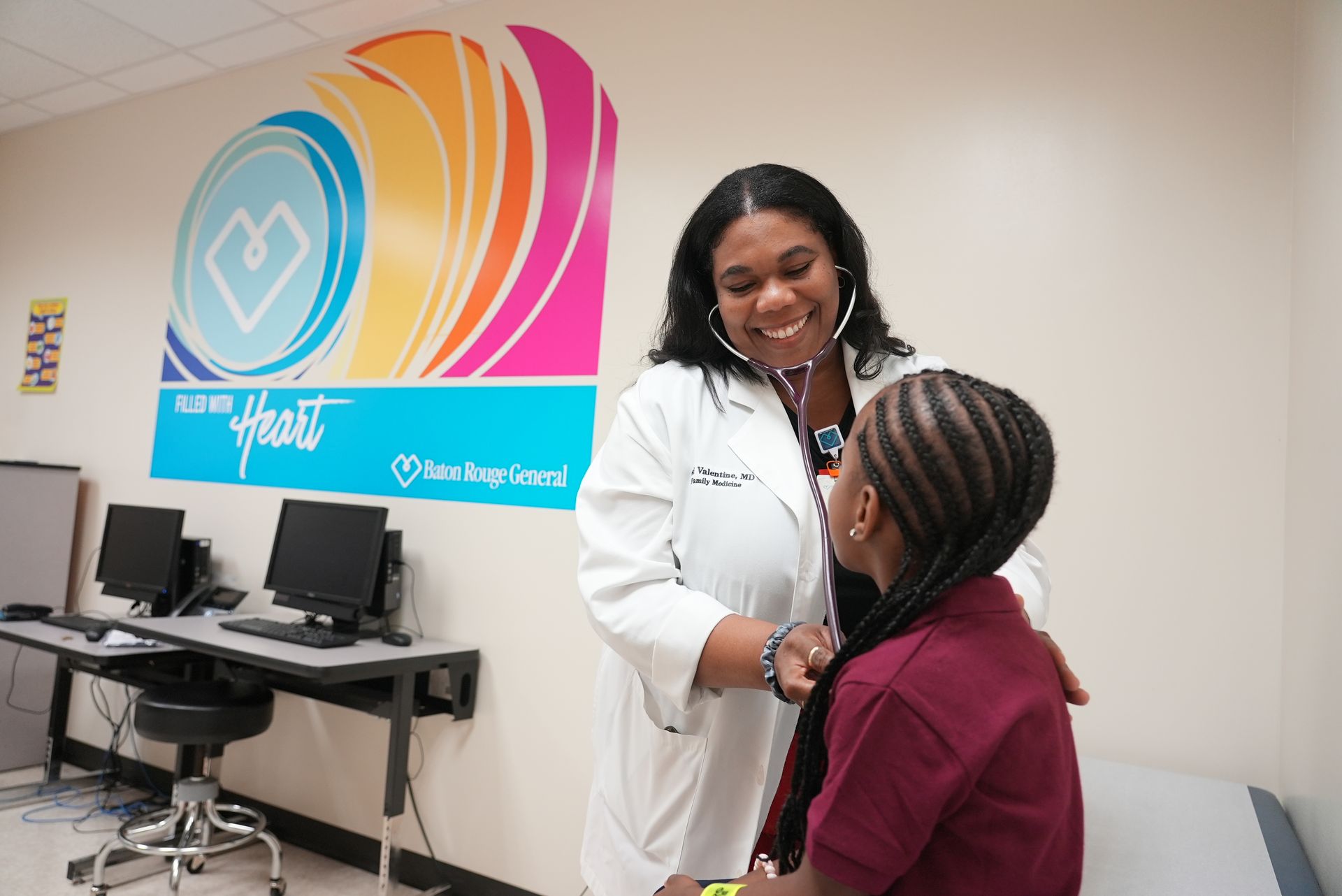
Vaccination is one of the primary pillars of the health unit's preventative mandate. The facility administers childhood immunizations required for school entry under Louisiana law, as well as adult vaccines recommended by the Centers for Disease Control and Prevention (CDC).
- Childhood Vaccines: Protects against measles, mumps, rubella, polio, diphtheria, tetanus, pertussis, and varicella, aligning with the Louisiana Department of Education school attendance mandates.
- Adult Immunizations: Offers seasonal influenza vaccines, tetanus-diphtheria-pertussis (Tdap) boosters, hepatitis A and B series, and pneumococcal vaccines.
- Travel and Specialty Vaccines: Availability varies based on current supply and regional demand. Residents planning international travel should contact the unit well in advance to verify stock.
Maternal, Infant, and Child Health Programs
Supporting healthy families is a major focus of parish health units. Programs are designed to reduce infant mortality, promote proper nutrition during critical developmental windows, and provide early health screenings.
- WIC Services: The Special Supplemental Nutrition Program for Women, Infants, and Children (WIC) provides nutritional counseling, breastfeeding support, and vouchers for healthy foods to pregnant women, new mothers, and children up to age five who meet income guidelines.
- Family Planning: Offers confidential reproductive health counseling, contraceptive prescriptions and devices, and screenings for sexually transmitted infections (STIs) to promote reproductive autonomy and reduce unintended pregnancies.
Environmental Health and Regulatory Oversight
Beyond clinical care, the East Baton Rouge Health Unit houses or coordinates closely with environmental health sanitarians who protect the public from biological and chemical hazards in the built environment. This division operates through regulatory frameworks established by state sanitary codes.
Food Safety and Establishment Inspections
Sanitarians from the Louisiana Department of Health inspect commercial food establishments within East Baton Rouge Parish to ensure compliance with state health codes. These inspections cover restaurants, grocery stores, mobile food units, schools, and temporary food service operations at community festivals.
- Routine Inspections: Conducted unannounced to evaluate food storage temperatures, employee hygiene, sanitation practices, and pest control measures.
- Consumer Complaints: Investigates reports of suspected foodborne illness or unsanitary conditions submitted by the public. Inspection reports are generally a matter of public record and can be reviewed by concerned citizens.
Environmental Inspections and Permitting
In addition to food safety, environmental sanitarians review plans and issue permits for various community infrastructure elements that impact public health.
- Onsite Wastewater Systems: Evaluates soil conditions and inspects private septic systems for residential properties not connected to municipal sewer lines.
- Institutional Facilities: Inspects daycare centers, tattoo parlors, and public swimming pools to ensure compliance with safety and sanitation standards.
Vital Records and Documentation Services
Obtaining legal documentation of life events is another critical function associated with public health offices in Louisiana, though specific services may be managed in coordination with vital records registries.
Birth and Death Certificates
While certified copies of birth and death certificates can often be ordered online or through designated state vital records offices, local health units frequently provide guidance on how families can secure these documents. Birth certificates are required for school registration, passport applications, and employment verification. Death certificates are necessary for estate settlement, insurance claims, and funeral arrangements.
- Eligibility Restrictions: Vital records are confidential in Louisiana. Certified copies are restricted to the person named on the document, immediate family members (parents, spouses, children, siblings) with proper identification, or legal representatives possessing documented authority.
- Fees and Processing: State-mandated fees apply to all vital record requests, and processing times vary depending on whether the request is made in person or through mail-in or online portals.
Summary of Services and Operational Requirements
| Service Category | Primary Focus | Target Audience | Key Requirements / Documentation |
|---|---|---|---|
| Immunizations | Disease prevention and school mandate compliance | Children and adults | Shot records, photo ID, insurance card if applicable |
| WIC Nutrition | Nutritional support and education | Pregnant women, infants, children under 5 | Proof of identity, proof of residency, proof of income |
| Environmental Health | Food safety, sanitation, and facility permitting | Local businesses and the general public | Completed applications, plan reviews, permit fees |
| Family Planning | Reproductive health and STI testing | Adolescents and adults | Photo ID, sliding-scale fee documentation |
Preparing for Your Visit: Requirements, Fees, and Accessibility
Visiting the East Baton Rouge Health Unit requires some preparation to ensure a smooth experience. Because public health clinics often experience high demand, understanding administrative protocols helps minimize wait times and prevents wasted trips.
Documentation to Bring
Regardless of the specific service needed, patients and visitors should generally bring the following items:
- Valid Government-Issued Photo ID: Driver's license, state ID card, passport, or military ID.
- Insurance Information: Medicaid, Medicare, or private health insurance cards. Even if a service is provided on a sliding-scale fee, clinics often bill insurance when applicable to help sustain public health programming.
- Previous Health Records: Immunization booklets, developmental milestone logs for children, or relevant medical referral notes.
- Proof of Income (if applicable): For income-based sliding-scale programs like WIC or certain family planning services, recent pay stubs, tax returns, or proof of government assistance programs (such as SNAP) may be required.
Cost Structure and Payment Policies
Public health services are structured to be accessible to all community members, regardless of their financial situation. Many preventative services are provided free of charge or on a sliding fee scale based on household size and income. No one is typically turned away from essential immunizations or communicable disease evaluations due to an inability to pay, though voluntary donations or nominal administrative fees may be requested.
Frequently Asked Questions
Do I need an appointment to visit the East Baton Rouge Health Unit?
While some services accommodate walk-ins, scheduling an appointment in advance is strongly recommended for clinical care, immunizations, and WIC consultations. Calling ahead confirms current daily availability, verifies documentation requirements, and reduces wait times.
Are vaccines free at the parish health unit?
Many childhood vaccines are provided at low or no cost through programs like Vaccines for Children (VFC), though an administration fee may apply. Adult vaccine costs vary depending on the specific immunization, vaccine supply, and the patient's insurance coverage. Staff can provide specific pricing information prior to administration.
How can I file a complaint about a restaurant in East Baton Rouge Parish?
Residents can report suspected food safety violations, unsanitary conditions, or foodborne illnesses by contacting the environmental health division of the local health unit or submitting a complaint through the Louisiana Department of Health website. Sanitarians will investigate valid complaints and take appropriate regulatory action.
Can I get a birth certificate directly at the health unit office?
While vital records services are closely tied to public health administration, certified copies of Louisiana birth and death certificates are typically obtained through the Louisiana Vital Records Registry. Residents should check current local office availability, as some parishes handle vital records through dedicated vital statistics windows while others direct clients to online or mail-in state portals.
What insurance plans does the health unit accept?
The East Baton Rouge Health Unit generally accepts Louisiana Medicaid, Medicare, and various commercial health insurance plans. Patients should bring their current insurance card at the time of their visit so staff can verify coverage and process billing correctly. Uninsured individuals can still receive services under sliding-scale guidelines.
Next Actions and Further Resources
Residents seeking to schedule an appointment, verify operating hours, or check specific vaccine availability should contact the East Baton Rouge Health Unit directly or visit the official Louisiana Department of Health website. For environmental health concerns, food safety inquiries, or emergency public health updates, consulting the regional Office of Public Health portal ensures access to the most current, verified guidance.
Image Gallery