High-Resolution Tangled Screencaps: The 2026 Guide for Digital Artists and Archivists
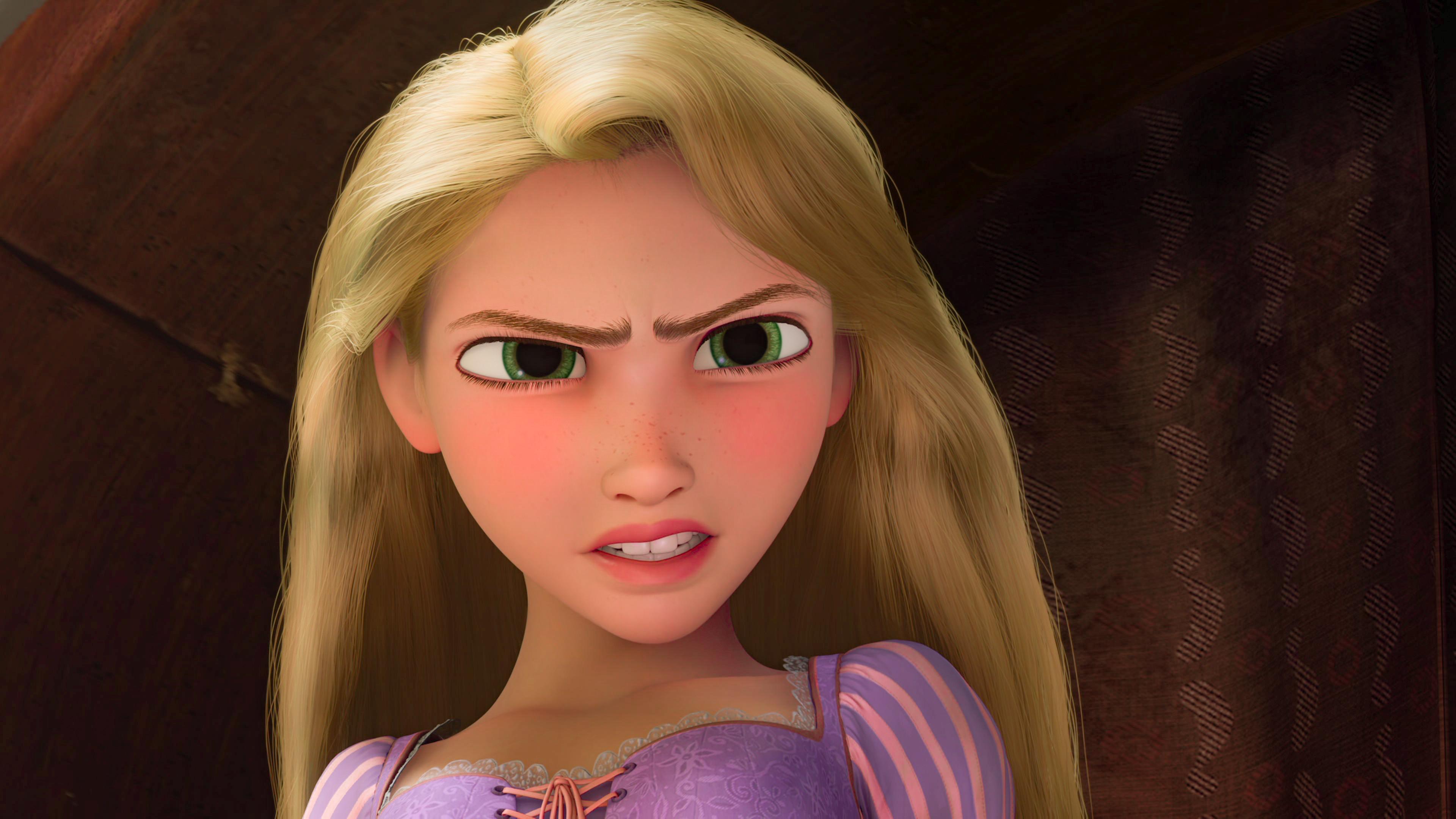
Tangled screencaps are high-quality still images captured directly from Disney’s 2010 animated feature film. In 2026, the highest fidelity captures are sourced from 4K Ultra HD Blu-ray or IMAX Enhanced digital masters, offering 3840x21...
Tangled screencaps are high-quality still images captured directly from Disney’s 2010 animated feature film. In 2026, the highest fidelity captures are sourced from 4K Ultra HD Blu-ray or IMAX Enhanced digital masters, offering 3840x2160 resolution. These frames serve as essential references for digital painters, character designers, and fan-site archivists who require precise color accuracy and detail.
Contents
Technical Standards for Tangled Media in 2026
As we move further into the 2020s, the technical requirements for what constitutes a "high-quality" screencap have shifted. While 1080p was once the industry standard, the 2026 landscape demands 4K resolution with high dynamic range (HDR) metadata to truly capture the complexity of the film's rendering.
Tangled was a milestone in animation for its unique "painterly" aesthetic, which sought to bridge the gap between traditional 2D hand-drawn animation and 3D CGI. To appreciate this in a screencap, one must understand the specific technical benchmarks of the source material.
Resolution and Pixel Density
High-resolution captures are categorized by their vertical pixel count. For professional-grade references, the following standards are utilized:
- 4K UHD (2160p): The current gold standard, providing four times the detail of standard HD. This is necessary for analyzing the individual strands of Rapunzel’s hair or the intricate textures of the Kingdom of Corona.
- Full HD (1080p): Sufficient for general social media sharing and mobile wallpapers, but often lacks the fine-grain detail required for canvas printing.
- IMAX Enhanced: Found on select streaming platforms in 2026, these captures offer an expanded aspect ratio, providing more vertical image data than the standard widescreen theatrical release.
Color Depth and HDR10 Compliance
The vibrant color palette of Tangled, characterized by its deep purples, golden yellows, and lush greens, requires 10-bit color depth. Standard 8-bit JPEGs often suffer from "banding" in the sky gradients or glow effects around the floating lanterns. Professional archivists in 2026 prioritize 10-bit PNG or TIFF formats to preserve the Rec. 2020 color gamut found in HDR masters.
The Evolution of Tangled Screencapping Formats
The quality of available screencaps has evolved significantly since the film's initial release. Tracking these changes is vital for collectors who want the most "color-accurate" version of Rapunzel and Flynn Rider's journey.
| Media Format | Resolution | Color Space | Best Use Case |
|---|---|---|---|
| DVD (2011) | 480p | Rec. 601 | Legacy archiving only; high compression artifacts. |
| Blu-ray (Original) | 1080p | Rec. 709 | Standard fan art and basic reference. |
| Disney+ (Standard) | 1080p/4K | Rec. 709/BT.2020 | Quick access, but subject to bit-rate throttling. |
| 4K UHD Blu-ray | 2160p | BT.2020 (HDR10) | Professional archival and high-end digital painting. |
| 2026 Anniversary Master | 2160p+ | Dolby Vision P5 | Maximum fidelity; captures peak luminance of lanterns. |
Advanced Capturing Techniques for Digital Reference
Obtaining a perfect screencap is more complex than simply pressing a "Print Screen" button. In 2026, specialized software is used to bypass HDCP (High-bandwidth Digital Content Protection) for legitimate archival purposes and to ensure that the HDR-to-SDR tone mapping is handled correctly.
Expert Insight on Tone Mapping
When capturing from an HDR source like the 4K UHD disc, the raw image may appear washed out on a standard monitor. To fix this, you must apply a LUT (Look-Up Table) or use a player like MPC-HC with MadVR to correctly map the 1,000-nit highlights back to a viewable range. This is crucial for artists who need to sample colors directly from the image.
Essential Tools for High-Quality Capture
To extract the best possible frames in 2026, the following workflow is recommended:
- Media Player: Use professional-grade software that supports frame-accurate seeking and lossless frame extraction.
- File Format: Always save captures as PNG to avoid the compression artifacts inherent in JPEG.
- De-Interlacing: Ensure that the playback engine is not applying any temporal smoothing or motion interpolation, which can blur the fine "brushstroke" textures of the film’s background art.
Analyzing the Painterly Aesthetic through Screencaps
The primary reason Tangled screencaps remain popular sixteen years after the film’s release is the "Global Illumination" technology used during production. This tech allowed light to bounce off surfaces, giving the characters a soft, glowy appearance reminiscent of oil paintings.
By examining high-resolution stills, artists can study:
- Subsurface Scattering: Notice how light passes through Rapunzel’s skin, particularly in the ears and fingers, creating a warm reddish glow.
- Hair Rendering: Tangled famously utilized a proprietary software called Dynamic Wires. A 4K screencap reveals that the hair is not just a mass of gold but thousands of individual, light-reacting cylinders.
- Environment Art: The kingdom's architecture was inspired by Disneyland’s Fantasyland. High-res captures allow for the study of the "wonky" proportions and hand-painted textures of the buildings.
Legal and Ethical Usage of Disney Screencaps
While screencapping is a staple of the fandom, it is important to navigate the legal landscape of 2026. Disney’s intellectual property remains protected, and the use of these images generally falls under "Fair Use" for transformative works, education, or critique.
Guidelines for Ethical Sharing
Credit the original studio and artists whenever possible. Avoid using screencaps for commercial products (like selling t-shirts or posters) as this violates copyright law. For fan sites, providing "Textless" captures (frames without subtitles or watermarks) is the standard courtesy.
Common Challenges and Troubleshooting in 2026
Even with modern technology, several issues can degrade the quality of your Tangled gallery.
- Artifacting in Dark Scenes: Scenes like the "Snuggly Duckling" interior or the cave flood can exhibit "macroblocking" if the source bit-rate is too low. Always use physical media (4K Disc) over streaming for these specific frames.
- Incorrect Aspect Ratio: Some older digital copies may be slightly cropped. Ensure your capture is in the native 1.85:1 theatrical aspect ratio to avoid losing peripheral art.
- Color Shift: Different releases (2011 vs. 2026) may have slightly different color timings. If the "healing incantation" glow looks too green or too blue, check your monitor’s calibration settings.
Frequently Asked Questions
Where is the best place to find Tangled screencaps for free?
High-quality fan-run archives like Animation Screencaps or specialized Disney fan-wikis are the most reliable sources. These sites typically provide frame-by-frame galleries in 1080p or 4K, organized by scene, which saves users the time of extracting images themselves.
Can I use these screencaps for my YouTube video or stream?
Yes, under Fair Use guidelines, you can use movie stills for commentary, criticism, or educational purposes. However, in 2026, automated Content ID systems are more sensitive to high-resolution imagery, so ensure your use is truly transformative.
What is a "Textless" screencap?
A textless screencap is a frame that contains no subtitles, watermarks, or promotional logos. These are highly sought after for use as desktop wallpapers or for creating "clean" fan edits and graphic designs.
Why do some screencaps look "grainy" on a 4K monitor?
Disney’s Tangled was rendered digitally, so it does not have traditional film grain. If you see "grain," it is likely "noise" from a low-bitrate streaming source or a sharpening filter applied by your media player. Using a high-bitrate 4K source will eliminate this.
How many frames are in the entire Tangled movie?
At a standard cinematic frame rate of 24 frames per second and a runtime of 100 minutes, there are approximately 144,000 individual frames. Comprehensive archives usually select the "key" frames (around 5,000 to 10,000) to represent the best of the cinematography.
Conclusion and Future of Media Archiving
As we look toward the future of animation archiving, the demand for high-fidelity "Tangled" screencaps continues to grow among the artistic community. Whether you are using these images to study Glen Keane’s character appeal or simply to enjoy the lighting of the lantern scene, ensuring you have the correct technical setup is paramount. For the best results in 2026, stick to 4K physical media sources and lossless PNG formats to preserve the magic of Disney’s 50th animated feature.
Image Gallery