Betterment Robo Investing Overview: Understanding Automated Portfolio Management
Betterment is a financial technology company operating as a digital investment advisor, commonly known as a "robo-advisor." It automates the process of building and managing a diversified investment portfolio based on a client’s specif...
Betterment is a financial technology company operating as a digital investment advisor, commonly known as a "robo-advisor." It automates the process of building and managing a diversified investment portfolio based on a client’s specific financial goals, time horizon, and personal risk tolerance. By utilizing algorithmic strategies, Betterment aims to provide professional-grade wealth management services—such as automated rebalancing and tax-loss harvesting—at a lower cost and with greater accessibility than traditional human-led advisory firms.
Contents
How Betterment’s Automated Investing Works
The core functionality of Betterment relies on Modern Portfolio Theory (MPT), an investment framework that seeks to maximize returns for a given level of risk by diversifying assets. When a user opens an account, they provide information regarding their age, income, financial goals, and comfort with market volatility.
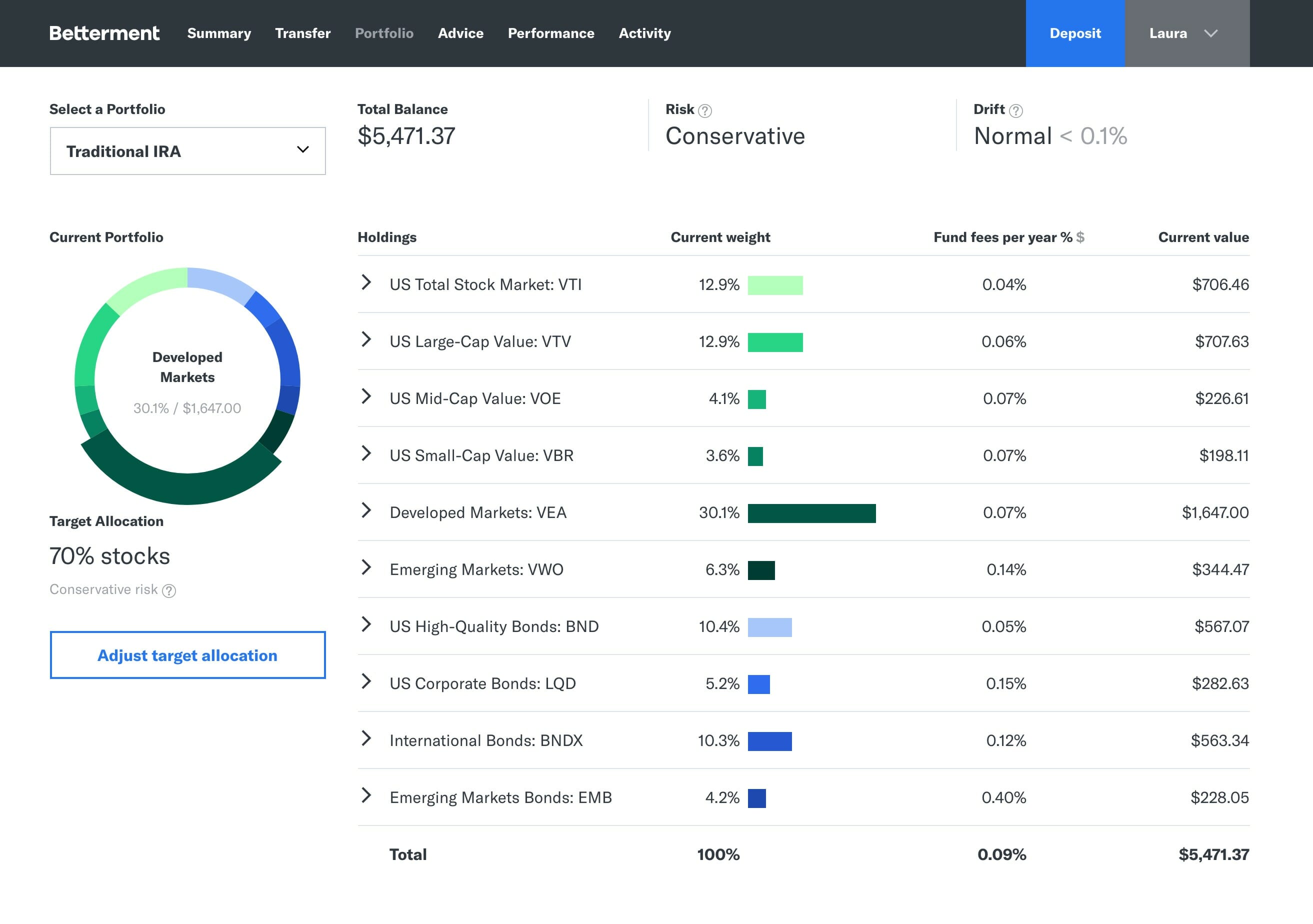
Betterment’s algorithm then maps these inputs to a portfolio composed primarily of low-cost Exchange-Traded Funds (ETFs). These ETFs represent various asset classes, such as domestic and international stocks, as well as bonds. The robo-advisor then monitors these allocations continuously. If market fluctuations cause a portfolio to drift away from the target allocation, the system automatically triggers a trade to bring the assets back into balance. This automation removes the emotional bias that often leads individual investors to buy or sell at suboptimal times.
Core Features and Investment Methodology
To distinguish itself in the financial services market, Betterment offers a suite of automated features designed to optimize long-term outcomes for taxable accounts and retirement vehicles.
Tax-Loss Harvesting
One of Betterment’s most significant value propositions is its automated tax-loss harvesting. In a taxable brokerage account, this process involves selling securities that have declined in value to realize a loss, which can then be used to offset capital gains or reduce ordinary income by up to $3,000 annually. The algorithm immediately replaces the sold security with a similar asset to maintain the investor’s market exposure, ensuring the portfolio remains aligned with the intended strategy while minimizing the tax bill.
Goal-Based Investing
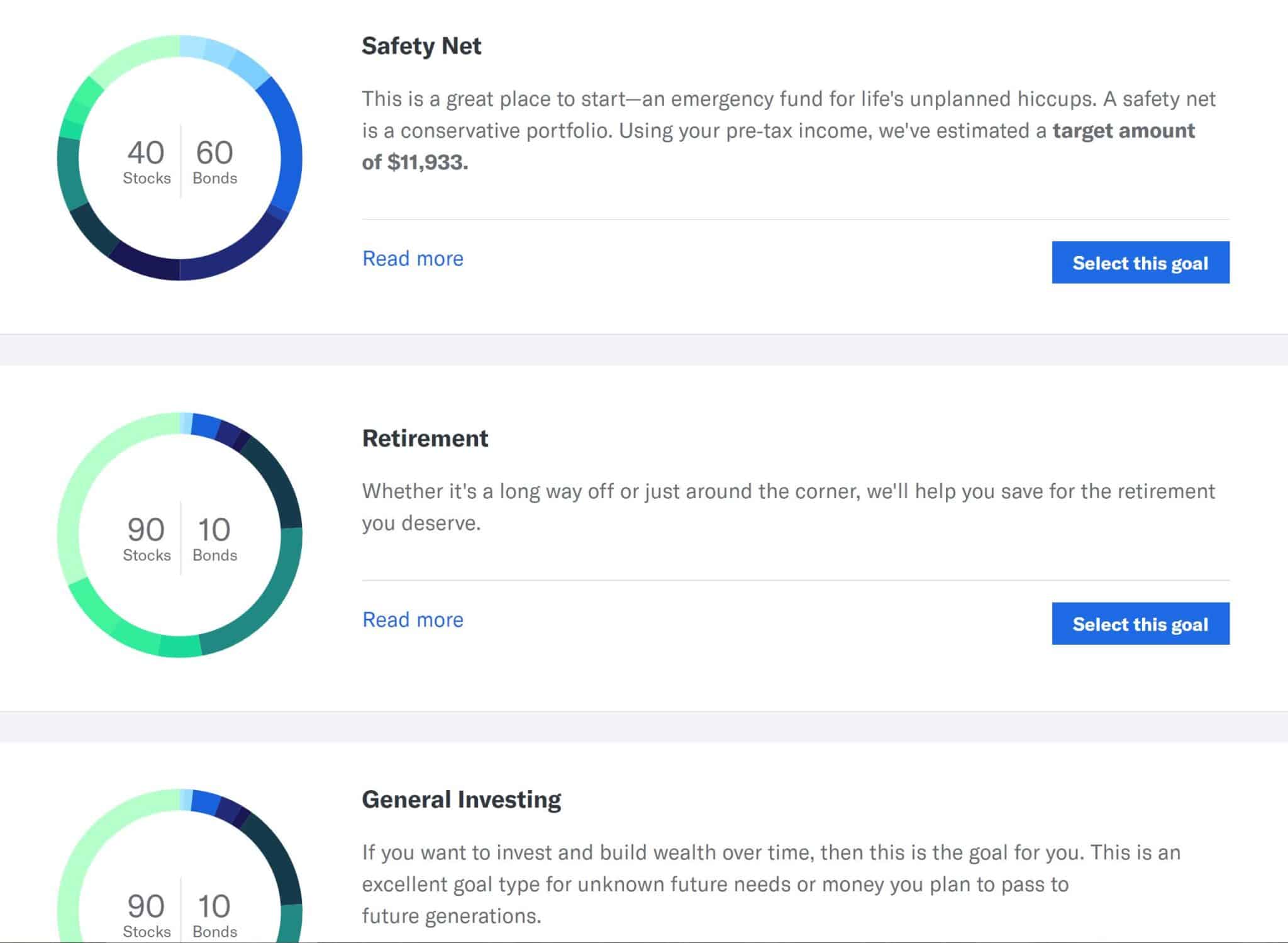
Unlike traditional brokerages that often present all assets in a single, monolithic account, Betterment allows users to segment their money into different "goals." For example, a user might have a "Retirement" goal with a high-risk equity allocation and a "House Down Payment" goal with a more conservative, bond-heavy allocation. The platform adjusts the risk profile of each goal independently based on the user's target date for that specific objective.
Personalized Portfolio Options
While Betterment’s "Core" portfolio is the standard offering, the platform has expanded to include specialized portfolios for investors with specific values or market views. These include:
- Socially Responsible Investing (SRI): Portfolios that emphasize companies with positive social, environmental, and governance ratings.
- Innovative Technology: Portfolios that provide concentrated exposure to sectors like robotics, clean energy, and cybersecurity.
- Income Portfolio: Designed for investors seeking more consistent yield through higher allocations to bonds and dividend-paying stocks.
Fee Structure and Account Requirements
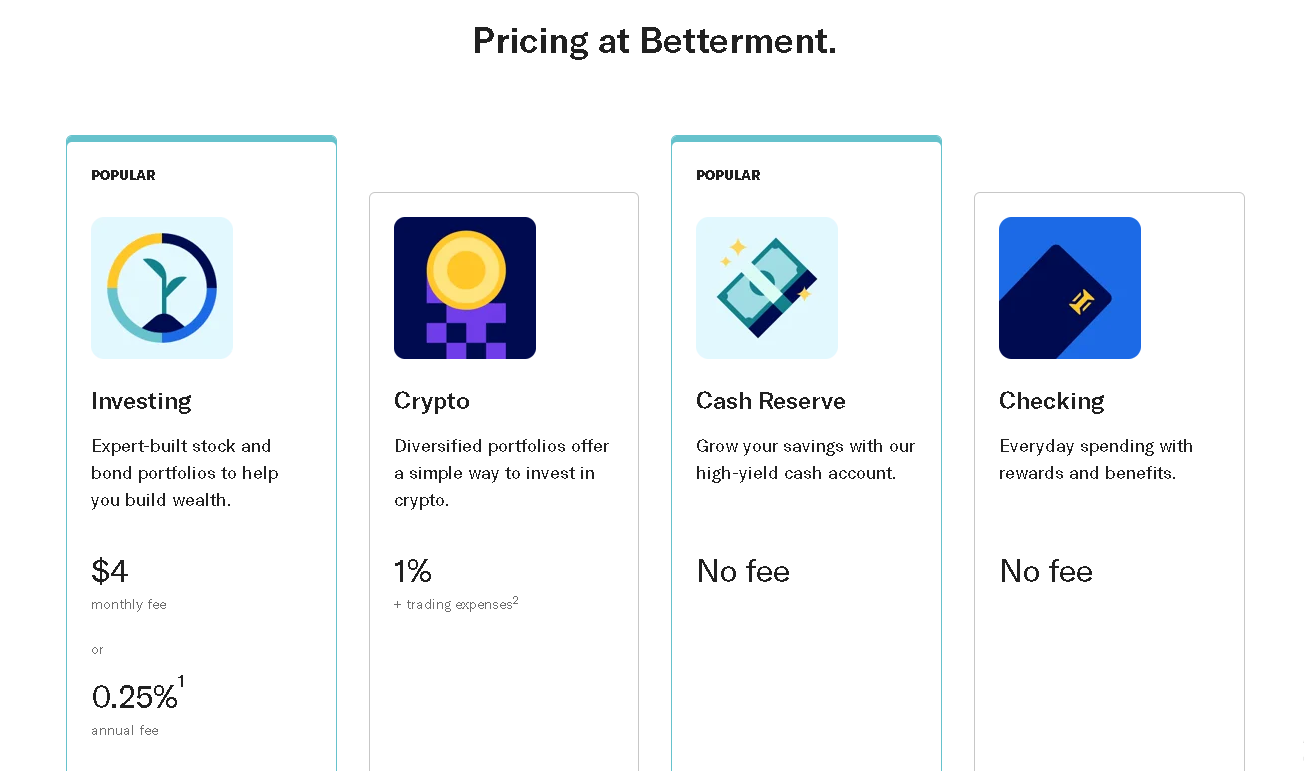
As of 2026, Betterment operates primarily on a tiered fee structure. Understanding these costs is essential for determining the viability of the platform based on one's account balance.
| Plan Tier | Annual Fee | Key Features |
|---|---|---|
| Betterment Core | 0.25% of AUM | Automated rebalancing, tax-loss harvesting, goal tracking |
| Betterment Premium | 0.40% of AUM | Includes access to human Certified Financial Planner (CFP) advice |
AUM refers to Assets Under Management.
In addition to management fees, investors should note that the underlying ETFs within the portfolios also carry their own expense ratios. These are paid to the fund providers, not to Betterment, but they impact the net return of the investment. Betterment typically selects highly liquid, low-cost index funds to keep these secondary costs at a minimum.
Comparison: Betterment vs. Traditional Financial Advisors
The primary trade-off when choosing a robo-advisor like Betterment versus a traditional human advisor is the balance between personalized holistic planning and cost efficiency.
Pros of Betterment
- Low Entry Barrier: Many traditional firms require high minimum account balances (often $100,000+). Betterment allows users to start with as little as they choose, making professional-grade portfolio management accessible to those at the beginning of their wealth-building journey.
- Efficiency: The automation of tax-loss harvesting is computationally complex to execute manually but is handled seamlessly in the background by Betterment.
- Accessibility: The mobile application and web dashboard provide 24/7 visibility into account performance and progress toward financial milestones.
Limitations to Consider
- Limited Customization: While Betterment offers several portfolio themes, users cannot hand-pick individual stocks or bonds. Investors seeking to manage a high-conviction, personalized portfolio of individual equities will likely find the structure too rigid.
- Complex Financial Planning: While the "Premium" tier offers access to human CFPs, users with complex estate planning needs, intricate tax situations, or high-net-worth business structures may still require a dedicated, fee-only human financial advisor for comprehensive wealth planning.
Getting Started: The Onboarding Process
To utilize Betterment, users must complete a digital registration process that satisfies standard regulatory Know Your Customer (KYC) requirements.
- Account Creation: Users provide basic identification and security information.
- Financial Profile Analysis: The user answers a series of questions to determine their "risk appetite." This determines the ratio of stocks to bonds in the recommended portfolio.
- Funding the Account: Users link a bank account via an encrypted connection to transfer funds.
- Portfolio Assignment: Based on the profile, Betterment assigns a recommended portfolio. Users are free to adjust this risk level manually if they feel the algorithm’s suggestion does not align with their personal comfort level.
Frequently Asked Questions
Is my money safe with Betterment? Yes. Betterment is a registered investment advisor with the Securities and Exchange Commission (SEC). Furthermore, the accounts are protected by the Securities Investor Protection Corporation (SIPC), which covers up to $500,000 in assets per account holder in the event that the clearing firm fails. It does not protect against market losses.
Can I withdraw my money whenever I want? Yes. Betterment does not have lock-up periods or early withdrawal penalties for their standard brokerage accounts. However, be aware that selling assets to withdraw cash can trigger taxable events in non-retirement accounts, and you may be subject to taxes or penalties if you withdraw from an Individual Retirement Account (IRA) before reaching retirement age.
Does Betterment provide tax advice? Betterment provides tools to assist with tax efficiency, such as tax-loss harvesting and guidance on account types. However, they are not a tax accounting firm. Users should consult a tax professional regarding their personal tax liabilities or complex filings.
How does Betterment handle market downturns? During periods of market volatility, the algorithm continues to rebalance based on your target allocation. Because the portfolios are globally diversified, they are designed to weather long-term cycles rather than react to daily news, helping investors maintain their strategy rather than panic-selling during a dip.
Can I move my existing portfolio to Betterment? Yes. Betterment supports the transfer of existing assets through the Automated Customer Account Transfer Service (ACATS). This allows you to move your current brokerage accounts to Betterment without needing to liquidate your holdings, though you should check with your current broker for any potential transfer fees.
Final Recommendation
Betterment is best suited for investors who prefer a "hands-off" approach to wealth management and prioritize long-term, index-based growth over individual stock picking. It is a highly efficient tool for those who want to automate their retirement savings, maximize tax efficiency in taxable accounts, and maintain a disciplined investment strategy. Before committing, define your primary goal—be it retirement, a home purchase, or general wealth building—and ensure your chosen risk profile reflects your actual timeline and comfort with market fluctuations.
Image Gallery