Ryan Reynolds as Green Lantern and the Film's Financial Reality
The financial reality of the 2011 film Green Lantern, starring Ryan Reynolds, is characterized by a significant discrepancy between its massive $200 million production budget and its underwhelming $219.8 million global box office retur...
The financial reality of the 2011 film Green Lantern, starring Ryan Reynolds, is characterized by a significant discrepancy between its massive $200 million production budget and its underwhelming $219.8 million global box office return. Accounting for marketing costs exceeding $100 million and theater revenue splits, the film is estimated to have lost Warner Bros. approximately $75 million to $150 million, effectively stalling the franchise for over a decade.
Contents
The Ambition Behind the Emerald Knight
In the late 2000s, the superhero cinematic landscape was undergoing a seismic shift. Marvel Studios had successfully launched Iron Man in 2008, proving that "B-list" characters could anchor a blockbuster franchise. Warner Bros., holding the rights to the entire DC Comics catalog, sought to replicate this success outside of the established Batman and Superman brands. Green Lantern was intended to be the cornerstone of a sprawling DC cinematic universe, designed with the same high-stakes cosmic scope as Star Wars.
The selection of Ryan Reynolds as Hal Jordan was seen as a safe, high-value move. Reynolds possessed the charm, physicality, and comedic timing necessary to carry a tentpole film. Director Martin Campbell, fresh off the success of Casino Royale, was brought in to provide a grounded yet epic feel to the intergalactic peacekeeping force. However, the ambition of the project quickly outpaced its execution, leading to a production cycle plagued by spiraling costs and creative interference.
As we look back from 2026, Green Lantern remains a foundational "what-not-to-do" case study for studio executives. It represents a period where excessive spending on digital effects was prioritized over narrative cohesion, leading to a product that felt both expensive and hollow to the viewing public.
Analyzing the Production Budget: The $200 Million Burden
The production budget for Green Lantern is officially cited at roughly $200 million, though some industry estimates suggest it may have climbed higher due to late-stage reshoots and intensive post-production work. To understand why the film struggled financially, one must first look at where that capital was deployed.
The Cost of a Digital Universe
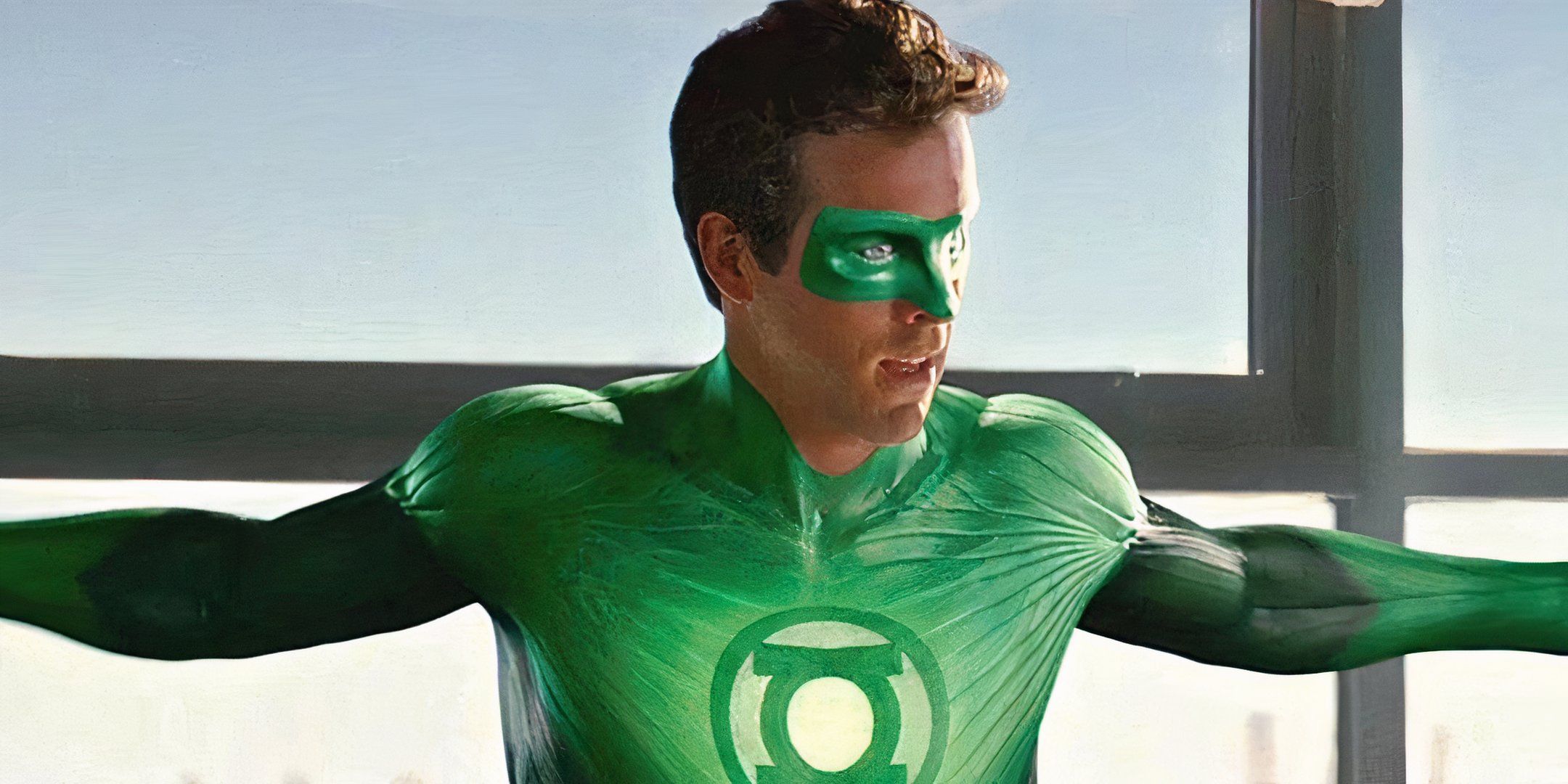
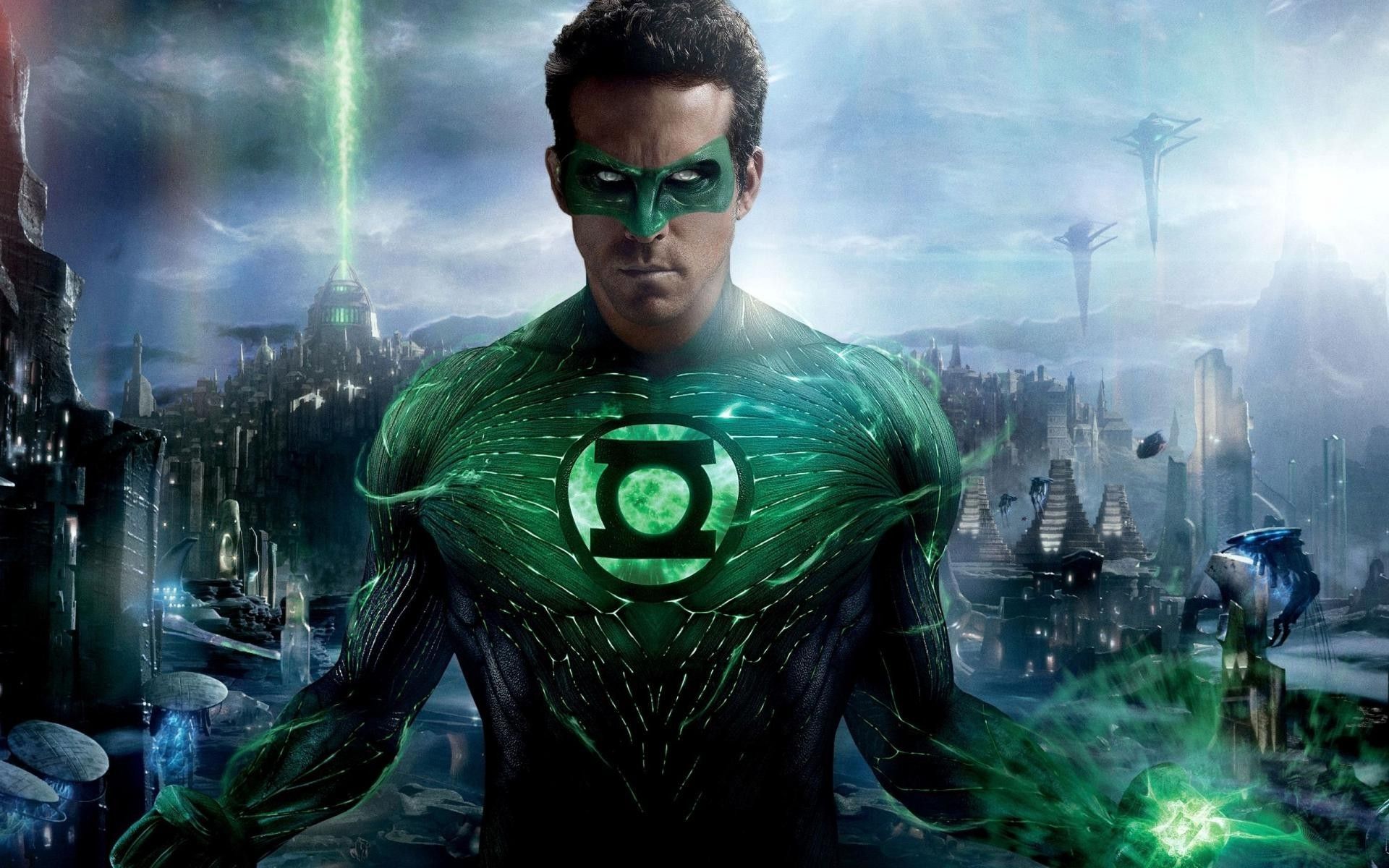
Unlike many superhero films of the era that utilized practical suits and sets, Green Lantern opted for a fully CGI-rendered suit for its protagonist. The decision was made to reflect the alien nature of the "willpower-fueled" construct, but it necessitated frame-by-frame animation for every second Reynolds was on screen in costume. This pushed the visual effects (VFX) budget to the breaking point.
Furthermore, the creation of Oa, the headquarters of the Green Lantern Corps, required thousands of hours of high-end rendering. In 2011, the technology to execute this seamlessly was prohibitively expensive and, as critics later noted, not quite ready for the level of scrutiny a $200 million film demands. The reliance on digital environments meant that even simple dialogue scenes became multi-million dollar liabilities.
Location and Incentives
Filming primarily took place in New Orleans, Louisiana, to take advantage of the state's aggressive tax credits for film production. While these incentives helped offset some of the gross expenditure, they were not enough to save the film from its own bloated requirements. The logistics of building massive green-screen stages and housing a world-class VFX team on-site added layers of administrative overhead that further strained the "financial reality" of the production.
The Marketing Mirage and P&A Expenses
In the world of blockbuster filmmaking, the production budget is only half the story. The "Prints and Advertising" (P&A) budget for Green Lantern was estimated at $100 million. This included global press tours, Super Bowl advertisements, and an exhaustive merchandising campaign that included toys, video games, and apparel.
When the P&A is added to the production cost, Warner Bros. had a "break-even" threshold of approximately $450 million to $500 million. This figure accounts for the fact that movie theaters typically retain about 40% to 50% of domestic ticket sales and an even higher percentage of international sales.
By the time the film hit theaters in June 2011, the marketing machine had generated high awareness but also high skepticism. The early trailers, which focused heavily on the CGI suit and Reynolds' quippy dialogue, received a lukewarm reception from the core fanbase. This disconnect between the marketing spend and the consumer "hype" was the first sign of the impending financial collapse.
Box Office Breakdown: Domestic vs. International Performance
The total global box office for Green Lantern was $219,851,172. While that sounds like a large sum, it was a catastrophic failure relative to the investment.
| Market Segment | Revenue (Approx.) | Percentage of Total |
|---|---|---|
| Domestic (North America) | $116,601,172 | 53% |
| International | $103,250,000 | 47% |
| Opening Weekend (Domestic) | $53,174,303 | 45.6% of Domestic Total |
| Total Global Gross | $219,851,172 | 100% |
The data reveals a critical issue: the film lacked "legs." A healthy blockbuster usually earns 3x to 4x its opening weekend total over its domestic run. Green Lantern earned barely 2.2x its opening weekend, indicating that negative word-of-mouth killed interest within the first week.
Internationally, the film fared even worse. In 2011, the international market was becoming the primary driver of superhero success (as seen with the Transformers and Pirates of the Caribbean franchises). For a film of this scale to earn less than 50% of its total revenue from overseas markets was an anomaly that signaled a total lack of global appeal.
Why the Financial Model Collapsed
Several factors converged to ensure Green Lantern would not see a profit during its theatrical run.
- Critical Reception: The film holds a 26% "Rotten" rating on Rotten Tomatoes. Critical consensus suggested the film was over-plotted and lacked the emotional depth seen in Christopher Nolan’s Dark Knight trilogy, which was the benchmark for DC films at the time.
- Stiff Competition: Summer 2011 was crowded. Green Lantern had to compete with X-Men: First Class, Cars 2, Transformers: Dark of the Moon, and Harry Potter and the Deathly Hallows – Part 2. In a crowded marketplace, a mediocre film is quickly discarded by audiences.
- The "Uncanny Valley" Effect: The heavy reliance on CGI backfired. Instead of feeling awe-inspired by the cosmic scale, audiences found the visuals distracting. The "unreal" quality of the suit prevented viewers from connecting with Hal Jordan as a character.
- Narrative Overload: The script attempted to introduce the Corps, the Guardians of the Universe, Hal's family trauma, a romance with Carol Ferris, and two distinct villains (Hector Hammond and Parallax). This lack of focus resulted in a bloated runtime that felt both rushed and tedious.
Ryan Reynolds: From Hal Jordan to Wade Wilson
For Ryan Reynolds, the financial reality of Green Lantern was a professional setback that ironically paved the way for his greatest success. For years after the film's release, Reynolds was vocal about the project's failings, often using it as a punchline in interviews.
The failure of Green Lantern made Reynolds "box office poison" for a brief period in the superhero genre. However, he used this time to pivot. He spent years championing a Deadpool movie, a project that was eventually greenlit only after test footage leaked to massive acclaim.
In Deadpool (2016) and its sequels, Reynolds lean heavily into the Green Lantern failure. The post-credits scene of Deadpool 2, where Wade Wilson travels back in time to "kill" Ryan Reynolds as he holds the Green Lantern script, remains one of the most famous meta-commentaries in film history. As of 2026, Reynolds has successfully decoupled his brand from the emerald ring, but the film remains a permanent fixture of his career narrative.
The Long-Term Impact on the DC Universe
The financial failure of Green Lantern fundamentally altered the trajectory of DC films. Warner Bros. scrapped plans for a direct sequel (which had been teased with Mark Strong’s Sinestro in the credits). More importantly, the studio shifted its focus toward a more "gritty and grounded" aesthetic, leading to Zack Snyder’s Man of Steel (2013) and the subsequent formation of the DC Extended Universe (DCEU).
The Green Lantern character was effectively sidelined for over a decade. While other characters like Wonder Woman and Aquaman received solo films, the "Green Lantern" brand was considered too damaged for a high-budget theatrical return. It wasn't until the restructuring of DC Studios under James Gunn and Peter Safran that the character was prioritized again, this time through the Lanterns television series, focusing on a more detective-driven, serialized format.
Frequently Asked Questions
Was Green Lantern (2011) a total loss?
While it lost money theatrically, it eventually generated some revenue through home media sales, television licensing, and merchandise. However, when adjusted for inflation and the "opportunity cost" of a failed franchise launch, it is still considered one of the biggest financial disappointments in superhero history.
Why did Ryan Reynolds regret doing Green Lantern?
Reynolds has cited the lack of a finished script during filming and the over-reliance on CGI as his primary frustrations. He felt that the heart of the character was lost in the studio's desire to build a "spectacle" rather than a story.
How much did the Green Lantern CGI suit cost?
While a specific line-item cost isn't public, industry analysts estimate the digital suit added between $9 million and $15 million to the VFX budget due to the complexity of animating it over the actor’s movements in every frame.
What was the break-even point for the film?
Because studios receive roughly 50% of the box office gross, a film with a $300 million total investment (production + marketing) generally needs to earn $600 million globally to be considered a true financial success. Green Lantern fell nearly $400 million short of that "safe" zone.
Is there a "Director's Cut" of Green Lantern?
An Extended Cut was released on Blu-ray, adding about nine minutes of footage, mostly focusing on Hal Jordan’s childhood and his relationship with his father. While it improved character development, it did not significantly alter the film's tone or financial standing.
Moving Forward: Lessons from the Financial Reality
The financial reality of Ryan Reynolds' Green Lantern serves as a cautionary tale for modern film production. It highlights that no amount of marketing or star power can overcome the hurdles of a bloated budget and a poorly received creative direction. For audiences and creators in 2026, the film is a reminder that the best "constructs" are built on solid storytelling, not just limitless CGI.
If you are a student of film or an investor in media, the key takeaway is the importance of budget-to-intent alignment. A $200 million budget demands a $600 million return, which in turn requires a film with broad, undeniable appeal. When a project fails to secure that appeal through its script or visual identity, the financial consequences are both immediate and long-lasting.
Image Gallery