What Chocolate with Green Stuff Inside Really Is: Explained
If you have encountered a chocolate bar or truffle with a vibrant green filling inside, you are looking at one of several distinct gourmet confections rather than spoiled food. The most widely recognized green-filled chocolate is the v...
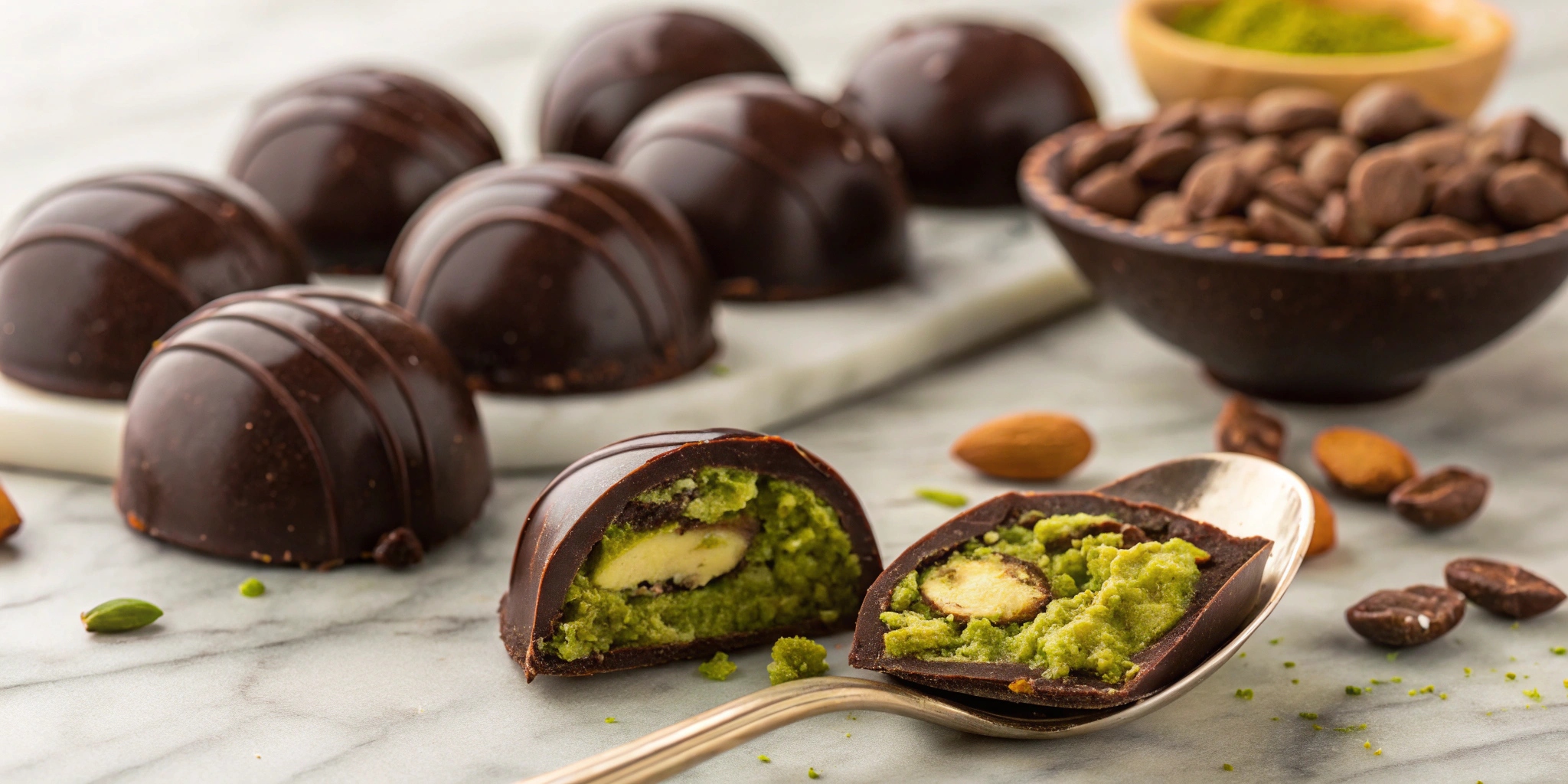
If you have encountered a chocolate bar or truffle with a vibrant green filling inside, you are looking at one of several distinct gourmet confections rather than spoiled food. The most widely recognized green-filled chocolate is the viral "Dubai Chocolate" bar, which contains a rich blend of pistachio butter, tahini, and crispy shredded kataifi pastry. Other popular green chocolate fillings include Japanese matcha ganache, peppermint cream, pandan fondant, and pistachio praline.
Contents
Understanding what chocolate with green stuff inside really is depends on whether the green element is a intentional culinary filling or an unintended storage defect. While intentional fillings are sweet, aromatic, and uniform in texture, rare instances of food spoilage produce fuzzy, uneven discoloration accompanied by an off odor.
The Primary Culinary Suspects: What Is That Green Center?
Confectioners around the world use natural botanical ingredients, nut pastes, and extracts to create green chocolate fillings. The vibrant color usually comes from plant pigments like chlorophyll in tea or nuts, though some commercial candies rely on food-grade coloring.
Identifying Intended Green Chocolate Fillings:
- Pistachio & Kataifi
- Bright/olive green
- Crunchy, fibrous
- Nutty, buttery
- Matcha Green Tea
- Deep forest green
- Velvety ganache
- Earthy, umami-sweet
- Mint & Botanicals
- Pale to bright green
- Smooth cream/fondant
- Cool, refreshing
1. The Viral Dubai Chocolate Bar (Pistachio & Kataifi Pastry)
The overwhelming majority of online searches regarding "chocolate with green stuff inside" refer to the viral dessert popularized globally by Fix Dessert Chocolatier in Dubai. Known as the "Can't Get Knafeh Of It" bar, this confection features a dark or milk chocolate shell packed with a bright green, textured paste.
The filling consists of three key components:
- Pistachio Paste / Cream: Ground roasted pistachios blended with cocoa butter, sugar, and sometimes sweetened condensed milk or white chocolate. Pure pistachio paste yields an olive-to-emerald green color due to the nut's high natural chlorophyll content.
- Shredded Kataifi Pastry: Traditional Middle Eastern pastry dough made of flour and water spun into fine, hair-like threads. The strands are chopped, sautéed in butter until golden brown, and folded into the pistachio cream to create an intensely crunchy texture reminiscent of knafeh (a classic regional dessert).
- Tahini: A small amount of sesame seed paste is often mixed in to balance the sweetness with a subtle savory undertone.
2. Matcha Green Tea Ganache
In Japanese confectionery and artisanal chocolateries worldwide, green tea chocolate is a staple. High-grade matcha—a fine powder made from shade-grown green tea leaves (Camellia sinensis)—is whisked into white chocolate, cream, or butter to form a smooth ganache filling.
Matcha fillings range from bright lime green to dark forest green, depending on the grade and concentration of the tea used. Unlike nut-based fillings, matcha ganache has a silky, melt-in-your-mouth consistency paired with a distinct earthy, slightly bitter, and vegetal flavor profile that offsets the sweetness of white chocolate.
3. Classic Mint Cream and Peppermint Fondant
Mint-filled chocolates are a long-standing confection in Western culture, featured in popular treats such as peppermint patties, mint truffles, and layered thin mint chocolates.
The "green stuff" inside traditional mint chocolate is usually a fondant or buttercream infused with peppermint oil or spearmint extract. Because natural mint extract is clear, confectioners often add natural pigments—such as spirulina extract or liquid chlorophyll—or synthetic food dyes (such as FD&C Yellow No. 5 and Blue No. 1) to give the center a bright green color that visually signals its refreshing flavor.
4. Exotic and Regional Botanicals: Pandan, Wasabi, and Pistachio Praline
Other artisanal and regional confections feature unique green interiors:
- Pandan Cream: Common in Southeast Asian desserts, pandan (Pandanus amaryllifolius) leaves impart a bright green shade along with a warm, nutty, and vanilla-coconut aroma.
- Wasabi White Chocolate: Japanese fusion chocolates sometimes pair milk or white chocolate with a pale green wasabi paste, delivering a sweet initial bite followed by a mild nasal heat.
- European Pistachio Praline: Italian gianduja and Belgian pralines often feature a pale green mixture of finely ground pistachios, sugar, and white chocolate, offering a refined, silky nut filling without the crunch of kataifi pastry.
Deep Dive into the Viral Pistachio-Kataifi Chocolate
To understand why pistachio-kataifi chocolate became a global food trend, it helps to examine its structural composition and sensory profile.
Cross-Section of Dubai Pistachio Chocolate:
- Milk / Dark Chocolate Shell
- Filling:
- Vibrant Green Pistachio Paste & Tahini (Silky Cream)
- Toasted Kataifi Pastry Threads (Crispy Crunch)
- Milk / Dark Chocolate Shell
Flavor and Texture Interplay
The combination of ingredients creates a multi-sensory contrast that distinguishes it from standard filled chocolates:
- Audible Crunch: The butter-toasted kataifi strands remain crisp inside the fatty pistachio cream, creating an audible crackle upon biting into the bar.
- Nutty Richness: Pistachio butter contains a high percentage of healthy monounsaturated fats, providing a rich, coating mouthfeel.
- Balanced Sweetness: The cocoa solids in dark or milk chocolate mask the heaviness of the sweet pistachio filling, while tahini supplies a hint of salt and earthiness.
Manufacturing and Shelf Life Challenges
Because the pistachio filling relies on toasted pastry dough, moisture control is critical during manufacturing. If exposed to excess humidity or left sitting too long, the kataifi pastry absorbs moisture from the pistachio paste or surrounding air, losing its crisp texture.
As a result, authentic fresh Dubai-style chocolate bars have a relatively short recommended shelf life—typically between 3 to 6 weeks—compared to standard commercial candy bars that last up to a year.
Intentional Fillings vs. Chocolate Spoiling: How to Tell the Difference
While a green filling is usually a delicious gourmet ingredient, consumers occasionally worry that green or pale discoloration inside chocolate indicates mold or decay. Understanding the difference between deliberate culinary centers, normal physical cocoa phenomena, and actual food spoilage ensures food safety.
Is Your Chocolate Safe?
- Intentional Green Center
- Uniform paste or cream
- Aromatic (nut/mint/tea)
- Inside clean shell
- Chocolate Bloom
- White or grayish film
- Dry, powdery surface
- Safe to eat
- Actual Mold
- Fuzzy, patchy growth
- Musty, sour smell
- UNSAFE — Discard
1. Recognizing Chocolate Bloom (Not Mold)
When chocolate is exposed to temperature fluctuations, it can develop a pale discoloration on its surface known as bloom:
- Fat Bloom: Occurs when temperature changes cause cocoa butter fats to melt, migrate to the surface, and recrystallize into a whitish or grayish coating.
- Sugar Bloom: Occurs when moisture condenses on the chocolate, dissolving surface sugars. When the water evaporates, fine white sugar crystals remain.
Neither fat bloom nor sugar bloom is green, nor are they harmful to eat, though they can make the chocolate feel slightly dry or powdery on the tongue.
2. Identifying Actual Food Mold
Solid chocolate has an extremely low water activity level ($a_w < 0.60$), making it nearly impossible for mold to grow on dry bars. However, fresh truffles and filled chocolates containing water-based ingredients (such as milk, fresh fruit purees, or unpreserved sugar syrups) can spoil if stored improperly.
Signs of genuine mold spoilage include:
- Fuzzy or Fibrous Texture: Mold growth forms thread-like structures (hyphae) that appear fuzzy, cottony, or velvety.
- Discolored Patches: Mold growth on chocolate appears as irregular, dusty patches of blue-green, pale gray, or white growth over the surface or inside cracked filling cavities.
- Off-Odors: Spoiled filling releases a distinct damp, musty, mildew-like, or sour aroma, distinctly different from the fresh nutty or minty smell of intended ingredients.
If your chocolate exhibits fuzzy green spots or a musty odor, it has spoiled and should be discarded immediately.
Detailed Comparison of Common Green Chocolate Fillings
The table below outlines the ingredients, texture profiles, and typical visual features of common green chocolate centers:
| Filling Type | Primary Ingredients | Dominant Flavor Profile | Texture & Consistency | Typical Visual Appearance |
|---|---|---|---|---|
| Dubai Pistachio Kataifi | Pistachio paste, kataifi pastry, tahini, butter, white chocolate | Rich, sweet, intensely nutty, slightly savory | Thick paste with an intense, fibrous crunch | Vivid olive to bright yellow-green with visible pastry threads |
| Matcha Ganache | Fine green tea powder (matcha), white chocolate, heavy cream | Earthy, umami, slightly bitter, creamy | Smooth, velvety, melt-in-your-mouth | Deep forest green to vibrant mint green |
| Mint Fondant / Cream | Sugar syrup, peppermint oil, butter, plant extract or food dye | Cool, sweet, refreshing, aromatic | Soft, liquid, or creamy fondant | Pale pastel green to bright neon green |
| Pandan Cream | Pandan leaf extract/juice, coconut cream, white chocolate | Vanilla-coconut, herbal, nutty, sweet | Silky, custard-like cream | Light pastel green to vivid leafy green |
| Pistachio Praline | Roasted pistachios, caramelized sugar, cocoa butter | Sweet, toasted nut flavor, buttery | Smooth, dense, slightly grainy paste | Natural muted olive-green to tan-green |
| Wasabi Cream | Wasabi paste/horseradish, white chocolate, cocoa butter | Sweet cream followed by sharp, nasal heat | Smooth, firm ganache | Pale pastel lime green |
Dietary Considerations and Allergen Awareness
Because green fillings are made from diverse botanical ingredients, consumers with dietary restrictions or food allergies should pay close attention to product labels:
Tree Nut Allergies
Pistachio-filled chocolates pose a serious health risk to individuals with tree nut allergies. Pistachios belong to the Anacardiaceae plant family (alongside cashews) and can trigger severe allergic reactions. Always check ingredients on artisanal or unlabelled viral chocolate bars, as cross-contamination is common in bakeries.
Gluten Sensitivity and Celiac Disease
While pure chocolate is naturally gluten-free, the viral Dubai pistachio chocolate contains wheat due to the inclusion of kataifi pastry. Individuals with Celiac disease or non-celiac gluten sensitivity must avoid traditional kataifi-filled bars unless specifically certified gluten-free (made with gluten-free pastry substitutes).
Sesame Allergies
Authentic Middle Eastern pistachio fillings frequently include tahini (ground sesame seeds). Sesame is recognized as a major food allergen in many jurisdictions, including the United States, Canada, and the European Union.
Dairy and Vegan Status
Most green-filled chocolates—including matcha ganache, mint creams, and pistachio pastes—contain dairy products such as milk powder, heavy cream, or butter. Vegans should seek out specialized dark chocolate confections using coconut cream or pure nut butters without added dairy solids.
Caffeine Content
Matcha green tea fillings contain naturally occurring caffeine and L-theanine. While the caffeine amount per truffle is modest (typically 5 to 15 mg per piece), individuals highly sensitive to stimulants should keep this in mind when consuming matcha chocolates late in the evening.
Frequently Asked Questions
Why is the viral Dubai chocolate filling bright green?
The bright green color comes primarily from pure pistachio butter, which naturally contains high levels of green chlorophyll pigments. Some manufacturers add a small amount of white chocolate or matcha powder to enhance the vivid color and stabilize the cream mixture.
Is chocolate with a green center safe to eat?
Yes, provided the green center is a deliberate culinary filling such as pistachio paste, matcha ganache, or mint cream. If the chocolate smells fresh, nutty, or sweet, it is safe. However, if the green material is fuzzy, dusty, or smells damp and musty, it is mold and should not be eaten.
What is the crunchy green filling in viral TikTok chocolates?
The crunch comes from shredded kataifi pastry (thin, hair-like phyllo dough threads) that has been toasted in butter and folded into sweetened pistachio paste and tahini.
Can chocolate naturally turn green without additives?
No. Pure cocoa butter and cocoa solids do not turn green on their own. When solid chocolate degrades or blooms, it turns dull white or grayish. Any green color inside or on chocolate is the result of added ingredients (like nuts, tea, or mint extract) or, in rare moist conditions, mold growth.
How should fresh pistachio or matcha filled chocolates be stored?
Fresh filled chocolates should be stored in a cool, dry place between 60°F and 68°F (15°C to 20°C) away from direct sunlight. To preserve the crispiness of kataifi dough in pistachio bars, consume them within 3 to 4 weeks of production. Avoid long-term refrigeration unless sealed in an airtight container, as moisture condensation can soften crispy ingredients and cause sugar bloom.
Summary and Next Steps
When you open a chocolate bar and find a green interior, you are almost always experiencing a specialty confectionery creation. The most common culprit is the viral Dubai-style pistachio and kataifi bar, celebrated for its combination of nutty pistachio cream and crunchy toasted pastry. Other classic alternatives include matcha green tea ganache, mint fondant, and pandan creams.
To ensure the best taste and safety:
- Inspect the Texture: Confirm the filling is a uniform paste, cream, or crispy layer rather than patchy, fuzzy growth.
- Check Allergens: Verify ingredient lists for tree nuts (pistachio), wheat/gluten (kataifi), sesame (tahini), or dairy if you have dietary restrictions.
- Check Freshness: Enjoy fresh artisanal filled chocolates within a few weeks of purchase to experience peak texture and flavor.
Image Gallery