The Story Behind the Yungblud Magazine Photo: A Study in Authentic Iconography
The viral Yungblud magazine photo represents a pivotal intersection between modern alternative music subculture and high-fashion editorial photography. It serves as a visual manifesto for Dominic Harrison’s artistic persona, balancing...
The viral Yungblud magazine photo represents a pivotal intersection between modern alternative music subculture and high-fashion editorial photography. It serves as a visual manifesto for Dominic Harrison’s artistic persona, balancing raw, punk-rock spontaneity with calculated, high-contrast aesthetic choices that define the singer's brand in the 2020s.
Contents
Defining the Aesthetic: Yungblud’s Visual Language
To understand the significance of a specific Yungblud magazine cover or editorial spread, one must first recognize his departure from traditional pop-star tropes. Since his debut, Harrison has utilized photography as a tool for political and social commentary. The "story" behind his most iconic magazine appearances—most notably those in Rolling Stone, NME, and Alternative Press—is rarely about a single static image, but rather the collaborative process between the artist’s "misfit" identity and the lens of world-class photographers.
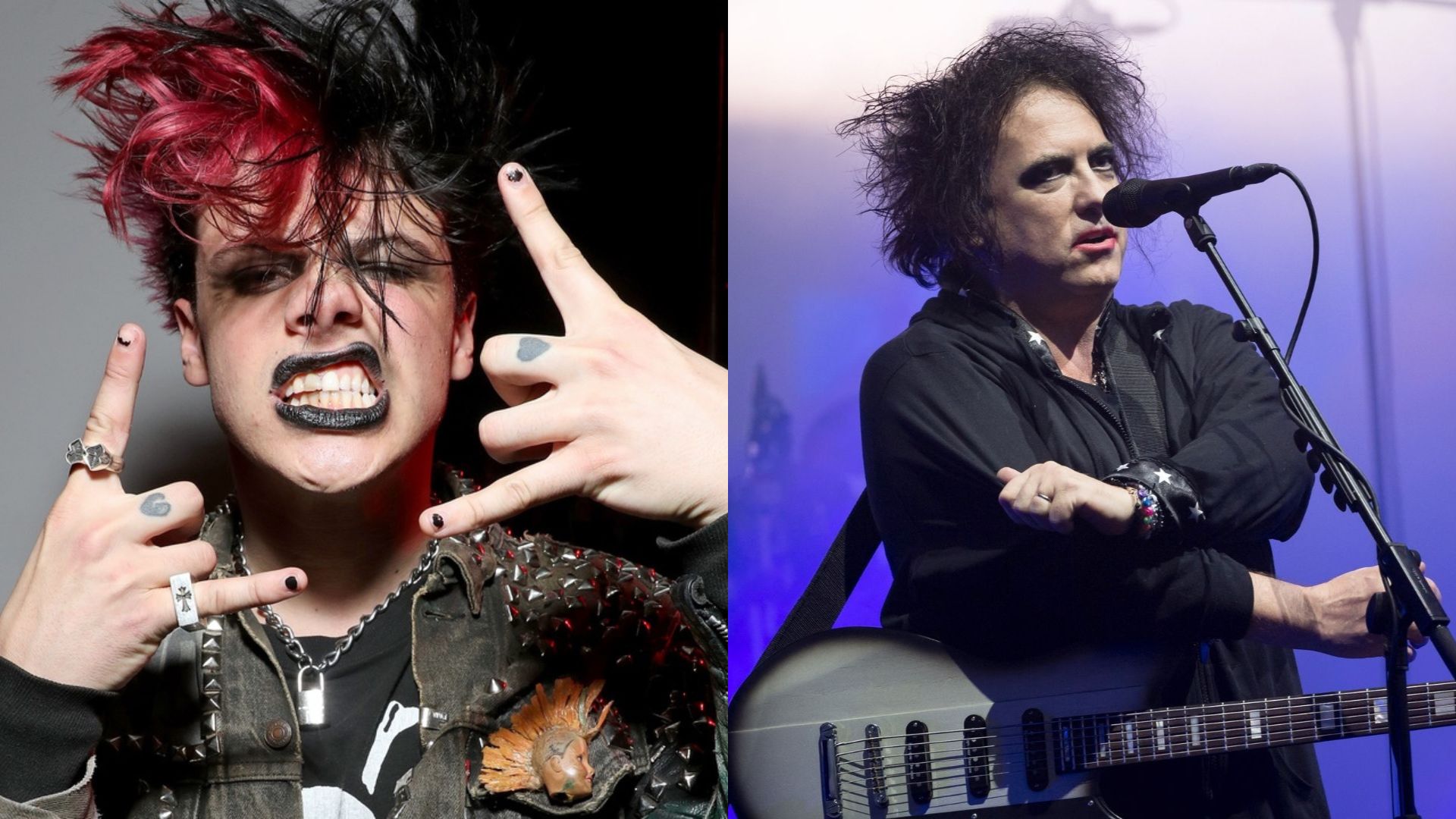
The defining characteristic of these images is the rejection of the "polished" celebrity look. Instead, the imagery leans into dishevelment, smudged makeup, safety-pin aesthetics, and intense, direct-to-camera eye contact. When fans search for the "story" behind these photos, they are often looking for the narrative of how an artist from Doncaster became a global symbol of the disenfranchised youth. The magazine photography acts as a bridge, grounding his theatrical stage persona in a medium that demands intimacy.
The Role of Editorial Collaboration
A common misunderstanding is that magazine photoshoots are purely spontaneous. In reality, the most impactful Yungblud visuals are the result of highly structured creative direction. Editorial teams often target a specific "era" of his music—shifting from the gritty street aesthetics of 21st Century Liability to the more refined, high-fashion experimentation seen during the Yungblud (self-titled) album cycle.
The process typically involves:
- Concept Boards: Mood boards often incorporate 1970s punk icons like The Sex Pistols, contrasted with modern luxury brands.
- Styling Consistency: The use of specific motifs, such as the pink socks or the iconic hair dye, which act as visual anchors.
- Location Selection: Choosing urban settings—back alleys, empty parking lots, or industrial studios—that mirror the lyrical themes of alienation and urban malaise.
Comparative Analysis of Magazine Photography Styles
When evaluating the impact of Yungblud’s visual media, it is helpful to categorize how different publications frame his identity. The table below outlines how various editorial styles have shaped the public perception of the artist.
| Publication Type | Focus Area | Visual Strategy | Goal |
|---|---|---|---|
| Music Trade Press | Artistic Process | Candid, studio-focused | Authenticity |
| Fashion/Lifestyle | High-Concept Style | Highly saturated, avant-garde | Sophistication |
| Alternative/Indie | Counter-culture | Gritty, high-contrast, black/white | Subversion |
| Global Headlines | Fame/Industry | Clean, dramatic portraits | Authority |
Technical Aspects: Lighting and Composition
Photographers working with Yungblud frequently employ "hard" lighting techniques. By utilizing direct strobes or aggressive natural sunlight, the images emphasize textures—sweat, fabric, and makeup—which aligns with the raw, visceral nature of his live performances.
For readers interested in the technical photography behind these shots, the key is the "broken" composition. Rather than centering the subject in a classical "rule of thirds" portrait, photographers often use Dutch angles or tight framing to create a sense of unease or motion. This technical choice is intentional; it suggests an artist who is constantly on the move and resistant to being perfectly framed by the mainstream media.
The Impact of Social Media on Print Journalism
In 2026, the "story" behind a magazine photo is inextricably linked to how it performs on digital platforms. An editorial cover is no longer just a physical print on a newsstand; it is a content hub for social media algorithms. The Yungblud team is adept at selecting specific outtakes from these professional shoots to use as "drops" on platforms like Instagram and TikTok, effectively extending the lifespan of a single photoshoot.
This digital lifecycle has shifted the photographer's role. They are now tasked with capturing both the "hero" image for the magazine cover and a series of high-quality "behind-the-scenes" clips that serve to humanize the artist for his digital-native fanbase.
Common Misconceptions
A recurring question among fans is whether certain controversial or edgy magazine photos were "staged" to court drama. The reality is that creative direction in fashion photography is always performative. The "story" is not about whether the photo is "real" or "staged," but rather what it communicates about the artist’s current chapter. If a magazine cover features Yungblud in a provocative pose, it is almost certainly a deliberate choice to align with the themes of his current record, rather than a reflection of a personal scandal.
Frequently Asked Questions
1. Was the magazine photo a reflection of a specific song release? Yes, most editorial spreads for Yungblud are timed to coincide with a new album or single cycle. The visual language—hair color, clothing, and mood—is typically curated to match the sonic themes of the music being promoted at that time.
2. Does Yungblud have a signature photographer he works with? While he collaborates with many, he frequently works with high-profile music and fashion photographers who specialize in "edgy" or alternative aesthetics. He values photographers who understand the balance between chaos and structure.
3. Are the magazine photos heavily edited? Post-production is standard in modern magazine photography to correct lighting and color grade. However, the "Yungblud look" relies on minimal digital retouching regarding his features, as the brand identity is built on authenticity and embracing imperfections.
4. Can I purchase prints of these magazine photos? Most magazine covers are copyrighted by the publishing house. While you can often purchase the physical magazines as collectibles through secondary markets or back-issue services, the digital files are usually restricted to the publication’s own distribution channels.
Next Steps for Collectors and Fans
For those interested in the history of Yungblud’s visual evolution, the best approach is to curate a physical archive of his magazine appearances. Start by identifying the specific era you are most interested in, such as the transition from his early EPs to his more recent, polished studio work. Check the official archives of publications like NME or Rolling Stone to verify the specific dates and photographers credited for each shoot. By tracing the photographer’s credits, you can often find their portfolio websites, which frequently feature "outtakes"—the photos that didn't make the magazine cover but offer a more intimate look at the session's narrative.
Image Gallery