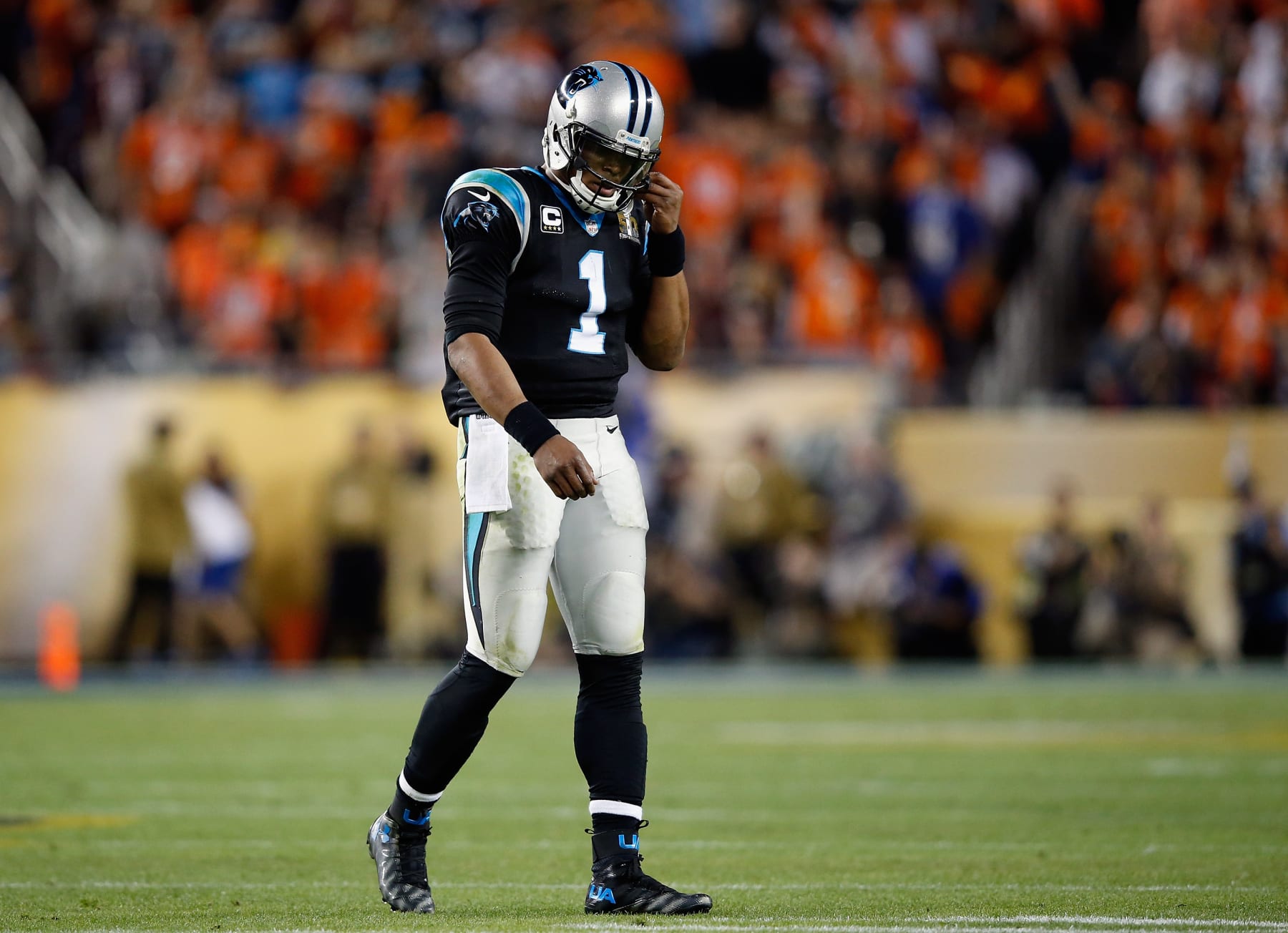
Cam Newton Education: How a Super Bowl Quarterback Completed College
Cam Newton, the former NFL MVP and Super Bowl quarterback, officially completed his undergraduate degree in sociology from Auburn University in 2015. Despite leaving college early for the NFL Draft in 2011, Newton returned to his acade...
Cam Newton, the former NFL MVP and Super Bowl quarterback, officially completed his undergraduate degree in sociology from Auburn University in 2015. Despite leaving college early for the NFL Draft in 2011, Newton returned to his academic pursuits while maintaining a demanding professional football career, fulfilling a promise he made to his mother to earn his diploma.
Contents
The Academic Journey of a Dual-Threat Icon
Cam Newton’s collegiate path was defined by a rapid ascent and a brief departure from the traditional classroom setting. After transferring from Blinn College to Auburn University, Newton led the Tigers to a BCS National Championship in 2010 and secured the Heisman Trophy the same year. Following his triumphant junior season, he declared for the 2011 NFL Draft, where he was selected first overall by the Carolina Panthers.
While his athletic trajectory made him a global sports figure, Newton prioritized his education long after his initial departure from campus. His return to finish his degree serves as a prominent example for student-athletes balancing the immediate lure of professional sports with the long-term value of academic credentials.
Prerequisites and the Transition to Professionalism
For elite athletes, leaving college early to enter the draft is often a financial necessity, but it creates a unique challenge for degree completion. Most universities, including Auburn, maintain degree progress requirements that do not vanish simply because a student gains employment in a professional league.
To complete his degree, Newton utilized a combination of online coursework and independent study. This format is essential for athletes who cannot adhere to a traditional semester-based, in-person attendance model due to practice schedules, travel, and media obligations.
Why Athlete Degree Completion Matters
The decision to finish a degree is significant for several professional and personal reasons:
- Legacy and Role Modeling: Public figures like Newton often face intense scrutiny. Demonstrating that an academic commitment was kept validates the importance of education to younger fans and aspiring athletes.
- Post-Career Readiness: As athletic careers typically have a shorter duration than professional corporate careers, holding a degree provides a foundation for broadcasting, coaching, or executive-level business ventures.
- Commitment Fulfillment: Newton frequently cited his mother, Jackie Newton, as the primary motivator for his graduation. Fulfilling this commitment provided a sense of personal closure to his Auburn experience.
Academic Logistics for Professional Athletes
The process for a high-profile athlete to complete a degree involves several logistical hurdles. Universities must collaborate with the athlete’s agents and team managers to ensure that academic schedules do not conflict with training camp or mandatory league meetings.
| Challenge Component | Strategy for Success |
|---|---|
| Scheduling | Asynchronous online classes to accommodate time zones. |
| Credit Transfer | Auditing previous credits to ensure all core requirements are met. |
| Institutional Support | Dedicated academic advisors for alumni returning to finish degrees. |
| Assessment | Digital proctoring for exams to maintain academic integrity. |
The Sociological Foundation
Newton’s chosen major, sociology, focuses on the study of social life, change, and the social causes and consequences of human behavior. For a quarterback who played in front of tens of thousands of fans and served as a high-profile media subject, understanding the complexities of social structures and group dynamics offers a distinct perspective. While often viewed as an abstract field of study, sociology provides critical insights into the leadership roles required in team environments and the public perception management necessary for a franchise quarterback.
Common Misconceptions About Athlete Education
A pervasive myth in professional sports is that star athletes are given "easy" paths to degrees. In reality, universities have become increasingly rigorous regarding their athlete academic success programs.
- The "No-Show" Myth: Many believe athletes receive degrees without completing work. Modern accreditation standards, such as those overseen by the Southern Association of Colleges and Schools (SACS), mandate that the same academic rigor is applied to online degree-completion programs as to traditional ones.
- Degree Relevance: Critics often argue that athletes only choose degrees to satisfy NCAA eligibility. However, many athletes choose programs that align with their post-playing goals, such as business, communications, or psychology.
- Timing: The assumption that degree completion must occur immediately after the sports career ends is false. Many athletes, like Newton, integrate coursework during the off-season of their active playing years.
Challenges in Balancing Careers and Academics
The primary barrier to completion for an NFL player is cognitive load. The NFL demands extreme focus, physical recovery, and constant film study. Integrating college-level academic rigor—which requires deep reading, analytical writing, and structured testing—during a season is nearly impossible. Most professional athletes who finish their degrees do so during the NFL off-season (typically February through July). This period allows for a shift in focus from physical conditioning to intellectual development.
How to Follow the Path: Next Actions
For student-athletes or professionals seeking to return to their alma mater, the path typically begins with an audit of the academic record. If you are looking to finish a degree:
- Contact the Registrar: Request an official transcript audit to identify how many credits remain.
- Inquire About Degree Completion Programs: Many universities now offer specific pathways for former students who are within a few credits of graduation.
- Explore Online Infrastructure: Determine if your major requires in-person labs or if it can be completed entirely through virtual portals.
- Leverage Alumni Resources: Alumni associations can often connect you with counselors specialized in helping graduates return to complete their degrees.
Frequently Asked Questions
1. Why did Cam Newton leave Auburn before graduating? Newton entered the 2011 NFL Draft following his junior year at Auburn. Because of his exceptional performance as the Heisman Trophy winner and National Champion, he was the projected number one overall pick, making it a standard professional choice to turn pro early.
2. Is it common for NFL players to finish their degrees while playing? It is becoming more common, though it remains a difficult feat. Many players utilize the NFL’s "Tuition Reimbursement" programs and work with their universities to map out plans that accommodate the NFL schedule.
3. Does the degree change the status of an athlete's career? While a degree does not change an athlete’s stats or historical impact, it serves as an important credential for life after professional sports. It ensures the athlete is prepared for transitions into media, management, or other professional fields.
4. What happens if an athlete changes their major? If an athlete returns to school after several years, their original major might have changed its curriculum. They may need to work with an academic advisor to substitute newer courses for older, defunct degree requirements.
5. How are the final credits verified? Final credits are verified by the university’s registrar. Once all credit hours and grade point average (GPA) requirements are met, the degree is conferred during the university’s standard graduation cycle, and the diploma is issued by the registrar.
Recommendation: If you are a former student-athlete or a professional looking to complete a degree, begin by contacting the university's "Degree Completion Office" or the registrar's office. Provide your student ID number, request an updated degree audit, and ask about current distance-learning options that may allow you to complete your requirements remotely.
Image Gallery