How Creative Optimization Shapes Ad Performance: A Deep Dive into High-ROI Strategies
Creative optimization is the iterative process of refining ad visuals, copy, and formats using data-driven insights to maximize engagement and conversion. In 2026, it serves as the primary driver of advertising efficiency, directly inf...
Creative optimization is the iterative process of refining ad visuals, copy, and formats using data-driven insights to maximize engagement and conversion. In 2026, it serves as the primary driver of advertising efficiency, directly influencing platform algorithms, reducing acquisition costs, and ensuring brand messaging resonates with highly fragmented digital audiences through continuous, automated, and manual testing.
Contents
The Shift from Technical Targeting to Creative-Led Growth
In the preceding decade, digital advertising relied heavily on granular technical targeting—leveraging third-party cookies and specific user identifiers to find the "perfect" customer. However, the landscape of 2026 is defined by privacy-first protocols and the total deprecation of legacy tracking. Modern advertising platforms like Meta, Google, and TikTok have moved toward "black-box" environments where AI-driven algorithms handle the majority of bidding and audience selection.
In this environment, creative is the new targeting. The algorithm observes who interacts with a specific image or video and uses that engagement data to find similar users. Consequently, creative optimization is no longer just about aesthetics; it is the fundamental mechanism through which advertisers communicate intent to the platform's machine-learning models. If the creative is optimized for a specific persona, the algorithm will find that persona. If the creative is generic, the algorithm will struggle to optimize, leading to higher costs and lower returns.
How Creative Optimization Influences Core Performance Metrics
Creative optimization has a direct, measurable impact on the entire advertising funnel. By refining the "hook" (the first few seconds of a video or the primary headline of an image), advertisers can manipulate the cost and efficiency of their campaigns.
Impact on CTR and Engagement Rates
The Click-Through Rate (CTR) is the most immediate indicator of creative resonance. Optimization involves testing different visual hierarchies, color palettes, and messaging frameworks to identify what stops the "scroll." A higher CTR does more than just bring more traffic; it signals to the ad platform that the content is relevant. Platforms reward high-relevance content with better auction positioning, creating a virtuous cycle of performance.
Lowering CPM and CPA via Quality Scores
Most major ad networks utilize a variant of a "Quality Score" or "Relevance Score." When an ad is well-optimized for its target audience, it receives higher engagement scores, which reduces the Cost Per Mille (CPM). Essentially, the platform gives a discount to advertisers who provide a good user experience. By systematically optimizing creative to lower CPMs while maintaining conversion rates, the overall Cost Per Acquisition (CPA) is reduced significantly.
Enhancing Conversion Rate (CVR)
Creative optimization does not end at the click. The transition from the ad to the landing page—often called "ad-to-page scent"—is a critical optimization point. If the creative highlights a specific benefit or visual style that is absent on the destination page, the Conversion Rate (CVR) will plummet. Optimization ensures a seamless narrative thread from the initial impression to the final transaction.
The Core Pillars of Effective Creative Optimization
To move beyond haphazard testing, advertisers must focus on structured pillars that define how creative shapes performance.
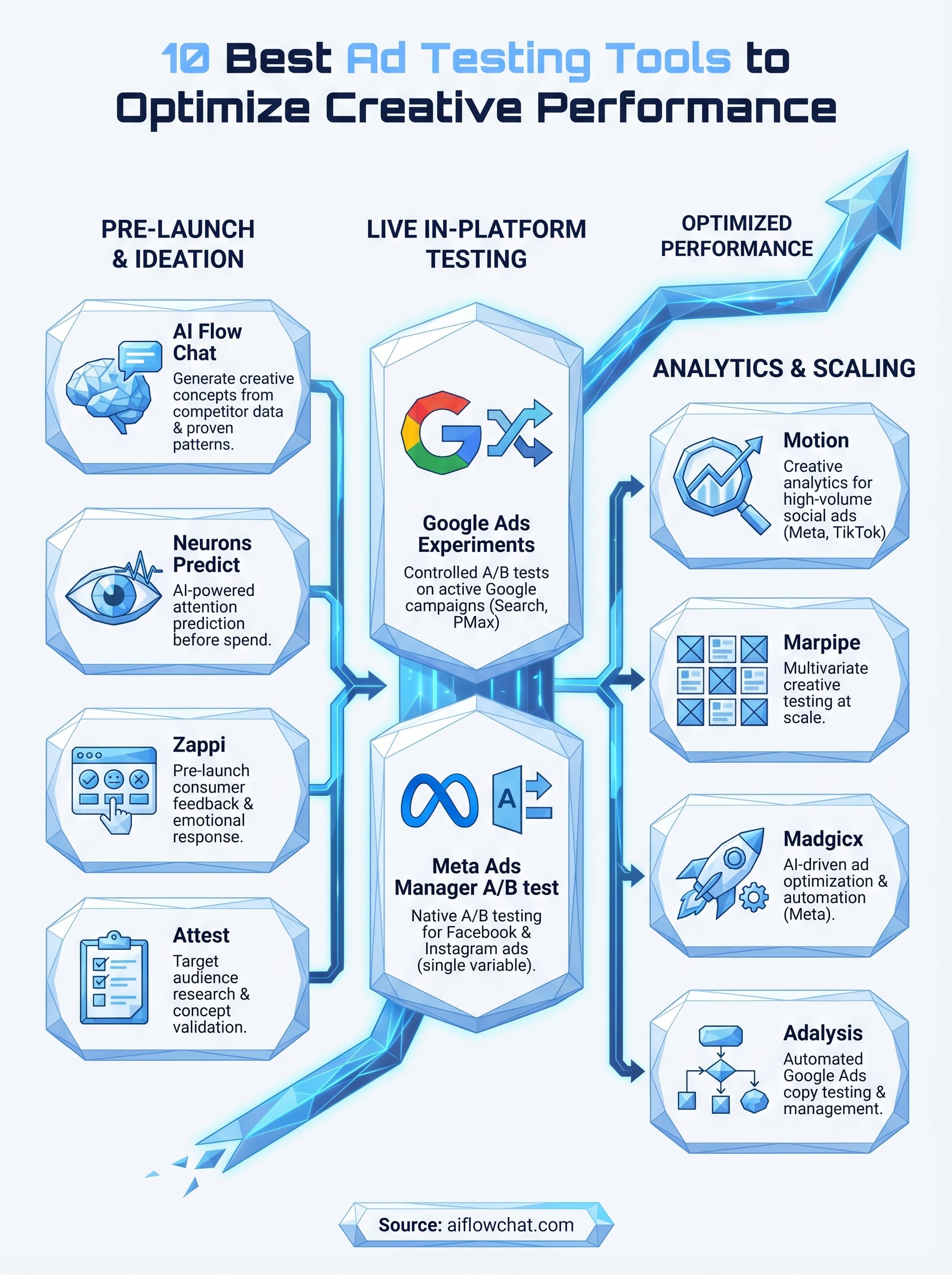
1. The Iterative Testing Framework
Optimization is not a one-time event but a cycle. This typically involves:
- The Hook Test: Testing 3–5 different openings for a video or headlines for a static image to see which captures attention.
- The Body Test: Once the hook is found, testing different value propositions or demonstrations within the "meat" of the ad.
- The CTA Test: Experimenting with different Calls to Action (e.g., "Shop Now" vs. "Get the Offer") to see which drives the highest intent clicks.
2. Dynamic Creative Optimization (DCO)
In 2026, Dynamic Creative Optimization (DCO) has become a standard enterprise practice. DCO uses machine learning to assemble ad components (images, headlines, descriptions, and CTAs) in real-time based on the individual viewer's context, such as their location, local weather, browsing history, or time of day. This level of personalization at scale ensures that the creative is always "optimized" for the specific micro-moment of the user.
3. Technical Fidelity and Format Adaptation
Optimization also includes the technical specifications of the assets. An ad that performs well on a desktop feed may fail on a vertical mobile story format. Optimized creative suites include assets specifically built for the aspect ratios and user behaviors of each placement. For instance, high-performing vertical video often incorporates "safe zones" for UI overlays and uses captions to cater to "sound-off" viewing environments.
The Role of AI and Machine Learning in 2026 Creative Workflows
The current year has seen the full integration of Generative AI into the creative optimization workflow. Rather than manually designing fifty variations of a banner, advertisers use AI to generate permutations of a winning concept.
AI tools now analyze video frames to determine which facial expressions, background colors, or pacing structures lead to the highest retention rates. This data is then fed back into the production cycle. This "data-informed creativity" allows brands to maintain high production volumes without sacrificing quality. Furthermore, AI-driven sentiment analysis helps brands optimize copy to match the emotional state of their audience, whether that is a sense of urgency, curiosity, or aspiration.
Comparative Analysis of Creative Optimization Elements
The following table outlines how different elements of a creative asset contribute to specific performance outcomes.
| Creative Element | Primary Metric Impacted | Optimization Focus | Performance Role |
|---|---|---|---|
| The Hook (First 3s) | CTR / Stop Ratio | Visual impact, curiosity gaps, problem identification. | Prevents scrolling; determines the initial pool of potential customers. |
| Visual Aesthetic | CPM / Brand Recall | Color psychology, lighting, composition, and model selection. | Influences the platform's quality score and determines ad "cheapness." |
| Core Value Prop | CVR (Conversion Rate) | Clarity of offer, benefit-driven copy, and pain point resolution. | Convinces the user that the solution is worth the click/investment. |
| Social Proof | Trust / ROAS | User-generated content (UGC), reviews, and expert endorsements. | Lowers perceived risk and increases the likelihood of high-value purchases. |
| Call to Action (CTA) | Intent / CTR | Urgency, button placement, and clarity of the "next step." | Directs the energy generated by the creative into a measurable action. |
Common Pitfalls in Creative Testing and How to Avoid Them
Despite the advanced tools available in 2026, many advertisers fail to realize the full potential of creative optimization due to several common errors.
- Testing Too Many Variables at Once: A common mistake is changing the headline, the image, and the CTA simultaneously. This makes it impossible to attribute a performance lift to a specific element. True optimization requires isolation of variables.
- Ignoring the "Fatigue" Point: Even the most optimized creative will eventually see declining performance as the target audience sees it too many times. This is known as "creative fatigue." Monitoring frequency and refreshing assets before ROAS drops is a critical part of the optimization lifecycle.
- Over-Reliance on AI Without Human Oversight: While AI can generate thousands of variations, it often lacks the nuanced brand voice or cultural context required for high-level resonance. Human creative directors must still provide the "strategic spark" that AI then optimizes.
- Focusing on Vanishing Metrics: Optimizing for likes or shares rather than conversions or lifetime value (LTV) can lead to "engagement traps" where an ad goes viral but fails to generate revenue.
Practical Framework for Scaling Creative Optimization
To implement a scalable optimization strategy, brands should follow a structured "Creative Lab" approach:
- Hypothesis Generation: Based on past data, identify a potential lever (e.g., "Our audience responds better to testimonials than to feature lists").
- Low-Fidelity Testing: Create 2–3 rough versions of the concept and run them with a small budget to see if the hypothesis holds.
- High-Fidelity Production: Take the winning concept and produce a high-quality version with multiple variations for different platforms.
- Scaling and DCO: Move the winning assets into a Dynamic Creative Optimization engine to maximize reach across the broad audience.
- Audit and Refresh: Every 14–30 days, review performance and restart the cycle to combat fatigue.
FAQ
What is the difference between DCO and standard creative testing?
Standard creative testing (like A/B testing) involves running two or more static versions of an ad against each other to find a winner. Dynamic Creative Optimization (DCO) is an automated process where an algorithm creates custom versions of an ad for each user by mixing and matching different headlines, images, and offers based on real-time data.
How long should a creative test run before it is considered optimized?
In the 2026 advertising environment, timing is less important than "statistical significance" or reaching a specific impression threshold. Generally, a test should run until it has achieved enough conversions (typically 50+ per variation) to provide a 95% confidence level in the data. For high-spend accounts, this can happen in 48 hours; for smaller accounts, it may take two weeks.
Does creative optimization affect organic social media performance?
Yes. Many brands use "dark posting" (running ads that don't appear on their main profile) to test creative concepts. The winners of these paid tests are then posted organically. This ensures that the content on the main brand feed has already been "performance-validated" to resonate with the audience.
How do I measure the ROI of creative production costs?
To measure the ROI of optimization, you must calculate the delta between your "control" ad and your "optimized" ad. If spending $5,000 on high-quality creative optimization results in a 20% reduction in CPA over a $100,000 monthly spend, the creative has paid for itself four times over in a single month ($20,000 in savings).
What is "Creative Fatigue" and how do I spot it?
Creative fatigue occurs when your target audience has seen your ad so many times that they stop responding to it. You can spot this by looking for a simultaneous increase in CPM and a decrease in CTR. When these metrics cross, it is a clear signal that the creative needs to be refreshed or fundamentally changed.
Practical Recommendation
For organizations looking to improve ad performance, the first step is to transition from a "campaign" mindset to an "always-on testing" mindset. Start by auditing your current top-performing assets and identifying why they are working. Is it the color? The first three seconds? The specific offer? Use these insights to build a testing backlog. If you are operating at scale, integrate a DCO tool to handle the technical heavy lifting of personalization, allowing your creative team to focus on high-level storytelling and emotional hooks that AI cannot yet replicate.
Image Gallery