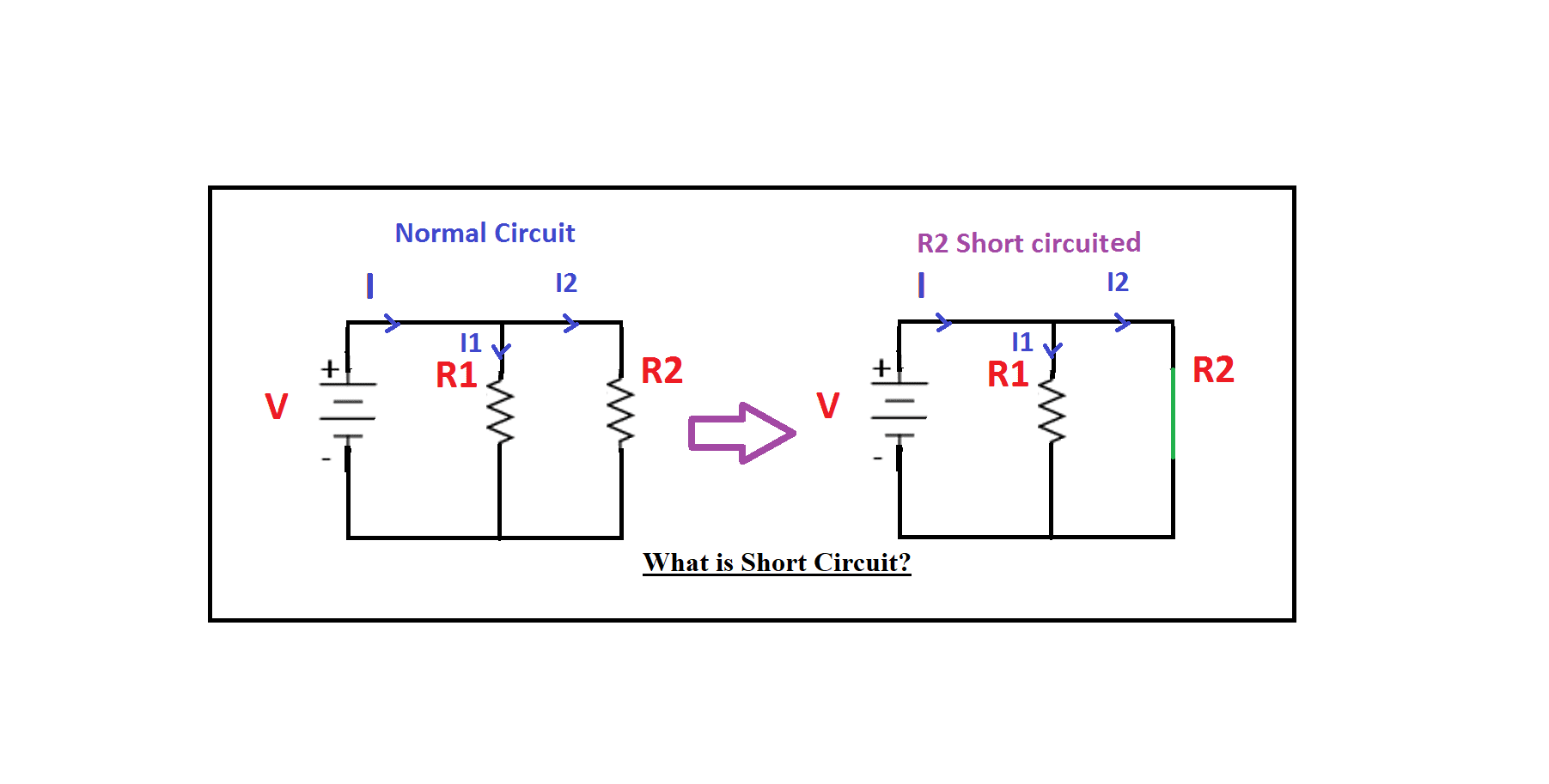
Understanding Short Circuits: Definition, Causes, and Prevention in Electrical Systems
A short circuit is an abnormal condition in an electrical circuit where the current travels along an unintended path with very low electrical impedance. This results in an excessive flow of current, which can cause rapid overheating, e...
A short circuit is an abnormal condition in an electrical circuit where the current travels along an unintended path with very low electrical impedance. This results in an excessive flow of current, which can cause rapid overheating, equipment damage, or hazardous fires within the electrical system.
Contents
Electricity is the lifeblood of modern civilization, powering everything from the smallest handheld devices to massive industrial complexes. However, the same energy that provides convenience can become destructive when it deviates from its intended path. To maintain safety in 2026, understanding the technical definition and practical implications of a short circuit is essential for homeowners, technicians, and engineering students alike.
The Technical Definition of a Short Circuit
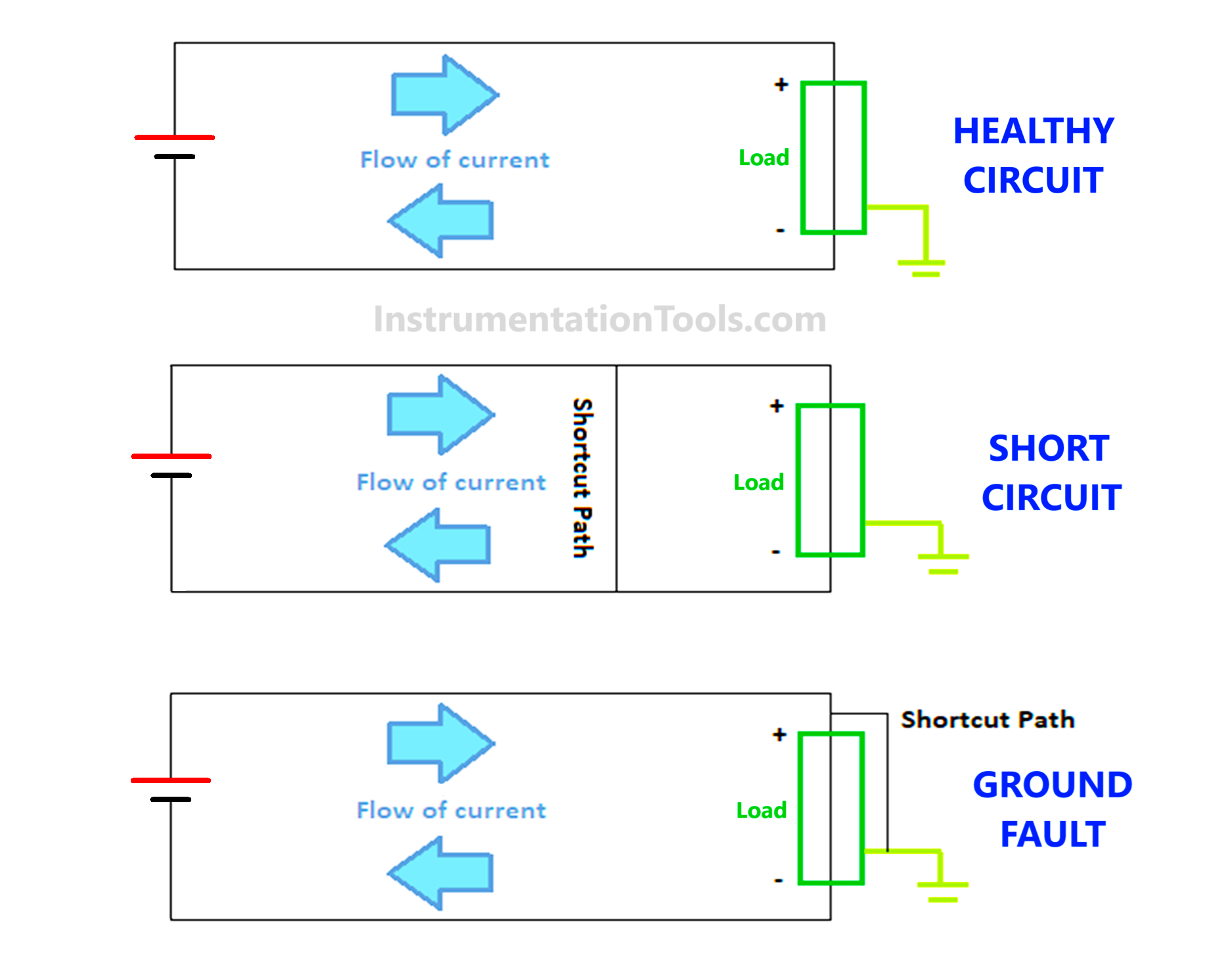
At its core, a short circuit occurs when a "bridge" is formed between two points in a circuit that are meant to be at different voltage levels, bypassing the intended load (such as a light bulb, motor, or appliance). In a healthy circuit, electricity flows from the source through a conductor, passes through a load that provides resistance, and returns to the source.
According to Ohm’s Law ($V = I \times R$), current ($I$) is inversely proportional to resistance ($R$). When a short circuit occurs, the resistance drops to nearly zero. Consequently, the current surges to extremely high levels, limited only by the capacity of the power source and the minimal resistance of the wires themselves. This sudden surge is what leads to the characteristic sparks, pops, or tripped breakers associated with electrical shorts.
The Role of Impedance and Resistance
While "resistance" is the term commonly used for DC (direct current) circuits, "impedance" is the broader term used in AC (alternating current) systems, which includes resistance, inductance, and capacitance. A short circuit is technically a "low-impedance fault." Because the path of least resistance is significantly easier for electrons to travel through than the intended path, the vast majority of the available energy rushes through the shorted area.
Common Types of Short Circuits
Short circuits are generally categorized based on where the current is diverted. Understanding these distinctions is vital for troubleshooting and selecting the correct protective devices.
1. Normal Short Circuit
In a normal short circuit, a hot wire (carrying current) comes into contact with a neutral wire. When these two touch, resistance vanishes instantly, and current flow spikes. This typically results in a visible spark and the immediate tripping of a circuit breaker.
2. Ground Fault
A ground fault is a specific type of short circuit where the hot wire comes into contact with a grounded portion of the system—such as the metal box housing an outlet, a copper water pipe, or the green grounding wire. Ground faults are particularly dangerous in environments with moisture, as water can facilitate the path to the ground, potentially leading to lethal electric shocks.
3. Arcing Short
An arcing short occurs when the electricity "jumps" across a gap between two conductors. This often happens due to damaged insulation or loose connections. Arcing produces intense heat (thousands of degrees Celsius) and is a leading cause of electrical fires, as it can ignite nearby wood, insulation, or dust before a traditional circuit breaker even detects the surge.
Primary Causes of Short Circuits
Identifying the root cause of a short circuit is the first step toward remediation. In professional and residential environments, several common factors contribute to these failures.
- Damaged Wire Insulation: Over time, the plastic or rubber insulation surrounding wires can degrade. This may be due to age, excessive heat from overloads, or mechanical wear. When the insulation cracks or wears away, bare wires can touch.
- Loose Connections: Electrical connections can loosen due to vibrations or the natural expansion and contraction caused by heating and cooling cycles. A loose wire might slip out of its terminal and touch another wire or the metal casing.
- Pest Infestation: Rodents, such as mice and squirrels, frequently chew on electrical wiring. By stripping away the insulation, they create high-risk zones for short circuits and ground faults.
- Fluid Contamination: Water and other conductive liquids are major culprits. Since water (especially if it contains minerals) conducts electricity, a leak near an electrical panel or outlet can bridge the gap between hot and neutral terminals.
- Faulty Appliances: Sometimes the short isn't in the wall wiring but inside a plugged-in device. Internal motor failures or frayed power cords on older appliances often trigger circuit breakers.
The Physical Dangers and Consequences
A short circuit is not merely a technical inconvenience; it is a significant safety hazard. The rapid conversion of electrical energy into heat leads to several dangerous outcomes:
- Electrical Fires: The heat generated by thousands of amperes of current can instantly melt copper and ignite surrounding flammable materials.
- Arc Flash and Blast: In industrial settings with high-voltage equipment, a short circuit can cause an "arc flash," a release of energy so violent it can cause severe burns, blindness, and pressure waves capable of knocking down walls.
- Equipment Damage: Sensitive electronics are often destroyed by the overcurrent of a short circuit before protective devices can react.
- Electrocution: If a person touches a conductive surface that has become energized due to a short (specifically a ground fault), the current may travel through their body to reach the earth.
Comparison of Electrical Faults
To better understand short circuits, it is helpful to compare them to other common electrical issues.
| Fault Type | Definition | Primary Danger | Common Protective Device |
|---|---|---|---|
| Short Circuit | Current bypasses the load via a low-impedance path. | Fire, extreme heat, sparks. | Circuit Breaker, Fuse |
| Overload | Too many devices are drawing more current than the circuit can handle. | Gradual heating of wires, melted insulation. | Circuit Breaker (Thermal Trip) |
| Ground Fault | Current escapes the circuit to the grounding system or earth. | Lethal electric shock, especially in wet areas. | GFCI (Ground Fault Circuit Interrupter) |
| Arc Fault | Electricity jumps across a gap due to damaged wiring. | High-intensity heat leading to fire. | AFCI (Arc Fault Circuit Interrupter) |
Prevention and Protective Mechanisms
Modern electrical codes, such as those maintained by the National Fire Protection Association (NFPA), require multiple layers of protection to mitigate the risks of short circuits.
Circuit Breakers and Fuses
The most common defense is the circuit breaker. Most modern breakers utilize two tripping mechanisms: a thermal trip for overloads and a magnetic trip for short circuits. When a short circuit occurs, the massive magnetic field generated by the current spike pulls a lever that snaps the circuit open almost instantaneously.
GFCI and AFCI Technology
- GFCI (Ground Fault Circuit Interrupter): These devices monitor the balance of current between the hot and neutral wires. If they detect a difference as small as 5 milliamperes—indicating current is "leaking" to the ground—they shut off power in less than a 30th of a second.
- AFCI (Arc Fault Circuit Interrupter): These use advanced electronics to detect the specific wave signature of a dangerous arc. They are now required by the National Electrical Code (NEC) in most living areas of new homes to prevent fires.
Routine Maintenance
Preventing short circuits often comes down to proactive inspection. Homeowners and facility managers should look for:
- Flickering lights or buzzing sounds from outlets.
- Discoloration or char marks around wall plates.
- A persistent smell of "burning plastic."
- Any appliances with frayed or damaged power cords.
Troubleshooting a Short Circuit
If a circuit breaker trips immediately after being reset, you likely have a "hard short." Troubleshooting should be done with caution.
- Unplug Everything: Disconnect all appliances and lamps from the affected circuit.
- Reset the Breaker: If the breaker stays on with everything unplugged, the short is likely in one of the devices you removed.
- Plug in One by One: Reconnect devices one at a time. When the breaker trips, you have identified the faulty equipment.
- Inspect the Infrastructure: If the breaker trips even with nothing plugged in, the short is located within the wall wiring, switches, or outlets. At this stage, professional intervention is necessary.
For more detailed safety guidelines on handling electrical failures, the Electrical Safety Foundation International (ESFI) provides comprehensive resources for residential and industrial safety.
Frequently Asked Questions
What is the difference between a short circuit and an open circuit?
A short circuit is a path with too little resistance, causing excessive current flow. An open circuit is the exact opposite; it is a break in the path where the resistance is effectively infinite (like a turned-off switch), resulting in zero current flow.
Can a short circuit happen if the power is turned off?
No, a short circuit requires a source of voltage to drive the current. However, if a short exists and you turn the power on, the fault will occur immediately. Stored energy in capacitors can also cause a short-lived "short" even after primary power is disconnected in electronic devices.
Why do short circuits cause sparks?
Sparks occur because the high current flow ionizes the air as it jumps across a small gap (like when two wires touch or a connection is loose). This ionization creates a plasma that glows and releases heat and light, which we see as sparks.
Is a short circuit the same as a surge?
Not exactly. A power surge is a brief increase in voltage from an external source (like a lightning strike or utility switching). A short circuit is an internal fault within the wiring or an appliance that causes an increase in current. Both can damage electronics, but they have different causes.
Can a short circuit kill you?
Yes. While the circuit breaker usually trips to stop the flow, if a human body becomes part of the short-circuit path (a ground fault), the amount of current required to stop the heart is far less than the amount required to trip a standard 15-amp or 20-amp breaker. This is why GFCI protection is vital.
Final Recommendation
If you suspect a short circuit in your home or facility, do not attempt to bypass the circuit breaker or tape it in the "on" position. This overrides the system's primary safety mechanism and significantly increases the risk of a catastrophic fire. Always prioritize safety by isolating the circuit and consulting a licensed electrician to perform a resistance test and thermal imaging if the fault location is not immediately apparent.
Image Gallery