Why You Are Seeing Ads: The Mechanics of Modern Digital Targeting
You see ads because digital platforms—including search engines, social media, and websites—use data points such as your browsing history, physical location, demographic profile, and app activity to match you with advertisers. In 2026,...
You see ads because digital platforms—including search engines, social media, and websites—use data points such as your browsing history, physical location, demographic profile, and app activity to match you with advertisers. In 2026, this process is driven by sophisticated AI models that predict your intent and preferences in real-time to deliver relevant commercial content.
Contents
The digital landscape has evolved significantly. While the early internet relied on simple banners, the current ecosystem is a complex web of data exchanges, privacy regulations, and predictive algorithms. Understanding why a specific ad appears on your screen requires looking at the intersection of psychology, data science, and the economic "value exchange" that powers most of the free content available online today.
The Core Mechanisms of Ad Targeting
To understand why you are seeing a particular advertisement, you must first understand how advertisers categorize you. Modern advertising does not rely on a single data point; instead, it aggregates signals from various sources to build a "persona" or to identify a specific moment of "intent."
Contextual Targeting
Contextual targeting is the most direct form of advertising. It is based on the content you are currently consuming. If you are reading a review of the latest electric vehicle, the ad units on that page will likely feature car insurance, charging stations, or competing EV brands. This method does not necessarily require deep knowledge of your personal history; it simply assumes that if you are interested in Topic A right now, you are a prime candidate for Product B.
Behavioral and Interest-Based Targeting
Behavioral targeting is more complex. It tracks your actions across multiple websites and apps over time. This is why you might see an ad for a pair of running shoes on a news website three days after you searched for those shoes on an e-commerce platform. Advertisers use "tracking pixels" and first-party data to remember your interests. Even as the industry has moved away from third-party cookies in 2026, alternative identifiers and server-side tracking continue to facilitate this "retargeting" experience.
Demographic and Geographic Targeting
Advertisers often set strict parameters for who should see their ads based on:
- Location: Your IP address or GPS data tells advertisers if you are near a specific retail store or within a service area.
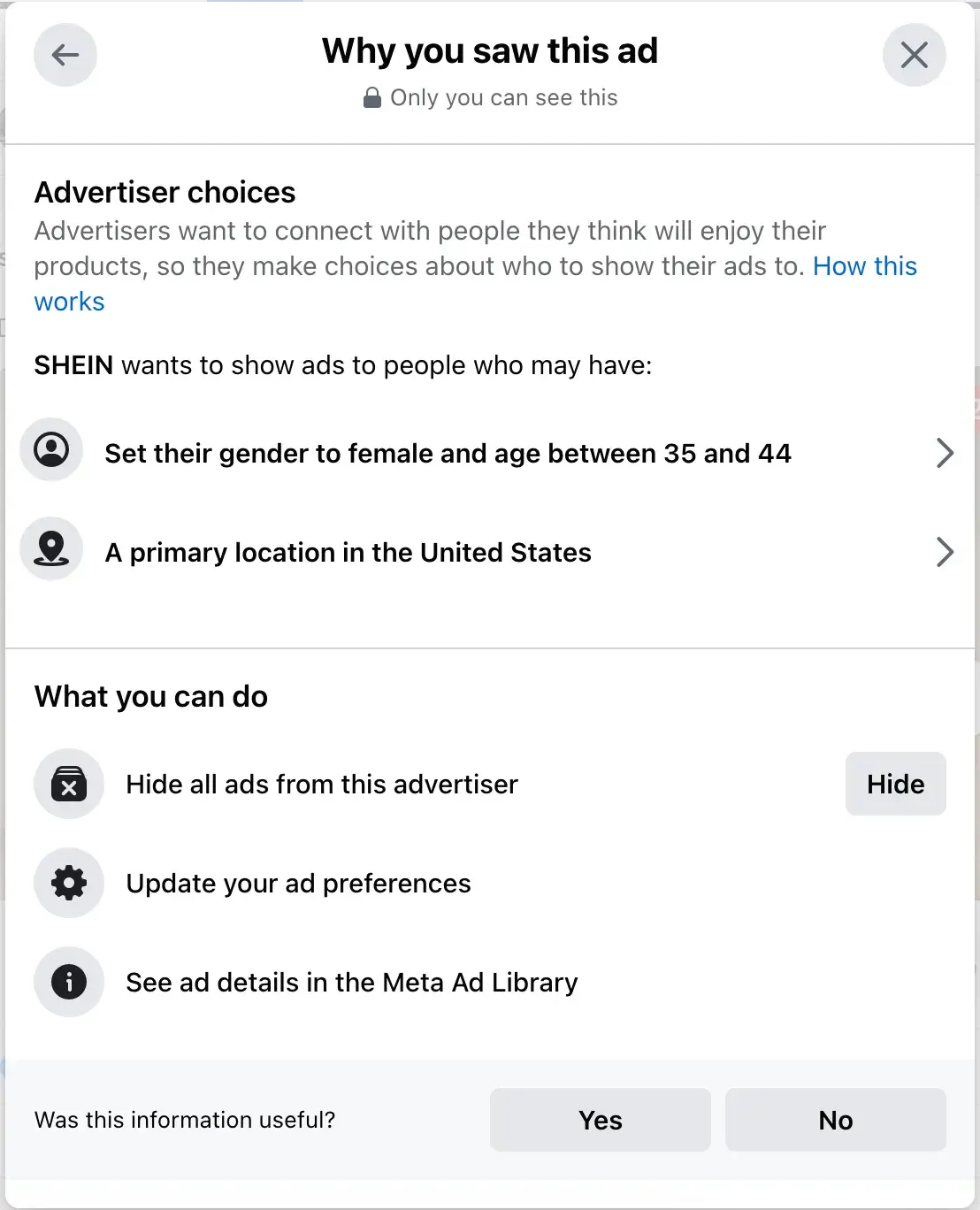
- Age and Gender: Platforms where you have an account (like Google or Meta) use the information you provided at signup to filter ads.
- Language: Your browser settings and search queries indicate your preferred language.
The Role of First-Party Data and "The Value Exchange"
Most of the services we use daily—search engines, social networks, and email providers—are free of monetary cost. The "value exchange" is the agreement that in exchange for these free services, users will view advertisements.
In 2026, first-party data has become the gold standard. When you create an account with a major platform, you provide them with a wealth of direct information. This includes your name, email, interests, and often your purchase history. Because the platform owns this data directly, they can show you highly accurate ads without needing to track you across the broader web. This is often referred to as a "Walled Garden" approach, utilized by giants like Amazon, Apple, and Alphabet.
How the Ad Auction Works in Real-Time
Every time you load a webpage or open an app, a lightning-fast auction takes place behind the scenes. This is known as Real-Time Bidding (RTB). The process generally follows these steps:
- The Request: As the page loads, the website sends a request to an Ad Exchange, noting the available space and whatever data they have about the user (e.g., "User in New York, interested in gardening").
- The Bidding: Dozens of advertisers use Demand-Side Platforms (DSPs) to automatically bid on that specific impression. An advertiser selling lawnmowers might bid $0.05, while a luxury watch brand might bid only $0.01.
- The Winner: The highest bidder wins the auction.
- The Delivery: The winning ad is instantly rendered on your screen.
This entire sequence occurs in approximately 100 to 200 milliseconds—faster than the blink of an eye. You see the ad because, in that fraction of a second, an algorithm determined that your profile was worth the highest price to that specific advertiser.
Predictive Modeling and AI in 2026
By 2026, artificial intelligence has moved beyond simple "if-this-then-that" logic. Modern ad-tech uses predictive modeling to show you ads for things you haven't even searched for yet.
By analyzing the behavior of millions of other users who share similar traits with you—a concept known as Lookalike Modeling—AI can predict your next likely move. If thousands of users who bought a specific coffee machine also tended to buy a particular brand of organic beans two weeks later, the system will show you those beans precisely twelve days after your machine arrives. This often creates the illusion that your devices are "listening" to you, when in reality, the AI is simply very good at identifying patterns in consumer lifecycles.
| Targeting Method | Primary Data Source | Typical Use Case | Privacy Impact |
|---|---|---|---|
| Contextual | Current Page Content | Showing hiking gear on a travel blog. | Low; anonymous. |
| Geographic | IP Address / GPS | Directing you to a nearby restaurant. | Medium; reveals location. |
| Retargeting | Previous Site Visits | Reminding you of an item left in a cart. | High; tracks cross-site. |
| Lookalike | Aggregated AI Models | Suggesting a new hobby based on "peers." | Medium; uses group data. |
| First-Party | User-Provided Info | Birthday discounts or tailored newsletters. | Controlled; based on consent. |
Why You See "Irrelevant" or "Bad" Ads
Occasionally, the system fails, and you see ads that make no sense. This usually happens for three reasons:
- Broad Targeting: An advertiser may choose to target everyone in a specific zip code or age bracket regardless of their specific interests, essentially "blasting" the ad to a wide audience to build brand awareness.
- Shared Devices: If you share a tablet or computer with family members, the ad server may confuse your interests with theirs. You might see toy commercials because your child used the device earlier.
- Data Decay: Ad profiles are not always updated instantly. If you bought a refrigerator yesterday, the system might not realize the transaction is complete, leading to "ghost" ads for refrigerators for several more weeks.
Managing Your Ad Experience
While you cannot completely eliminate ads on the standard web, you have significant control over what you see and how your data is used. Regulatory frameworks like the GDPR (General Data Protection Regulation) and CPRA (California Privacy Rights Act) have forced platforms to provide transparency tools.
Privacy Settings and Ad Centers
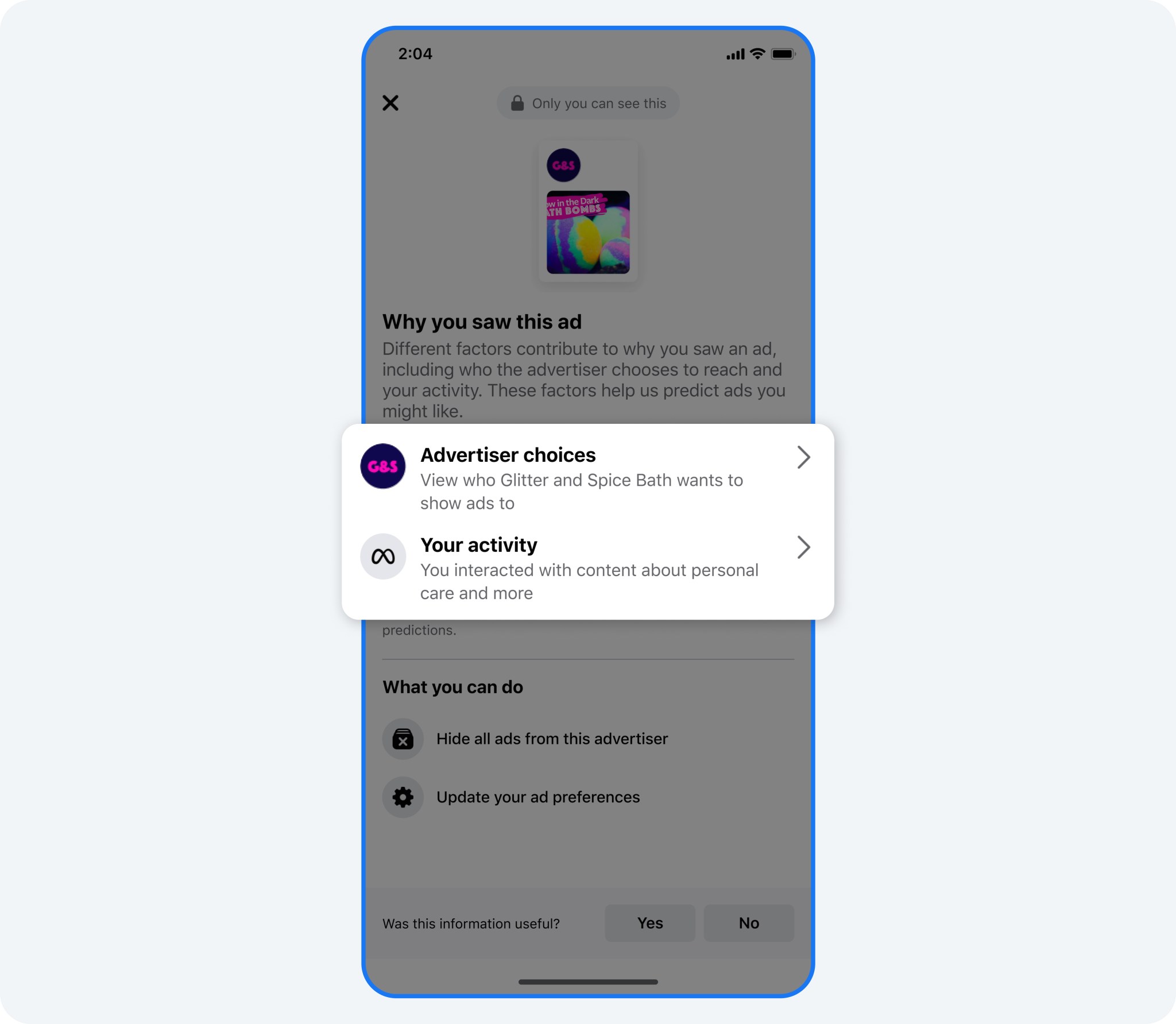
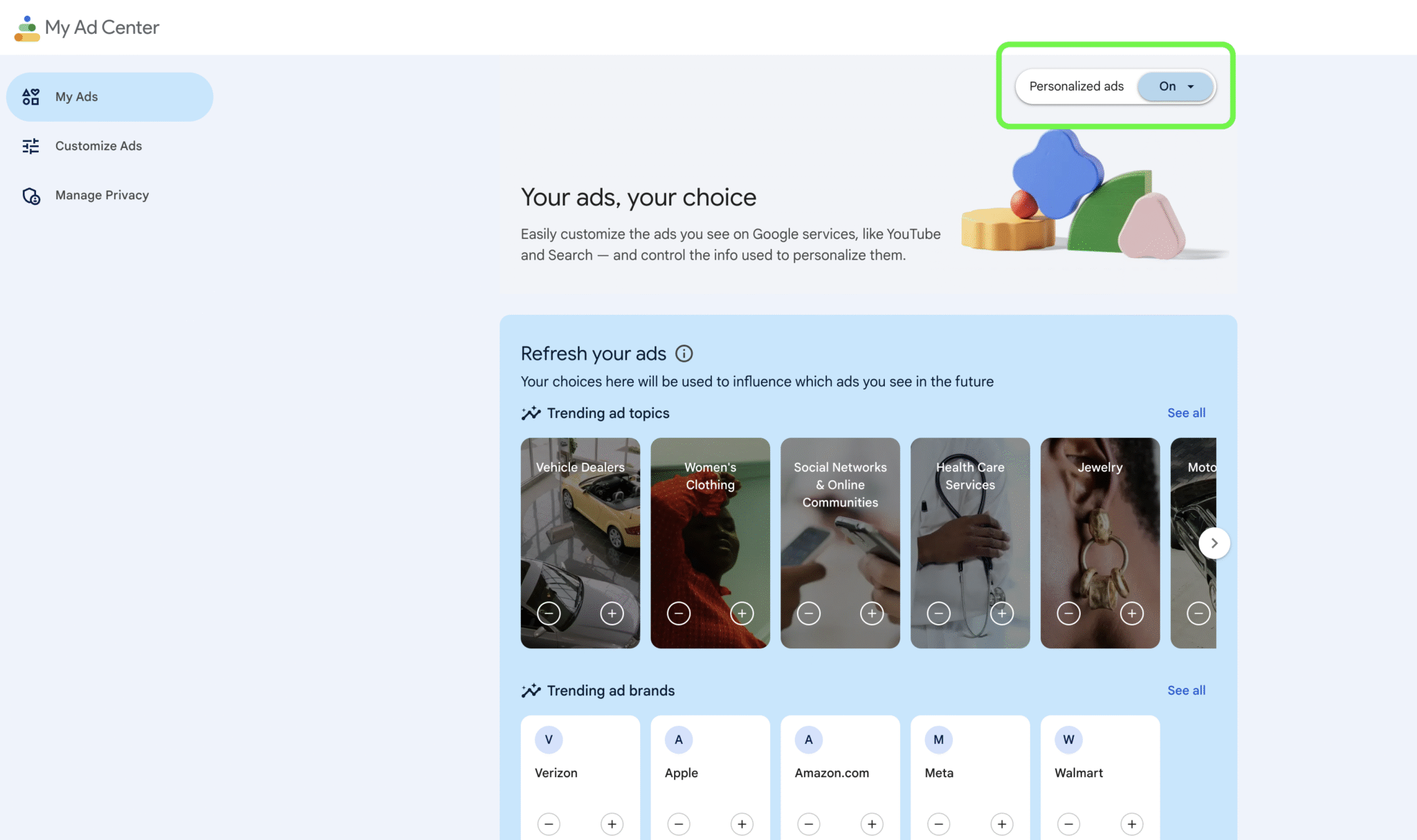
Most major platforms now offer a central "Ad Center" or "My Activity" page. Here, you can see the "Interests" the platform has assigned to you. If you find that you are being targeted for "Extreme Sports" but have no interest in them, you can manually remove that tag to improve ad relevance.
Opting Out of Personalization
You can choose to turn off "Personalized Ads." Note that this does not stop ads from appearing; it simply means the ads you see will be based on context (the website you are on) rather than your personal history. These ads are often less relevant and can feel more repetitive.
Technical Controls
For users seeking a more private experience, several technical solutions are available:
- Privacy-Focused Browsers: Browsers like Brave or configured versions of Firefox block many tracking scripts by default.
- DNS Filtering: Services like NextDNS or Pi-hole can block ad-serving domains at the network level.
- VPNs: A Virtual Private Network can mask your IP address, making geographic targeting less accurate.
- App Tracking Transparency (ATT): On mobile devices, ensure you utilize the "Ask App Not to Track" feature to limit how much data apps can share with third parties.
The Future of Advertising: Privacy Sandbox and Beyond
As of 2026, the industry has largely transitioned away from invasive individual tracking toward Privacy-Enhancing Technologies (PETs). Google’s Privacy Sandbox, for example, uses "Topics" and "Protected Audiences" APIs. Instead of telling an advertiser exactly who you are, your browser tells the advertiser that you belong to a group (or "cohort") of people interested in "Fitness" or "Cooking." This allows for relevant advertising while keeping your specific identity hidden from the advertiser.
Frequently Asked Questions
Is my phone listening to my conversations to show me ads?
There is no technical evidence that major platforms record ambient audio to serve ads. The "listening" phenomenon is usually a combination of two things: highly accurate predictive AI that knows your habits better than you do, and frequency bias, where you notice an ad more because you recently spoke about the topic, even though that ad might have been appearing for weeks.
Why do I keep seeing an ad for something I already bought?
This is a common flaw in the "attribution loop." If the advertiser’s "conversion pixel" doesn't fire correctly or if you bought the item in a physical store, the digital ad system has no way of knowing the purchase is complete. It continues to treat you as a high-intent prospect until the campaign expires.
Can I pay to remove ads from the entire internet?
No single subscription covers the whole web. However, many individual platforms (YouTube, Spotify, news outlets) offer "Premium" tiers that remove ads in exchange for a monthly fee. This is the "Subscription Economy" alternative to the "Ad-Supported Economy."
Are ads a security risk?
While most ads from reputable networks are safe, "malvertising" (malicious advertising) does exist. These are ads injected with scripts designed to download malware or redirect you to phishing sites. Using an updated browser and avoiding suspicious websites are the best defenses against these rare occurrences.
Why am I seeing ads in a language I don't speak?
This usually happens if you are using a VPN set to a different country, if you are browsing on a public Wi-Fi network that the system misidentifies, or if you have recently interacted with content in that language.
Practical Next Action
To take control of the ads you see, visit the privacy or ad settings of the platforms you use most (such as Google, Meta, or Amazon). Review the "Interests" assigned to you and delete any that are inaccurate. Additionally, check your browser settings to ensure "Global Privacy Control" (GPC) is enabled, which signals to websites that you do not want your data sold or shared for cross-site advertising.
Image Gallery