How the Arlo Pro 3 Works for Modern Home Security
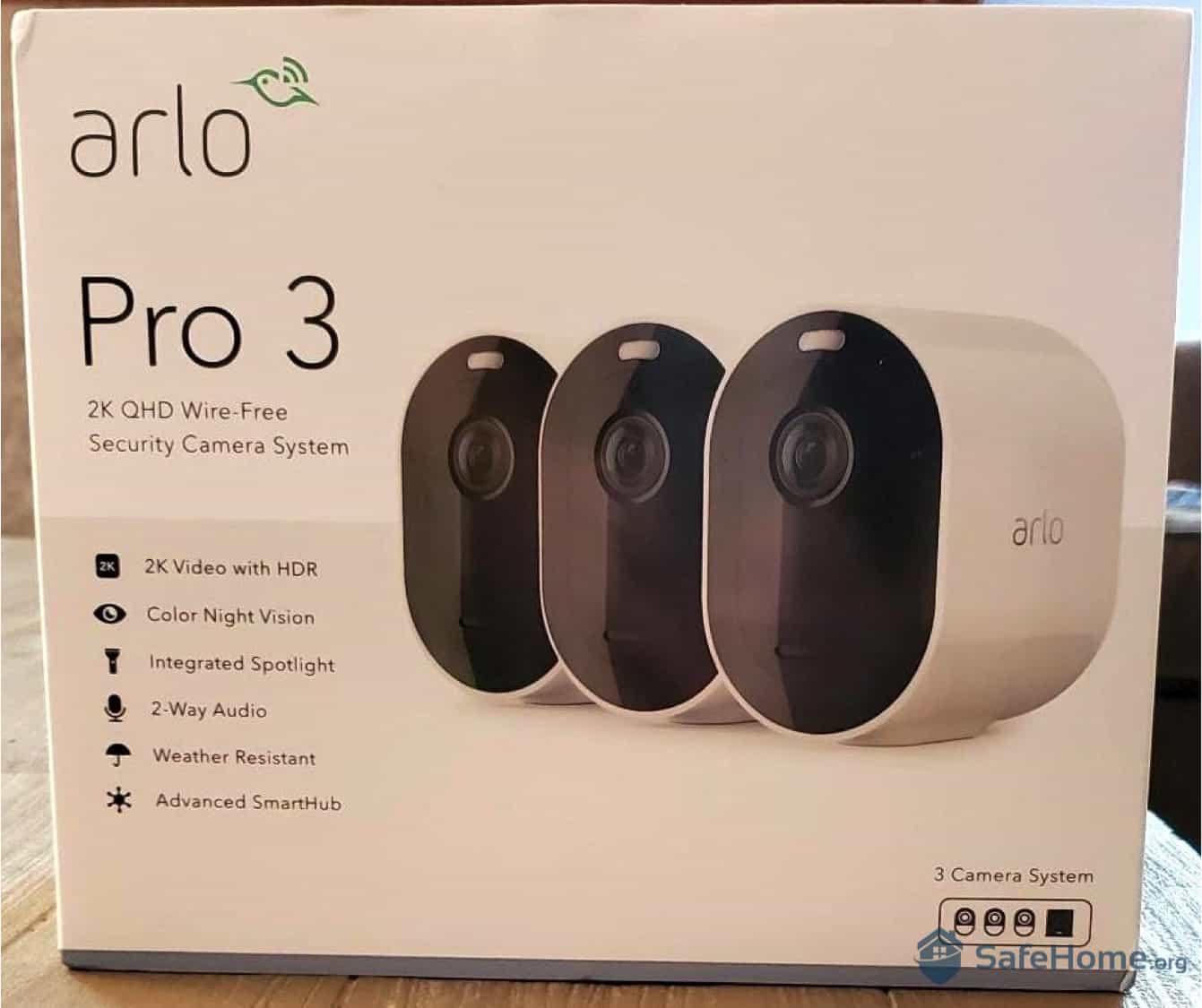
The Arlo Pro 3 functions as a high-definition, wire-free surveillance system that utilizes 2K HDR video, integrated spotlights, and a dedicated SmartHub to monitor property. It detects motion through Passive Infrared (PIR) sensors, tri...
The Arlo Pro 3 functions as a high-definition, wire-free surveillance system that utilizes 2K HDR video, integrated spotlights, and a dedicated SmartHub to monitor property. It detects motion through Passive Infrared (PIR) sensors, triggers real-time alerts to smartphones, and uses cloud-based AI to differentiate between humans, animals, and vehicles for precise security management.
Contents
The Technological Architecture of the Arlo Pro 3
To understand how the Arlo Pro 3 works, one must first look at its hybrid architecture. Unlike traditional wired CCTV systems that rely on constant power and local DVRs, or budget Wi-Fi cameras that connect directly to a router, the Arlo Pro 3 is designed around a specialized ecosystem. In the 2026 security landscape, this model remains a standard for balancing battery efficiency with high-performance video throughput.
The system relies on a SmartHub (Base Station). While some later models in the Arlo line allowed for direct Wi-Fi connection, the Pro 3 was specifically engineered to communicate with a hub (such as the VMB4540 or VMB5000). This hub acts as the "brain" of the operation. It creates a dedicated sub-network for the cameras, which reduces the load on your home Wi-Fi and extends the camera's battery life by managing the wireless handshake more efficiently than standard 2.4GHz Wi-Fi protocols.
The cameras themselves use a proprietary wireless frequency to communicate with the hub. When the camera is in "standby," it consumes minimal power. Only when the PIR sensor detects a heat signature does the camera "wake up" and begin transmitting the 2K video stream to the hub, which then pushes it to the Arlo cloud and your mobile device.
Visual Performance: 2K HDR and Color Night Vision
The primary job of any security camera is identification, and the Arlo Pro 3 achieves this through a resolution of 2560 x 1440 pixels. This 2K resolution provides significantly more detail than standard 1080p, allowing users to zoom in on faces or license plates with less pixelation.
High Dynamic Range (HDR)
One of the most critical aspects of how the Pro 3 works in real-world conditions is its HDR processing. Security cameras often face difficult lighting, such as a person standing in front of a bright sunset or a car with high-beam headlights. HDR allows the camera to automatically balance the brightest and darkest parts of an image. This ensures that details in the shadows aren't lost and highlights aren't "blown out," providing a clear image regardless of the sun's position.
Integrated Spotlight and Night Vision
Traditional night vision uses Infrared (IR) LEDs, which result in a grainy, black-and-white image. The Arlo Pro 3 changes this dynamic with an integrated LED spotlight. When motion is detected at night, the spotlight can be set to activate automatically. This serves two purposes:
- Deterrence: The sudden burst of light alerts an intruder that they have been spotted.
- Color Night Vision: The light provides enough illumination for the sensor to capture video in full color, which is vital for identifying the color of a getaway vehicle or an intruder’s clothing.
Motion Detection and AI Analytics
A security camera that alerts you every time a leaf blows past is a nuisance. The Arlo Pro 3 solves this through a tiered detection system. The hardware uses a Passive Infrared (PIR) sensor to detect moving heat signatures. Because it looks for heat rather than just changes in pixels, it is far less likely to be triggered by shadows or swaying trees.
However, the "modern" aspect of this security tool comes from the Arlo Secure AI. Once the camera detects motion and uploads the clip to the cloud, Arlo’s servers analyze the footage in milliseconds.
- Person Detection: Identifies human forms to distinguish between a family member and a stray cat.
- Vehicle Detection: Recognizes cars entering a driveway, which is useful for monitoring deliveries or unauthorized parking.
- Animal Detection: Allows users to mute notifications for pets while still recording the event.
- Package Detection: Specifically monitors the porch area for deliveries and alerts you when a box is dropped off or moved.
Users can define Activity Zones within the Arlo app. By drawing digital boundaries on the camera's field of view, you can instruct the system to ignore movement on a busy public sidewalk while remaining hyper-vigilant about anyone stepping onto your private lawn.
Power Management and Installation
The Arlo Pro 3 is famous for its "wire-free" design. It is powered by a rechargeable lithium-ion battery that typically lasts between three to six months on a single charge, depending on the frequency of recorded events and environmental temperature.
The camera uses a magnetic mount, which allows for a 160-degree field of view adjustment. This makes installation as simple as screwing a single mount into a wall and snapping the camera into place. Because there are no wires to run through the walls, it is an ideal solution for renters or homeowners who want to avoid professional installation costs.
For those who do not want to recharge batteries manually, the Arlo Pro 3 is compatible with Arlo Solar Panels. By connecting a small solar array via the magnetic charging port, the camera can maintain a perpetual charge, effectively making it a "set it and forget it" security solution.
Integration with the Smart Home Ecosystem
In 2026, home security is rarely a standalone silo. The Arlo Pro 3 is designed to work within a broader smart home framework. Through the Arlo SmartHub, the cameras can be integrated with:
- Amazon Alexa: Allowing you to view live feeds on an Echo Show or trigger routines (like turning on smart lights) when motion is detected.
- Google Assistant: Enabling voice commands to stream video to a Nest Hub or Chromecast.
- Apple HomeKit: Providing integration into the Home app on iOS devices, though this requires the use of a compatible Arlo Base Station.
- IFTTT: Creating complex "If This, Then That" recipes, such as locking smart deadbolts automatically if the Arlo Pro 3 detects a person after midnight.
Technical Specifications Comparison
To better understand where the Pro 3 sits in the hierarchy of modern security, consider the following technical comparison with its predecessors and successors.
| Feature | Arlo Pro 2 | Arlo Pro 3 | Arlo Ultra 2 |
|---|---|---|---|
| Max Resolution | 1080p HD | 2K HDR | 4K HDR |
| Field of View | 130 Degrees | 160 Degrees | 180 Degrees |
| Night Vision | Black & White | Color (via Spotlight) | Color (via Spotlight) |
| SmartHub Required | Yes | Yes (Recommended) | Yes |
| Audio | Two-Way Talk | Two-Way (Noise Cancel) | Two-Way (Premium) |
| Siren | Integrated in Hub | Integrated in Camera | Integrated in Camera |
| Connectivity | 2.4GHz Wi-Fi | Proprietary / Wi-Fi | Proprietary / Wi-Fi |
Subscription Requirements and Costs
One of the most important things to understand about how the Arlo Pro 3 works is the role of the Arlo Secure subscription. While the hardware is highly capable on its own, several of the advanced features are locked behind a monthly fee.
Without a subscription, the Arlo Pro 3 generally provides:
- Live video streaming.
- Basic push notifications.
- Two-way audio.
To access cloud storage (usually 30 days of video history), AI object detection, and Activity Zones, a subscription is required. In 2026, these plans are typically offered on a per-camera or "unlimited camera" basis. For users who prefer to avoid monthly fees, the Arlo SmartHub allows for local storage. By plugging a USB drive or MicroSD card into the base station, you can record footage locally, though viewing that footage remotely often requires specific network configurations or the Arlo app's direct storage access feature.
Common Challenges and Troubleshooting
Despite its advanced tech, users may encounter operational hurdles. Understanding these helps in maintaining a reliable security perimeter.
- Wi-Fi Signal Strength: Since the cameras communicate with the Hub, the distance between them is crucial. Thick masonry walls or interference from other 2.4GHz devices can cause "buffering" or offline status. Placing the Hub in a central location is the best fix.
- Battery Drain in Cold Weather: Lithium-ion batteries struggle in sub-zero temperatures. In extreme climates, the battery may discharge faster or refuse to charge via solar.
- False Triggers: If a camera is pointed at a high-traffic street, the PIR sensor might trigger too often. Adjusting the sensitivity in the Arlo app or refining the Activity Zones is necessary to preserve battery life.
Frequently Asked Questions
Does the Arlo Pro 3 require a monthly fee?
While you can use the camera for live viewing without a fee, a subscription to Arlo Secure is required for cloud video recording and advanced AI features like person and vehicle detection. Local storage is an alternative if you have a compatible SmartHub and a USB drive.
Can the Arlo Pro 3 work without a hub?
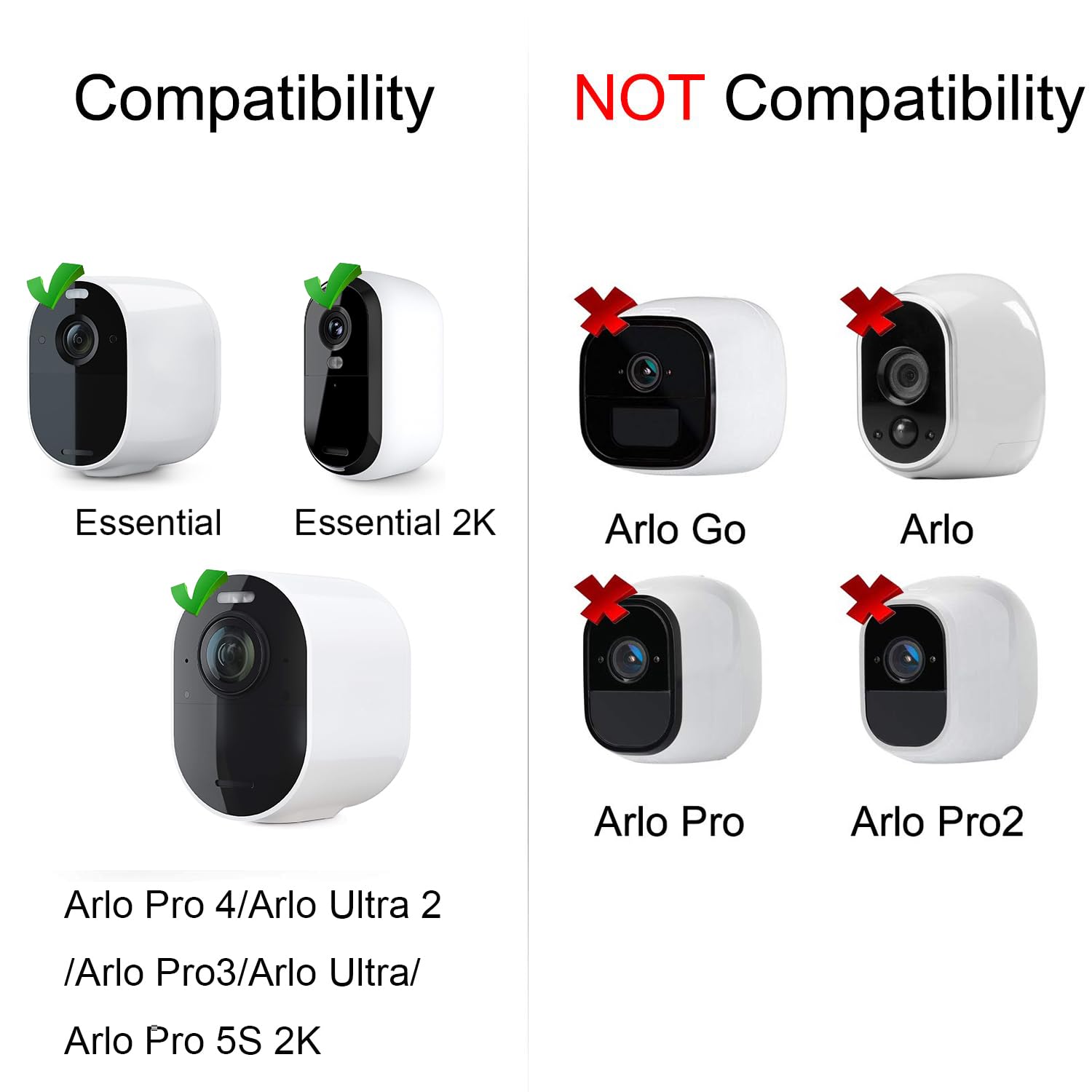
The Arlo Pro 3 was originally designed to work with an Arlo SmartHub. While newer models like the Pro 4 connect directly to Wi-Fi, the Pro 3 generally requires the hub for connectivity, which also helps provide HomeKit support and local storage options.
How loud is the built-in siren?
The siren on the Arlo Pro 3 is integrated into the camera itself and is loud enough to be heard by neighbors (approx. 80-90 decibels). It can be triggered manually via the app or set to go off automatically when motion is detected during specific hours.
Is the Arlo Pro 3 waterproof?
The Arlo Pro 3 is rated as weather-resistant. It is designed to withstand rain, snow, and heat. However, it should not be submerged in water. For extreme environments, protective skins are available to provide additional shielding.
Can I talk to people through the camera?
Yes, the Arlo Pro 3 features full-duplex two-way audio. This allows you to speak to delivery drivers or visitors in real-time through the Arlo app. The system includes noise-canceling technology to reduce wind and background noise during the conversation.
Practical Recommendation
If you are looking for a balanced home security solution in 2026, the Arlo Pro 3 remains a formidable choice. It strikes a "sweet spot" between the aging 1080p technology and the bandwidth-heavy 4K systems. For the best experience, pair the cameras with a Solar Panel to eliminate charging maintenance and ensure you have a robust Upload Speed (at least 2 Mbps per camera) to handle the 2K video streams. If your priority is high-detail identification without the massive storage requirements of 4K, the Pro 3 is an ideal anchor for a modern home security network.
Image Gallery