What the TSA Approved Carriers List Means for Travelers in 2026
The TSA approved carriers list primarily refers to the collection of airlines participating in the TSA PreCheck® program and the Indirect Air Carrier (IAC) database for specialized shipping. For travelers, these lists signify which air...
The TSA approved carriers list primarily refers to the collection of airlines participating in the TSA PreCheck® program and the Indirect Air Carrier (IAC) database for specialized shipping. For travelers, these lists signify which airlines offer expedited security screening and which third-party logistics providers are authorized to transport cargo on passenger aircraft under federal security protocols.
Contents
Understanding the distinction between an "approved airline" and "approved equipment" is the first step in navigating modern air travel. As of 2026, the Transportation Security Administration (TSA) maintains several distinct registries that impact how you move through an airport, how you transport your pets, and how you ship specialized luggage. While many retail products claim to be "TSA Approved," the agency generally sets compliance standards rather than endorsing specific brands. This guide clarifies the official lists and what they mean for your travel efficiency and security.
The TSA PreCheck Participating Carriers List
The most significant "approved list" for the average passenger is the roster of airlines participating in TSA PreCheck. When an airline is on this list, it has integrated its reservation system with the TSA’s Secure Flight database, allowing eligible travelers to receive expedited screening.
By 2026, the list of participating carriers has expanded to include over 95 domestic and international airlines. When you fly with an "approved" carrier, you are entitled to keep your shoes, belts, and light jackets on, and leave your laptops and 3-1-1 liquids in your carry-on bag.
Why Airline Participation Matters
Not every airline that flies into or out of the United States is a TSA PreCheck participant. If you book a flight with a small regional carrier or a foreign airline that has not entered into a formal agreement with the TSA, you will not receive the "TSA PRE" indicator on your boarding pass, even if you are a verified member of the program. This is because the airline must be able to transmit your Known Traveler Number (KTN) securely to the Department of Homeland Security (DHS) to trigger the expedited status.
Verifying a Carrier’s Status
Before booking, travelers should consult the official TSA PreCheck map and list. If your airline is not listed, you will be required to go through standard security lines. For international travelers, this is particularly relevant when booking multi-leg flights where the domestic leg is on a participating US carrier, but the international leg is on a non-participating foreign partner.
The Indirect Air Carrier (IAC) Approved List
For travelers who need to ship oversized items, professional equipment, or unaccompanied pets, the Indirect Air Carrier (IAC) list is the relevant "approved" directory. An IAC is a person or entity within the United States, not in possession of an FAA air carrier operating certificate, that undertakes to engage indirectly in air transportation of property.
Shipping as a "Known Shipper"
If you are shipping items via a freight forwarder or a specialized courier, that entity must be on the TSA’s approved IAC list to place your items on a passenger aircraft. Following the 100% screening mandate for cargo on passenger planes, being an approved IAC means the company follows rigorous security programs mandated by the TSA.
For travelers, using an approved IAC ensures:
- Chain of Custody: Your goods are handled by personnel who have undergone Security Threat Assessments (STAs).
- Speed: Approved carriers have established screening protocols that prevent lengthy delays at airport cargo facilities.
- Safety: Specialized items, such as lithium batteries or biological samples, are handled according to the latest 2026 safety regulations.
Travelers can verify an IAC’s status through the TSA Indirect Air Carrier Management System (IACMS).
"TSA Approved" Pet Carriers: Standards vs. Endorsements
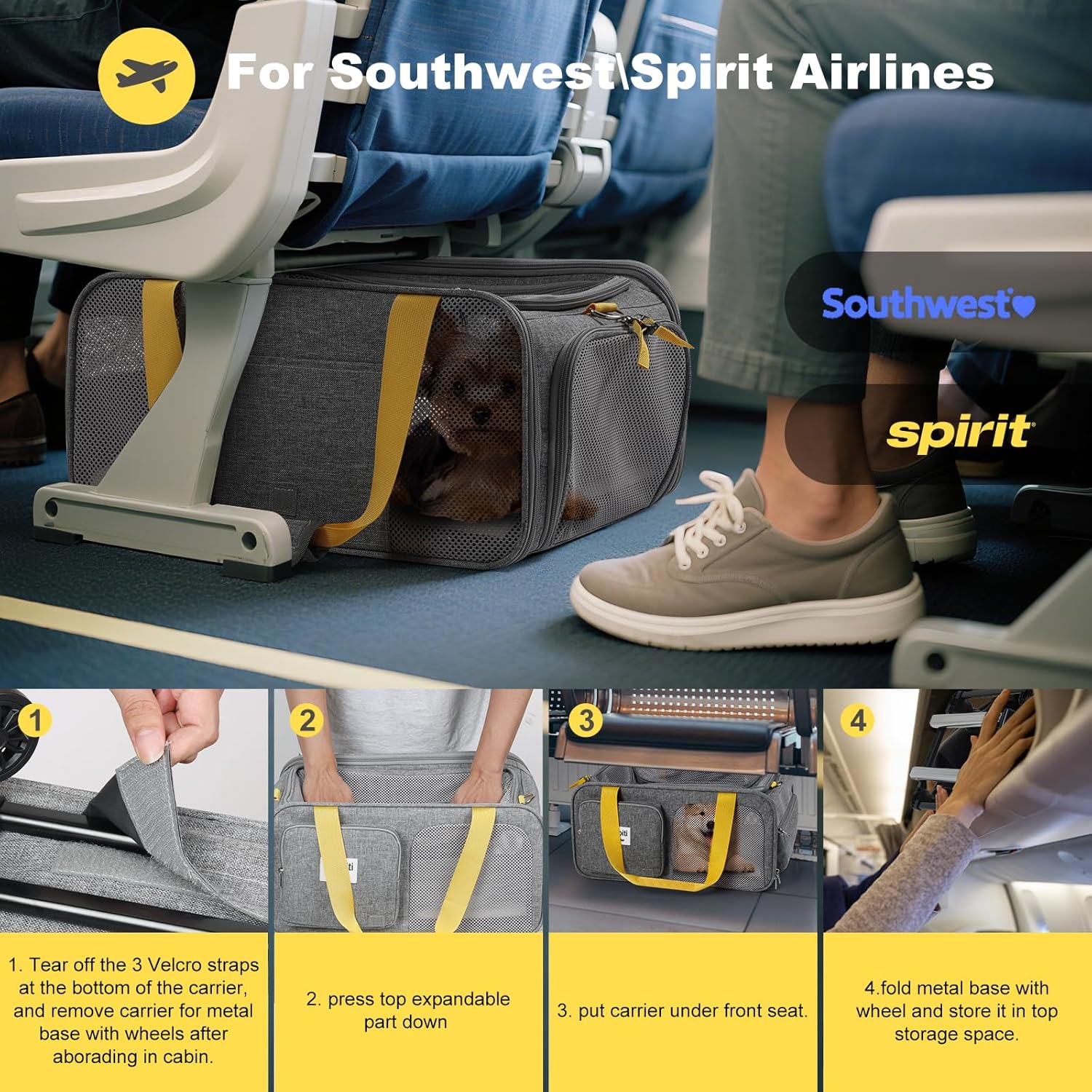
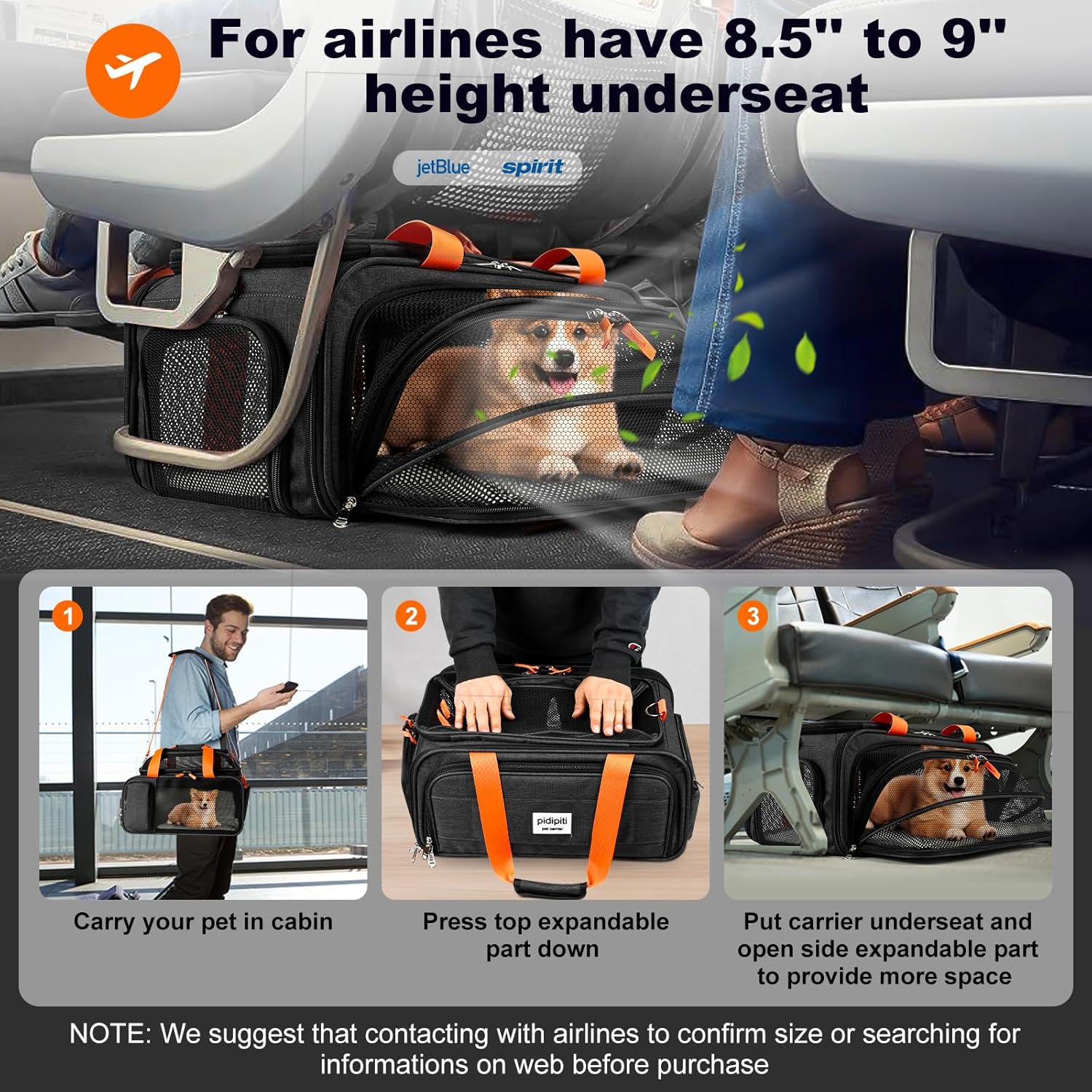
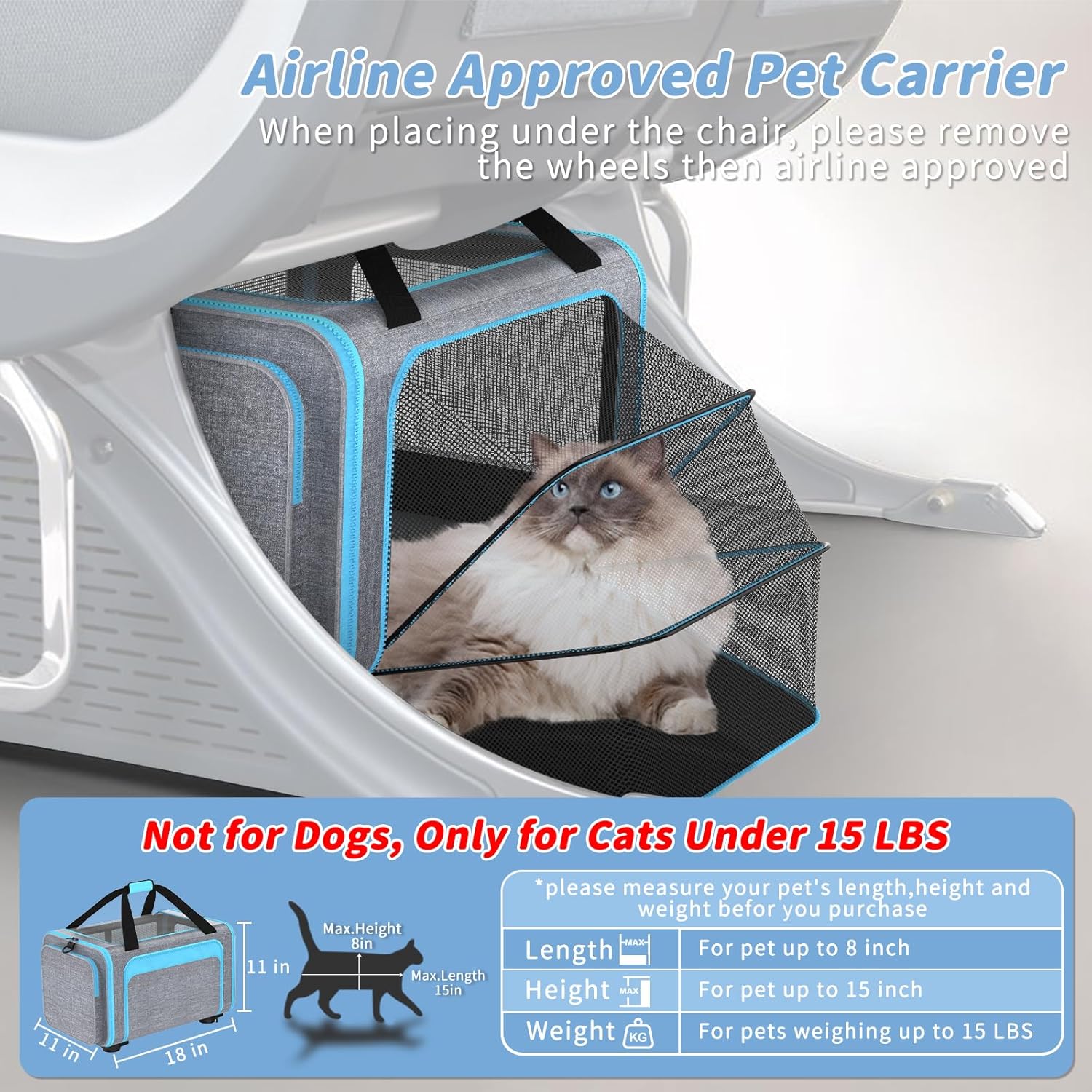
A common point of confusion involves "TSA Approved" pet carriers sold in retail stores. It is important to note that the TSA does not approve, endorse, or certify specific brands of pet carriers.
When a manufacturer labels a product as "TSA Approved," it generally means the carrier is designed to meet the TSA’s security screening requirements. However, the ultimate "approval" for a pet carrier comes from the airline, not the TSA. Each airline has specific under-seat dimensions and ventilation requirements that vary by aircraft type.
TSA Requirements for Pet Carriers
What the TSA actually "approves" is the process of how the carrier is handled at the checkpoint. To be compliant with security protocols, a carrier must:
- Allow the pet to be easily removed for manual screening or for the passenger to carry the pet through the metal detector.
- Be made of material that can be effectively X-rayed when empty.
- Fit through the X-ray tunnel if the pet is removed.
Airline vs. TSA Approval
While the TSA focuses on the security risk of the carrier, the airline focuses on the safety and comfort of the animal and the fit within the cabin. A carrier that passes TSA security might still be rejected at the gate if it exceeds the airline’s specific 2026 dimensional limits. Travelers should always cross-reference the International Air Transport Association (IATA) standards with their specific airline’s pet policy.
Hardware and Luggage: The Meaning of TSA-Recognized Locks
The "TSA Approved" list also extends to security hardware, specifically luggage locks. These are locks that can be opened by TSA officers using a universal master key, preventing the need for officers to cut a lock during a bag search.
The Role of Travel Sentry and SafeSkies
The TSA works with organizations like Travel Sentry and SafeSkies to maintain the standards for these locks. If a lock is "approved," it will feature a specific logo (usually a red diamond or a red torch).
For travelers, using an approved lock means:
- Reduced Property Damage: If your checked bag is selected for a physical inspection, the TSA can open it without destroying the locking mechanism.
- Re-locking Assurance: Most TSA-recognized locks are designed so that the master key cannot be removed until the lock is returned to the secured position, ensuring your bag remains closed after inspection.
| Category | Official List Source | What "Approved" Means | User Responsibility |
|---|---|---|---|
| Airlines (PreCheck) | TSA.gov | Airline can process KTNs for expedited screening. | Check participation before booking. |
| Cargo (IAC) | IACMS | Company is authorized to ship on passenger planes. | Verify company credentials for freight. |
| Pet Carriers | None (Industry Standard) | Marketed to meet screening accessibility rules. | Check airline-specific dimensions. |
| Luggage Locks | Travel Sentry / SafeSkies | TSA can open with a master key. | Look for the red diamond/torch logo. |
| Firearm Cases | TSA Regulation 1544 | Must be hard-sided and lockable (no master key). | Use non-TSA locks for firearms. |
Specialized Carriers: Firearms and Hazardous Materials
The TSA approved carriers list takes on a different meaning when transporting firearms or hazardous materials. For firearms, the "carrier" (the case) must meet specific federal criteria under 49 CFR Part 1544.
The Firearm Case Exception
Unlike standard luggage, the TSA specifically mandates that firearm cases should not be accessible by a TSA master key. Only the passenger should retain the key or combination. In this context, an "approved carrier" is any hard-sided, completely secured container that prevents the contents from being accessed or the case from being easily forced open.
Hazardous Materials and Dry Ice
For 2026, the TSA has updated its guidelines on carriers for dry ice and other potentially hazardous materials. These containers must be vented to allow for the release of carbon dioxide gas. Using a non-approved, airtight container for dry ice is a safety violation that can lead to fines and the removal of the item from the aircraft.
Common Mistakes When Following "Approved" Lists
Even with official lists, travelers often encounter friction at the airport due to several common misunderstandings:
- Assuming Reciprocity: Just because an airline is "TSA Approved" for PreCheck does not mean it offers the same benefits at every airport it serves. International stations often do not have PreCheck lanes.
- Confusing TSA and FAA: The TSA handles security (is it a bomb?), while the FAA handles safety (will it catch fire or block an exit?). A carrier must meet both sets of standards to be truly "travel-ready."
- Ignoring Aircraft Type: An "approved" pet carrier that fits on a Boeing 787 may not fit under the seat of a regional Embraer 175. Always check the equipment type for your specific flight.
- Neglecting Updates: The TSA participating carriers list is dynamic. New airlines are added regularly, and occasionally, airlines are removed if they fail to maintain security data standards.
FAQ: TSA Approved Carriers and Compliance
How do I know if my airline is on the TSA PreCheck list? You can check the participating airlines list on the TSA website. If your airline is listed, ensure your Known Traveler Number (KTN) is added to your profile at the time of booking. The "TSA PRE" logo must appear on your boarding pass for you to use the expedited lane.
Are there specific brands of pet carriers that the TSA recommends? No. The TSA does not recommend specific brands. They only require that the pet can be removed for screening and that the carrier can be inspected. Always prioritize your airline’s dimensional requirements over "TSA Approved" marketing labels on retail products.
What happens if I use a non-TSA lock on my checked bag? If the TSA needs to inspect your bag and you are using a non-approved lock, they are authorized to cut the lock to gain access. They are not liable for the damage to the lock or the zipper. Using a TSA-recognized lock allows them to use a master key instead.
Can an airline be removed from the TSA approved list? Yes. Airlines must comply with ongoing security audits and technical requirements to remain in the PreCheck program. If a carrier’s security protocols or data systems fall out of compliance with DHS standards, their participation can be suspended.
Does the "TSA Approved" status apply to international flights? Yes, but primarily for flights departing from U.S. airports. While many international airlines are on the approved list, they only offer PreCheck benefits at U.S. domestic checkpoints. When returning to the U.S. from a foreign airport, PreCheck is generally unavailable unless that airport has a U.S. Customs and Border Protection (CBP) Preclearance facility.
Expert Recommendation for 2026 Travelers
When navigating the complexities of TSA approved carriers, your best strategy is verification at the point of booking. Do not rely on "TSA Approved" labels found on consumer products; instead, use the official TSA PreCheck list for your flights and your specific airline’s contract of carriage for pet and equipment dimensions. If you are shipping specialized goods, always ask the provider for their TSA Indirect Air Carrier (IAC) certification number to ensure your cargo is not delayed by security hold-ups.
Image Gallery