What Changed in the Drake and Josh Driver's License Episode?
The primary changes in the "Driver's License" episode of Drake & Josh (Season 2, Episode 4) involve significant syndication cuts to dialogue, the replacement of copyrighted background music for streaming services like Paramount+, and t...
The primary changes in the "Driver's License" episode of Drake & Josh (Season 2, Episode 4) involve significant syndication cuts to dialogue, the replacement of copyrighted background music for streaming services like Paramount+, and technical upscaling for modern 4K displays. While the core plot—Josh failing his test while Drake passes through luck—remains identical, the pacing and visual clarity differ greatly between the 2004 original broadcast and the 2026 digital versions.
Contents
Overview of the "Driver's License" Episode
To understand the changes, one must first look at the episode's original context. Premiering on March 14, 2004, "Driver's License" became a foundational piece of the Drake & Josh mythos. It perfectly encapsulates the "Odd Couple" dynamic: Josh Nichols (Josh Peck), the rule-following, over-prepared student who fails due to nerves and an overly strict instructor, and Drake Parker (Drake Bell), the charismatic slacker who breezes through the process despite having zero technical knowledge.
The episode's central conflict—Josh’s embarrassment at being chauffeured by his younger brother (in reality, Drake is older, but they are in the same grade)—drives the narrative toward a climax involving a high-stakes drive to save their father, Walter. However, as the show moved from its original Nickelodeon run into global syndication and eventually onto streaming platforms, the episode underwent several "invisible" transformations that fans often notice only upon a side-by-side rewatch.
Syndication Trimming and Pacing Edits
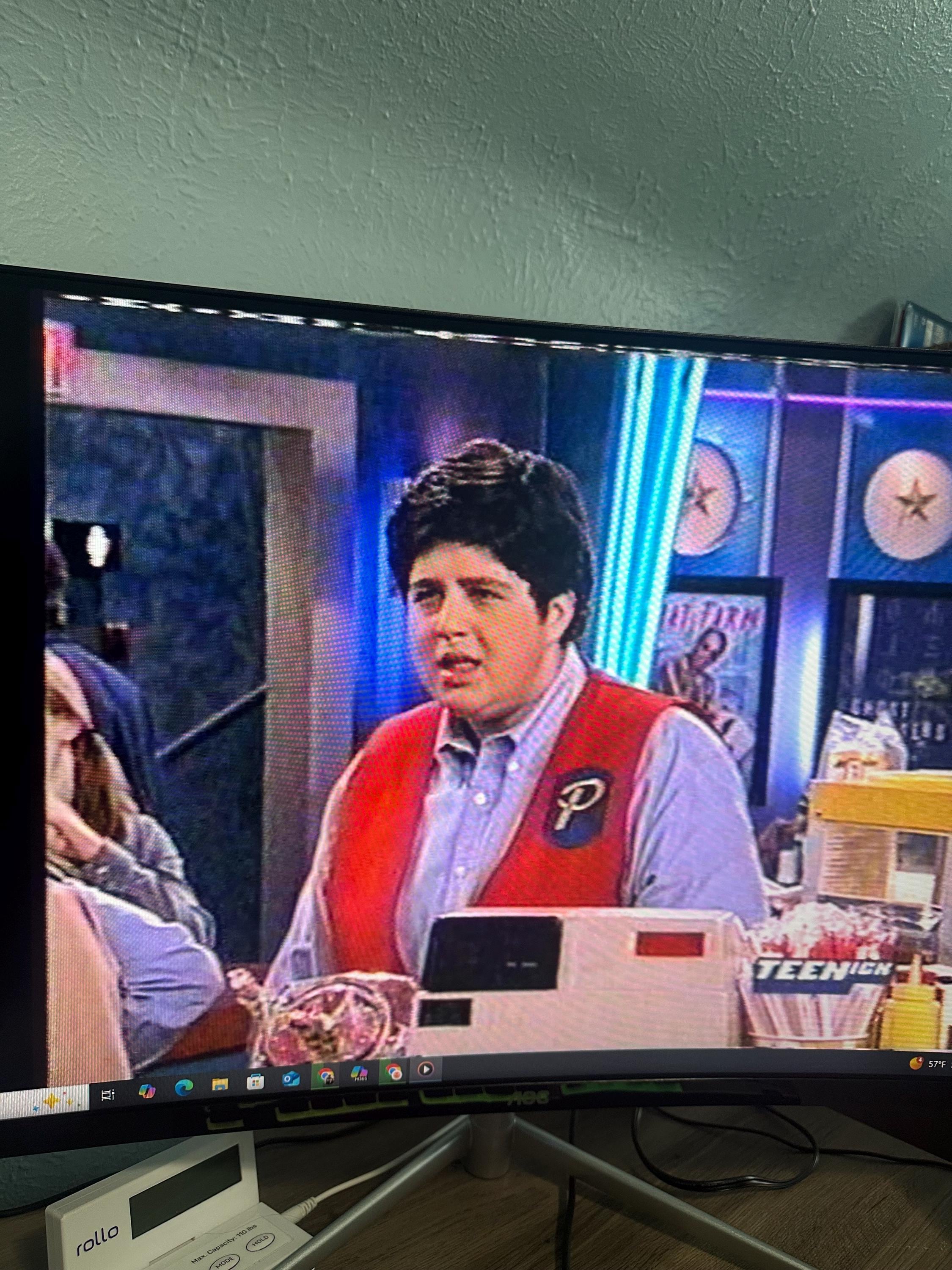
The most frequent change encountered by viewers in 2026 is the "syndication cut." When Drake & Josh moved to networks like TeenNick or local broadcast syndication, the runtime of the episodes had to be shortened to accommodate an increase in commercial advertisements.
Originally produced for a roughly 24-minute slot (including commercials), the episode was trimmed down to approximately 21 minutes for later airings. This resulted in the removal of:
- Buffer Scenes: Small transitional shots of the house or the exterior of the DMV (Department of Motor Vehicles) were shortened or removed.
- Minor Dialogue Beats: In the original broadcast, Josh’s interactions with the DMV clerk involved more "neurotic" banter that was deemed non-essential to the plot.
- The "Tag" Scene: The very end of the episode, which often features a final joke during the credits, is frequently compressed or cut entirely in broadcast syndication to make room for "split-screen" credits promoting the next show.
Music Licensing and Audio Replacements
One of the most jarring changes for long-time fans involves the audio. During the mid-2000s, Nickelodeon frequently used popular music or specific stock tracks that were licensed for a limited timeframe. By the time the show reached streaming platforms like Paramount+ and Netflix in the 2020s, many of these licenses had expired.
In the "Driver's License" episode, background music during the montage of Josh studying or the scenes in the car has been replaced in several international territories. The original "vibe" of the music was often pop-rock centered around the "Drake 24/7" sound. In 2026 streaming versions, these are often replaced by generic, royalty-free instrumental tracks that mimic the tone of the original but lack the specific cultural "stamp" of the 2004 production.
Technical Upscaling and Visual Clarity
As of 2026, Drake & Josh has undergone significant digital restoration. The original show was filmed in Standard Definition (SD) with a 4:3 aspect ratio, intended for "tube" televisions.
Resolution and Color Grading
The current versions available on high-definition platforms have been upscaled using AI-enhanced interpolation. While this makes the image sharper, it has introduced a "change" in how the show looks:
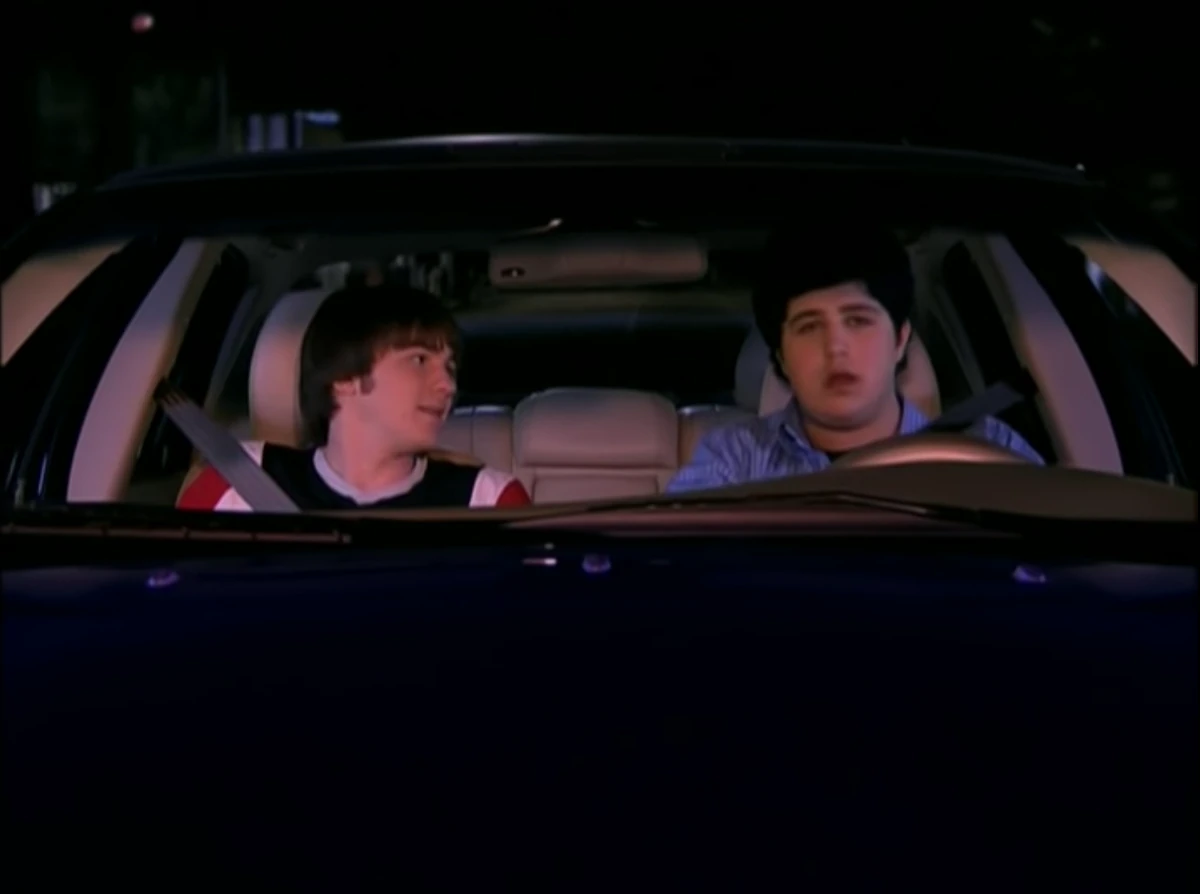
- Set Details: High-definition reveals the "flatness" of the DMV set and the fact that the car interior scenes were clearly shot on a soundstage with a green screen (or rear-projection). In 2004, the low resolution masked these production limitations.
- Color Saturation: The color palette has been "warmed up" in modern remasters. The original 2004 broadcast had a slightly cooler, more "video-like" tint, whereas the 2026 versions look more cinematic, though some purists argue this loses the "classic Nick" aesthetic.
The Aspect Ratio Debate
Some streaming versions have attempted to "stretch" or "crop" the 4:3 footage into a 16:9 widescreen format to fill modern TVs. This is a significant change because it often cuts off the top of the actors' heads or bottom-of-screen visual gags. Fortunately, most reputable streaming services now offer the "Pillarbox" version, which preserves the original 4:3 ratio with black bars on the sides.
Standard and Practices (Censorship)
Over the years, certain lines in various Drake & Josh episodes have been edited for "sensitivity" or to meet evolving Standards and Practices (S&P) guidelines. In "Driver's License," the edits are minimal but notable.
For instance, certain "aggressive" insults or jokes regarding the DMV instructor’s physical appearance or temperament have, in some international syndication packages, been softened or removed to ensure the show remains a "TV-G" rating in all markets. While no major plot points were altered, the "edge" of the 2004 teenage banter is occasionally blunted in these modern iterations.
Comparison of Versions: 2004 vs. 2026
| Feature | Original Broadcast (2004) | Streaming/Syndicated Version (2026) |
|---|---|---|
| Resolution | 480i (Standard Definition) | 1080p/4K (AI Upscaled) |
| Aspect Ratio | 4:3 (Square) | 4:3 (Pillarboxed) or 16:9 (Cropped) |
| Runtime | ~22-23 Minutes | ~20-21 Minutes (Syndicated) |
| Music | Original licensed pop/rock tracks | Generic library replacements (in some regions) |
| Visual Effects | Soft, hidden by low resolution | Sharp, revealing green-screen edges |
| Credits | Full-screen, original music | Split-screen or compressed |
The DMV Instructor and Character Continuity
A common question regarding "what changed" involves the DMV instructor, Mr. Gofoor. In the original script and airing, he is presented as the ultimate antagonist to Josh’s perfectionism. There have been fan theories suggesting the character was meant to be a recurring "mean teacher" archetype, similar to Mrs. Hayfer.
However, the "change" here is actually a lack of change—fans often misremember the instructor being related to other characters. In reality, the episode has remained a standalone "bottle" moment for that character. The only tangible change is in the clarity of the performance; with modern upscaling, the subtle comedic facial expressions of the background actors in the DMV lobby are much more visible, adding a layer of depth to the scene that was lost in the 2004 "fuzz."
FAQs About the "Driver's License" Episode
Why does the music sound different on Paramount+?
Music licensing is usually time-bound. When Nickelodeon produced Drake & Josh in 2004, they likely didn't secure "in perpetuity" rights for streaming, which didn't exist in its current form. Consequently, they must replace copyrighted tracks with cheaper alternatives to avoid legal disputes.
Was there a deleted scene where Josh actually passes the test?
No. A common "Mandela Effect" among fans is the belief that a version exists where Josh passes. In all official versions, Josh fails the test initially. The "triumph" comes later in the episode when he drives successfully under pressure, but his legal license status doesn't change until later in the series.
Is the episode shorter on streaming than it was on TV?
Generally, yes. While streaming platforms don't have commercial breaks, they often use the "syndicated masters" provided by the studio. These masters were already shortened by 1-2 minutes for TV commercials, meaning the "lost" footage is rarely restored for digital platforms.
Did they change the "I do not find it cool" line?
No, this iconic line remains intact. It is considered one of the most meme-able moments of the series, and Nickelodeon has preserved it in every version, including international dubs, due to its popularity.
Are there changes to the car used in the episode?
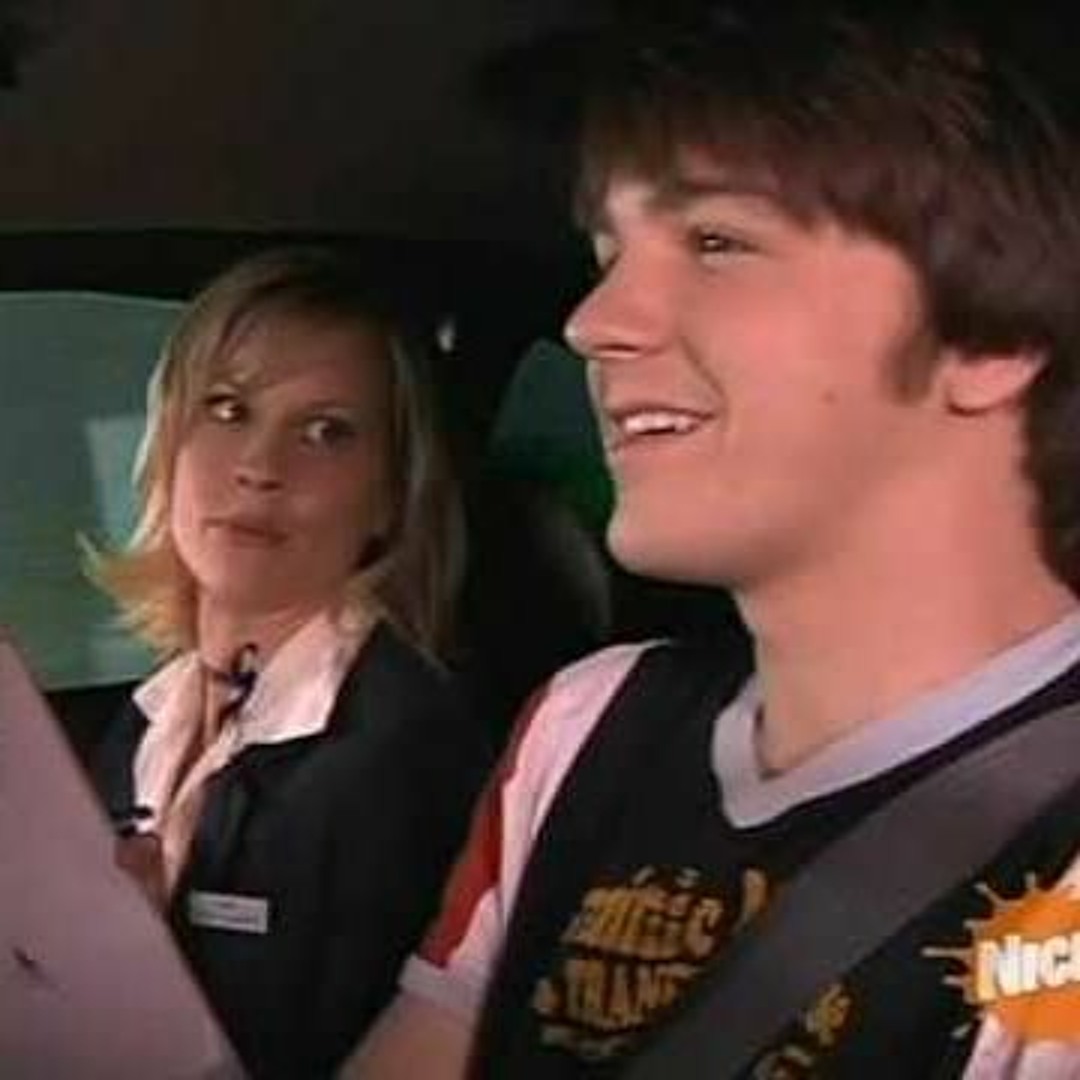
The car—a silver Chevrolet—remains the same, but the "D&J" license plate and other details are much easier to read in the 2026 4K remasters. In the original SD broadcast, the license plate was often a blur.
Final Recommendation for Viewers
If you are looking to experience the "Driver's License" episode as it was originally intended, the best method remains the original Season 2 DVD sets. These discs contain the full-length episodes before syndication trimming and typically feature the original music cues that were present during the 2004 broadcast. For those who prioritize visual quality, the 2026 4K streaming remasters are superior in clarity but do come with the trade-off of minor dialogue trims and replaced background audio. For the most authentic nostalgia trip, aim for the unedited DVD versions.
Image Gallery