Understanding Gross Net Worth: Definition, Calculation, and Financial Significance
Gross net worth represents the total market value of all financial and physical assets owned by an individual or entity before any liabilities or debts are subtracted. While standard net worth measures solvency, gross net worth measure...
Gross net worth represents the total market value of all financial and physical assets owned by an individual or entity before any liabilities or debts are subtracted. While standard net worth measures solvency, gross net worth measures the absolute scale of one’s financial footprint and the total volume of resources under their control.
Contents
Defining Gross Net Worth in the Modern Financial Landscape
In the financial environment of 2026, the concept of gross net worth (GNW) has gained renewed importance as asset classes have diversified into digital and tokenized realms. Traditionally, net worth is the primary metric for financial health, calculated by subtracting total liabilities from total assets. However, gross net worth ignores the "minus" side of the ledger. It focuses exclusively on the "plus" side, aggregating the fair market value of everything you own.
Understanding GNW is critical because it represents your total economic reach. For high-net-worth individuals (HNWIs) and institutional investors, the gross figure often determines their eligibility for certain types of credit, investment tiers, and insurance products. It is the "top-line" number of a personal or corporate balance sheet, serving as a measure of gross exposure to market movements.
While your net worth tells you if you are "in the black," your gross net worth tells you the size of the engine you are driving. A person with $10 million in assets and $8 million in debt has a net worth of $2 million. Another person with $2 million in assets and no debt also has a net worth of $2 million. However, their gross net worths—$10 million and $2 million, respectively—reveal vastly different financial lives, risk profiles, and operational capacities.
Gross Net Worth vs. Net Worth: The Critical Distinctions
To fully grasp gross net worth, one must understand how it interacts with and differs from the more common "net" figure. The distinction lies entirely in the treatment of liabilities.
The Net Worth Calculation
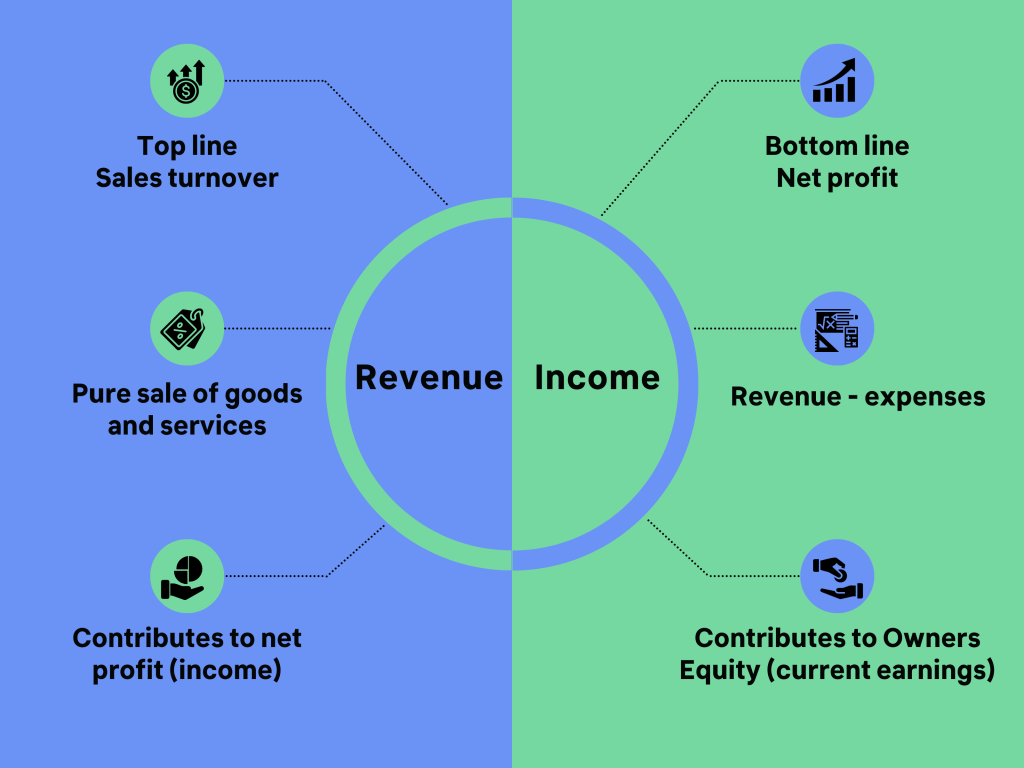
Net worth is the "bottom line." It is the value that would remain if all assets were liquidated and all debts were paid off immediately. It is the definitive measure of wealth and financial stability.
- Formula: Total Assets - Total Liabilities = Net Worth.
The Gross Net Worth Calculation
Gross net worth is the "top line." It represents the total value of assets managed or owned. It is a measure of capacity and collateral potential.
- Formula: $\sum$ (Fair Market Value of All Assets) = Gross Net Worth.
Financial institutions often look at both. Net worth indicates the ability to weather a financial storm, while gross net worth indicates the complexity of the estate and the potential for generating revenue. In 2026, where leverage is frequently used to amplify returns in real estate and private equity, GNW provides a clearer picture of an investor's total market presence.
How to Calculate Gross Net Worth: A Step-by-Step Breakdown
Calculating gross net worth requires a comprehensive audit of all holdings. Because GNW ignores debt, you do not need to worry about mortgages, credit card balances, or student loans during this specific calculation.
1. Liquid Assets and Cash Equivalents
The first step is totaling all cash and assets that can be converted to cash quickly without significant loss in value.
- Checking and Savings Accounts: Use the current balance as of the reporting date.
- Certificates of Deposit (CDs): Include the principal and any accrued interest.
- Money Market Funds: Use the current NAV (Net Asset Value).
2. Invested Assets (Marketable Securities)
This category includes assets held in brokerage accounts and retirement vehicles.
- Equities (Stocks): Use the current fair market value (FMV).
- Fixed Income (Bonds): Use the current secondary market price, not necessarily the face value.
- Mutual Funds and ETFs: Total the value based on the most recent closing prices.
- Retirement Accounts: Include 401(k)s, IRAs, and pension valuations. Even if these are subject to future taxes, their gross value is what counts for GNW.
3. Real Estate and Physical Property
For many, real estate forms the largest portion of gross net worth.
- Primary Residence: Use a conservative estimate based on recent comparable sales (comps).
- Investment Properties: Include the full market value of commercial or residential rentals. Crucially, do not subtract the mortgage balance.
- Personal Property: Value high-ticket items like vehicles, boats, jewelry, and fine art. In 2026, professional appraisals are recommended for collectibles to ensure accuracy.
4. Alternative and Digital Assets
As of 2026, digital assets are integrated into standard financial reporting.
- Cryptocurrencies and Tokens: Value these at the current exchange rate in your functional currency (e.g., USD).
- Private Equity/Business Interests: Estimate the value of ownership stakes in non-public companies. This often requires a multiple of earnings or a professional valuation.
- Intellectual Property: Include the estimated value of patents, trademarks, or royalty streams.
| Asset Category | Included Items | Valuation Method |
|---|---|---|
| Cash/Liquid | Savings, Checking, CDs | Current Balance |
| Investments | Stocks, Bonds, ETFs, 401(k) | Market Price (FMV) |
| Real Estate | Home, Rental Property, Land | Appraisal / Comps |
| Tangible Goods | Vehicles, Art, Jewelry | Resale Value |
| Digital/Alt | Crypto, Private Equity, IP | Exchange Rate / Earnings Multiple |
Why Gross Net Worth Matters to Lenders and Creditors
In the eyes of a bank or a senior technical SEO editor of financial profiles, gross net worth is a proxy for economic power. While net worth shows what you "keep," gross net worth shows what you "handle."
Collateralization and Loan-to-Value (LTV)
Lenders use gross asset values to determine how much they are willing to lend. For example, in a commercial real estate deal, a lender looks at the gross value of the property to set the loan amount. Your GNW across your entire portfolio tells a lender how much total collateral you could theoretically pledge.
Qualified and Accredited Investor Status
Regulatory bodies, such as the U.S. Securities and Exchange Commission (SEC), use wealth thresholds to determine who can participate in private placements or hedge funds. While net worth is the standard metric for "Accredited Investor" status (typically $1 million excluding the primary residence), gross assets are often used by institutions to classify "Qualified Purchasers" (who may need $5 million or more in investments).
Insurance Underwriting
For high-value personal liability or "umbrella" insurance, underwriters look at gross net worth. They need to know the total value of assets that could be at risk in a legal judgment. A higher GNW often necessitates higher coverage limits because it makes the individual a more attractive target for litigation.
Common Mistakes When Assessing Gross Net Worth
Because gross net worth seems simpler than net worth (since there is no subtraction), many people become careless in their estimations.
Overvaluing Illiquid Assets
A common error is using "purchase price" or "emotional value" for physical goods. In 2026, the secondary market for luxury goods and certain real estate sectors can be volatile. Always use Fair Market Value (FMV)—the price a willing buyer would pay a willing seller in an arm's-length transaction.
Ignoring Depreciation
Vehicles and machinery lose value over time. If your gross net worth calculation includes a fleet of cars or industrial equipment, you must account for depreciation. Using a five-year-old purchase price will result in a significantly inflated and inaccurate GNW.
Confusing Gross Income with Gross Net Worth
Gross income is a flow of money over a period (usually a year). Gross net worth is a snapshot of total ownership at a specific moment. A high gross income does not guarantee a high gross net worth if those earnings are not converted into assets.
Strategic Planning: Using GNW to Your Advantage
Understanding your gross net worth allows for more sophisticated financial maneuvering. It is the starting point for asset allocation and risk management.
- Diversification Analysis: By looking at your GNW, you can see if you are "over-concentrated" in one area. If 80% of your gross assets are in real estate, you may be at high risk if that sector dips, regardless of how much equity (net worth) you have in those properties.
- Estate Planning: Gross net worth is the figure used to determine the size of a taxable estate. In 2026, with evolving tax thresholds following the expiration of previous fiscal policies, knowing your GNW is the first step in implementing trusts or gifting strategies to minimize future estate tax burdens.
- Leverage Optimization: GNW helps you calculate your Debt-to-Asset ratio. If your gross assets are $5 million and your debts are $1 million, you have a 20% leverage ratio. This indicates significant room to use debt strategically to acquire more assets, should the economic conditions be favorable.
Frequently Asked Questions
Does gross net worth include the value of my primary residence?
Yes. Gross net worth includes the total fair market value of all real estate holdings, including your primary residence. Unlike some specific "Accredited Investor" tests that exclude the primary home for net worth calculations, the gross net worth metric is an all-inclusive sum of everything you own.
How often should I calculate my gross net worth?
For most individuals, an annual review is sufficient. However, for those with significant holdings in volatile assets like equities or cryptocurrencies, a quarterly update may be necessary to maintain an accurate picture of market exposure and to ensure insurance limits remain adequate.
Is gross net worth the same as "Total Assets" on a balance sheet?
Technically, yes. In accounting terms, the "Total Assets" line on a personal or corporate balance sheet is the equivalent of gross net worth. It is the sum of all current and non-current assets before liabilities are considered.
Why would a bank ask for gross assets instead of net worth?
Banks often look at gross assets to understand the "scale" of a client's operations. High gross assets suggest a high level of financial activity and potentially more opportunities for the bank to provide services like wealth management, insurance, or commercial lending. It also helps them assess the total "recoverable" value in a worst-case default scenario.
Can my gross net worth be lower than my net worth?
No. Mathematically, this is impossible. Since net worth is calculated by taking gross assets and subtracting liabilities, the only way they could be equal is if you have zero debt. Gross net worth will always be equal to or greater than net worth.
Moving Forward with Your Financial Profile
To accurately leverage the "gross net worth meaning in finance," you should begin by creating a comprehensive asset registry. List every account, property, and significant physical asset you own. Assign a current market value to each, sourcing these values from recent statements, appraisals, or market indices.
Once you have this number, compare it to your total liabilities to find your net worth. This "top-to-bottom" view provides the most complete picture of your financial health. Use your gross net worth as a measure of your potential and your net worth as a measure of your security. Balancing the two is the hallmark of effective wealth management in 2026 and beyond.
Image Gallery