Comprehensive Guide to Target Eye Exam Costs and Vision Services in 2026
In 2026, a comprehensive eye exam at Target Optical typically costs between $70 and $95 for out-of-pocket patients. If you require a contact lens fitting, expect additional fees ranging from $60 to $150 depending on the complexity of t...
In 2026, a comprehensive eye exam at Target Optical typically costs between $70 and $95 for out-of-pocket patients. If you require a contact lens fitting, expect additional fees ranging from $60 to $150 depending on the complexity of the prescription. Prices vary slightly by geographic location and the specific independent doctor of optometry practicing at the site.
Contents
Target Optical has solidified its position as a leading provider of accessible vision care by balancing retail convenience with professional clinical standards. Understanding the cost of an eye exam at Target requires a look at the two-tiered system operating within their stores: the retail side (Target Optical, often managed by Luxottica) and the clinical side (Independent Doctors of Optometry). This distinction is vital because while you pay Target for your frames and lenses, you are often paying the independent medical practice directly for the professional exam services.
Breakdown of Target Eye Exam Pricing for 2026
The cost of vision care is not a flat rate across all demographics or needs. In 2026, the pricing structure at Target Optical is segmented based on the depth of the examination and the specific needs of the patient. While the base price covers a standard refraction test to determine your prescription, medical screenings for ocular health may incur separate or additional charges.
| Service Category | Estimated 2026 Out-of-Pocket Cost | Service Description |
|---|---|---|
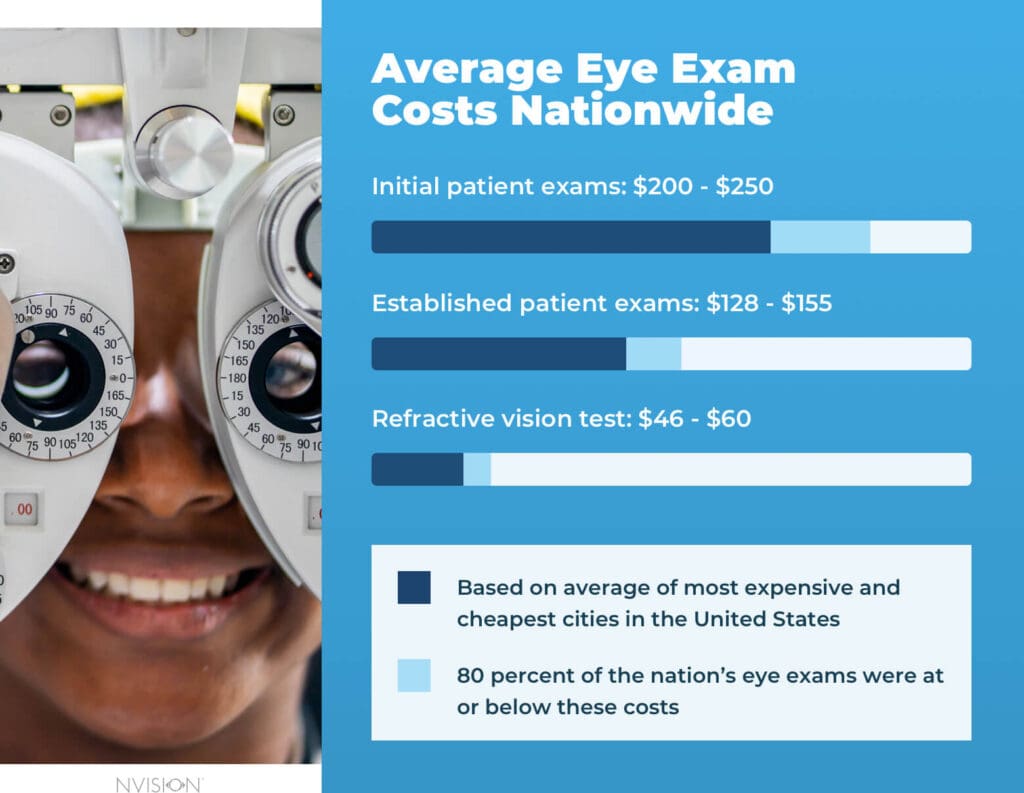
| Comprehensive Eye Exam | $70 – $95 | Includes visual acuity, refraction, and external eye health check. |
| Contact Lens Exam (Standard) | $130 – $160 | Standard exam plus fitting and follow-up for spherical lenses. |
| Complex Contact Fitting | $160 – $220+ | Required for astigmatism (toric), multifocal, or hard-to-fit lenses. |
| Retinal Imaging (Add-on) | $35 – $45 | Optional digital screening (e.g., Optomap) to view the back of the eye. |
| Dilation | $0 – $20 | Often included in the base fee, but some clinics charge a nominal fee for supplies. |
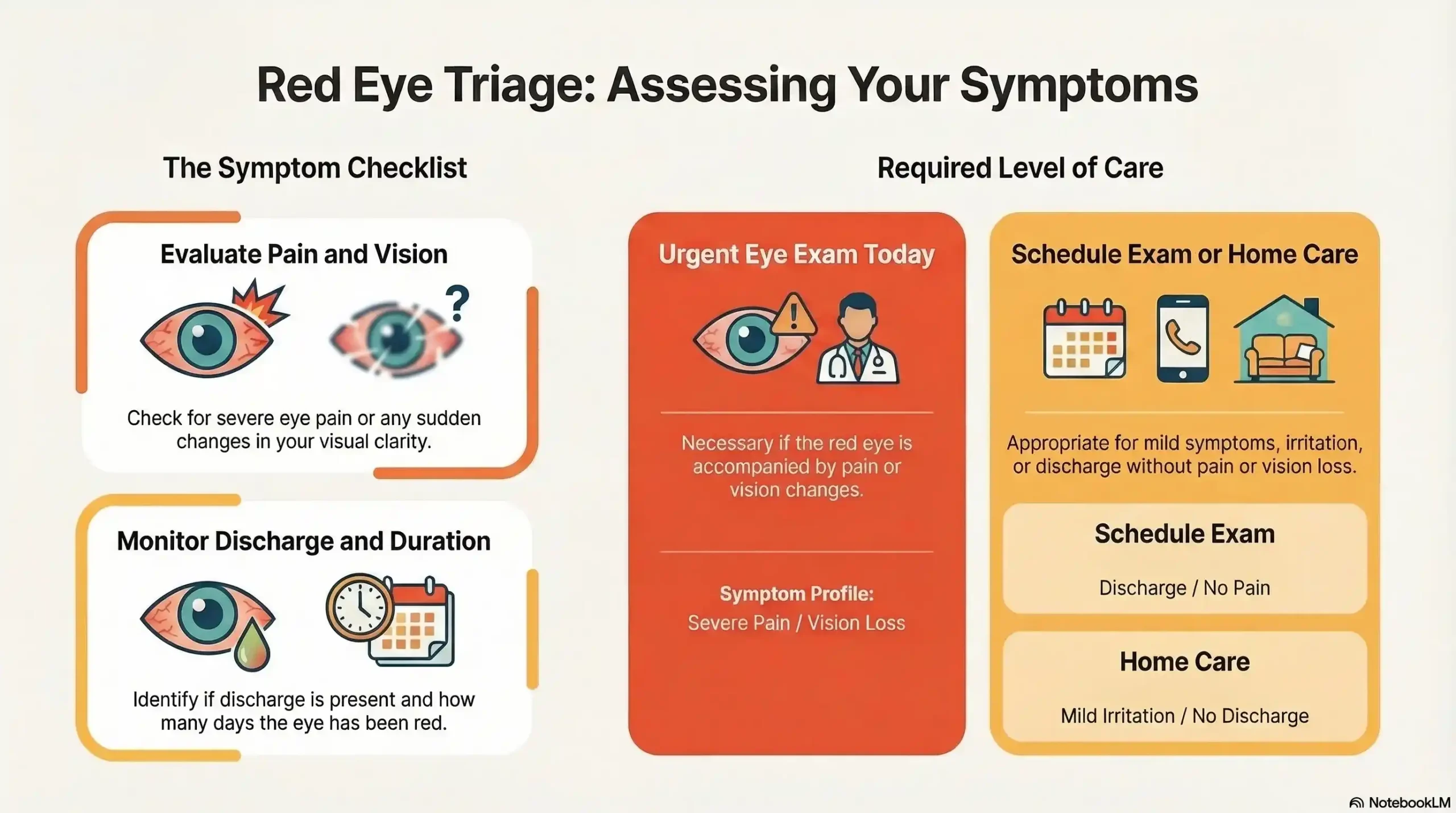
| Medical Eye Visit | $100 – $150 | Non-routine visits for infections, dry eye, or foreign body removal. |
These figures represent national averages for 2026. In high-cost urban centers like New York City, San Francisco, or Chicago, base exam prices may trend toward the $100 mark, whereas rural or suburban locations in the Midwest or South may remain closer to $70.
Factors Influencing the Final Price of Your Appointment
Several variables dictate whether your final bill aligns with the base estimates or climbs higher. It is essential to clarify these factors with the administrative staff when booking your appointment to avoid unexpected costs.
Independent Doctor Fees vs. Corporate Pricing
Most Target Optical locations host an Independent Doctor of Optometry. These doctors lease the space but set their own professional fees for exams. While Target provides a suggested pricing guideline to maintain brand consistency, the doctor has the final say on the cost of the clinical services provided. This is why you might see a price difference between two Target locations in the same city.
Specialized Testing and Technology
Modern optometry utilizes advanced diagnostic tools that go beyond the "which is better, one or two?" refraction test.
- Digital Retinal Imaging: Many Target Optical doctors now recommend digital imaging over traditional dilation. This provides a high-resolution map of the retina, useful for tracking changes in eye health over years. This is almost always an elective out-of-pocket cost.
- Visual Field Testing: If the doctor suspects issues with peripheral vision or neurological concerns, a visual field test may be performed, which carries a separate medical billing code.
New Patient vs. Returning Patient
Some independent practices at Target offer a "loyalty" discount for returning patients or charge a slightly higher fee for the initial comprehensive workup, which includes building a baseline medical history.
Insurance Compatibility and Network Participation in 2026
Target Optical is a major participant in nearly all national vision insurance networks. Because Target Optical is operated under the Luxottica umbrella (now EssilorLuxottica), it has a seamless integration with EyeMed, one of the largest vision insurers in the United States.
Insurance Acceptance and Billing Nuances
Primary Vision Networks Target Optical is an in-network provider for EyeMed, VSP (Vision Service Plan), Aetna Vision, Humana Vision, and UnitedHealthcare Vision. Most patients with these plans will pay a standard co-pay for their exam, typically ranging from $10 to $25.
Medicare and Medicaid Coverage Standard Medicare (Part B) generally does not cover routine eye exams for glasses or contacts. However, if the exam is medical (e.g., monitoring glaucoma or cataracts), it may be covered. Target doctors often accept Medicare for medical visits but require out-of-pocket payment for the refraction portion. Medicaid acceptance varies strictly by state and by the individual doctor's contract; many Target Optical locations in 2026 accept managed Medicaid plans through carriers like UnitedHealthcare Community Plan or Amerigroup.
Third-Party HMO Requirements If you are using a third-party HMO plan that requires a designated Primary Care Physician (PCP), ensure that your vision benefit is "open access." Some HMOs require you to see an optometrist within their specific medical group rather than a retail-based provider like those at Target.
Target Optical vs. Competitors: A 2026 Cost Comparison
Choosing Target Optical involves weighing the cost against other "big box" and warehouse club alternatives. Target typically positions itself as a mid-tier provider—more affordable than private boutique practices but slightly higher in price than warehouse clubs like Costco.
- Costco Optical: Generally the lowest price point in the industry, with exams often starting at $60–$80. However, a membership is required to purchase eyewear, though some states allow non-members to see the independent doctor.
- Walmart Vision Center: Very competitive with Target, often hovering in the $65–$85 range. Walmart is frequently the preferred choice for those without insurance looking for the absolute lowest base price.
- LensCrafters: Also owned by Luxottica, LensCrafters tends to have higher exam fees (often $85–$115) and focuses more on high-end lens technology and designer frames.
- Private Practice Optometry: The most expensive option, with exams often starting at $120–$180. The trade-off is usually a more personalized, long-term relationship with a single provider and access to specialized medical equipment.
Step-by-Step Guide to Booking and Preparing for Your Exam
Navigating the Target Optical system in 2026 is streamlined through digital tools. Following these steps ensures you receive the best pricing and most efficient service.
- Online Pre-Verification: Use the Target Optical website to input your insurance details before booking. The system can often pull your exact co-pay and frame allowance in real-time.
- Schedule the Correct Exam Type: Do not book a standard exam if you intend to get contacts. Contact lens fittings require extra time for corneal measurements and trial lens evaluations. Booking the wrong slot can lead to rescheduling or unexpected fees.
- Gather Your Medical History: Be prepared to list current medications, especially those for blood pressure or diabetes, as these significantly impact ocular health.
- Bring Your Current Eyewear: Even if your current glasses are broken or the prescription is old, the doctor can use a lensometer to read the old prescription as a starting point.
- Confirm the Refraction Fee: If you are a Medicare patient, explicitly ask: "What is the out-of-pocket cost for the refraction?" Since Medicare doesn't cover this part of the exam, you need to know the fee upfront.
Maximizing Savings and Value at Target Optical
While the exam fee is relatively fixed, there are several ways to reduce the overall cost of your vision care visit in 2026.
- Target RedCard (Circle Card) Discount: In 2026, using your Target Circle Card typically provides a 5% discount on the retail portion of your purchase (frames and lenses). While it usually does not apply to the independent doctor's exam fee, it significantly lowers the total out-of-pocket cost for hardware.
- Seasonal Promotions: Target frequently runs "Buy One, Get One" (BOGO) offers or percentage discounts on a complete pair of glasses. These are most common during "Back to School" (August) and at the end of the year when FSA/HSA funds are expiring.
- FSA/HSA Funds: Eye exams, contact lenses, and prescription glasses are all qualifying medical expenses. Using these pre-tax dollars is the most effective way to lower the "real" cost of your exam.
- AAA or AARP Discounts: Target Optical often maintains partnerships with these organizations, providing 10% to 30% off retail prices for members.
Common Mistakes to Avoid at Target Optical
- Assuming the Exam Fee Includes the Prescription for Contacts: By law, a glasses prescription and a contact lens prescription are different. You must pay for the fitting to get the contact lens authorization.
- Forgetting to Check Out-of-Network Benefits: If Target is out-of-network for you, you can often still pay upfront and submit a "Request for Reimbursement" to your insurer. You might get back 50-80% of the cost.
- Overlooking the Warranty: Target offers a limited warranty on frames. Many patients forget to utilize this if their frames break within the first year, leading them to pay for a new exam and glasses prematurely.
Frequently Asked Questions
Does Target Optical accept walk-ins for eye exams?
While some locations may accommodate walk-ins if there is a cancellation, it is highly discouraged in 2026 due to high demand. Most independent doctors at Target use a digital queue that prioritizes online bookings, and walk-ins may face wait times exceeding two hours or be turned away entirely.
Is the price of a contact lens fitting included in the base eye exam fee?
No, the contact lens fitting is an additional professional service. This fee covers the measurements of the ocular surface, the trial lenses provided by the doctor, and the follow-up visit to ensure the lenses are not causing corneal irritation or hypoxia.
Can I get an eye exam at Target without insurance?
Yes, a significant portion of Target Optical’s clientele consists of self-pay patients. The out-of-pocket cost for a standard exam is roughly $70 to $95. Target is often very transparent about these "cash pay" rates compared to private medical clinics.
Will Target Optical give me a copy of my prescription?
Yes, under the FTC's Eyeglass Rule and Contact Lens Rule, your doctor is legally required to provide you with a copy of your prescription immediately after the exam, regardless of whether you purchase glasses or contacts from Target.
Are pediatric eye exams more expensive at Target?
Usually, the price is the same as an adult exam. However, if the child requires specialized binocular vision testing or "cycloplegic" drops (stronger dilation to relax focusing muscles), there may be a small additional clinical fee.
Target Optical remains a robust choice for 2026 consumers who prioritize a blend of professional healthcare and retail efficiency. By verifying your insurance status and understanding the distinction between the clinical exam and the retail purchase, you can manage your vision health effectively and affordably.
Image Gallery